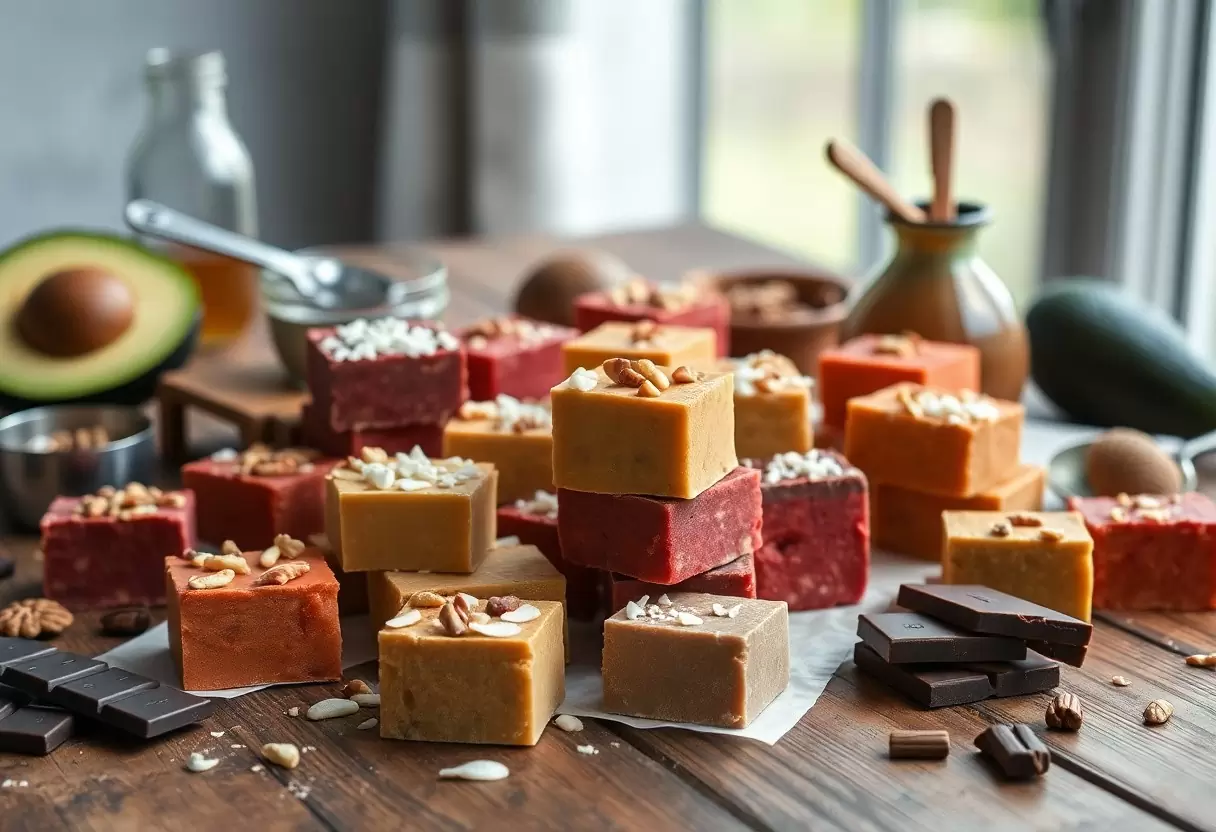
3D-Printed Candies for Personalized Treats
Candies have long been a source of joy and celebration, but now they can become uniquely yours through the innovative world of 3D printing. Imagine crafting cus

This article contains Amazon affiliate links. As an Amazon Associate, CandiesAndSweets earns from qualifying purchases.

Candies have long been a source of joy and celebration, but now they can become uniquely yours through the innovative world of 3D printing. Imagine crafting custom shapes, flavors, and decorations that align perfectly with your preferences or special occasions. This technology allows you to take control of every detail, ensuring that your treats are not only delicious but also reflective of your creativity. In this blog post, you’ll explore how 3D-printed candies can transform your sweet experiences into personalized delights that truly stand out.
The Technology Behind 3D Printing Candies
For those intrigued by the future of confectionery, 3D printing offers a revolutionary approach to candy production. By manipulating digital designs, you can create unique candy shapes and flavors tailored to your preferences. This process combines creativity with technology, allowing you to print candy in a variety of styles, sizes, and textures. The three main types of 3D printing techniques utilized in candy making are Fused Deposition Modeling (FDM), Stereolithography (SLA), and Binder Jetting. Each method comes with its own set of advantages and challenges.
Types of 3D Printing Techniques
- Fused Deposition Modeling (FDM): FDM works by extruding melted sugar materials through a nozzle to build layers.
- Stereolithography (SLA): SLA uses a UV laser to cure liquid sugar into solid candy, layer by layer.
- Binder Jetting: In this technique, a binding agent is selectively applied to powdered sugar to create structures.
Recognizing the unique properties of each method allows you to choose the one that best fits your candy-making ambitions.
| Technique | Description |
|---|---|
| FDM | Extrudes heated sugar material to form layer upon layer. |
| SLA | Uses light to solidify liquid sugar into desired shapes. |
| Binder Jetting | Applies a binder to blend sugar powder into solid forms. |
| Powder Bed Fusion | Melts sugar powders to create intricate designs. |
| Material Jetting | Deposits droplets of sugar mixtures to form sweet structures. |
Across the landscape of 3D-printed candy, the materials used play a significant role in determining the final product’s taste and texture. The primary sugar-based materials range from classic granulated sugar to more advanced edible polymers. Notably, ingredients can also include flavors and colorants that can be mixed into the sugar base before printing. This allows you to experiment with not only shapes but also taste profiles, making your candy truly one-of-a-kind.
In fact, you can customize elements like the sweetness or even the ingredient composition based on dietary needs, such as using sugar-free substitutes or incorporating functional ingredients like vitamins. The versatility of materials empowers you to unleash your creativity, turning traditional candy-making into a modern experience where possibilities are virtually endless.
Personalization in 3D-Printed Candy
Any candy lover knows that a treat is not just about taste; it’s also about looks and uniqueness. With the advent of 3D printing technology, you have the ability to create custom shapes and designs that were once only a dream. Whether you want candies in the shape of your favorite character, a unique logo for an event, or even personalized messages, 3D printing allows you to turn your creative visions into delectable reality. This not only makes your treats stand out but also transforms ordinary candy into unique gifts that reflect your personality or the theme of a celebration.
Custom Shapes and Designs
DPrinted candies open a world of possibilities when it comes to the aesthetics of your treats. Instead of settling for generic options found at stores, you can design your own candy molds, ensuring that the shape and design resonate with your specific interests or occasion. Imagine presenting candies that match the theme of a party or gifts shaped like the hobbies of your loved ones. This level of artistic expression allows you to engage with your creations, making the candy both a visual and a delightful taste experience.
Flavor Customization
Across the spectrum of candy delights, flavor is a pivotal aspect that enhances your overall experience. With 3D printing, you can not only craft unique shapes but also tailor the flavors to suit your palate. This means that you aren’t just limited to typical options; you can experiment with exotic ingredients or create a blend that reflects your favorite tastes. By integrating natural fruit extracts, herbs, or even spices, the possibilities become endless. Whether it’s for a special celebration or a personal treat, having control over the flavor profile adds an appealing dimension to your candy-making journey.
With flavor customization in 3D-printed candy, you can explore an array of tastes that reflect not just your preferences but those of your friends and family as well. Create a signature flavor for parties, combining fruity and creamy elements, or whip up a spicy treat that surprises the taste buds. This ability to personalize extends to dietary restrictions too; whether someone favors vegan treats or requires gluten-free options, the flexible nature of 3D printing ensures that everyone can indulge in a candy experience designed just for them. The combination of shape, design, and flavor personalization truly elevates your candy-making experience to new heights.
Health and Safety Considerations
Some might assume that 3D-printed candies are entirely safe simply because they are created via modern technology. However, ensuring health and safety regarding these personalized treats involves understanding and adhering to specific guidelines. As you venture into 3D-printed confectionery, staying informed about food safety standards is vital to ensure that your creations do not compromise well-being.
Food Safety Standards
Food safety standards are designed to protect consumers from foodborne illnesses and ensure that all food products meet adequate health requirements. When you create 3D-printed candies, you must comply with local, national, and international food safety regulations that govern manufacturing practices. These standards may include requirements for sanitation, ingredient sourcing, storage, and labeling. You should also familiarize yourself with any certification processes that may apply to your equipment and production space.
Nutritional Factors
The nutritional profile of your 3D-printed candies is another vital aspect to consider. The ingredients you choose can significantly impact the overall healthfulness of your treats. It’s important to evaluate factors such as sugar content, calorie count, and potential allergens to meet your preferences and your audience’s dietary needs. You might also explore alternative sweeteners and food additives that could enhance the nutritional value of your creations.
- Assess the sugar content and consider healthier substitutes to lower caloric intake.
- Be mindful of allergens, including common ingredients like nuts, dairy, or gluten.
- Consider incorporating vitamins and minerals for added health benefits.
Considerations surrounding nutritional factors should not be taken lightly as they play a significant role in how your treats are perceived by consumers. As you develop your recipes, consider the balance of flavors while ensuring they align with health-conscious trends. Incorporating elements that cater to various diets, such as vegan or low-carb options, can enhance the appeal of your 3D-printed candies.
- Engage with audience feedback to refine recipes according to consumer preferences.
- Stay updated on nutritional research to incorporate new findings into your candy-making process.
- Engage in transparent communication about the health benefits of your candies.
Recognizing the responsibility you hold as a candy creator is key to maintaining a reputation that resonates with health-conscious consumers.
Market Trends and Consumer Demand
Not surprisingly, the market for personalized treats is experiencing a significant surge, as consumers seek unique and customized products that cater to their individual tastes. The growth of personalized candies is linked to a desire for more meaningful experiences, allowing you to express your creativity and preferences in a delicious form. With advancements in 3D printing technology, it’s now easier than ever for you to enjoy treats tailored specifically to your liking, whether for special occasions or simply as an enjoyable indulgence. This trend has opened up new avenues for confectionery brands to engage with you, presenting you with options that were once unimaginable in traditional candy making.
Growth of Personalized Treats
Demand for personalized treats, such as 3D-printed candies, has seen a remarkable increase in recent years. This shift in consumer behavior reflects a broader trend toward customization across multiple industries, where you as a consumer are seeking products that speak to your individual personality and preferences. As more consumers embrace the idea of bespoke snacks, it is pivotal for businesses to adapt their offerings to meet your growing expectations, tapping into the power of innovation and technology to create a memorable experience.
Impact of Social Media on Consumer Choices
Demand is not just focused on the uniqueness of personalized treats; it is also significantly influenced by the social media landscape. Platforms like Instagram and TikTok have become important tools for brands to showcase their innovative candy designs, allowing you to discover and explore the latest trends effortlessly. When visually appealing and shareable treats capture your attention online, you are more inclined to seek out those products and share your own experiences with your followers, amplifying the market demand for custom confections.
Considering the impact of social media on purchasing decisions, you will likely notice that trending flavors, colors, and shapes often dictate what becomes popular in the world of personalized candies. This creates a loop where your engagement with eye-catching posts inspires brands to produce even more unique varieties, fostering a vibrant cycle of creativity and consumer interaction. Consequently, your choices not only reflect your tastes but also contribute to shaping the market landscape, allowing you to enjoy personalized treats that are as much a part of a social experience as they are a delightful indulgence.
Applications Beyond Confectionery
Once again, 3D printing technology is expanding the horizons of creativity beyond just sweets. This innovative manufacturing process lends itself to a variety of personalized applications, from catering events to creating unique gifts. As you adopt this technology in your own ventures, you will discover that you can craft items tailored to specific themes or preferences, giving you a distinct advantage in a competitive market.
Catering and Event Planning
Catering your next event can become a memorable experience thanks to 3D-printed items. Imagine offering your guests custom snacks or intricate dessert designs that reflect the theme of the occasion. You can create delightful appetizers, personalized cake toppers, or even custom-shaped sugar cubes for cocktails. This not only adds a personal touch but also showcases your attention to detail, enhancing the overall guest experience.
Novelty Items and Gifts
An exciting application of 3D printing is in creating novelty items and gifts that stand out from the crowd. Whether you’re designing unique party favors, personalized holiday decorations, or custom keepsakes, the possibilities are virtually endless. You can produce items that resonate with the recipient, making your gifts more meaningful and memorable.
This ability to customize allows you to tap into various markets who seek distinctive products for special occasions. Whether you are targeting a birthday celebration, a wedding, or a corporate event, the potential to create one-of-a-kind items will keep your offerings exciting and fresh. Personalization elevates your products, allowing you to connect more profoundly with your customers and elevate their experiences.
Future of 3D-Printed Candy
Despite the burgeoning interest in 3D-printed candies, the journey ahead is filled with potential and possibilities. As technology continues to advance, you can expect to see dramatic shifts in how these sweet treats are crafted, marketed, and personalized. The integration of more sophisticated printing techniques and materials can lead to the establishment of small-scale production units, allowing local artisans to create unique confections tailored to individual preferences. This may also streamline the process of product development, making it easier for innovative ideas to reach your taste buds faster than ever before.
Innovations in Flavor and Texture
Flavor has always been a top priority in the candy industry, and with 3D printing, the ability to experiment with combinations is more accessible than it once was. You can look forward to confections that not only mix traditional tastes but also introduce unexpected flavor profiles. By incorporating molecular gastronomy and cutting-edge flavor-infusing technologies, manufacturers will enable you to savor candies that are personalized to your palate. Imagine a gummy bear with a burst of mango and chili or a chocolate with hints of sea salt and lime, all made just for you!
Sustainability and Eco-Friendly Approaches
At the same time, sustainability plays a significant role in the future of 3D-printed candy. As you become more conscious of environmental impacts, 3D printing techniques are evolving to limit waste and reduce the carbon footprint associated with traditional candy production. With advancements in biodegradable materials and cleaner energy sources, you can indulge in delicious treats that align with your values. The use of responsibly sourced ingredients and recyclable packaging is also gaining traction, making it easier for you to treat yourself without compromising your commitment to the planet.
Eco-friendly initiatives in the candy industry promise to not only lessen the negative impact on the environment but also provide you with healthier options. As consumer demand for sustainable products grows, more companies are exploring plant-based ingredients and natural sweeteners for their 3D-printed offerings. This shift focuses on minimizing reliance on artificial additives while making responsible choices that promote environmental stewardship. Your sweet tooth can stay satisfied, knowing that your treats are not just delicious but also kinder to the earth.
Conclusion
Conclusively, 3D-printed candies offer an exciting avenue for you to express creativity and personalize your treats. By utilizing innovative technology, you can customize not only the shape and design of your candies but also their flavors and textures. This approach allows you to create memorable gifts or unique party favors tailored specifically to the preferences of your recipients. The ability to produce candies that reflect your personality or brand can significantly enhance your enjoyment and engagement in sweets.
As you explore the possibilities of 3D-printed candies, consider seeking out resources that can assist you in bringing your ideas to life. Brands like Custom Printed Chocolate Candies – Shop Cast Iron can provide you with the necessary tools to start your 3D candy journey. With this innovative approach, the only limit is your imagination, allowing you to take your candy-making to unprecedented heights.