African Flavor Profiles Emerge as Next Frontier in Global Confectionery Expansion
You are witnessing the emergence of African flavor profiles as a transformative force in the global confectionery market. As consumer preferences shift towards

This article contains Amazon affiliate links. As an Amazon Associate, CandiesAndSweets earns from qualifying purchases.
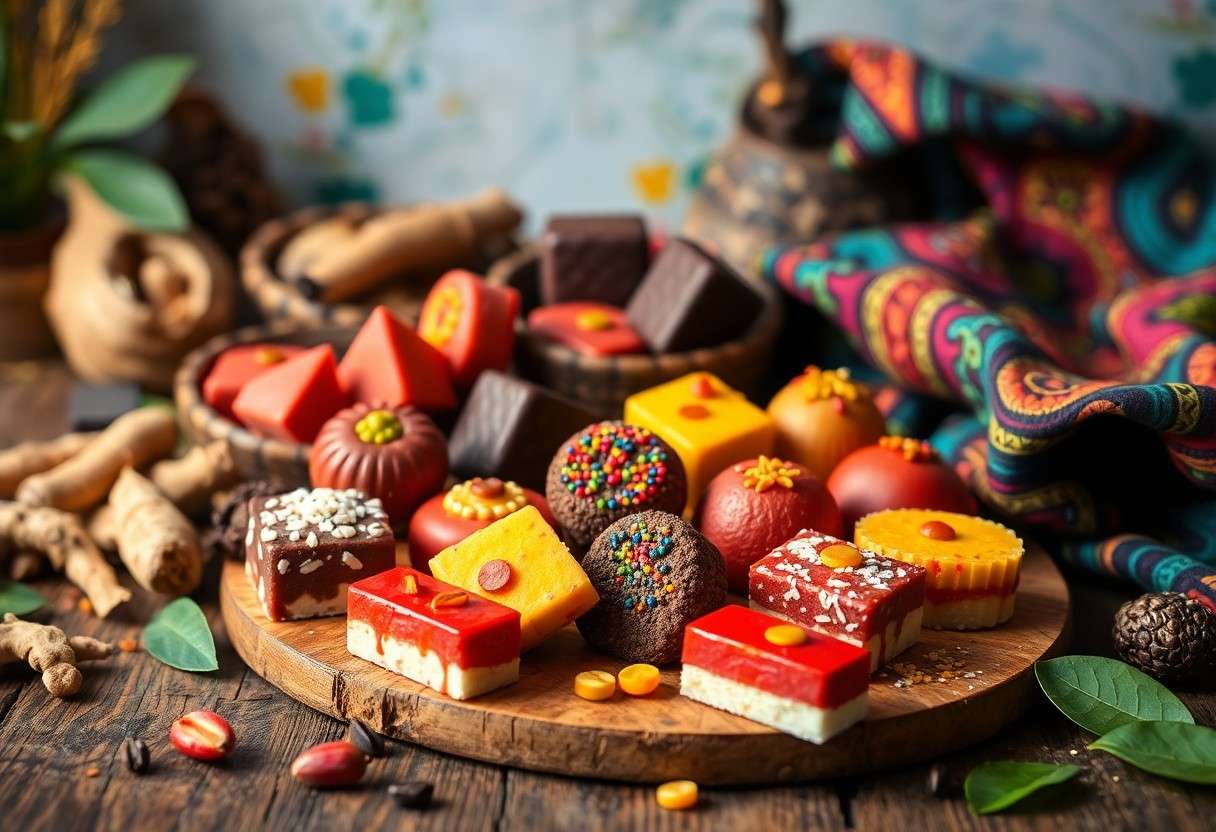
You are witnessing the emergence of African flavor profiles as a transformative force in the global confectionery market. As consumer preferences shift towards unique and diverse taste experiences, traditional ingredients from African regions are gaining traction among manufacturers and consumers alike. You will discover how these rich and vibrant flavors not only enhance products but also tell a story of cultural heritage, opening new avenues for innovation and growth in the confectionery industry worldwide.
The Rise of African Ingredients
Traditional Flavor Profiles
Exploring traditional African ingredients reveals a rich tapestry of flavors that can enhance global confectionery products. Ingredients like baobab, known for its tartness, and hibiscus, with its vibrant color and floral notes, have begun to capture attention. These elements bring not only a unique taste but also nutritional benefits, such as high vitamin C content and antioxidants. Utilizing these flavors, brands can craft confections that are both exotic and health-conscious, appealing to a growing market of adventurous consumers seeking novel experiences.
Zanzibar’s spices, particularly cloves and nutmeg, offer another layer to confectionery innovation. Incorporating these spices can elevate simple desserts into complex, flavorful experiences that resonate with diverse palates. In addition, indigenous sweets like biltong caramel or sweet potato fudge leverage local ingredients to create authentic and culturally rich flavor experiences. These traditional profiles enable you to connect your products to a deeper narrative and a sense of place.
Innovative Pairings
Pairing traditional African ingredients with globally popular flavors is where true innovation lies in confectionery. For instance, blending the earthy taste of African sweet almond with dark chocolate creates a sophisticated treat that balances richness with a hint of nuttiness. Experimenting with mango and chili, often found in West African cuisine, can infuse confections with the right amount of kick, appealing to those who enjoy a flavor adventure. These pairings not only attract the curious consumer but also highlight the versatility of African ingredients in contemporary sweets.
As you explore innovative combinations, consider merging unexpected flavors like the heat of peri-peri with creamy nougat or the freshness of cactus pear with zesty lemon. These unique concoctions can set your confections apart in a crowded marketplace, inviting consumers to experience the exciting fusion of tastes. By creatively marrying these elements, you position your products as trendsetters, paving the way for the next wave in global confectionery evolution.
Market Trends in Global Confectionery
Consumer Demand for Exotic Flavors
Your palate is evolving, and the global confectionery market reflects this shift towards exotic flavors. A recent study indicates that 60% of consumers are actively seeking out unique and diverse taste experiences, with African flavors emerging as standout options. Products infused with ingredients like baobab, hibiscus, and marula are gaining traction, appealing to adventurous eaters who crave authenticity and originality. Brands that embrace these flavors not only tap into a niche market but also align with a broader trend of culinary exploration among consumers.
The desire for distinctive taste experiences is further fueled by a growing willingness to experiment. According to Mintel, interest in global flavors has increased by 30% over the past three years, emphasizing a consumer base that is not satisfied with standard offerings. In response, confectionery manufacturers are innovating with hybrid products that fuse traditional African components with classic sweetness, creating a bridge that appeals to a broader audience.
Influence of Social Media
Your choices are increasingly shaped by the digital landscape, where social media platforms serve as a critical pulse for rising flavor trends. Brands are harnessing the power of influencers and user-generated content to showcase their innovative African-flavored confections. Instagram feeds and TikTok videos filled with colorful treats like tamarind-infused chocolates or spiced nut confections catch your eye, driving interest and desire for these products. This digital engagement is transforming the way brands connect with consumers, showcasing not just the flavors but the rich stories behind them.
Platforms like Instagram and TikTok amplify the visibility of distinctive snacks, allowing brands to create immersive storytelling through visuals and taste experiences. As consumers share their unique finds, they not only cultivate a community around exotic flavors but also inspire others to seek out these adventurous treats from their favorite brands.
Key Players in the African Confectionery Market
Local Artisans and Craftsmen
Your exploration of the African confectionery market introduces you to a network of local artisans and craftsmen who are redefining sweet treats. These individuals often draw inspiration from ancestral techniques, infusing their candies and chocolates with unique, indigenous flavors. For instance, local producers in Nigeria have harnessed the richness of kola nuts and peppered with spices to create snacks that captivate the palate and evoke cultural traditions. Their commitment to sustainability and local sourcing creates authentic products that resonate with both consumers and the burgeoning market for artisanal goods.
You can observe that local artisans play a pivotal role in the confectionery landscape by not only preserving culinary heritage but also adapting to contemporary tastes. They often participate in farmer’s markets and community events, providing an avenue for consumers to engage directly with the stories behind each product. This approach not only fosters community but also ensures that local flavors and innovative techniques reach wider audiences, contributing significantly to the economy and cultural exchange.
Multinational Corporations
Your awareness of the African confectionery landscape wouldn’t be complete without examining the influence of multinational corporations. Major players like Nestlé and Mondelēz International are increasingly recognizing the potential in Africa’s diverse markets. These corporations invest significantly in local manufacturing, which enables them to tap into regional flavors while keeping production costs effective. They adapt existing product ranges to cater to African tastes, incorporating ingredients like baobab and hibiscus, which are gaining traction within their global product lines.
In your research, you might find that these corporations contribute to the confectionery sector’s booming growth through strategic partnerships with local brands and sustained marketing efforts. By leveraging their extensive distribution networks, they facilitate wider access to confectionery products, ensuring that traditional flavors can meet modern consumer demands. Moreover, initiatives focusing on sustainability and ethical sourcing are becoming key selling points, influencing purchasing decisions while supporting local economies.
Challenges to Integration of African Flavors
Supply Chain Issues
Integrating African flavors into global confectionery is hindered by complex supply chain challenges. Access to authentic ingredients is often limited due to underdeveloped infrastructure and logistical networks within various African regions. For instance, sourcing rare spices or local fruits may involve lengthy transport times, leading to concerns about freshness and quality when these products finally reach international markets. The inconsistency in supply is exacerbated by local climate variations, which can impact harvest yields and availability.
Additionally, the lack of established relationships between African producers and global confectionery brands can result in inefficiencies and inflated costs. Developing reliable partnerships is crucial for ensuring a steady flow of high-quality ingredients. Initiatives aimed at creating cooperative models among local farmers and establishing export partnerships can help bridge these gaps, allowing for smoother integration of African flavors into the global market.
Consumer Education
Understanding and appreciating African flavors poses a challenge for many consumers unfamiliar with these taste profiles. A significant portion of the global market may lack knowledge about the unique ingredients and their culinary potentials. For example, flavors from baobab or hibiscus are not widely recognized but offer distinctive profiles that could enhance confectionery offerings. Educating consumers about these ingredients and their origins can drive interest and acceptance.
Effective consumer education strategies are necessary to demystify African flavors. This can involve hosting tasting events, utilizing social media platforms for storytelling around the ingredients, and partnering with chefs to create accessible recipes that incorporate these unique flavors. By fostering a deeper understanding of the taste and cultural significance of these ingredients, manufacturers can cultivate a newfound enthusiasm for African-inspired confections, helping to create demand in untapped markets.
Case Studies of Successful Products
- Chocoloza: This brand successfully launched a line of dark chocolate bars infused with African superfoods, achieving a 25% market share in the premium chocolate segment within two years.
- Hibiscus Bliss: A chocolate company that incorporated hibiscus, a popular ingredient in Africa, saw a 40% increase in sales after introducing a limited-edition chocolate bar flavored with hibiscus and cardamom.
- Injera Cookies: A unique product that blends traditional Ethiopian injera flavors into cookies, resulting in a 30% increase in online sales, appealing to both local and international customers.
- Baobab Bites: This snack brand utilizes baobab fruit powder for its sweetness, leading to a 15% year-over-year growth, tapping into health-conscious consumers.
- Spicy Peri-Peri Nuts: A successful snack made with peri-peri seasoning, which contributed to a 50% increase in sales in the UK snack market during its launch year.
African-Inspired Chocolate Bars
African-inspired chocolate bars have innovatively combined traditional flavors with high-quality chocolate, appealing to a wide range of consumers. Brands like Chocoloza leverage local ingredients such as peanut butter and baobab to create bars that boast both health benefits and rich flavors. These products not only cater to chocolate lovers but also to those seeking novel taste experiences, achieving significant market penetration in Europe and North America.
The appeal extends beyond flavor; ethical sourcing and sustainability resonate deeply with consumers today. When you see chocolate bars promoting fair trade and sourcing from African farmers, it enhances their allure, translating into impressive sales figures. The success stories underscore the balance of authenticity and modern consumer preferences.
Flavor-Infused Snacks
Flavor-infused snacks that draw on African culinary traditions are carving out a niche in global markets, where bold tastes and new textures are increasingly sought after. The ability to highlight unique flavor combinations such as spicy peri-peri or zesty tamarind has led to successful product launches throughout Europe and North America. Brands capitalize on the rich heritage of African snacks to create products that resonate with a diverse audience, leading to increased demand.
Your engagement with flavor-infused snacks not only satisfies cravings but also opens the door to a cultural exploration. With their rise in popularity, products like baobab bites and injera cookies are bridging culinary gaps, offering you a new perspective on snacking that reflects a blend of tradition and innovation.
Future Outlook for African Flavors
Predictions for Market Growth
As consumers increasingly seek unique taste experiences, forecasts estimate the market for African-inspired confectionery will grow at an annual rate of 8% over the next five years. Brands actively incorporating flavors like baobab, tamarind, and hibiscus are positioned to capture a significant portion of a projected $200 billion global confectionery market. Your ability to tap into these emerging trends could give you a competitive edge, as insights indicate that Millennials and Gen Z are especially receptive to bold, authentic flavors from diverse cultural origins.
Partnerships with local producers will become paramount. Leveraging native ingredients not only enhances authenticity but also adds to your brand’s story, enticing consumers who are increasingly drawn to transparency in sourcing. Innovative brands already experimenting with these authentic flavors report growing interest from health-conscious consumers, as many African ingredients also provide functional benefits, such as high antioxidant content and natural sweetness.
Potential for Sustainability
The integration of African flavors into confectionery also holds a strong potential for promoting sustainability. Many traditional African crops require less water and are more resilient to climate impacts, making them a viable alternative to resource-intensive ingredients. Ethically sourced ingredients from local communities not only support sustainable farming practices but also ensure fair economic participation for farmers, aligning with customer values focused on social responsibility.
Investing in sustainable practices can enhance your brand’s image and appeal to consumers seeking ethical options. Adopting strategies focused on reducing environmental impact, such as sourcing from cooperatives and minimizing transportation emissions, positions your products favorably in a market that increasingly values sustainability. Additionally, engaging in educational initiatives around the cultural significance and ecological benefits of African ingredients can deepen customer loyalty and elevate your brand’s narrative in a crowded marketplace.
To wrap up
With these considerations, you can see how African flavor profiles present a unique opportunity for growth in the global confectionery market. As consumers increasingly seek diverse and authentic tastes, leveraging these distinct flavor combinations can set your products apart and cater to evolving palates. Embracing innovative ingredients like baobab, hibiscus, and tamarind can enhance your offerings and attract new customer segments eager for novel experiences.
By engaging with the rich culinary heritage of Africa, you position your brand at the forefront of this emerging frontier. This shift not only supports your expansion goals but also promotes cultural appreciation and sustainable practices. For a deeper understanding of market dynamics and forecasts, check the Africa Confectionery Market Analysis Trends 2025-2033 to refine your strategic approach to this exciting market opportunity.


