Asian-Inspired Candy Flavors Introduce Western Markets to Matcha and Taro Varieties
You may be surprised to find that traditional Asian flavors like matcha and taro are becoming popular in Western candy markets. As consumers seek unique taste e

This article contains Amazon affiliate links. As an Amazon Associate, CandiesAndSweets earns from qualifying purchases.
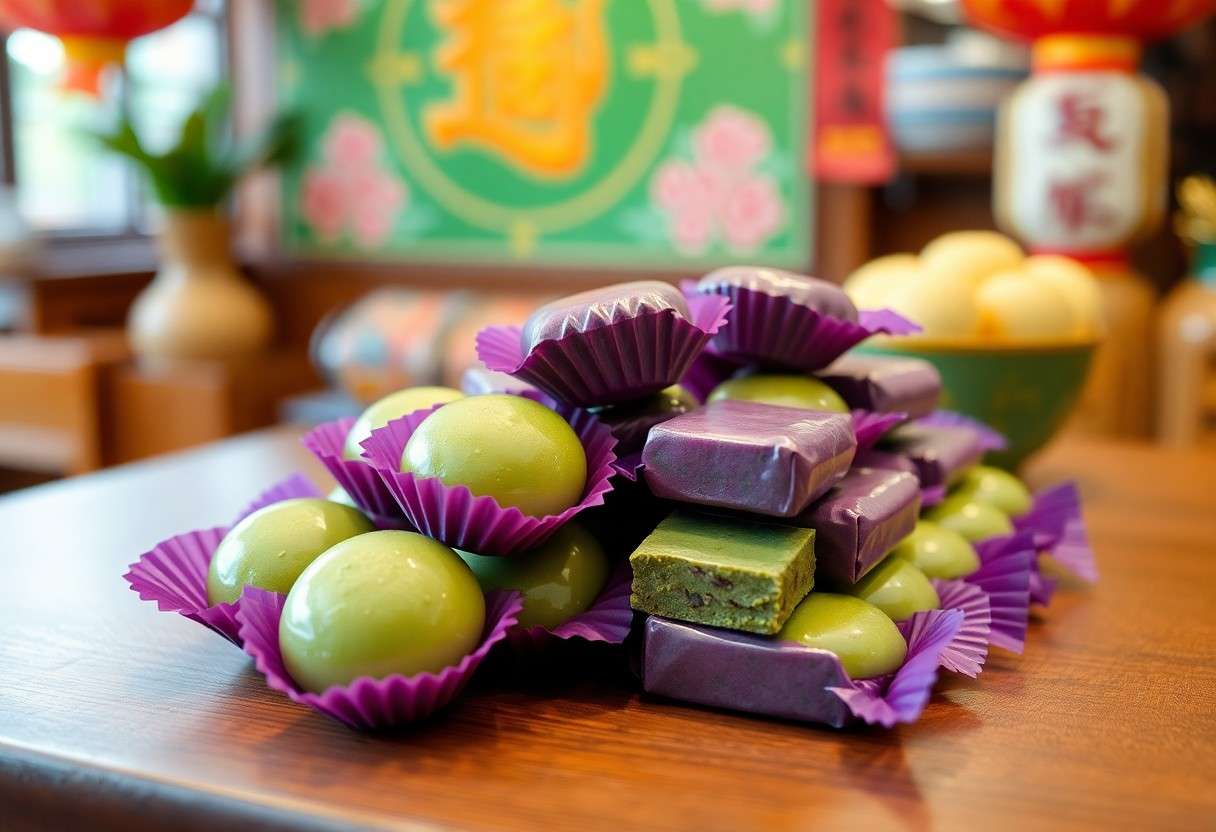
You may be surprised to find that traditional Asian flavors like matcha and taro are becoming popular in Western candy markets. As consumers seek unique taste experiences, these flavors bring a refreshing twist to your favorite sweets. Matcha, with its rich, earthy notes, and taro, characterized by its creamy sweetness, are transforming confectionery options and appealing to adventurous palates. This post will explore how these Asian-inspired flavors are captivating your taste buds and reshaping the landscape of Western candy.
With the growing popularity of Asian cuisine, you are likely to encounter unique candy flavors like matcha and taro that are making significant inroads into Western markets. These flavors, traditionally enjoyed in Asia, are now enticing your taste buds with their distinct tastes and vibrant colors. As you explore these innovative confections, you’ll discover the cultural significance behind each flavor and how they are transforming your candy experience, offering a delightful fusion of culinary traditions.
The Rise of Matcha in Western Confectionery
Health Benefits and Popularity
Matcha has emerged as a beloved ingredient in Western confectionery, largely due to its numerous health benefits. Packed with antioxidants, this powdered green tea offers a significant boost to metabolism and enhances mood thanks to its L-theanine content. You may find that consumers are increasingly seeking out options that not only satisfy their sweet tooth but also contribute to their overall wellness, aligning perfectly with the trend shifting towards healthier dessert alternatives. In some studies, matcha has been shown to have up to 137 times more antioxidants than traditional green tea, emphasizing its appeal as a superfood ingredient.
The versatility of matcha is another key factor driving its popularity. Its flavor profile pairs beautifully with a variety of sweet treats, from chocolates to ice creams, allowing you to experience a unique taste sensation. Brands are capitalizing on this current trend; data indicates that matcha-flavored products have grown at a rate of 20-30% annually within the last five years. This monumental rise indicates an undeniable shift in dessert preferences, where consumers are drawn to innovative options that highlight matcha’s vibrant hue and earthy tonality.
Innovative Matcha Candies
Your exploration of matcha in confections reveals a fascinating array of innovative candies. Candy makers have embraced matcha, integrating it into everything from creamy caramels to crispy rice treats, enhancing traditional recipes with a touch of the exotic. For instance, matcha-infused gummies and chocolates are becoming staples on candy shelves, offering unique flavor experiences that set them apart from conventional sweets. The incorporation of matcha not only enhances taste but also elevates the visual appeal, as the bright green hue captures consumers’ attention and showcases its health-conscious background.
Furthermore, matcha-flavored lollipops and hard candies are gaining traction, providing consumers a novel way to enjoy the benefits of this iconic green tea while indulging in a sweet treat. Artisan candy makers are experimenting with flavors like matcha coconut or matcha and white chocolate combinations, pushing the envelope of traditional candy boundaries. By blending matcha with unexpected ingredients, you discover an exciting culinary landscape where classic flavors meet modern twists, ultimately enriching your confectionery experience.
The Rise of Matcha in Western Confectionery
Health Benefits and Trends
Growing awareness of matcha’s health benefits has fueled its incorporation into Western confections. Rich in antioxidants, matcha is believed to enhance metabolism and promote relaxation while boosting energy levels. These attributes align seamlessly with consumer preferences focused on wellness and clean eating. According to recent surveys, nearly 50% of consumers indicate a willingness to pay a premium for snacks that feature functional ingredients like matcha. As a result, brands illustrate this trend by crafting products such as matcha-infused chocolates and energy bars, making indulgence healthier.
Matcha’s appeal further extends to its versatility, allowing it to fit seamlessly within various dietary trends. As plant-based and gluten-free diets gain traction, matcha-based confections resonate with those seeking nutritious alternatives. Bakeries and confectionery companies increasingly feature matcha as a key ingredient in their offerings, from matcha macarons to ice creams, appealing to a market that values both flavor and health-conscious choices.
Integration into Classic Recipes
Incorporating matcha into beloved classic recipes has become a hallmark of its rise in popularity. Pastries and desserts traditionally crafted with vanilla or chocolate are now seeing matcha variations flood the market. You can find matcha brownies, cakes, and even cookies as bakers experiment with this vibrant green powder. The earthy taste of matcha adds depth while simultaneously providing a visual appeal that catches the eye.
Furthermore, its integration into traditional recipes has sparked creativity among confectioners. Unique fusions, such as matcha-infused donuts or matcha cheesecake, showcase how this flavor revitalizes classic desserts. The result is a delicious blend of Eastern and Western flavors, offering a familiar yet innovative experience for consumers. As you explore these new offerings, you’ll notice how matcha not only enhances flavor profiles but also invites conversation around the origins and benefits of this cherished ingredient.
Exploring Taro Flavor in Western Sweets
Taro’s Unique Flavor Profile
Taro offers a distinctive creamy texture and subtly sweet flavor that sets it apart from conventional ingredients. Its taste is often described as a blend of nutty vanilla and earthy undertones, making it versatile enough for both savory and sweet applications. In candies, taro’s unique profile can evoke nostalgia while introducing consumers to a flavor they may not have experienced before. Its pale lavender hue adds to the visual appeal, enticing both the eyes and the palate.
Unlike more commonly used flavors such as chocolate or strawberry, taro retains an exotic edge, appealing to adventurous eaters. This flavor migrates well into various dessert forms, allowing you to enjoy its rich characteristics in a multitude of sweets. Various cultures have embraced taro, using it in everything from bubble tea to pastries, which has paved the way for its acceptance in Western markets.
Taro-Infused Treats
Western confectioners have begun experimenting with taro, resulting in a wave of innovative delights. Taro-flavored macarons, ice creams, and cakes are becoming popular. Some brands are even creating taro fudge and chocolate bars that cleverly incorporate this Asian root into familiar formats, blending tradition with modern confectionery. The integration of taro into these treats not only highlights its flavor but also serves to educate consumers about its cultural significance.
Ice cream shops have reported that taro flavor has gained a loyal following, often standing out next to traditional flavors like vanilla or chocolate. By producing artisan taro-flavored desserts, you can attract a diverse demographic seeking new experiences. The versatile nature of taro creates opportunities for future product developments, ensuring that its presence in Western sweets continues to grow.
Taro’s Unique Appeal
Flavor Profile and Consumer Curiosity
Taro offers a distinctive flavor that combines subtle sweetness with a creamy, nutty undertone, drawing comparisons to flavors like vanilla or sweet potato. Its vibrant lavender hue is visually striking, making it an appealing choice for consumers seeking unique and photogenic treats. As you’ve likely discovered, this unexpected flavor profile piques curiosity among food enthusiasts and casual consumers alike, inviting experimentation in various culinary applications.
The increasing interest in plant-based diets elevates taro’s status, as it resonates with individuals looking for natural ingredients to incorporate into their diets. You might find yourself enticed by its versatility in sweet and savory applications alike, leading to a growing demand for products that feature taro prominently, adding an exotic twist to familiar tastes.
Innovative Uses in Candies and Desserts
Developers are increasingly incorporating taro into diverse confections, enriching traditional sweets with a modern flair. Popular items such as taro-flavored mochi, ice cream, and bubble tea have gained a dedicated following, capturing the attention of both Asian and non-Asian consumers. Gourmet chocolate brands now experiment with taro-infused ganaches and truffles, transcending cultural boundaries in the quest for innovative flavors.
Your exploration of desserts featuring taro can reveal mouthwatering options like taro cheesecakes, puddings, or even tarts that utilize this root vegetable’s unique starchiness. The combination of taro with other flavors, such as coconut or matcha, can yield even more delightful desserts that engage your palate and satisfy your cravings.
Cultural Exchange through Candy
Bridging Asian and Western Taste Preferences
In recent years, the integration of Asian flavors into Western markets has created a unique fusion that excites candy lovers. Matcha, with its earthy and slightly bitter notes, captivates those seeking an alternative to traditional sweets, while taro’s creamy texture and mild sweetness appeal to a broader demographic. You may find matcha Kit Kats and taro-flavored mochi in local shops, showcasing how retailers adapt to consumer preferences. As a result, taste buds across continents connect through familiar formats like gummies and chocolates infused with these exotic flavors, creating an inviting bridge between two cultures.
This blending doesn’t only enrich the candy aisle; it transforms perceptions of Asian ingredients among Western consumers. By packaging these flavors in innovative ways, brands promote cultural awareness and appreciation. You may notice how brands highlight not just taste but the stories behind these flavors, leading to a greater understanding of their significance in Asian culinary traditions. This narrative adds layers to your candy experience, making the act of indulgence both flavorful and educational.
The Impact of Social Media on Flavor Trends
Social media platforms play a significant role in shaping flavor preferences on a global scale. Platforms like Instagram and TikTok showcase visually appealing candy creations, capturing the attention of diverse audiences. You might have seen viral posts highlighting unique treats, like rainbow-hued matcha lollipops or plush taro mochi, instantly driving demand. The integration of hashtags like #AsianCandy and #MatchaMadness helps followers discover these products, fostering community dialogue around taste exploration.
Brands leverage this digital word-of-mouth to connect with potential customers directly. By engaging with followers and showcasing user-generated content, they create a sense of belonging and excitement around new flavors. You could be part of a candy trend that gains momentum from a single viral video, transforming a niche taste into a mainstream favorite within weeks. This rapid dissemination of trends reflects the modern consumer’s desire for novel experiences, underscoring the potency of social media as a catalyst for cultural exchange.
Extensive social media campaigns from candy brands not only highlight product launches but also invite consumers to share their experiences. For instance, the hashtag #TaroTasteChallenge encourages you and others to showcase reactions to tasting taro-flavored sweets, creating a personal connection to the product. With millions of views and likes, these trends not only solidify the flavors’ place in the market but also establish a cultural bridge. As a result, social media does not simply influence what you eat; it fosters a community united by a shared love for innovative candy flavors that blend Eastern and Western influences.
Cultural Influences on Candy Creation
Globalization has facilitated a blending of culinary traditions, where flavors and techniques from diverse cultures converge in unexpected ways. This phenomenon reflects a burgeoning interest in authentic experiences among consumers, driving candy makers to experiment with unique flavor combinations that appeal to a wide audience. Your palate is invited to explore an array of fusion flavors, where the rich, earthy notes of matcha mingle with the familiar sweetness of Western chocolate or gummy candies infused with the subtle sweetness of taro. These innovative creations not only captivate your taste buds but also encourage cultural dialogues through confectionery art.
Fusion Flavors and Cross-Cultural Palates
As you explore deeper into the world of fusion candies, consider how these creations resonate with the growing demand for novel taste experiences. For instance, the trend of incorporating traditional Asian ingredients into Western sweets has led to unexpected pairings—think matcha white chocolate truffles or lychee-flavored mochi centers wrapped in crispy caramel. These offerings invite you to enjoy familiar textures with exotic flavors, enhancing your candy experience and expanding your culinary horizons.
Market research shows that consumers, particularly millennials and Gen Z, are driving the trend toward fusion flavors, seeking out brands that deliver innovative products. With a notable increase in Asian grocery stores and specialty shops popping up across the West, there’s increased access to unique ingredients like black sesame and red bean pastes. The widespread availability of these components is reshaping your candy consumption habits, encouraging you to try new and exciting flavors that blend cultural elements.
The Role of Asian Cuisine in Western Markets
Incorporating elements of Asian cuisine into the candy landscape is transforming your shopping experience. With restaurants and food trucks featuring traditional dishes gaining popularity, consumers are eager to explore these flavors beyond the dinner table. Asian-inspired candies, such as mochi ice cream or matcha Kit Kats, offer accessible entry points into these culinary traditions. Brands carefully craft their products to bridge the gap between cultural authenticity and Western tastes, ensuring their sweets resonate with a broader audience while preserving the integrity of the original flavors.
Your willingness to embrace these diverse offerings contributes to a significant shift in the candy market. As you discover flavors from Asian cultures, manufacturers recognize the lucrative opportunities associated with these trends. Sales data indicates that Asian-inspired snacks have seen considerable growth, with companies like Hi-Chew and Pocky dominating the market. This demand creates a feedback loop that inspires more innovation, further enriching your options for indulgent, culturally diverse sweets.
Challenges in Introducing Asian Flavors
Consumer Acceptance
Consumer acceptance remains a major hurdle in your endeavor to introduce matcha and taro flavors to the Western market. Many consumers lack familiarity with these ingredients, leading to hesitance in trying products that prominently feature them. Taste preferences can be deeply ingrained, resulting in skepticism towards anything that strays from traditional candy flavors. For instance, a survey conducted by the Specialty Food Association found that 37% of respondents were unfamiliar with matcha, which may limit their willingness to experiment with candies utilizing this flavor.
Overcoming these perceptions requires educating consumers about the rich cultural context and health benefits associated with these flavors. Marketing campaigns that highlight the artisanal methods and unique flavor profiles can encourage trial and build appreciation. Engaging influencers or food bloggers who already embrace these flavors can also positively impact consumer attitudes, making your products seem more accessible and desirable.
Ingredient Sourcing Issues
Ingredient sourcing can significantly complicate the introduction of Asian-inspired flavors to your candy line. Authentic matcha and taro often come from specific regions in Asia, and securing a consistent supply can pose challenges due to geographic and climate variations. Import tariffs and shipping delays can impact your overall pricing and availability, requiring you to stay adaptable and open to alternative sourcing strategies. Quality assurance becomes vital as variations in flavor and potency can drastically alter the final product experience.
Building relationships with reliable suppliers can alleviate some of these concerns. Establishing contracts with producers who prioritize quality and sustainability helps ensure that the ingredients meet your standards while remaining affordable. Collaborating with local farmers working on specialty crops may also provide a pathway to source similar flavors without sacrificing authenticity, helping you navigate this complex landscape.
Market Trends and Consumer Preferences
Growth of Asian-Inspired Products
The rise of Asian-inspired candy in Western markets reflects a broader trend toward the acceptance and craving for unique global flavors. By 2025, the market for matcha-flavored products alone is expected to surpass $2 billion, driven primarily by Millennials and Gen Z seeking innovative and authentic tastes. Taro-flavored treats, with their distinctive purple hue and subtle sweetness, have also gained traction, appearing in everything from ice creams to pastries, revealing a consumer desire for novelty in their snack choices. Major confectionery brands are collaborating with smaller Asian companies to diversify their offerings, paving the way for broader acceptance of such flavors.
The introduction of these flavors aligns with an increased willingness to explore cultural experiences through food. As consumers become more adventurous, embracing exotic items that tell a story or evoke a sense of discovery, products featuring ingredients like matcha and taro are positioned well to attract attention. Sales data shows a surge in the demand for products that not only taste good but also offer a glimpse into rich culinary traditions, reinforcing the concept that candy can serve as a form of cultural exchange.
Target Demographics and Marketing Strategies
Your approach to marketing Asian-inspired candies should leverage insights into who’s driving consumer interest. Younger demographics, particularly those aged 18-34, dominate the consumer base, eager for products that stand out and connect with their diverse lifestyles. Social media platforms are vital for engaging these audiences, with visually appealing content showcasing the vibrant colors and unique textures of candies like matcha Kit Kats or taro mochi. Building partnerships with influencers who can authentically promote these items enhances both visibility and credibility, crucial in a market flooded with options.
Furthermore, developing an educational component in your marketing strategy highlights the cultural significance and origins of these flavors, enhancing consumer connection and appreciation. For instance, short videos or blog posts explaining matcha’s heritage or the traditional uses of taro can deepen resonance with potential buyers. Vintage-style packaging that evokes an Asian aesthetic, alongside modern twists, also appeals to consumers looking for unique gifts or personal treats that tell a story.
In targeting your audience, consider that the appeal of Asian flavors spans various demographic segments beyond age. International students, foodies, and health-oriented consumers are increasingly drawn to matcha for its antioxidant properties, while nostalgic flavors can attract older generations familiar with these ingredients. Understanding these nuances will help you tailor your marketing approaches effectively, ensuring that your product offerings resonate across diverse consumer groups.
Future Trends in Asian-Inspired Candy
Expanding Flavor Offerings
You’re likely to see an increase in the variety of flavors available in Asian-inspired candies as producers experiment beyond matcha and taro. Innovations like yuzu, which combines citrus notes with floral undertones, and black sesame, known for its nutty richness, are expected to take center stage. Brands might also incorporate unique textures, like mochi or jelly, to create multi-sensory experiences that resonate with consumers. With the rise of health-conscious eating, you’ll find options that blend traditional flavors with natural sweeteners and functional ingredients. This evolution towards more diverse flavors will capture the palates of adventurous eaters eager for new taste experiences.
Collaborations Between Asian and Western Brands
Partnerships are set to redefine the landscape of Asian-inspired candy. You may notice Western confectionery brands teaming up with Asian manufacturers to leverage their expertise in unique flavors and cultural insights. A notable example is the collaboration between a popular American chocolate brand and a leading Asian snack company to create matcha-infused chocolate bars. Such endeavors not only broaden product lines but also educate consumers about the cultural significance behind the flavors, making them more approachable. As these collaborations grow, expect to see an increasing blend of textures and flavor profiles that create exciting and innovative products.
Collaborations are more than just co-branding opportunities; they often involve blending supply chains, marketing strategies, and consumer insights to produce better products tailored specifically for dual markets. Expect targeted campaigns that showcase the uniqueness of each flavor, highlighting stories and traditional uses to engage customers on a personal level. This strategy can create a strong brand connection, making it easier for you to embrace these new flavors and further integrate them into your confectionery choices.
Challenges in Introducing New Flavors
Overcoming Preconceived Notions
Many consumers in Western markets have preconceived notions about flavors that differ from traditional candy options. Matcha and taro, while beloved in their home regions, often prompt hesitation among consumers unfamiliar with their unique profiles. Educating your target demographic becomes necessary; tastings, sampling events, and partnerships with culinary influencers can help demystify these flavors. You’ll find that presentation plays a significant role; beautiful packaging and creative marketing strategies can pique curiosity and encourage trial purchases.
Success stories from brands like Haagen-Dazs, which introduced green tea ice cream, illustrate the effectiveness of overcoming these barriers through relatable narratives and engaging storytelling. Consumers often need to see these flavors in a festive or familiar context for acceptance to grow. By hosting pop-up events or leveraging social media platforms, you can create an inviting atmosphere that encourages exploration of these exotic options.
Supply Chain and Ingredient Sourcing
Integrating Asian-inspired flavors into your candy lineup hinges on effective supply chain management and ingredient sourcing. You might face hurdles related to the availability and quality of matcha and taro. Sourcing authentic matcha from Japan or high-quality taro from Southeast Asia requires strong relationships with suppliers who can guarantee consistency and reliability. Fluctuating prices and limited seasonal availability can hinder your production schedules, making it necessary to have alternative suppliers or backup plans.
Incorporating a robust sourcing strategy can mitigate risks. Establishing partnerships with local suppliers who can source these ingredients can provide fresher alternatives while reducing shipping time and costs. Engaging directly with farmers or cooperatives not only supports ethical sourcing but can also ensure quality and sustainability, enhancing your brand’s appeal to today’s conscious consumers.
Summing up
So, as you explore the growing trend of Asian-inspired candy flavors in Western markets, it’s clear that unique varieties like matcha and taro are redefining your sweet choices. These flavors not only bring a taste of Eastern culture but also offer innovative experiences that intrigue your palate. Embracing these flavors allows you to appreciate a rich culinary landscape that spans beyond traditional confectionery options.
Furthermore, you have the opportunity to engage in a cultural exchange through these distinct tastes. By incorporating products such as matcha-infused treats and taro-based sweets into your lifestyle, you enhance your confectionery repertoire and support a trend that celebrates diversity. For more insights, check out A Pop of Flavor | Japanese Candies with a Kick and explore how these flavors are captivating consumers and transforming the candy market.
Future of Asian-Inspired Candies
Predictions for Flavor Evolution
You can anticipate an exciting evolution in flavor profiles as Asian-inspired candies capture the imagination of Western consumers. The fusion of traditional ingredients with innovative techniques may lead to unique combinations, such as infusions of yuzu and ginger with classic chocolate or expanded uses of spices like Sichuan peppercorn. Increased experimentation will likely see flavors such as pandan and black sesame becoming more mainstream, appealing to adventurous palates while also ensuring a comfortable bridge between familiar and exotic.
Emerging trends also suggest that seasonal and limited-edition flavors will gain traction, heightening consumer interest and driving sales. For example, during holidays, you might encounter matcha-infused candies adorned with cherry blossom motifs, or taro-flavored treats packaged creatively to symbolize the Lunar New Year. Such strategic flavor introductions aim to resonate with cultural narratives, making them more enticing to a wider audience.
Potential Market Growth Areas
The potential for market growth in Asian-inspired candies lies primarily in the increasing consumer interest in global flavors and health-conscious ingredients. With a rising number of individuals seeking low-sugar and plant-based options, Asian ingredients can easily align with these demands. Brands that focus on the health benefits of matcha and superfoods, such as red bean or lotus seed, may position themselves advantageously in the competitive marketplace.
Another growth area includes leveraging social media to create awareness and drive engagement. Platforms like Instagram and TikTok provide opportunities for visually appealing products, allowing you to explore mouthwatering content that highlights unique flavors, vibrant colors, and enticing presentations. Brands that harness influencers and user-generated content can significantly enhance their visibility and appeal to younger demographics eager for unique culinary experiences.
Conclusion
As a reminder, your appreciation for Asian-inspired candy flavors like matcha and taro opens up a unique culinary experience that enriches your palate. These flavors not only add diversity to your taste preferences, but they also serve as a bridge, introducing you to a broader spectrum of cultural experiences through confectionery. As the Western markets continue to embrace these exotic tastes, you stand at the forefront of a delicious trend that celebrates innovation and creativity in sweets.
By incorporating matcha and taro into your candy choices, you contribute to a growing movement that values cultural exchange and diversity in food. You can further explore these delightful options by visiting Exploring Delicious Asian Flavors and Beverages. Indulging in these flavors not only satisfies your sweet tooth but also expands your knowledge of global culinary traditions, allowing you to enjoy the best of both worlds.


