Best Essential Oils for Flavoring Homemade Chocolate
It's easy to elevate your chocolate creations by incorporating vital oils that enhance flavor and aroma. By choosing the right oils, you can infuse your homemad

This article contains Amazon affiliate links. As an Amazon Associate, CandiesAndSweets earns from qualifying purchases.
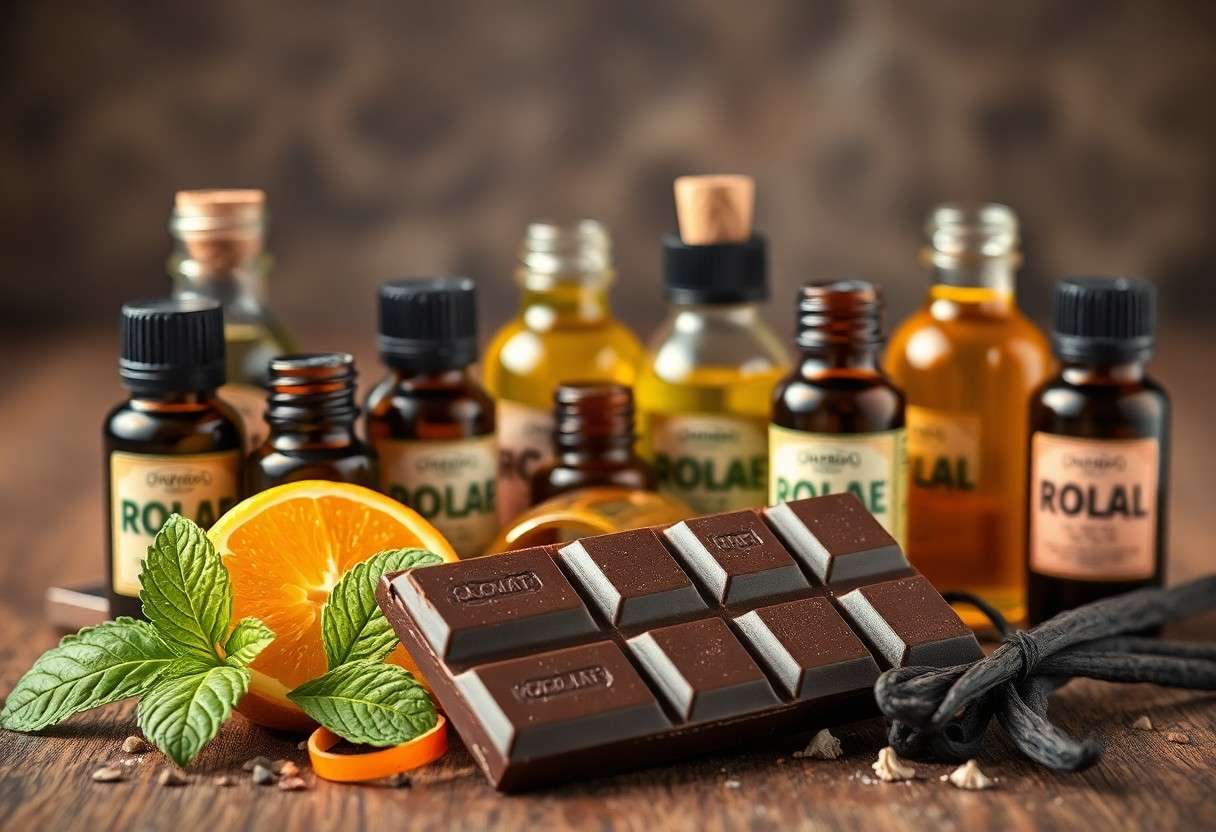
It’s easy to elevate your chocolate creations by incorporating vital oils that enhance flavor and aroma. By choosing the right oils, you can infuse your homemade chocolate with unique tastes that wow your friends and family. In this post, you’ll discover the best vital oils that complement chocolate beautifully, offering insights on pairing, dosage, and safety tips to ensure a delicious and aromatic experience.
Understanding Essential Oils
What are Essential Oils?
Essential oils are highly concentrated natural extracts derived from various parts of plants, including leaves, flowers, stems, and roots. These oils capture the plant’s unique scent and flavor profile, making them powerful tools for enhancing culinary creations. Distillation or cold-press extraction are common methods used to obtain these aromatic compounds, resulting in a product that is far more potent than the plant itself. For example, one drop of peppermint vital oil can contain the essence of dozens of peppermint leaves, providing a rich and vibrant flavor experience.
Concerning cooking, vital oils serve as a versatile ingredient that can elevate both sweet and savory dishes. Their potent scent and flavor mean that you only need a small amount to achieve the desired result, making them incredibly economical. For your homemade chocolate, just a drop of orange or lavender vital oil can transform the flavor profile without overwhelming the original chocolate essence. Understanding how to utilize these oils effectively allows you to experiment and create unique flavor combinations that may not be possible with traditional flavoring methods.
It’s also important to note that not all vital oils are created equal. While many are safe for consumption, others are intended solely for aromatic or therapeutic use. Always choose high-quality, food-grade vital oils from reputable sources to ensure safety and flavor integrity. By doing so, you can fully explore the diverse range of flavors that vital oils offer, from the refreshing notes of citrus to the calming undertones of herbal varieties.
Benefits of Using Essential Oils in Cooking
Incorporating vital oils into your cooking brings a wealth of benefits, especially when it comes to enhancing flavor. Their intense quality means they can deliver a burst of taste with just a tiny amount, reducing the need for larger quantities of traditional flavoring agents. This not only saves space in your pantry but also cuts down on sugar and calories, which can be particularly beneficial in healthier dessert recipes like homemade chocolate. For instance, using a drop of cinnamon vital oil can provide the same impact as several tablespoons of cinnamon powder.
Another key advantage is the potential health benefits associated with many vital oils. For example, oils such as lemon and ginger are noted for their digestive properties. By adding these vital oils into your chocolate, you can enjoy these health benefits along with the delightful flavors. Furthermore, vital oils can also introduce unique flavor combinations that are difficult to achieve with traditional ingredients. The ability to incorporate flavors like peppermint or cardamom opens new avenues for creativity in your chocolate-making endeavors.
The ease of use is also a significant factor. Since vital oils are highly concentrated, you typically require only a fraction of what you would need in dried or fresh herbs and spices. This streamlined approach simplifies the flavoring process, making it easier for you to experiment and refine your recipes. Additionally, their long shelf-life means you can keep a small selection on hand to inspire your culinary creations anytime inspiration strikes.
Choosing the Right Essential Oils for Chocolate
Flavor Profiles
When deciding on vital oils for your homemade chocolate, you should first consider the flavor profiles of various oils. Each vital oil possesses unique characteristics that can either enhance or clash with chocolate. For example, peppermint oil adds a refreshing burst of flavor, perfect for creating a classic peppermint bark, while orange oil can infuse your chocolate with zesty brightness. If you’re leaning toward a more exotic twist, cardamom or ginger vital oils can introduce warm, spicy notes that complement rich chocolate beautifully, providing a complex depth of flavor that is both intriguing and delicious.
Additionally, you ought to think about the intensity of each vital oil in relation to your chocolate base. Lighter oils like lemon or lavender offer subtle enhancements that won’t overpower the innate flavors of your chocolate. In contrast, heavier oils such as cinnamon or clove can dominate the palate, so using them sparingly is advisable. Experimenting with combinations can lead to delightful surprises; for instance, mixing lavender oil with dark chocolate can create a sophisticated dessert that tantalizes the senses, while the addition of a touch of vanilla bean oil can round out those flavors harmoniously.
To achieve the best results, consider performing small tests with different oils and proportions. Start with a few drops of vital oil in melted chocolate and taste it until it meets your desired flavor intensity. The goal is to complement the chocolate’s richness without masking it. Developing an understanding of these flavor profiles will empower you to create chocolate treats that showcase your unique culinary style.
Compatibility with Chocolate
Your choice of vital oils should also reflect their compatibility with different types of chocolate. Dark chocolate, known for its rich, bold profile, pairs excellently with robust oils like peppermint, rosemary, and even coffee, enhancing its intensity. On the other hand, milk chocolate, with its creaminess and sweetness, works better with sweeter oils such as citrus or floral varieties. For white chocolate, consider utilizing fruit-based vital oils like grapefruit or lemon, which can cut through its sweetness and add a refreshing contrast.
Some vital oils, however, may pose challenges in their compatibility with chocolate. Oils derived from spice can be potent, presenting a strong flavor profile that might overshadow the chocolate. For instance, using clove or nutmeg oil requires careful balancing, as these oils can easily dominate your chocolate. Consider diluting these stronger oils with carrier oils or blending them with milder oils to achieve a harmonious flavor. Understanding how different vital oils interact with the sugar and fat in chocolate can guide your experimentation toward more balanced treats.
Lastly, temperature plays a vital role in the process. Always be aware that adding vital oils to hot chocolate could lead to evaporation of some aromatic compounds, altering your intended flavor. Therefore, it’s often best to blend vital oils into chocolate after it cools slightly but before it solidifies. This practice ensures the oils impart their full flavors, achieving the desired taste impact in your chocolate product.
Best Essential Oils for Flavoring Chocolate
Popular Choices
With respect to flavoring chocolate with vital oils, peppermint oil stands out as a perennial favorite. Its refreshing and invigorating profile complements the richness of chocolate, creating a classic combination that many enjoy. Just a drop or two can transform your dark or milk chocolate into a delightful minty treat. The key is to use high-quality peppermint oil, as it enhances the natural flavors without overwhelming them. Crafting homemade chocolate bark with a hint of peppermint can be the perfect holiday treat or a year-round indulgence.
Another widely appreciated option is orange vital oil, which brings a bright, zesty flavor profile to chocolate. The combination of citrus and chocolate creates an elegant dessert experience that tantalizes the taste buds. Incorporating it into your chocolate mixture allows the sweet and tart notes to shine through, making it ideal for chocolate truffles or ganache. Make sure to use food-grade vital oil, as this ensures the taste is safe and aromatic, elevating your confections to a whole new level.
Lemon vital oil also deserves recognition for its ability to brighten chocolate flavors. This oil can add a clean, vibrant taste that cuts through the richness of chocolate, making it particularly appealing in lighter desserts. Imagine lemon-infused white chocolate drizzled over dark chocolate-this pairing not only provides a beautiful aesthetic but also a complex flavor that excites the palate. As with any vital oil, start with a small amount and adjust according to your taste preferences.
Unique Options
If you’re looking to venture beyond the usual choices, consider experimenting with lavender vital oil. Its floral notes create a charming and unexpected flavor combination with chocolate, speaking to an innovative palate. Using this oil can add an aromatic experience while enhancing the overall depth of flavor in your chocolate. A hint of lavender paired with dark chocolate could serve as an eye-catching dessert at upscale gatherings and dinner parties.
An intriguing, yet less conventional choice is cardamom vital oil. This spice oil introduces a warm, inviting flavor that creates a cozy atmosphere in each bite. Just a few drops can transform your homemade chocolate into an exotic treat, reminiscent of spiced desserts enjoyed in various cuisines around the world. The uniqueness of cardamom can be particularly pronounced in chocolate mousse, offering a surprising twist that guests will love.
Exploring vital oils like ginger can also lead to fascinating culinary delights. Ginger’s warming spice, combined with chocolate, offers a delightful contrast that satisfies both sweet and spicy cravings. A hint of ginger vital oil can be a marvelous addition to chocolate bark, infusing it with a hint of heat that balances well with the sweetness of chocolate. As you experiment with these unique vital oils, you’ll discover new dimensions to your chocolate creations that can truly impress your friends and family.
How to Use Essential Oils in Chocolate Making
Infusion Techniques
One effective method to incorporate vital oils into your chocolate is through the infusion technique, where you extract their flavors into a carrier substance before blending with chocolate. Start by selecting a suitable carrier oil, such as coconut oil or grapeseed oil, to maintain the integrity of the vital oil’s flavors. Heat the carrier oil gently over low heat and add your desired vital oil. Allow the mixture to steep for about 30 minutes, ensuring you stir occasionally. This process activates the aromatic compounds while preventing degradation due to high temperatures.
Once infused, strain the oil to remove any sediment and then blend it with your melted chocolate. This technique ensures a smooth and even distribution of flavor throughout your chocolate, enhancing the overall taste without overwhelming it. For instance, an infusion of peppermint vital oil can add a refreshing note to dark chocolate truffles, elevating the flavor profile and surprising your guests. Ensure that the proportions are balanced; it’s better to start with a minimal amount and adjust according to taste.
Another interesting infusion technique involves using dried herbs to enhance the flavor further. You can combine dried lavender, rosemary, or basil with your chosen carrier oil and heat them together. This approach not only brings out the herbal nuances in your chocolate but also opens the door for unique combinations, like rosemary with dark chocolate or lavender with milk chocolate. The key is to explore what works for your palate and adjust your approach with practice.
Dosage Recommendations
When using vital oils, precise dosage is vital due to their potency. You should start with a drop or two, as the strong flavors can easily dominate your chocolate. For instance, if you are working with a standard recipe yielding about 500g of chocolate, begin with 1-2 drops of your chosen vital oil. Once you have incorporated the oil, taste and adjust as necessary. It’s advisable to mix the oil thoroughly in the melted chocolate, allowing the flavors to meld before deciding on further additions.
Each type of vital oil has a different level of strength, so it’s vital to familiarize yourself with the oils you choose. Citrus oils like lemon or orange are typically lighter and can often require slightly more than thicker oils like cinnamon or clove. As a guideline, you might use 1 drop of a strong spice vital oil, while you can experiment with up to 4 drops of softer citrus oils. Monitoring how flavors develop during the tempering or cooling stages can lead to a more refined chocolate experience.
Ultimately, the best approach is a combination of practice and tasting. After creating several batches of chocolate with different vital oils, you’ll develop an instinct for what works best. Keep notes on how the vital oils blend with various types of chocolate and the proportions that yield your preferred results. This experimentation not only enhances your chocolates but also hones your skills as a chocolate maker.
Safety and Precautions
Source of Essential Oils
When identifying important oils for flavoring your homemade chocolate, the source of the oils is vital. Always opt for high-quality, food-grade important oils that are specifically labeled for culinary use. Many companies produce important oils, but not all are suitable for ingestion. For instance, some brands focus on aromatherapy and may use synthetic additives that are unsafe for consumption. Research the brand’s reputation and verify whether the oils have undergone third-party testing for purity and potency.
Pay attention to sourcing practices as well. Essential oils should ideally come from sustainable farms that practice ethical harvesting methods. Look for certifications such as USDA Organic or Non-GMO Project Verified, as these labels indicate that the oils are free from harmful chemicals and pesticides. You may want to explore local suppliers or reputable online retailers that provide transparency about their oil sources and manufacturing processes. Knowing where your important oils come from not only supports good health but also enhances the overall quality of your chocolate creations.
In addition to sourcing, consider the specific botanical variety of the important oils you’re using. Different species of the same plant can yield distinct flavor profiles and qualities. For example, Italian and Mexican basil oils will have unique aromatic characteristics and benefits. This understanding will allow you to select oils that complement your chocolate while ensuring a more authentic and enjoyable flavor experience.
Allergies and Sensitivities
Navigating allergies and sensitivities is important when infusing important oils into your chocolate. Many individuals possess sensitivities to specific plant materials, and important oils are highly concentrated extracts that can provoke strong reactions. If you or anyone consuming your chocolate has known allergies, it’s advisable to conduct a thorough review of the ingredients before proceeding. Common allergens include citrus oils, mint oils, and even certain floral oils, which can be problematic for individuals with asthma or other respiratory issues.
Testing for sensitivities is a practical approach if you’re introducing important oils to a new chocolate recipe. Start by incorporating a very small amount of the oil into a controlled batch and have a few testers sample it. Monitor for any adverse reactions, and be aware that symptoms can range from mild irritations to more severe anaphylactic responses. Utilizing a detailed ingredient list can help those with food allergies feel more secure when indulging in your chocolate creations.
Educating yourself on the specific properties of various important oils will empower you to make safer choices. Some oils, like lemon and lavender, may be more or less irritating depending on an individual’s skin type, pre-existing conditions, or even other medications they are taking. Always encourage your consumers to share any allergies or sensitivities when sharing treats, ensuring a safe and enjoyable experience for all involved.
Thus, considering allergies and sensitivities is not merely about avoiding common allergens; it’s a comprehensive approach to culinary safety. By being diligent about ingredient sourcing and encouraging transparency with your consumers, you can create delightful chocolate treats while minimizing risks associated with important oil usage.
Creative Recipes Using Essential Oils
Flavor Variations
Experimenting with flavor variations is where the magic of necessary oils truly shines in your homemade chocolate. For instance, adding a drop of orange necessary oil can transform dark chocolate into a zesty delight, perfect for a refreshing treat. Consider the balance of flavors; using a few drops will add complexity without overwhelming the rich cocoa depth. You might also try bergamot oil for a floral citrus note that pairs exceptionally well with milk chocolate, giving a unique twist to a classic flavor. Adjust the quantity according to your taste, as necessary oils are potent and can quickly overpower your chocolate if not used judiciously.
If you’re feeling adventurous, explore the use of unexpected necessary oils. Lavender oil, for example, infuses chocolate with a soothing aroma and a unique flavor profile, creating a calming dessert ideal for winding down after a long day. Blend lavender with coarse sea salt to enhance each bite, delivering both sweetness and a hint of savory. For those who enjoy spiciness, adding a drop of cinnamon necessary oil can introduce a warm zest that dances on your palate, elevating your chocolate experience to a new level of indulgence.
Complementing various necessary oils with different types of chocolate adds even more intrigue. You can create a harmonious blend by using coconut necessary oil in white chocolate, mimicking the flavors of a tropical paradise, or incorporate chai spice or ginger necessary oils for an invigorating kick. As you experiment with these flavor variations, take note of which combinations resonate best with your taste buds and get creative in crafting your signature chocolate recipes that shine with personality.
Pairing with Other Ingredients
Integrating necessary oils into your chocolate creations opens the door to countless pairing possibilities. Consider incorporating nuts, fruits, or herbs alongside your necessary oil-infused chocolate. For example, adding crushed almonds and a hint of almond necessary oil creates a luscious combination reminiscent of marzipan. Alternatively, infusing chocolate with lemon necessary oil while mixing in dried cranberries results in a tart contrast that beautifully complements the sweetness of the chocolate.
Herbs can provide a savory depth that enhances the overall experience of your chocolate. Combining peppermint necessary oil with crushed mint leaves not only intensifies the fresh flavor but also adds an appealing texture. Likewise, if you’re using rosemary necessary oil, consider pairing it with dark chocolate and a sprinkle of flaky sea salt, creating a sophisticated treat that excites the senses. When using these pairings, ensure that the flavor of both the necessary oils and the other ingredients are harmonized for an optimal experience.
Your chocolate creations benefit from the thoughtful combination of necessary oils and quality ingredients. Each pairing allows you to explore new taste sensations and heighten the enjoyment of your homemade confections, making for a memorable indulgence every time you take a bite. Experiment boldly with pairings that inspire you, and allow your creativity to flourish as you discover delightful combinations that resonate with your palate.
To wrap up
Upon reflecting on the best imperative oils for flavoring homemade chocolate, it becomes evident that the choice of oils can significantly elevate your chocolate-making experience. By integrating versatile oils such as peppermint, orange, and lavender, you can transform ordinary chocolate into extraordinary creations. Each of these oils offers a unique flavor profile that can enhance the overall taste while providing delightful aromas. As you experiment with different combinations, you’ll discover how imperative oils can complement various chocolate types and even how they interact with other ingredients in your recipes.
Your method of incorporating imperative oils will also impact the final product. Utilizing a drop or two of your chosen oil in your melted chocolate allows for a concentrated infusion of flavor that permeates every bite. It’s imperative to source high-quality, food-grade oils to ensure that you are not compromising taste or safety. As you cultivate your palate for flavors, you may find that certain oils pair better with specific chocolate types, opening up a realm of possibilities for creative variations in your homemade treats.
In the final account, the incorporation of imperative oils into your homemade chocolate not only enhances the flavor but also allows for personal expression in your culinary creations. You can take your traditional chocolate recipes and turn them into something uniquely yours by considering the aromatic notes you want to highlight. With experimentation and practice, you will develop a keen sense for flavor combinations, and soon you’ll be crafting chocolates that not only indulge the taste buds but also engage the senses in ways that standard flavorings simply cannot achieve.