Best Saffron Infused Chocolates From Artisan Confectioners
You will find which artisans pair single-origin saffron with chocolate, how to avoid adulterated or unsafe blends, and the tasting profiles that yield a luxurio

This article contains Amazon affiliate links. As an Amazon Associate, CandiesAndSweets earns from qualifying purchases.
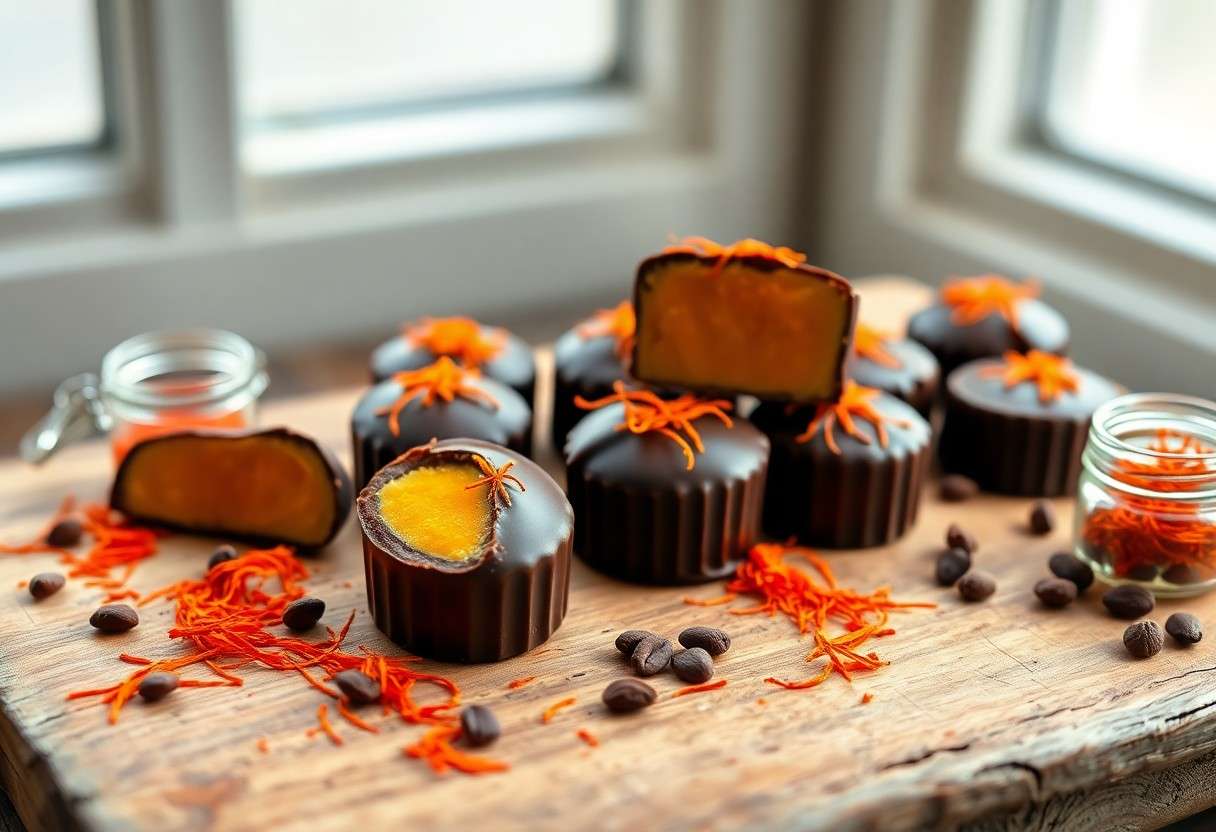
You will find which artisans pair single-origin saffron with chocolate, how to avoid adulterated or unsafe blends, and the tasting profiles that yield a luxurious, floral finish worth seeking.
The Mastery of Saffron Infusion
Artisans coax saffron into chocolate through layered infusions and careful timing, and you should prefer slow maceration and controlled heat to preserve floral notes while avoiding bitterness; low temperatures and patience keep the aroma intact.
Precision in portioning and tasting guides you to balance saffron’s potency against cocoa richness, so you adopt micro-dosing and iterative sampling to achieve a lingering, well-integrated finish.
Sourcing Premium Grade Saffron Threads
Provenance matters to you because ISO 3632 grade, vivid crimson stigmas, and a clear hay-like aroma indicate genuine saffron, while pale or dusty threads often signal adulteration.
Check supplier transparency, harvest season, and lot testing to avoid counterfeits, and store saffron airtight, away from light and moisture to preserve strength and color.
The Science of Flavor Extraction in Cocoa Butter
Heat controls release of saffron’s volatile terpenes into cocoa butter, so you keep infusion temperatures moderate-generally below 55°C-to prevent loss of aroma and oxidative bitterness.
Emulsification and pre-extraction in a small amount of warm cream or spirit help you distribute saffron evenly through ganaches and enrobes, while filtration prevents particulates from scorching during tempering.
Experimenting with cold fat infusion versus brief warm steeping lets you gauge intensity; too much saffron can turn chocolate bitter, so you scale doses carefully and taste repeatedly to find a delicate, persistent saffron note.
Leading European Artisan Confectioners
You encounter master chocolatiers across Europe who pair saffron with single-origin cacao, coaxing out intense floral warmth that lifts dark chocolate’s bitter backbone while rewarding careful tasting.
Boutiques often disclose saffron sourcing and infusion levels, so you should seek small-batch labels and clear notes; avoid pieces with potent saffron doses if you prefer subtler balance.
Traditional Swiss Dark Chocolate Pairings
Swiss dark chocolate at 70-85% cocoa provides a firm canvas where you can appreciate saffron’s honeyed top notes against structural bitterness. Pair it with simple nut or citrus accents to keep saffron expressive without overpowering the bean.
Contemporary French Ganache Innovations
French ganache artisans marry saffron with cream, butter, and acidic lifts, creating silky, aromatic centers that you can enjoy with contrasts like sea salt or candied citrus for a refined finish.
Experiment by tasting side-by-side variations so you can detect how ingredients such as yuzu, miso, or caramel shift saffron’s character and spot any overpowering sugar that masks delicate spice notes.
Notable North American Boutique Makers
You will find North American boutiques blending saffron and chocolate with an eye for provenance; you should favor makers that list origins and harvesting practices. Producers can vary in quality, so watch for adulterated saffron and choose brands that advertise ethically sourced saffron to protect flavor and safety.
West Coast Botanical Chocolate Specialists
Pacific artisans often pair saffron with citrus, sea salt, or native herbs so you experience layered aromas and bright floral notes. Tasting samples is advisable because excessive saffron can overwhelm delicate chocolate; you should start with small portions to judge balance.
Small-Batch Craftsmanship in the East
On the East Coast you’ll encounter chocolatiers who focus on hand-tempering, single-origin beans, and traceability; you can often confirm traceable saffron sources that contribute subtle, complex character. Many small-makers release seasonal batches that reward repeat tasting.
Seek makers that publish harvest dates and batch numbers so you can assess freshness; you will pay more for limited runs but gain distinct flavor profiles. Check packaging for allergen cross-contamination notes and dosing guidance, since saffron intensity varies between batches.
Essential Flavor Profiles and Pairings
Saffron’s aromatic warmth pairs best with restrained sweetness and gentle bitterness, so you should select accents that let saffron’s honeyed floral notes remain distinct. You will notice subtle citrus or warm spice lift the chocolate without competing with the threads.
Experimentation with cacao percentages and infusion times guides you toward balance; avoid overpowering saffron by steeping threads briefly and tasting as you go, keeping intensity tuned to the chocolate base.
Complementing Saffron with Pistachio and Honey
Pistachios bring creamy crunch and a fresh green hue that complements saffron’s amber character, and you should toast them lightly to release oils, while watching for pistachio allergies.
Try pairing crushed pistachio paste with a floral honey drizzle so honey heightens saffron’s warmth, and opt for mid-range cacao (55-70%) to support both nutty texture and spice.
The Synergy of Sea Salt and Floral Spices
Salt sharpens saffron’s perfume and lifts chocolate’s bitterness, so you should use a delicate flake like Maldon and apply a pinch of sea salt sparingly to avoid masking the spice.
Floral spices such as cardamom or rose petal can echo saffron’s aroma, but you must blend them cautiously to prevent clashes and avoid overpowering cardamom when aiming for subtlety.
Balance finishing touches by sprinkling flaky sea salt after tempering and testing tiny amounts of floral spice; excessive additions-especially too much salt-will drown saffron’s delicate profile, so keep quantities minimal.
Evaluating Quality and Authenticity
You should inspect saffron threads and aroma to judge authentic saffron, expecting delicate floral notes rather than overpowering color.
Inspect packaging for origin, batch numbers and certifications so you can spot producers who list saffron properly and avoid bars labeled with synthetic dyes.
Distinguishing Natural Saffron from Artificial Additives
Smell a brief infusion of threads; you will detect honeyed, hay-like tones in natural saffron while artificial additives often smell chemical.
Check ingredient lists for the Latin name Crocus sativus and provenance so you can reject blends that include synthetic colorants.
The Role of Cocoa Percentage in Aroma Balance
Cocoa percentage dictates how saffron’s floral top notes sit in chocolate, so you should prefer mid-range percentages where aroma balance remains clear.
Higher cocoa solids can mute those delicate perfumes, so you will find 55-70% bars often offer the best interplay between saffron and cocoa.
Experiment by tasting matched squares across percentages; you will notice saffron breathes in milkier darks but is overwhelmed in ultra-high cocoa bars.
To wrap up
The best saffron-infused chocolates from artisan confectioners offer nuanced floral aromatics and a silky mouthfeel that complements high-quality cacao, so you can appreciate terroir and spice interplay. You should assess saffron origin, concentration, bean-to-bar craftsmanship, and ethical sourcing when selecting a bar or truffle. You will find small-batch producers deliver cleaner saffron notes and thoughtful pairings that reward attentive tasting.


