Botanical Infusions – Lavender, Hibiscus, and More in Sweets
Infusions of botanical ingredients into sweets not only elevate the flavor but also introduce you to new sensory experiences. Imagine enhancing your desserts wi

This article contains Amazon affiliate links. As an Amazon Associate, CandiesAndSweets earns from qualifying purchases.
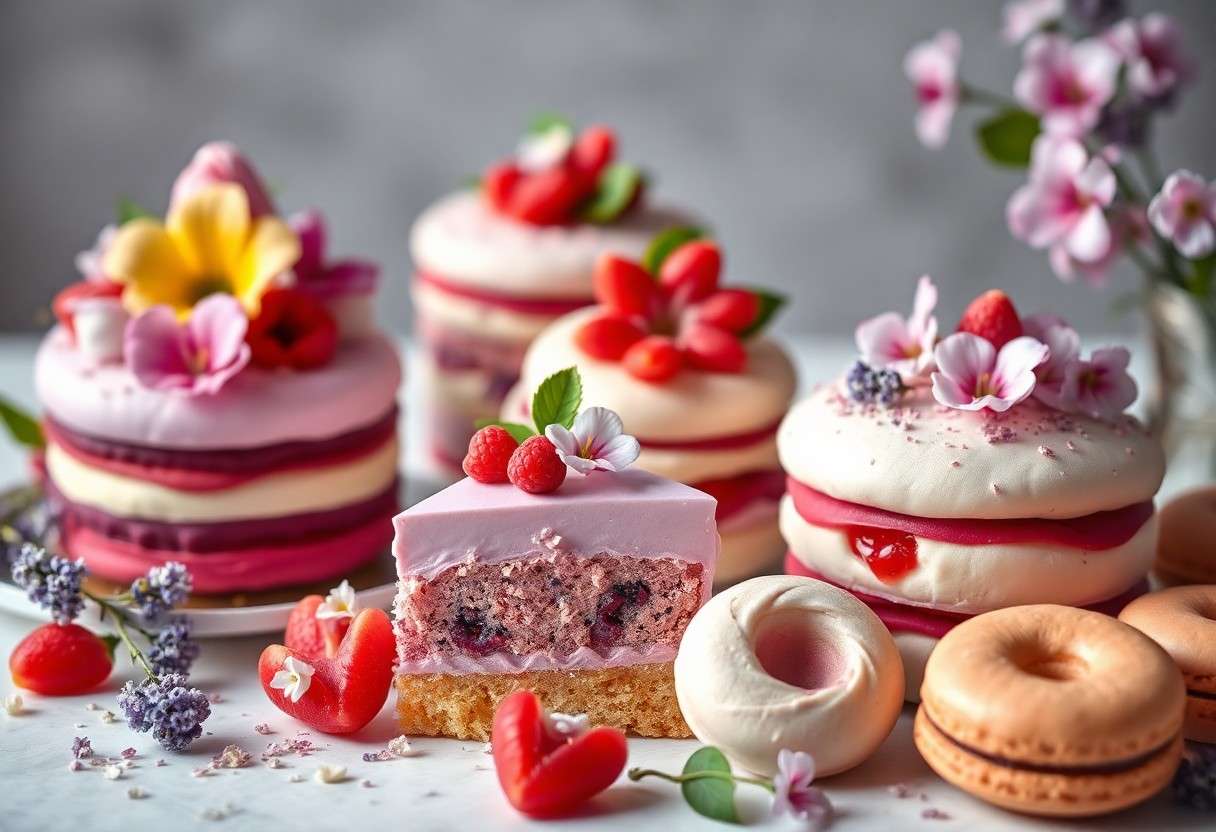
Infusions of botanical ingredients into sweets not only elevate the flavor but also introduce you to new sensory experiences. Imagine enhancing your desserts with fragrant lavender, tangy hibiscus, or aromatic rosemary, transforming the ordinary into the extraordinary. In this blog post, you will discover how these natural botanicals can add unique tastes and color to your favorite treats, creating captivating sweets that appeal to both your palate and your aesthetic senses.
The Art of Botanical Infusions
While you may be familiar with traditional flavors in desserts, botanical infusions open up a world of unique taste experiences that elevate your sweet creations. This art involves extracting flavors from various plants, utilizing flowers, herbs, and spices to infuse not just sweetness, but also complexity into your dishes. By understanding the subtlety and depth that botanical ingredients bring, you can transform everyday sweets into sophisticated culinary masterpieces that evoke the senses and tell a story on the palate.
Understanding Botanical Infusions
Besides the visual appeal of flowers and herbs, their aromatic properties play a significant role in flavoring sweets. When you infuse ingredients like lavender or hibiscus into syrups, creams, or batters, you’re not simply adding flavor; you’re crafting an entire experience. You can experiment with different combinations, layering flavors to discover hidden nuances and unexpected pairings, making the possibilities for your desserts endless.
Health Benefits of Botanical Ingredients
Below the surface of their delightful flavors lies a myriad of health benefits that botanical ingredients can offer. Many flowers and herbs are packed with vitamins, antioxidants, and anti-inflammatory properties that can boost your overall well-being. By incorporating these ingredients into your sweets, you emerge not only as a creator of delectable treats but also as someone who embraces holistic health choices.
To maximize these health benefits, consider selecting botanicals that align with your dietary goals. For instance, hibiscus is known to support heart health, while lavender may help with relaxation and stress relief. When you intentionally choose your botanical ingredients, you infuse your sweets with not only flavor but also thoughtful wellness, turning a simple indulgence into a multi-faceted experience that nourishes both body and soul.
Lavender in Sweets
There’s a unique charm to incorporating lavender into sweets, transforming your desserts into aromatic delights. This fragrant herb, known for its soothing properties, can add a distinct floral note that elevates traditional flavors. The flavor profile of lavender can be described as having hints of mint, rosemary, and sage, creating a complex taste experience that pairs beautifully with many ingredients. When using lavender in sweets, it’s important to keep moderation in mind. A little goes a long way, as its potent aroma can quickly overwhelm other flavors. You might find that it complements citrus fruits, honey, and even chocolate beautifully, offering a perfect balance to your culinary creations.
Flavor Profile and Culinary Uses
Sweets infused with lavender often evoke feelings of calm and serenity, making them perfect for teas, dessert tables, or even as favors at special occasions. In culinary uses, lavender shines in everything from shortbreads and cakes to ice creams and jellies. You can experiment by adding lavender essence to your buttercream frosting or steeping the buds in cream for custards and sauces. This versatility ensures that whether you are baking, candy-making, or crafting cocktails, lavender can make your confections stand out with its alluring essence.
Recipes Featuring Lavender
An array of delightful recipes can showcase lavender’s unique character in your sweets. For instance, consider whipping up a lavender-infused lemon cake, where the zesty citrus pairs harmoniously with the gentle floral notes. Another delightful option is lavender panna cotta, presenting a creamy dessert that highlights the aromatic flavors while remaining light and refreshing. You can also explore lavender sugar cookies, which create a delightful treat that’s perfect for gifting or enjoying during afternoon tea. Each recipe allows you to explore the different dimensions lavender can bring to your desserts.
Considering the growing interest in botanical flavors, incorporating lavender into your sweet creations not only invites uniqueness to your dishes but also kindles curiosity among your guests. Whether you’re crafting an elegant lavender crème brûlée or simply muddling lavender in a lemonade, the herb’s enchanting flavor can spark a sense of adventure in your baking routine. By focusing on balance and flavor pairing, you can create unforgettable treats that celebrate the beauty of lavender in sweets.
Hibiscus: The Tart Delight
You might be surprised to learn that hibiscus, often known for its vibrant red hue and refreshing tartness, is more than just a floral decoration in your garden. As a culinary ingredient, it packs a punch not only in flavor but also in nutritional benefits that can enhance your desserts and overall health. Rich in vitamin C, hibiscus can support your immune system, while its antioxidant properties help combat oxidative stress in your body. This tropical flower is also known to assist in digestion and may even help balance blood pressure levels, making it an excellent choice for your next sweet creation.
Nutritional Benefits
Delight in the knowledge that incorporating hibiscus into your sweet treats can have a positive impact on your well-being. Packed with polyphenols and flavonoids, hibiscus contributes to reducing inflammation and can improve heart health. Its natural tartness can also reduce the need for additional sugars, making your desserts a little healthier and more balanced without compromising on flavor.
Creative Uses in Desserts
Between cakes, jams, and sorbets, hibiscus offers an array of creative uses in desserts that can elevate your sweet recipes. You can create delectable hibiscus-infused syrups to drizzle over pancakes or mix with whipped cream for a floral twist. Moreover, drying hibiscus petals and grinding them down allows you to easily incorporate this flower into baked goods, adding a unique tartness that pairs beautifully with sweet flavors.
Considering hibiscus for your dessert repertoire opens up not just a new flavor profile but also an opportunity to impress your friends and family with innovative concoctions. Imagine hibiscus gelato with a hint of lime, or a layered hibiscus cake featuring cream cheese frosting. The combination of tart and sweet not only tantalizes the taste buds but also showcases your culinary creativity, ensuring each bite is a delightful experience. So why not explore the captivating world of hibiscus in your next baking adventure?
Other Botanical Ingredients
Your exploration of botanical infusions in sweets doesn’t have to stop at lavender and hibiscus. Many other flowers and herbs can elevate your culinary creations. For instance, rose adds an enchanting aroma and flavor profile that can transform everything from cakes to candies. Its sweet and delicate notes pair beautifully with dark chocolate or vanilla bases, making it perfect for confections aimed at adding a touch of elegance. Meanwhile, chamomile, known for its calming properties, can lend a subtle floral hint to desserts, providing a comforting finish to any meal.
Rose, Chamomile, and More
Below the surface of popular botanical ingredients, other choices like elderflower, jasmine, and lemon verbena are also fantastic for infusing sweetness into your treats. Elderflower’s light, fruity flavor complements fruity desserts beautifully, while jasmine’s aroma can add an exotic twist to rice puddings or custards. Lemon verbena, with its zestiness, works wonders in citrus-infused desserts, enhancing both the taste and aroma. As you experiment with these botanicals, you’ll find that they can create unique and memorable flavor profiles, enriching your dessert offerings.
Pairing Botanicals with Sweets
Along your journey through the world of botanical ingredients, consider how they interact with the sweets you’re crafting. Successful pairings often highlight contrasting flavors and textures, leading to a more complex and satisfying taste experience. For example, the brightness of bergamot can uplift rich chocolate desserts, while the herbal notes of thyme can beautifully complement honey or caramel. When combining these botanicals, think about both the flavor and the visual aspect, as many of these ingredients are not only tasty but visually appealing as well.
And as you refine your palate, don’t hesitate to experiment with different proportions and combinations. You’ll discover that a hint of rosemary can bring out the nuttiness in a cookie recipe, or a dash of mint can refresh the decadent layers of a cake. Personalizing your sweets with botanical infusions allows you to create signature desserts that reflect your unique style and taste. The art of pairing these ingredients lies in testing and tasting, so let your creativity flow and delight in the sweet results!
Techniques for Crafting Infusions
Despite the simplicity often associated with infusions, mastering the various techniques can significantly enhance your culinary creations. When you explore into the world of botanical infusions, understanding how to extract flavors effectively is vital. Techniques such as steeping, cold brewing, and simmering all offer unique methods for coaxing the essence of herbs and flowers into your sweets. Each method varies in terms of extraction time and temperature, so knowing the appropriate approach for your chosen botanicals will lead to the best results in your infused confections.
Methods for Infusing Flavors
Against conventional practices where you might assume all flavors are best extracted through heat, you should explore the diverse methods for infusing herbs and flowers in your sweets. For instance, steeping dried flowers like hibiscus in hot water can yield vibrant colors and potent flavors. Alternatively, cold brewing lavender in sugar syrup will extract delicate notes without the risk of bitterness that can often accompany heat extraction. Experimenting with both heat and tempo will expand your arsenal for flavor infusion.
Tips for Successful Infusions
Before you begin on your infusion journey, it’s helpful to consider a few best practices that can enhance your outcomes. Start with high-quality botanicals, as the flavor and aroma of your final product will reflect the quality of your ingredients. Additionally, pay attention to steeping times; too short and you might not extract enough flavor, while too long can lead to overpowering, undesirable notes. Here are some more tips to ensure success:
- Use clean, dry equipment to avoid contamination.
- Strain your infusions thoroughly to eliminate particles.
- Store your infusions in airtight containers in a cool, dark place.
After these considerations, it’s crucial to taste and adjust your infusion as it develops to achieve your desired balance.
Indeed, achieving the perfect infusion requires a careful blend of technique and intuition. Experimenting with different botanicals and extraction methods allows you to unlock unique flavors that can elevate your sweets. A few additional tips to consider include:
- Combine multiple botanicals for complex flavor profiles.
- Adjust sugar levels in relation to the strength of the infusion.
- Use fresh ingredients when possible for brighter flavors.
After experimenting with these suggestions, you’ll find yourself crafting delightful infusions that will impress anyone fortunate enough to sample your creations.
Tips for Enjoying Botanical Sweets
Keep your taste buds engaged by exploring various ways to enhance your experience of botanical sweets. Each infusion you try can offer a unique flavor profile, which can be celebrated through thoughtful consumption. Here are a few tips to elevate your enjoyment:
- Pair with complementary flavors such as floral teas or fresh fruits.
- Serve at different temperatures, ranging from chilled desserts to warm pastries.
- Incorporate texture variations, combining smooth and crunchy elements.
- Garnish with fresh herbs or edible flowers for a visual and aromatic boost.
After experimenting with these suggestions, you will find a new appreciation for the delightful nuances that botanical ingredients bring to your sweets.
Presentation and Serving Suggestions
Between the striking appearance of botanical-infused sweets and their delicate flavors, presentation plays a significant role in enhancing your experience. Consider using elegant serving dishes that highlight the colors of your creations. You can also mix and match various serving styles; for instance, pair jars of lavender-infused macaroons with a dainty platter of hibiscus cupcakes. This not only adds visual interest but also reinforces the distinct qualities of each sweet.
Additionally, you can play with garnishing techniques to elevate your sweet treats. Use fresh lavender sprigs, edible flowers, or citrus peels to serve alongside your infused creations, creating a multi-sensory experience that will delight both the eyes and the palate.
Combining Flavors for Unique Experiences
Beside enhancing the presentation, combining various botanical flavors can lead to unique and memorable experiences. You can create an intricate flavor tapestry by thoughtfully pairing different botanical elements. For instance, combining hibiscus and lavender can yield a refreshing tartness balanced by the subtle floral notes, perfect for creating vibrant ice creams or sorbets.
For instance, if you want to take your love for sweets to the next level, consider mixing unexpected botanicals, such as rosemary with a hint of cardamom or chamomile with honey. The sweet notes of cardamom can amplify the herbal qualities of rosemary, while the warmth of honey can blend seamlessly with chamomile’s gentle character. By playing with these combinations, you may discover delightful flavor profiles that surprise and satisfy your palate.
To Wrap Up
The exploration of botanical infusions, particularly lavender, hibiscus, and more, opens a world of flavor and aroma that can elevate your sweets to new heights. By incorporating these unique botanicals into your culinary creations, you can enhance not only the visual appeal but also the taste and nutritional profile of your desserts. Lavender brings a soothing essence, while hibiscus adds a vibrant color and tangy twist, each offering health benefits ranging from stress relief to antioxidant properties.
Your journey into botanical-infused sweets can be both delightful and rewarding. As you experiment with these natural ingredients, you’ll unlock a broader palette of flavors that reflects your unique style and creativity. Whether you’re baking for special occasions or simply treating yourself, infusing your desserts with botanicals can provide a memorable experience that delights all the senses. Embrace this trend to set your treats apart and offer something genuinely extraordinary.