Why Caramel Apples Lose Their Shape and How to Fix Them
Discover the secret to making caramel apples that hold their shape and learn how to fix the common problem of soft, misshapen caramel treats.

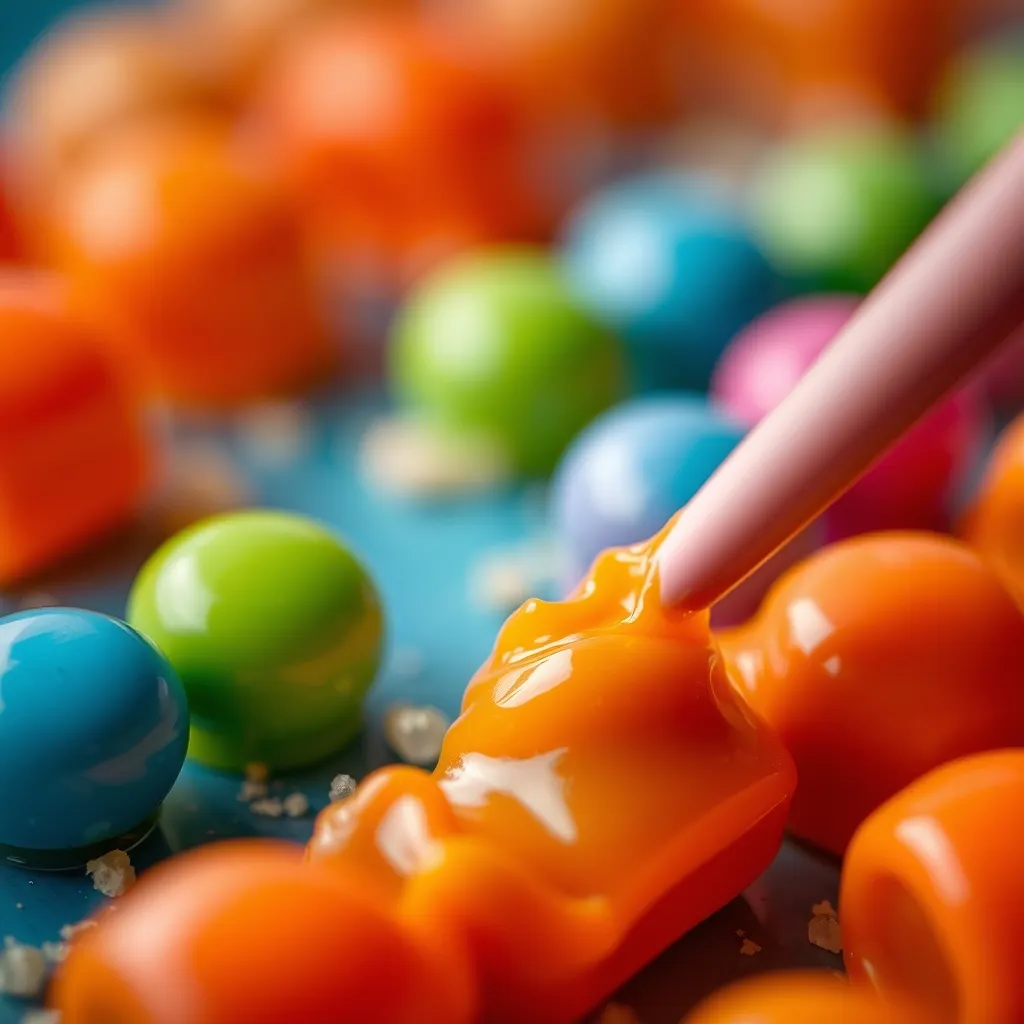 Save
Save
Caramel apples and candies are a classic treat that can be frustrating to make, especially when they don't turn out as expected. There's nothing more disappointing than watching your beautifully crafted caramel creations turn into soft, shapeless blobs. Whether you're a seasoned candy maker or a beginner, achieving the perfect caramel texture can be a challenge.
Caramel making is an art that requires precision and patience. It's easy to get caught up in the excitement of creating something sweet and delicious, but the truth is, caramel can be finicky. From temperature to timing, there are many factors that can affect the final texture and shape of your caramel treats.
If you've ever found yourself wondering why your caramel apples or candies are too soft and won't hold their shape, you're not alone. This common problem can be solved with a few simple adjustments to your technique. By understanding the science behind caramel making and making a few key changes, you can create beautiful, firm caramel treats that will impress anyone.
For news on the business, brands and politics shaping the candy industry, see our sister publication NewsAnarchist.
The Problem
Caramel apples or caramel candy turns out too soft and won't hold its shape.
Why It Happens
The caramel wasn't cooked to a high enough temperature (firm-ball stage, roughly 245-250F), so it lacks the sugar concentration to firm up at room temperature.
The Fix
Cook to a confirmed firm-ball stage on a candy thermometer rather than judging by color or time alone.