Complete Guide to Carbon Neutral Confectionery Production
Just use this guide so you can cut scope 1-3 carbon emissions, avoid regulatory penalties, switch to renewable energy, redesign packaging, and improve margins w

This article contains Amazon affiliate links. As an Amazon Associate, CandiesAndSweets earns from qualifying purchases.
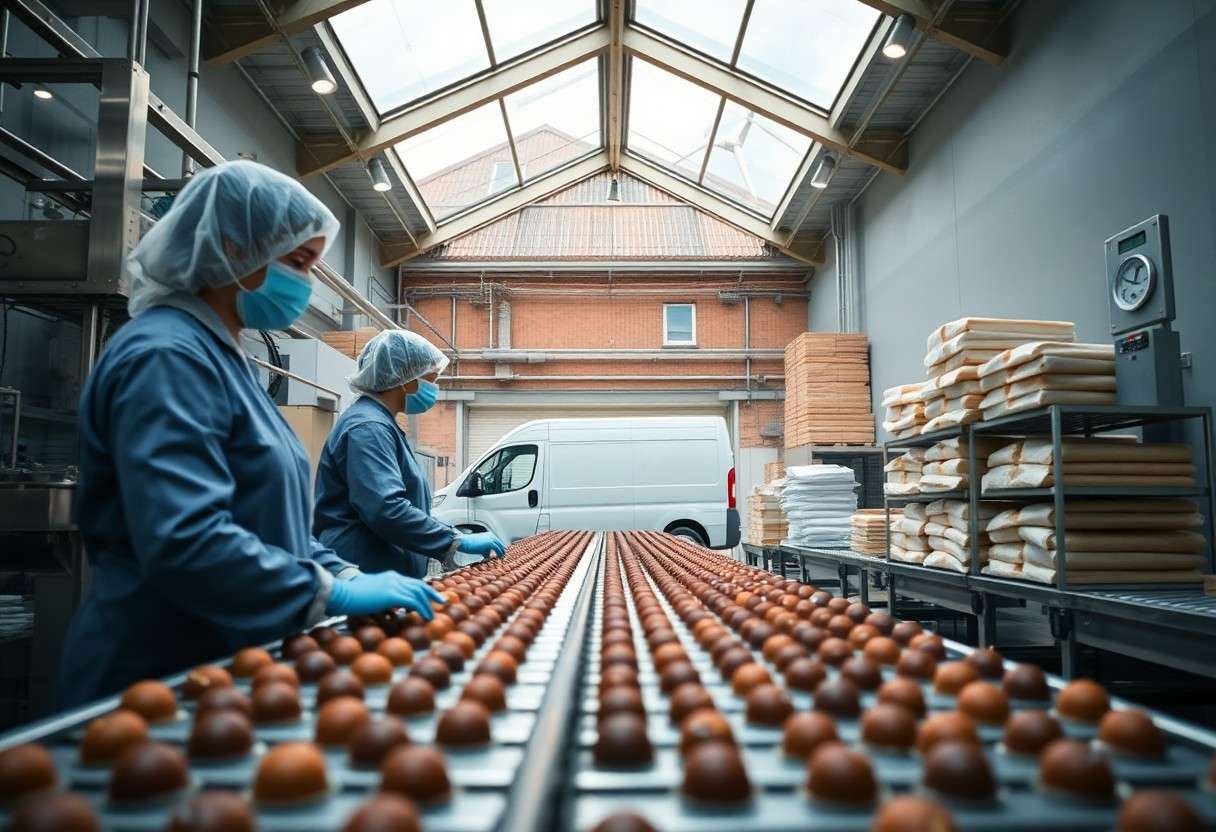
Just use this guide so you can cut scope 1-3 carbon emissions, avoid regulatory penalties, switch to renewable energy, redesign packaging, and improve margins while building a safer, low-carbon confectionery business.
Critical Factors Impacting Carbon Emissions in Confectionery
You must map ingredient origins, processing energy, packaging choices and waste streams to spot emission hotspots and prioritize interventions; lifecycle data often shows transportation, raw ingredient sourcing and thermal energy as dominant contributors.
- Supply chain
- Packaging
- Thermal energy
- Ingredients
- Waste
Emissions intensity varies by product and scale, so you should combine supplier disclosures with on-site audits to target reductions. Assume that focusing on high-impact ingredients and energy-intensive processes delivers the fastest carbon wins.
Supply Chain Logistics and Raw Material Extraction
Raw material extraction and long-haul logistics lock in upstream emissions you will inherit; deforestation for cocoa or palm and high fertilizer-related N2O from sugar and dairy are especially damaging, so you should prioritize certified sourcing and local suppliers to cut embodied carbon.
Thermal Energy Demand in Industrial Processing
Industrial heating steps like roasting, conching and drying drive your onsite footprint when fueled by natural gas or inefficient boilers, so you should audit process heat, consider electrification and evaluate cogeneration for lower carbon intensity.
Heat recovery, optimized scheduling and higher-efficiency boilers offer practical gains you can measure in kWh or MJ per tonne; prioritize investments in heat recovery, boiler upgrades and process optimization to reduce fuel use and emissions.
Types of Sustainable Ingredients and Green Packaging
Sourcing priorities should include sustainable ingredients like fair-trade cocoa and upcycled fruit, so you cut scope 3 emissions and avoid suppliers tied to deforestation or child labor.
Packaging choices must favor green packaging-mono-polymer recyclable films, certified compostables, and clear disposal labels-to reduce contamination and marine-plastic risk while keeping shelf-life adequate.
- Upcycled fruit pulps – waste-to-ingredient
- Organic sweeteners – lower inputs
- Fairtrade cocoa – traceability
- Compostable cellulose films – end-of-life option
| Upcycled pulp | Reduces food waste and embodied emissions |
| Organic stevia | Lower agricultural GHGs than sugar |
| Fairtrade cocoa | Improves traceability and social outcomes |
| Mono-polymer films | Enables recyclability and simplifies sorting |
| Fiber-based wraps | Compostable with industrial facilities |
Alternative Sweeteners and Responsibly Sourced Cocoa
Sweeteners such as stevia, erythritol, and upcycled fruit reduce calories and lifecycle emissions, and you should validate functionality for texture and flavor while insisting on responsibly sourced cocoa to prevent social harm.
Low-Carbon Materials for Protective Wrapping
Materials like recycled paperboard, paper-laminates with water-based adhesives, and high recycled content films cut embodied carbon; you must compare LCA results to avoid hidden trade-offs.
Barrier formulations that are water-based or bio-based can maintain shelf-life while enabling composting or recycling, so you balance oxygen and moisture protection to prevent increased food waste.
Thou should require third-party certification and run real-world shelf-life trials to confirm protective performance without adding hidden emissions.
Pros and Cons of Decarbonizing the Production Line
Decarbonizing the production line offers operational gains and reputational benefits; you can reduce energy use, cut emissions, and align with buyer expectations. Expect lower scope 1 and 2 emissions alongside easier regulatory compliance when systems are optimized.
Changes also bring trade-offs: you face upfront investment, potential downtime, and added process complexity during upgrades. You should plan for short-term disruption and staged implementation to protect output.
Pros and Cons
| Pros | Cons |
|---|---|
| Market differentiation and increased consumer trust | High capital expenditure for low-carbon equipment |
| Lower operational energy costs over time | Complex retrofits can interrupt production schedules |
| Reduced regulatory and carbon risk | Certification processes add administrative overhead |
| Less waste and improved material efficiency | Supply chain adjustments may be required for low-carbon inputs |
| Stronger appeal to sustainability-focused buyers | Staff training and new competencies needed |
| Potential long-term return on investment | Short-term production losses during installation |
Long-Term Cost Savings and Brand Loyalty
Strategic shifts to efficient boilers, smarter scheduling, and waste reduction cut operating costs, so you recover investments over years; customers often reward visible action with repeat purchases and price tolerance. Highlighting measurable savings in communications strengthens loyalty and margins.
Infrastructure Transition Costs and Certification Rigor
Upgrades to refrigeration, ovens, and packaging lines demand capital and careful phasing; you must budget for equipment, installation, and potential short-term output loss while maintaining supply commitments. Mitigate risk by staging projects and protecting critical runs.
Certification requires detailed emissions tracking, third-party audits, and ongoing reporting; you will incur administrative fees and must sustain documentation to claim carbon-neutral status, so allocate resources for monitoring and verification.
Step-by-Step Strategy for Achieving Net-Zero Status
You should map emissions by process and product, prioritising sources with the largest CO2e; focus on scope 1 and scope 2 emissions and high-emission processes like energy-intensive cooking and refrigeration.
Plan actions in phases: quick wins on efficiency, mid-term fuel switching and long-term capital projects and offsets; you assign owners, budgets and KPIs to ensure steady progress and accountability.
Step-by-Step Strategy for Achieving Net-Zero Status
| Step | Action |
|---|---|
| Assess | Compile CO2e by process and product |
| Target | Set short-, mid-, long-term goals with KPIs |
| Reduce | Improve efficiency, refrigerant management, insulation |
| Switch | Adopt low-carbon fuels and renewables |
| Recover | Implement waste-to-energy and anaerobic digestion |
| Offset | Use high-quality offsets only after reduction |
| Monitor | Continuous tracking, reporting, and verification |
Assessment of Current Carbon Footprint Metrics
Measure baseline using utility data, emissions factors and production records to calculate CO2e per tonne; you capture scope 1, scope 2 and estimate scope 3 inputs for procurement and distribution.
Track monthly trends and benchmark against industry peers; you flag persistent refrigerant leaks and high fuel consumption as immediate operational risks that inflate emissions and costs.
Integration of Renewable Power and Waste Recovery
Shift supply toward renewables by combining grid green tariffs with onsite solar and PPAs; you reduce reliance on fuel combustion and lower exposure to volatile energy prices.
Install heat recovery systems, waste-heat boilers and battery storage to stabilize output; you integrate anaerobic digestion for organic waste to produce biogas for boilers or CHP units.
Maximise value by selling excess renewable power, using biogas for on-site CHP and enforcing strict controls to prevent methane slip and refrigerant emissions; you set monitoring thresholds and emergency response plans to manage regulatory and safety hazards.
Professional Tips for Sustaining Eco-Friendly Operations
Optimize your production schedule so you run high-energy processes when the grid is greener, audit suppliers for carbon neutral ingredients, and standardize recipes to shrink waste in your confectionery line.
Implement continuous monitoring with real-time dashboards so you can track emissions, set measurable targets tied to procurement and packaging, and use audits to lower risk while unlocking cost savings.
- Track energy and waste in real time
- Switch to renewable or offset suppliers
- Optimize batch sizes and reduce overproduction
- Invest in efficient refrigeration and insulation
Streamlining Distribution and Inventory Management
Consolidate your shipments, optimize your delivery routes, and implement demand forecasting so you reduce miles traveled and spoilage in cold-chain distribution.
Schedule smaller, more frequent deliveries so you match retailer demand, use cross-docking to cut storage time, and adopt inventory software for tighter inventory management and lower emissions.
Engaging Stakeholders in Carbon Reduction Initiatives
Engage your suppliers, staff, and retailers with clear targets, shared data, training, and incentives so you scale carbon reduction across the value chain and strengthen ties with key stakeholders.
The most effective programs combine supplier workshops, joint capital investments in efficient equipment, transparent reporting, and supplier scorecards tied to purchasing to help you drive measurable reductions.
To wrap up
With this in mind you should implement the guide’s steps to reduce emissions, optimize sourcing, and measure offsets to achieve carbon-neutral confectionery production. You will prioritize efficient energy use, low-carbon ingredients, waste reduction, and verified carbon credits while tracking progress with transparent reporting. Consistent review and continuous improvement keep operations aligned with targets and customer expectations.


