Complete Guide to Dairy-Free Confectionery Alternatives
There's a growing demand for dairy-free options in the confectionery world, as more people choose to avoid dairy for health, ethical, or dietary reasons. In thi

This article contains Amazon affiliate links. As an Amazon Associate, CandiesAndSweets earns from qualifying purchases.
Part of our Vegan & Plant-Based Chocolate & Candy guide.
There’s a growing demand for dairy-free options in the confectionery world, as more people choose to avoid dairy for health, ethical, or dietary reasons. In this guide, you’ll discover a variety of safe and delicious substitutes that can satisfy your sweet tooth without compromising on taste. Learn how to navigate the diverse range of ingredients available, explore popular recipes, and uncover tips for finding safe treats that align with your lifestyle. This is your resource for embracing a rich world of dairy-free confectionery alternatives.
Understanding Dairy-Free Confectionery Alternatives
Types of Dairy-Free Ingredients
Dairy-free confectionery alternatives utilize a variety of substitute ingredients to replicate the texture and flavor that traditional dairy products offer. Common substitutes include plant-based milks, such as almond, soy, and oat milk, which provide creaminess and moisture in products ranging from chocolates to caramels. Coconut cream is another popular option, delivering a rich and decadent mouthfeel that enhances the overall taste experience. These alternatives allow confectioners to create rich desserts without relying on animal-derived ingredients.
Sweeteners play a significant role as well. Maple syrup, agave nectar, and coconut sugar are frequently used to provide sweetness without the lactose found in traditional dairy. Each sweetener has unique flavor profiles and health benefits, making them versatile choices depending on the desired end product. Additionally, you can find vegan butters crafted from oils and nuts, offering a dairy-like taste and texture suitable for baking applications.
Your choices in dairy alternatives extend to thickeners and emulsifiers, vital for maintaining consistency and texture in chocolate and candy. Agar-agar, derived from seaweed, and pectin, sourced from fruits, are commonly used to achieve the right firmness in gelatin-based candies while remaining completely free of animal products. Pea protein is also gaining traction as an effective emulsifier and protein booster in many dairy-free confections. Perceiving the vast array of options allows you to tailor your recipes to suit specific dietary needs while maintaining indulgent flavors.
| Ingredient Type | Examples |
| Plant-Based Milks | Almond, Soy, Oat |
| Cream Alternatives | Coconut Cream, Cashew Cream |
| Sweeteners | Maple Syrup, Agave Nectar, Coconut Sugar |
| Thickeners/Emulsifiers | Agar-Agar, Pectin, Pea Protein |
| Vegan Butters | Oil Blends, Nut Butters |
Popular Dairy-Free Confections
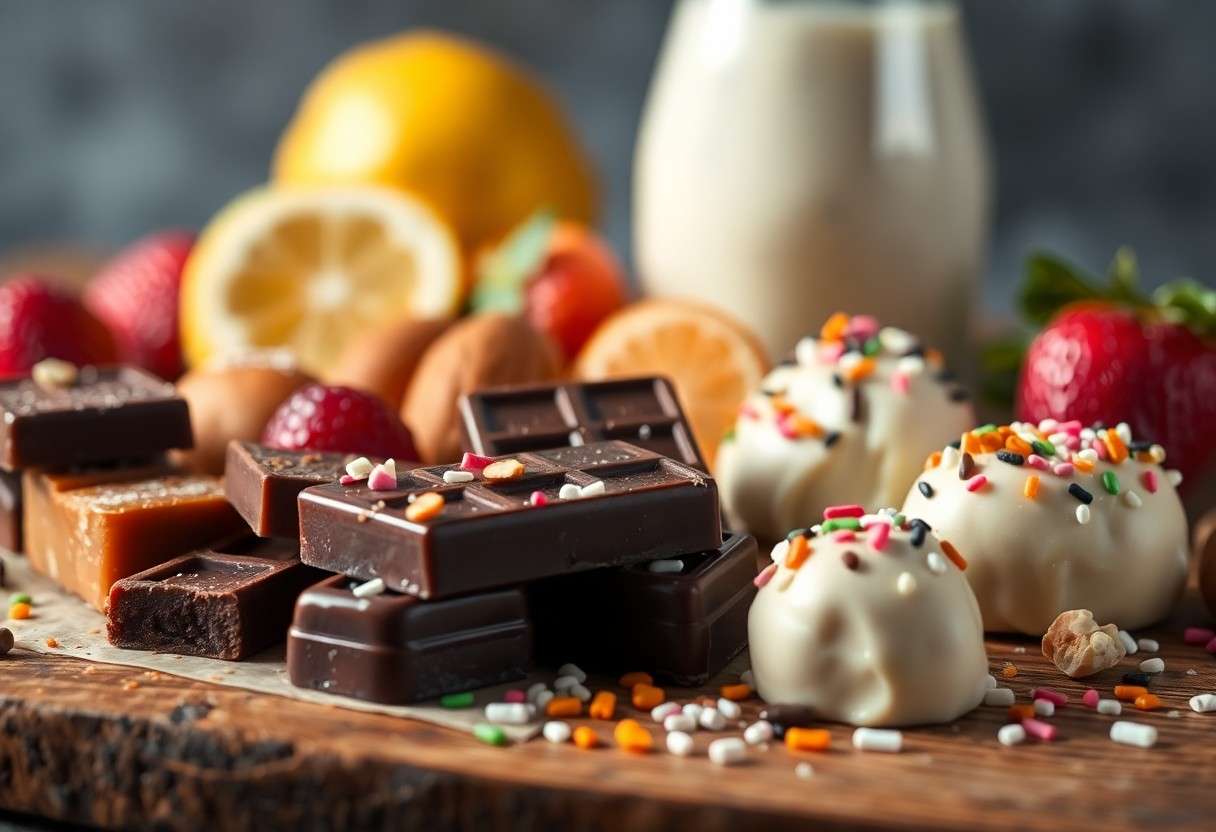
A wide variety of dairy-free confections have gained popularity, responding to the increasing demand for tasty yet allergen-friendly sweets. Dark chocolate is among the mainstays in this realm, often free of milk and available in various flavors. Brands such as Enjoy Life and Hu Chocolate cater specifically to those avoiding dairy, offering rich cocoa options enhanced with natural flavors. Other beloved treats include ganaches and truffles made with coconut or almond milk, which provide a luxurious experience without any dairy contents.
. Similarly, vegan gummies and jellies are making waves; these candies are often flavored with real fruit juices and achieve their chewy texture using pectin instead of gelatin, allowing for delightful snacking that appeals to both children and adults. If you’re in search of something cookies or brownies, you can find recipes that utilize nut butters and dairy alternatives while delivering a satisfying, indulgent flavor. Accessibility to dairy-free options has become so widespread that many food chains are now adapting their menus to include these choices.
Your journey into dairy-free confections may lead you to explore innovative recipes combining various dairy alternatives creatively. Experiment with making your own chocolates using raw cacao and your choice of sweeteners to achieve the perfect treat tailored to your taste buds. As more confectioners expand their offerings, the explosion of flavors and textures available in dairy-free products continues to grow, remarkably enhancing your indulgent experience.
Tips for Creating Dairy-Free Confectionery
- Choose high-quality milk alternatives.
- Use plant-based fats for creaminess.
- Incorporate natural sweeteners.
- Experiment with textural ingredients.
- Enhance flavor profiles with spices and extracts.
Selecting Quality Ingredients
Focusing on the quality of ingredients lays the groundwork for successful dairy-free confectionery. Select almond, coconut, or oat milk that is unsweetened and fortified with vitamins to promote better nutrition profiles. High-quality cocoa powder or cacao is non-negotiable; opt for organic or fair trade options that add depth and richness to your confections. When possible, choose whole food ingredients over processed additives, as they contribute not only to flavor but also to the health benefits of your products.
The role of sweeteners in dairy-free confections cannot be overstated. You might want to consider natural sweeteners like maple syrup, agave nectar, or date sugar that complement your base. They are not only less refined than traditional sugars, but they also add unique flavor notes. Experiment with the proportions; you may find that a combination of different sweeteners creates a more complex taste profile that balances sweetness without being overwhelming.
Texture is another factor that benefits from selecting the right ingredients. For instance, using creamy nut butters or avocado can replicate a milk-like mouthfeel, while factors like chia seeds or flaxseeds can provide binding qualities that mimic dairy. Incorporate these components thoughtfully to elevate your creation’s overall quality and allow your confectionery to stand out in a saturated market.
Flavor Enhancement Techniques
In search of depth in your dairy-free confections, consider utilizing flavor enhancement techniques. Vanilla extract serves as a classic flavor booster that brings warmth to chocolate or cream-based recipes. To offer an exciting twist, spices like cinnamon, nutmeg, or cardamom can add complexity, pairing beautifully with chocolate or caramel bases. Citrus zest, particularly from lemons or oranges, introduces a bright pop that can cut through the richness of your ingredients, ensuring a well-rounded flavor experience.
You can also research into the world of flavor infusions. Incorporating herbs such as fresh mint or basil into your saddled cream alternatives imparts an unexpected flair that can transform a standard confection into something extraordinary. Infusing plant-based milks with botanical flavors prior to cooking enhances your product, allowing you to create original flavors like lavender-infused chocolate truffles or rosemary caramel chocolates, enticing consumers and providing a sophisticated touch.
Recognizing the importance of bitter and salty notes can enhance the overall flavor profile. A hint of sea salt can balance the sweetness of chocolate confections, while a touch of espresso can deepen the richness. Tasting throughout the process will guide you to the precise balance necessary for making your dairy-free treats irresistible.
Texture Optimization Strategies
A key aspect of successful dairy-free confectionery is mastering texture optimization strategies. The absence of dairy means you must thoughtfully replicate creaminess and mouthfeel. Utilizing ingredients such as full-fat coconut cream can help achieve that luscious texture found in traditional recipes. In baked goods, incorporating moisture-retaining elements like applesauce or silken tofu can ensure your final products do not come off as dry or crumbly.
Additionally, using stabilizers like agar-agar or pectin can provide desirable firmness in products like jelly candies or marshmallows. Experimenting with the thickness and composition of these stabilizers can yield different textures, allowing you ample room for customization in your confections. Balancing these with other textural components like crunchy nuts or crispy rice can create a delightful contrast that enhances the eating experience.
Another technique to consider is the use of aquafaba, the liquid from canned chickpeas, which can be whipped into a fluffy texture. This ingredient can help achieve airy confections such as mousses or foams that would typically require eggs or cream. Such innovations not only diversify your offerings but also position your brand as one that embraces creativity in dairy-free options.
Step-by-Step Recipes for Dairy-Free Confectionery
| Dairy-Free Chocolate Bark | Vegan Caramels |
| Coconut Milk Fudge | Almond Joy Bites |
Dairy-Free Chocolate Bark
Dairy-free chocolate bark provides a simple yet satisfying treat that caters to your sweet tooth while remaining free from dairy products. Start with high-quality dairy-free dark chocolate, which sets the foundation for your bark. Melt the chocolate in a microwave or a double boiler, stirring frequently to ensure it doesn’t burn. Carefully pour the melted chocolate onto a parchment-lined baking sheet, spreading it evenly with a spatula. Top it with your choice of toppings like nuts, dried fruits, or coconut chips for added texture and flavor.
This versatile recipe can easily be customized to suit your preferences. Experiment with flavor additions like a sprinkle of sea salt, a dash of cinnamon, or even a drizzle of nut butter over the top. Each variation gives you a unique spin on a classic treat, allowing you to explore new combinations and find your personal favorite.
Vegan Caramels
Creating vegan caramels means harnessing the natural sweetness of dates or maple syrup, combined with the richness of full-fat coconut milk. Begin by blending your chosen sweetener with the coconut milk in a saucepan over medium heat. As the mixture begins to simmer, add in vanilla extract and a pinch of salt. Stir continuously until the mixture thickens and turns a beautiful golden color, which takes about 10-15 minutes.
These delectable vegan caramels are not only easy to make, but they are also packed with natural goodness. The use of wholesome ingredients provides a guilt-free indulgence, whether enjoyed on their own or incorporated into other desserts. They can be transformed into a salted caramel sauce or used as a filling in chocolates for a rich and creamy experience.
Vegan caramels lend themselves beautifully to customization. You may opt to add flavors like almond extract or cocoa powder for a more decadent treat. Additionally, incorporating nuts or seeds can add texture while enhancing the overall flavors of your caramels.
Coconut Milk Fudge
Coconut milk fudge is a rich, creamy treat that perfectly mimics traditional fudge without dairy. To start your creation, combine coconut milk, coconut oil, and a sweetener such as maple syrup or agave syrup in a saucepan. Bring this mixture to a gentle boil while stirring until the ingredients are well combined. Allow it to simmer for an additional 15-20 minutes. You’ll need to be patient and attentive during this time to achieve that fudge-like consistency.
This fudge provides an excellent base to explore different flavor profiles. By varying the add-ins or experimenting with chocolate or spices, you can create a range of unique flavors. The result is a smooth, melt-in-your-mouth confection that satisfies without feeling heavy, making it a favorite for those looking to enjoy a dairy-free lifestyle.
Coconut milk fudge is versatile and not only makes a fantastic standalone treat but can also be used as a filling or topping for other desserts. This adaptability enhances its appeal, as it can complement various recipes, from cakes to cookies.
Almond Joy Bites
Almond Joy Bites are a delightful twist on the classic candy bar, combining chocolate, coconut, and almonds in a compact, bite-sized form. Start by creating a coconut mixture using unsweetened shredded coconut, almond flour, and a bit of maple syrup for sweetness. Mix until it forms a dough-like consistency. Shape the mixture into small rounds and press a whole almond into the center of each ball, ensuring that it is secure.
Factors to Consider When Choosing Dairy-Free Alternatives
- Nutritional Aspects
- Allergen Considerations
- Environmental Impact
Nutritional Aspects
Non-dairy alternatives vary significantly in nutritional value, so scrutinizing labels becomes imperative for making informed choices. Many plant-based milks, like almond and cashew, may lack protein in comparison to cow’s milk, which typically contains about 8 grams per cup. Opting for fortified varieties can help bridge this nutritional gap. For instance, some soy and oat milks contain added calcium, vitamin D, and B12, providing a more comparable profile to dairy.
Fat content also differs among dairy-free options. Coconut milk and certain nut-based products can have higher fat levels, sometimes translating to greater caloric content. You might prefer lower-fat versions of almond or soy milk if you’re monitoring your calorie intake. Understanding these variances allows you to select alternatives that align with your dietary goals without sacrificing taste.
Finally, added sugars are a common feature in many flavored dairy-free products. An indulgent chocolate almond milk may be tempting but could contain as much as 20 grams of sugar per serving. Always check the ingredients list for any hidden sugars or additives to ensure that your choice maintains a healthy profile without unexpected surprises.
Allergen Considerations
Allergic reactions to dairy are common, yet many dairy-free alternatives may introduce new challenges. Soy, for instance, is a prevalent substitute that can trigger allergies in some individuals. If you or anyone in your family suffers from allergies, looking for alternatives not only free from dairy but also from soy and other common allergens becomes imperative. Products labeled as “free from top allergens” are often formulated to avoid cross-contamination and incorporate ingredients safe for your dietary needs.
In addition to soy, nuts are prevalent in many plant-based products like almond milk or cashew cream, which poses a concern for those with nut allergies. Always take the time to read labels carefully, and don’t hesitate to reach out to manufacturers for clarification on their ingredient sources. This diligence ensures you select safe alternatives that cater to your dietary restrictions.
Knowing the potential for cross-contamination is also critical. Even products that are predominantly dairy-free could be processed in facilities that handle dairy products. Researching brands that prioritize allergen control can greatly reduce your risk of adverse reactions.
Environmental Impact
The environmental implications of dairy farming versus plant-based alternatives reveal significant distinctions. Dairy production is known for its high resource consumption, including water and land, while also contributing to greenhouse gas emissions. For instance, it takes approximately 1,000 gallons of water to produce just a gallon of cow’s milk, highlighting the environmental strain associated with traditional dairy farming.
On the other hand, many plant-based alternatives are less resource-intensive. Almond milk, for example, requires less water than cow’s milk, although it still raised questions regarding sustainability due to the high water needs for almond cultivation. Considering options like oat milk, which demands significantly less water for production, can be beneficial both environmentally and nutritionally.
You’ve got the opportunity to support brands that adopt sustainable practices. Many dairy-free producers are increasingly focused on eco-friendly sourcing, providing not only alternative options but also more sustainable choices for environmentally-conscious consumers. The more you know, the better equipped you are to make choices that reflect your values.
Understanding the environmental impact of your consumption patterns can lead to more responsible choices. You can prioritize brands that commit to sustainable practices and contribute to reduced environmental footprints through your purchases.
Pros and Cons of Dairy-Free Confectionery Alternatives
| Pros | Cons |
|---|---|
| Often lower in saturated fat compared to dairy options. | Can have a different texture than traditional confections. |
| Suitable for those with lactose intolerance or dairy allergies. | Some ingredients may cause allergic reactions, like nuts or soy. |
| Increased variety with options like coconut, almond, and soy-based treats. | May contain added sugars to enhance flavor. |
| Environmentally friendly choices available, reducing dairy farming impact. | Limited availability in certain regions or stores. |
| Potentially lower calories in some dairy-free varieties. | May lack the rich taste of full-fat dairy products. |
| Increasing market demand is leading to better quality products. | Higher price point for premium dairy-free alternatives. |
| Many products are vegan-friendly. | Some contain artificial ingredients or preservatives. |
| Can cater to different dietary preferences. | Limited selection in mainstream supermarkets. |
| Innovative flavor combinations available. | Texture discrepancies can be off-putting for some consumers. |
| Easy to make at home with simple substitutions. | May require additional research to find suitable options. |
Health Benefits
Exploring dairy-free confectionery options offers various health benefits. Many alternatives are lower in saturated fats and cholesterol than their dairy counterparts, making them suitable for heart health considerations. By incorporating options made from plant-based ingredients, such as coconut or almond milk, you can increase your intake of beneficial fats, fibers, and other nutrients. These alternatives often feature ingredients packed with vitamins and minerals, aiding in your overall wellness.
The absence of dairy in these confectioneries can also support digestive health. For those who are lactose intolerant or allergic to dairy, indulging in dairy-free treats eliminates the risk of discomfort or adverse reactions. Furthermore, the rise of dairy-free products on the market has prompted innovation in ingredients, leading to the availability of fortified options designed to provide similar nutritional profiles as their dairy counterparts.
Incorporating dairy-free confectionery alternatives into your diet can encourage mindful eating habits. Many of these products emphasize natural ingredients and less processed forms of sweetening, allowing you to enjoy desserts without oversaturating your diet with refined sugars or unhealthy additives. As you become more familiar with these options, making conscious choices in your snack choices promotes a healthier lifestyle.
Taste Comparisons
Taste is a vital aspect of any food experience, especially when adjusting to dairy-free alternatives. While traditional dairy products have a rich and creamy texture, many dairy-free options, like those made from coconut or cashew, aim to replicate these attributes but can differ markedly. For instance, coconut milk may impart a tropical flavor that may not suit every palate, while almond milk offers a lighter, nuttier taste. Observing these distinctions helps you appreciate the unique characteristics and find the right match for your preferences.
Some dairy-free products are expertly crafted to mimic the taste profiles of chocolate, caramel, and more, using natural flavorings and sweeteners. This innovation means you can find satisfying replacements that fulfill your craving, although they may take some time to get used to. Consider trying several brands and types to determine which align best with your taste preferences, as the variety on the market is continually expanding.
Being open to taste exploration is important when transitioning to dairy-free confectionery. Experimenting with different brands may reveal hidden gems that you wouldn’t have tried otherwise. Over time, your palate may adjust, and what initially felt unfamiliar could become your go-to treat. Enjoying the discovery of new flavors and textures will enrich your culinary experience, making the switch worthwhile.
| Flavor Profile | Considerations |
|---|---|
| Coconut-based | Distinct tropical flavor; may not blend well with all recipes. |
| Almond milk | Light and nutty; excellent in baking but may lack creaminess. |
| Soy milk | Rich and versatile; potential allergen for some individuals. |
| Cashew cream | Ultra creamy; great for desserts but can be high in calories. |
| Oat milk | Subtle flavor; often thick and creamy, ideal for lattes. |
| Rice milk | Light and sweet; less creamy, may require additives in recipes. |
| Pea milk | High protein; unique taste might not appeal to everyone. |
Accessibility and Availability
Accessing dairy-free confectionery alternatives has improved significantly due to rising consumer demand. Supermarkets now allocate entire sections to specialty diets, including dairy-free products. Awareness of lactose intolerance, dairy allergies, and vegan lifestyles has spurred manufacturers to produce a plethora of options, increasing the visibility of these products in your local stores. Often, you can find dairy-free chocolates, gummies, and baked goods on the same shelves as traditional confections.
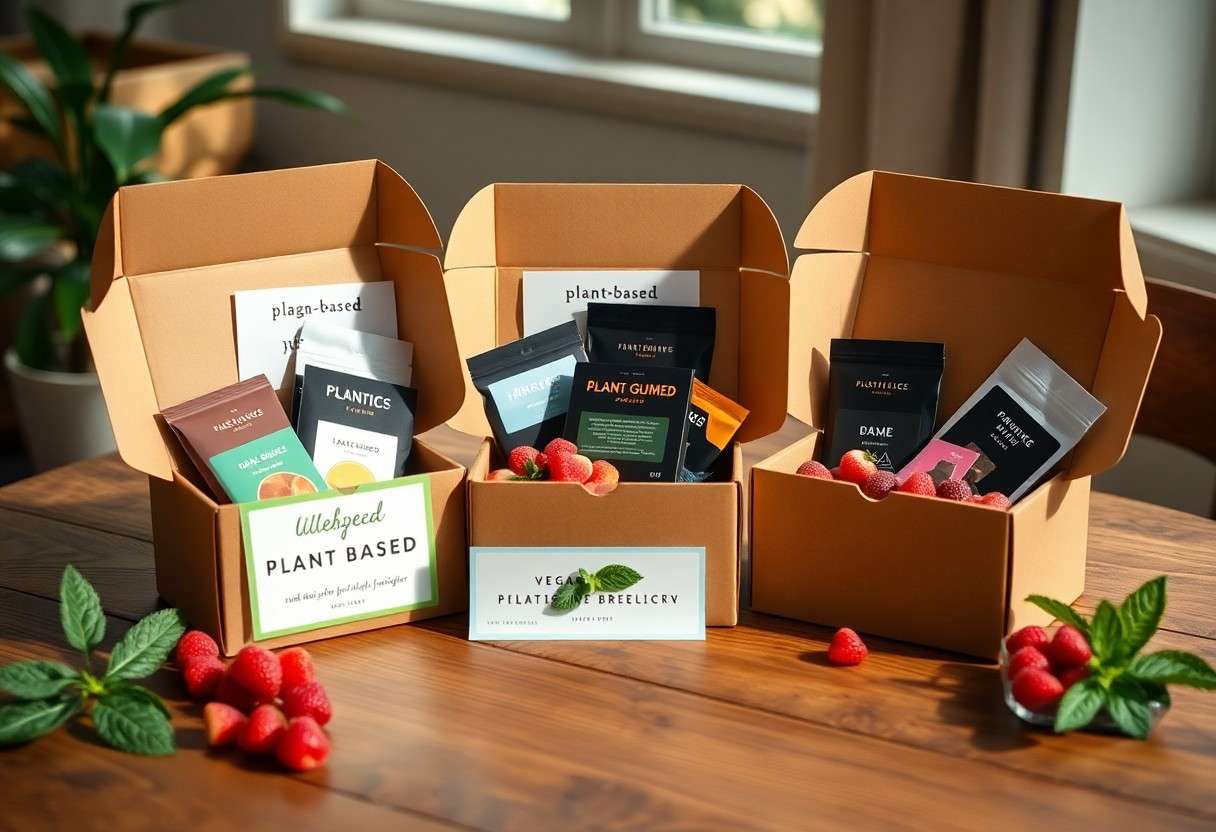
Online shopping has also made dairy-free alternatives more accessible. E-commerce retailers stock a variety of options that may not be available locally, ensuring you can procure your favorite treats no matter where you live. Subscription services and specialty stores dedicated to dietary restrictions make it easier for you to sample new items consistently. This surge in online availability can simplify the process of discovering new dairy-free confectioneries tailored to your taste.
As the industry evolves, awareness expands beyond just dietary needs. Many consumers without lactose intolerance or allergies are exploring dairy-free options for health reasons or ethical considerations. This broader interest is resulting in improved formulations that are more delicious and accessible. Knowing where to shop for these items can enhance your access to high-quality, dairy-free indulgences.
The journey to discover appealing dairy-free options can be exciting, as you find surprising flavors and textures that suit your lifestyle without sacrificing enjoyment.
| Source | Benefits |
|---|---|
| Ultimate Guide to Dairy-free Baking – Food Allergies Living | Provides comprehensive insights into recipes and ingredient alternatives. |
| Manufacturer Websites | Offer details on product formulations and nutritional information. |
| Local Health Food Stores | Focus on selecting high-quality, natural dairy-free brands. |
| Blogs and Recipe Sites | Innovative recipe ideas for utilizing dairy-free options in cooking. |
| Social Media Groups | Community support and recommendations for favorites and new products. |
| Online Retailers | Wider selection compared to physical stores, often with bulk options. |
| Nutritionists and Dietitians | Personalized advice on choosing the best dairy-free options for your diet. |
Storage and Shelf Life of Dairy-Free Confections
Best Practices for Storage
To maximize the freshness of your dairy-free confections, strive to store them in a cool, dry place. Temperatures that are too high can cause chocolate and other components to melt or bloom, resulting in an unappealing texture and appearance. Ideally, keep your treats in an airtight container, as exposure to air can lead to staleness and loss of flavor. If you live in a humid environment, using a dehumidifier or placing a moisture-absorbing packet in the container can be especially beneficial.
For confections with a shorter shelf life, such as fudge or truffles, consider refrigeration. Storing these items in the fridge can extend their longevity, but be sure to let them sit at room temperature for a few minutes before serving, as cold temperatures can mask flavors. Always wrap these confections in wax paper or place them in a container to prevent them from absorbing odors from your refrigerator.
If you’re planning to store your dairy-free confections for an extended period, freezing is an option. However, it’s imperative to use freezer-safe containers or vacuum seal them. This protects against freezer burn, which can ruin texture and taste. For best results, consume these frozen confections within three months; after that, the quality may start to degrade.
Signs of Freshness vs. Spoilage
Identifying whether your dairy-free confections are still fresh or have spoiled can be done through a few straightforward cues. First, examine the texture. Fresh confections should feel firm but not hard; if they’ve become excessively hard or crumbly, this can indicate that they are past their prime. Additionally, check for any unusual moisture or separation, particularly in chocolates. If your confection seems sticky or has developed a film on the surface, it’s likely time to discard it.
Visual cues are also vital in determining the quality of your confections. Aesthetic changes can reveal spoilage—such as discoloration or an unusual sheen on chocolates. This may be linked to fat separation or sugar bloom, which can affect flavor. An off smell is another significant indicator: if your confections have taken on a rancid, sour, or musty scent, it is safer to throw them away.
Tasting can also play a role, though this step might be a last resort. If you have doubts about the freshness of a confection, a small taste can give you insight. If the flavor is dull or off, it’s better to err on the side of caution and discard it, especially for confections that contain nut-based ingredients or purees that can spoil quickly.
Understanding these signs will not only help preserve the quality of your confections but also ensure you avoid any potential health risks associated with spoiled ingredients. Always trust your instincts—if something seems off about your dairy-free treat, it’s safer not to consume it.
Final Words
Ultimately, exploring dairy-free confectionery alternatives opens up a world of delicious possibilities that cater to your dietary preferences and lifestyle choices. By understanding the various plant-based options available, you can experiment with flavors and textures that not only satisfy your sweet tooth but also align with your health and ethical beliefs. You can create indulgent treats using ingredients such as almond milk, coconut cream, and nut butters, which can provide a wholesome alternative without compromising on taste or satisfaction.
As you commence on your journey to enjoy dairy-free confectionery, it’s important to consider how to replace traditional ingredients effectively. Options like cashew cheese or coconut whipped cream can serve as fantastic substitutes in recipes, allowing you to maintain the creamy richness that you crave. By being open to trying new ingredients and methods, you’ll likely discover innovative combinations that delight your palate and elevate your confectionery creations.
Lastly, embracing dairy-free options not only benefits your own dietary needs but can also introduce your family and friends to the joys of inclusive eating. Sharing your homemade dairy-free treats at gatherings or occasions can inspire others to consider the flavors and creativity that these alternatives can bring. So as you refine your skills and expand your repertoire of dairy-free confectionery, you will pave the way for a fulfilling culinary journey filled with enjoyable experiences and delectable choices.