Complete Vegan Fudge Recipe Collection
Most people believe that indulgent desserts are off-limits for those following a vegan lifestyle, but you can enjoy rich, satisfying fudge without any animal pr

This article contains Amazon affiliate links. As an Amazon Associate, CandiesAndSweets earns from qualifying purchases.
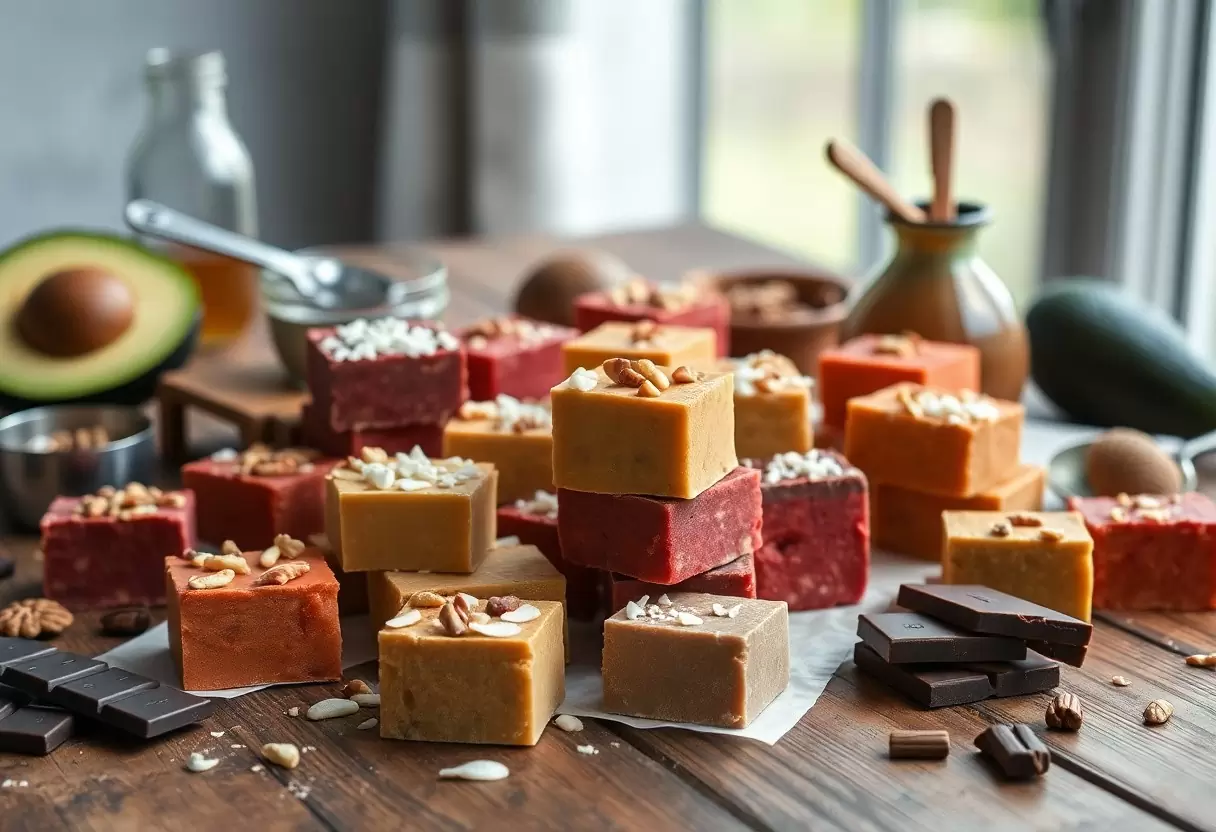
Most people believe that indulgent desserts are off-limits for those following a vegan lifestyle, but you can enjoy rich, satisfying fudge without any animal products. This collection showcases a variety of vegan fudge recipes, providing you with options that cater to diverse tastes and preferences. Whether you prefer chocolatey richness or nutty flavors, you’ll find recipes that are simple to make and sure to delight your taste buds. Dive into this complete guide to elevate your dessert game with delightful vegan fudge that everyone will love.
Essential Ingredients
Understanding the crucial ingredients in vegan fudge is vital to achieving the rich, creamy texture and flavor you desire. Each ingredient contributes uniquely to the overall experience of your fudge, ensuring that it not only satisfies your sweet tooth but also aligns with your dietary choices. The right combination of these ingredients can elevate your fudge from ordinary to extraordinary, making it a treat you’ll want to share and enjoy. This section explores the various types of sweeteners and dairy-free alternatives that form the backbone of any successful vegan fudge recipe.
Types of Sweeteners
In crafting your vegan fudge, the choice of sweetener plays a significant role in flavor and texture. Traditional granulated sugar works well, but you might prefer natural alternatives such as maple syrup or agave nectar for added depth. Coconut sugar is another excellent option, bringing a hint of caramel flavor and a lower glycemic index. Each sweetener imparts a different taste profile, allowing you to create a fudge that feels uniquely yours. You can also experiment with blends to achieve the ideal balance of sweetness and flavor.
- Granulated Sugar
- Maple Syrup
- Agave Nectar
- Coconut Sugar
- Date Syrup
Additionally, the texture of your fudge is influenced by the consistency of the sweeteners you choose. Liquid sweeteners like maple syrup can add a softer, chewier texture, while granulated sugars tend to yield a firmer fudge. Combine sweeteners to test different textures and flavors; for instance, mixing maple syrup with coconut sugar can provide both sweetness and that desired chewy consistency. Assume that experimenting with these options allows you to derive a fudge recipe that is not only delectable but also tailored to your taste preferences.
Dairy-Free Alternatives
With respect to creating the rich, creamy elements in vegan fudge, opting for dairy-free alternatives is crucial. The traditional dairy components, such as butter and milk, can easily be substituted with plant-based options. Coconut cream, for example, offers a thick, luscious consistency and a subtle coconut flavor that can enhance your fudge. Similarly, nut butters such as almond or cashew provide creaminess and richness while adding a delightful nuttiness to the mix. These alternatives not only align with vegan principles but also contribute to a diversity of flavors that traditional fudge lacks.
You should consider the variety of dairy-free milk options available as well. Almond, soy, oat, and cashew milks all serve as excellent bases for fudge, each bringing its unique taste and creaminess. When identifying a dairy-free milk, opt for unsweetened versions to maintain control over the sweetness levels in your fudge. The richness of these alternatives is what makes your fudge feel indulgent and satisfying while ensuring it adheres to a vegan lifestyle.
Incorporating dairy-free alternatives into your vegan fudge recipes enhances flavor and texture. The creaminess of coconut cream or nut butters can mimic the mouthfeel of traditional fudge, making it a welcome indulgence for those avoiding animal products. With a little creativity, you can create a variety of fudge that pleases your palate and keeps your vegan ingredient list intact.
Basic Vegan Fudge Recipe
Crafting the basic vegan fudge recipe requires a balance of key ingredients to achieve that delightful, melt-in-your-mouth quality. Start by melting together high-quality cocoa butter and plant-based chocolate chips, ensuring you have a smooth base that holds the flavor. Adding a sweetener, such as maple syrup or coconut sugar, is imperative for achieving the right level of sweetness without compromising the vegan aspect of the dessert. To give your fudge a rich creaminess, incorporate a splash of full-fat coconut milk or almond milk. This mixture creates a luscious texture that sets beautifully once cooled.
Classic Chocolate Fudge
Classic chocolate fudge is often the most sought-after flavor, and for good reason. It showcases the depth of chocolate without overwhelming your palate. Begin your preparation by measuring out equal parts of cocoa powder and unsweetened chocolate, melding both with your melted base to retain that fudgy richness. By cooling the mixture in a lined baking dish, you ensure even distribution and ease when slicing into perfect squares later. You have the option to sprinkle a pinch of sea salt on top before chilling, which heightens the profile without taking away from the chocolate’s inherent sweetness.
Once set, you’ll notice the indulgent texture of your classic fudge is both firm and pliable, ideal for cutting into pieces that are just the right size for a sweet treat. Serve them at gatherings, and watch as they quickly disappear—everyone will appreciate the smooth chocolate flavor that reflects a typical fudge without the use of dairy. This recipe highlights the versatility of plant-based ingredients while promising a comforting dessert that doesn’t skimp on taste or texture.
Variations and Additives
While classic chocolate fudge is undeniably delicious, exploring variations can elevate your vegan fudge into new realms of flavor. You might consider incorporating nuts such as walnuts or almonds for added crunch, or even fold in some dried fruits like cranberries or cherries for a tart contrast. Infusing your fudge with natural flavors like vanilla extract or peppermint oil can create surprising twists that invigorate each bite. Beyond that, superfoods like matcha powder or spirulina can provide both health benefits and unique colors, adding a vibrant touch to your creations.
Infinitely customizable, variations and additives allow you to cater to personal preferences or dietary needs. If you prefer a nut-free option, experimenting with sunflower seed butter can yield a delightful blend while maintaining the creamy consistency characteristic of traditional fudge. Consider also swapping out ingredients based on seasonal availability or specific cravings; for instance, incorporating spices such as cinnamon or cardamom can transform your fudge into a warm, comforting treat ideal for cold months. The beauty of vegan fudge lies in its adaptability, making it an exciting canvas for your culinary innovations.
Specialty Vegan Fudge Recipes
Nut Butter Fudge
You can transform basic vegan fudge into something extraordinary by incorporating nut butters. The addition of almond, cashew, or peanut butter not only enhances the creaminess but also adds a depth of flavor that is unmatched. For instance, using natural almond butter gives your fudge a slightly sweet, nutty profile that pairs beautifully with dark chocolate. To create this delectable treat, simply melt your base ingredients—coconut oil, maple syrup, and dairy-free chocolate—then fold in your preferred nut butter until smooth. This variation allows you to experiment with different nut flavors, creating a personalized touch for your fudge.
Flavor-Infused Fudge
Flavor-infused fudge invites you to play with an array of extracts, spices, and even fruits, opening a world of creativity in your fudge-making endeavors. One popular flavor infusion is mint, which adds a refreshing twist to your classic chocolate fudge. Using peppermint extract, you only need a few drops mixed into your melted base to achieve a vibrant taste. For a seasonal touch, consider infusing your fudge with pumpkin spice during the fall or a hint of orange zest for a bright, citrusy flavor profile.
Another appealing option is to incorporate coffee or espresso powder for a rich, mocha flavored fudge, perfect for coffee enthusiasts. The bitterness of the coffee complements chocolate beautifully, resulting in a decadent dessert that stimulates the taste buds. As you initiate on creating flavor-infused fudge, it’s necessary to start with small amounts of extracts or spices to avoid overpowering the main flavors. You can always add more if needed, allowing you to refine the taste to your liking before setting the mixture.
Beyond basic flavor enhancements, consider using infused oils or steeping spices into your coconut milk before adding it to the fudge mixture for deeper flavors. Infused fudge also lends itself well to toppings, such as candied fruits, shredded coconut, or a sprinkle of matcha powder for an earthy taste. These ingredients can elevate your fudge and provide visual appeal, turning any plate of fudge into a stunning centerpiece during gatherings.
Flavor-infused fudge is about experimenting with flavors that resonate with you, making the process an exciting culinary adventure. You can use seasonal ingredients, such as fresh berries blended into the fudge or herbal infusions like lavender, to craft unique desserts tailored to your palate. This approach not only enhances the overall taste but also allows your creativity to shine through every batch you create.
Tips for Perfecting Vegan Fudge
Perfecting vegan fudge involves paying close attention to various factors that influence both the flavor and texture. The key components of your ingredients and techniques can make a significant difference in achieving that decadent and smooth finish you desire. Consider the quality of your cocoa powder and the type of sweeteners you prefer; these will greatly affect the overall taste. Use high-quality cocoa for a richer flavor, and opt for natural sweeteners like maple syrup or agave nectar to add depth. Additionally, incorporating a pinch of salt can enhance the sweetness and bring out the chocolate flavor significantly. Establishing the right ratios is important, so you may want to experiment and adjust based on your personal preferences.
Once you have your ingredients sorted, the next step is mastering the methods of preparation. You’ll want to combine your ingredients over low heat to prevent burning and ensure a smooth blend. Stirring consistently will help dissolve any lumps and create a uniform texture. If you’re using coconut oil, give it time to melt completely before mixing. For a creamier fudge, consider incorporating a splash of dairy-free milk into your mixture. Allow your fudge to cool at room temperature before placing it in the refrigerator, where it will firm up beautifully. Following these techniques will result in a luscious, velvety fudge that you and your friends will love.
- Use high-quality cocoa and sweeteners for enhanced flavor.
- Combine ingredients over low heat for a smooth blend.
- Incorporate a splash of dairy-free milk for creaminess.
- Let fudge cool at room temperature before refrigerating.
- Feel free to experiment with ratios until you find your favorite balance.
Temperature and Texture
The temperature at which you prepare your fudge plays a significant role in determining its final texture. When cooking the fudge mixture, aim for a gentle heat that allows the ingredients to meld without boiling. Boiling can cause the sugar to crystallize, resulting in a grainy texture that detracts from the smoothness you seek. The ideal temperature for melting the fudge ingredients is around 120°F (49°C), which will allow them to blend seamlessly. Using a candy thermometer can be helpful in achieving this specific temperature for consistent results.
Cooling your fudge is just as important as the cooking process. After pouring your mixture into the lined pan, allow it to rest at room temperature for about 30 minutes before placing it in the fridge. Rapid cooling can lead to a dense consistency, while letting it sit helps the fudge to settle evenly. Depending on the thickness of your fudge, chilling it in the refrigerator for at least two hours will yield a more satisfying texture that holds its shape when cut into pieces. This waiting period might feel long, but patience is key for achieving that delightful, melt-in-your-mouth experience.
Temperature and Texture
| Temperature | Expected Texture |
|---|---|
| Below 120°F (49°C) | Grainy and uneven blend |
| 120°F (49°C) | Smooth and creamy consistency |
| Rapid cooling | Dense and hard |
Storage and Shelf Life
To maximize the freshness of your vegan fudge, proper storage is paramount. Once fully cooled and set, slice your fudge into portions and wrap each piece individually in parchment paper or plastic wrap. This prevents them from sticking together and keeps them fresh for longer. You can store the wrapped fudge in an airtight container in the refrigerator, where it will last up to two weeks. If you want to extend the shelf life even further, consider freezing the fudge. Simply place it in a freezer-safe container, and it can last for up to three months without losing its delicious flavor or texture.
When thawing frozen fudge, remove it from the freezer and let it sit at room temperature for a few hours before enjoying. This gradual thawing process maintains the fudge’s quality, ensuring that it retains its delightful consistency. For on-the-go enjoyment, consider making smaller, easy-to-pack portions that are ready whenever you crave a sweet treat. Thou will find that having vegan fudge around not only satisfies your sweet tooth but also impresses friends and family alike with its rich, delectable flavor.
Common Mistakes to Avoid
Overheating Ingredients
One of the most prevalent mistakes when making vegan fudge is overheating the ingredients. When you allow your mixture to exceed the recommended temperature, you risk altering the texture and flavor of your fudge. For instance, if you’re using non-dairy milk, heating it too much can lead to curdling or burning, resulting in an undesirable taste. Aim to melt ingredients like coconut oil and nut butter over low heat, stirring constantly, to prevent this from occurring and to ensure a smooth consistency.
If you’re using a candy thermometer, the optimal temperature for melting chocolate or sugar mixtures generally falls between 110°F to 120°F. At this point, you need to remove it from the heat. If you allow the temperature to climb too high, the sugars can become grainy or harden improperly, jeopardizing the final texture of your fudge. Being vigilant and attentive during the melting stage is crucial for achieving that silky richness you desire.
Moreover, overheating doesn’t just ruin taste and texture; it can also diminish the nutritional quality of your ingredients. For example, raw cacao contains valuable antioxidants that can be destroyed at high temperatures. Staying within the safe temperature range guarantees you retain the health benefits while still indulging in a decadent treat.
Improper Measuring
Accurate measuring is paramount when creating vegan fudge, as even slight deviations can significantly affect the final product. When you don’t measure ingredients properly, you could end up with a fudge that is too dry or, conversely, too runny. For instance, using too much almond butter or coconut milk can lead to an overly soft mixture that won’t set properly, while not enough could produce a hard, crumbly texture. Utilize digital kitchen scales for precise measurements, especially for dense ingredients like nut butters and sweeteners.
Additionally, measuring using liquid and dry measuring cups interchangeably can lead to imprecision. Dry measuring cups should be used for flour, cocoa powder, and nuts, while liquid measuring cups are ideal for water, syrups, and milk. Always level off dry ingredients for accuracy—do not just scoop your flour out of the bag, as this can compact it and lead to using more than necessary. Small inconsistencies can spiral into drastic differences in texture and taste.
Pay close attention to conversions if you’re following a recipe that uses different units of measure. A cup of ingredients can weigh differently based on density, so converting cups to grams, for example, will ensure you’re using the right amounts. Many baking enthusiasts swear by consulting conversion charts to avoid pitfalls in measurement and maintain the integrity of their fudge recipes.
By ensuring precise measurements, you’ll be more likely to replicate a successful fudge experience each time. Additionally, investing in quality measuring tools helps cut down on the guesswork, allowing you to focus more on the fun of creating delicious vegan treats.
Frequently Asked Questions
Can I Substitute Ingredients?
Substituting ingredients in vegan fudge is not only possible, but it can also enhance the flavor and texture of your treats. For instance, if you’re looking to replace coconut milk, you can use almond milk or oat milk for a different flavor profile. Just be mindful that the consistency may vary slightly. If you prefer not to use agave syrup, maple syrup is a fantastic alternative that not only adds sweetness but also an earthy richness. Always consider the sweetness level, as some substitutes may be sweeter than others, requiring adjustments in your recipe.
Experimenting with different sweeteners is key. Brown rice syrup offers a more complex flavor while giving a chewy texture. If you’re avoiding sugar altogether, date paste can serve as a natural sweetener, providing additional nutrients as well. In terms of fats, coconut oil is often used for its creamy consistency, but if you have an aversion to coconut, shea butter or vegan butter can serve as a good substitute, though they might alter the flavor slightly.
As far as chocolate, choosing dark chocolate chips that are dairy-free is crucial, but you may also consider raw cacao for a healthier spin. If you want to avoid chocolate entirely, carob chips can serve as an alternative, offering a unique flavor. Whichever substitutions you choose, ensure that you’re balancing flavors and textures so that you still achieve a delicious and satisfying vegan fudge.
How to Make Fudge Dairy-Free?
To make fudge dairy-free, your first step is to choose alternative bases that provide creaminess without the use of milk or cream. Coconut milk, especially the full-fat variety, is an excellent choice as it lends a rich texture to your fudge. Alternatively, cashew cream made from soaked and blended cashews can offer a smooth and indulgent consistency. When using these bases, it’s crucial to measure accurately so your fudge sets correctly.
You also want to incorporate dairy-free chocolate when making your fudge. Many brands offer vegan chocolate chips or bars that are free from dairy and still provide the satisfying richness everyone enjoys in a traditional fudge. Melting these chocolates can be done gently to prevent scorching—this preserves both flavor and texture, ensuring a mouth-watering final product. Additionally, always check labels, as some chocolates might contain hidden dairy ingredients.
Finally, when flavoring your fudge, consider using extracts like vanilla or almond, as these can enhance your fudge’s profile without the need for dairy. Spices, sea salt, or even a dash of espresso can elevate the flavors even further. The key to dairy-free fudge is recognizing that with the right substitutes, you can achieve a delightful treat while adhering to your dietary preferences.
Making your fudge dairy-free encompasses a variety of ingredients and techniques that maintain taste and texture without compromising on flavor. You can explore a range of nut milks or cream bases that contribute to the overall creaminess, while incorporating vegan sweeteners and dairy-free chocolate options further ensures that your fudge remains deliciously vegan. With the right mix and a touch of creativity, the resulting fudge will satisfy everyone, whether they follow a vegan lifestyle or not.
Conclusion
To wrap up, your journey through the Complete Vegan Fudge Recipe Collection offers a delightful blend of flavors and textures that cater to your sweet tooth while aligning with your dietary choices. Each recipe has been crafted to ensure that you can indulge in the rich, creamy taste of fudge without compromising your vegan lifestyle. As you explore these plant-based alternatives, you’ll discover that making fudge is not only a simple process but also an opportunity to express your creativity in the kitchen. Whether you’re preparing for a special occasion, seeking a guilt-free treat, or just wanting to satisfy a chocolate craving, this collection is designed to meet your needs.
In addition to providing delicious recipes, this collection equips you with the knowledge of various ingredients that elevate your fudge-making skills. You will learn about the importance of using quality plant-based ingredients such as coconut milk, nut butters, and natural sweeteners. These elements not only contribute to the richness of your fudge but also enhance its nutritional profile. Understanding how these ingredients work together allows you to experiment and adjust recipes to your taste preferences, ensuring that your fudge is always uniquely yours.
Ultimately, the Complete Vegan Fudge Recipe Collection empowers you to enjoy sweet treats without compromising your values. It highlights the versatility of vegan ingredients and inspires you to incorporate them into your everyday baking. By embracing these recipes, you can share your passion for veganism with family and friends, demonstrating that plant-based eating can be both satisfying and delicious. As you create and savor these fudges, you will discover that following a vegan lifestyle can be an enjoyable, flavorful experience that enriches not only your palate but also your overall well-being.


