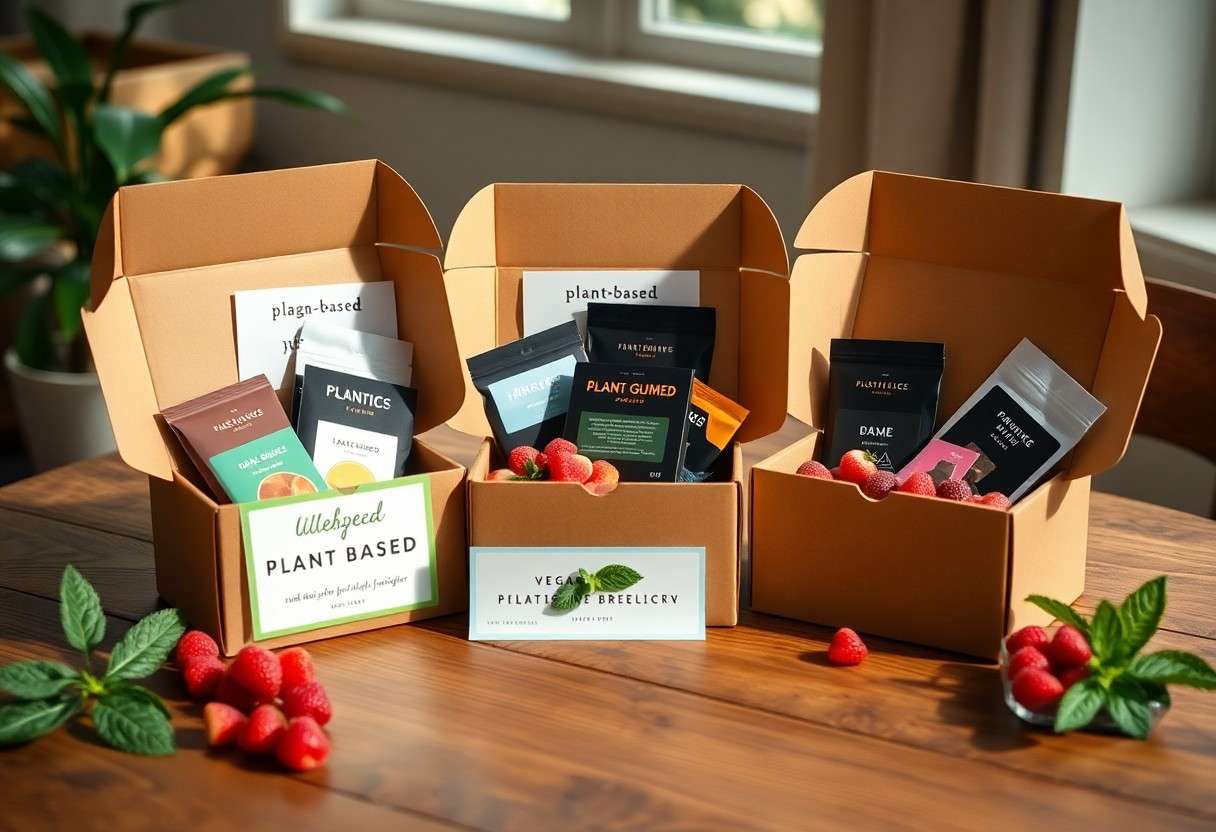
Complete Guide to Eco Friendly Confectionery Gift Options
Gifts that reduce waste and delight recipients require smart choices; you can choose compostable packaging, organic ingredients and avoid harmful palm oil to pr

This article contains Amazon affiliate links. As an Amazon Associate, CandiesAndSweets earns from qualifying purchases.

Gifts that reduce waste and delight recipients require smart choices; you can choose compostable packaging, organic ingredients and avoid harmful palm oil to protect ecosystems.
Core Principles of Sustainable Sweets
Sustainability in confectionery asks you to reduce packaging waste, lower the carbon footprint, and prioritize ingredients that protect ecosystems while keeping taste and quality intact.
Brands you choose should offer traceability and clear labels so you can verify ethical claims and select gifts that support long-term environmental and social benefits.
Ethical Sourcing of Raw Cacao and Sugar
Traceable cacao and sugar let you avoid suppliers linked to child labor and deforestation, ensuring the gifts you pick do not harm communities or habitats.
Seek certified options like Fair Trade or Rainforest Alliance so you back fair wages, improved farming practices, and measurable environmental protection.
Low-Impact Manufacturing Processes
Manufacturing steps that cut energy use, water consumption, and chemical runoff help you choose sweets with substantially lower lifecycle impacts.
Adopt production methods using renewable energy, efficient heating, and closed-loop water systems so your gift choices translate into real emissions and waste reductions.
Examples include solar-heated kettles, heat-recovery systems, low-temperature conching, and recyclable packaging lines that let you confirm a product’s reduced emissions and lower waste.
Essential Factors for Evaluating Green Brands
Assess brand claims against measurable criteria: ingredient sourcing, fair trade status, and carbon accounting. Check for organic certification and transparent supply chains. Use this quick checklist:
- Ingredient transparency
- Third-party certifications
- Packaging lifecycle
- Company reporting
Compare supplier claims to audit reports and lifecycle data. Thou should favor brands with audited supply chains and clear emissions accounting.
Deciphering Eco-Labels and Certifications
Read labels beyond logos: verify the issuing body, scope, and whether the certification covers farming, processing, and packaging. Watch for greenwashing when badges lack third-party verification, and prefer labels with public standards and traceable criteria so you can trust product claims.
Assessment of Minimalist and Compostable Packaging
Choose packaging that lists materials and end-of-life instructions; compostable claims often require industrial facilities, so match claims to local options. Favor uncoated paper or mono-materials over mixed plastics to reduce waste and make recycling easier.
Consider standards like ASTM D6400 or EN 13432 and look for disclosed decomposition timelines; avoid items where food coatings cause contamination, and prioritize brands that publish verified disposal guidance.
Expert Tips for Maximizing Gifting Impact
You can boost appeal by pairing high-quality eco-friendly confectionery with clear sustainable packaging and a concise ingredients note.
- Prefer reusable or compostable wraps
- Highlight provenance and certifications
- Call out allergens and shelf life
Knowing you increase perceived value by suggesting reuse and offering a quick care or recycling tip.
Personalizing with Reusable or Upcycled Containers
Consider using jars, tins or upcycled boxes you personalize with custom labels and a short usage guide so recipients keep or repurpose them; mark a few reuse ideas and note the sustainable benefits.
Communicating the Sustainable Story to Recipients
Use a brief, honest note to explain sourcing, certifications and low-waste choices, and include a QR code linking to supplier stories so you make the impact traceable.
Add a follow-up line that points out allergens, shelf life and practical reuse tips; your clear messaging protects health and underscores your eco-friendly intent.
Summing up
On the whole you can choose sustainable confectionery gifts by prioritizing certified organic, fair-trade, and compostable-packaged options while checking ingredient lists for palm oil or artificial additives. You should combine small-batch artisan sweets with reusable or recyclable packaging, support brands with transparent sourcing, and include plant-based or low-sugar choices to suit dietary preferences.