Edible Art Projects – Creativity Meets Confectionery Fun
Over the past few years, edible art projects have surged in popularity, combining your passion for creativity with the joy of confectionery. These delightful en

This article contains Amazon affiliate links. As an Amazon Associate, CandiesAndSweets earns from qualifying purchases.
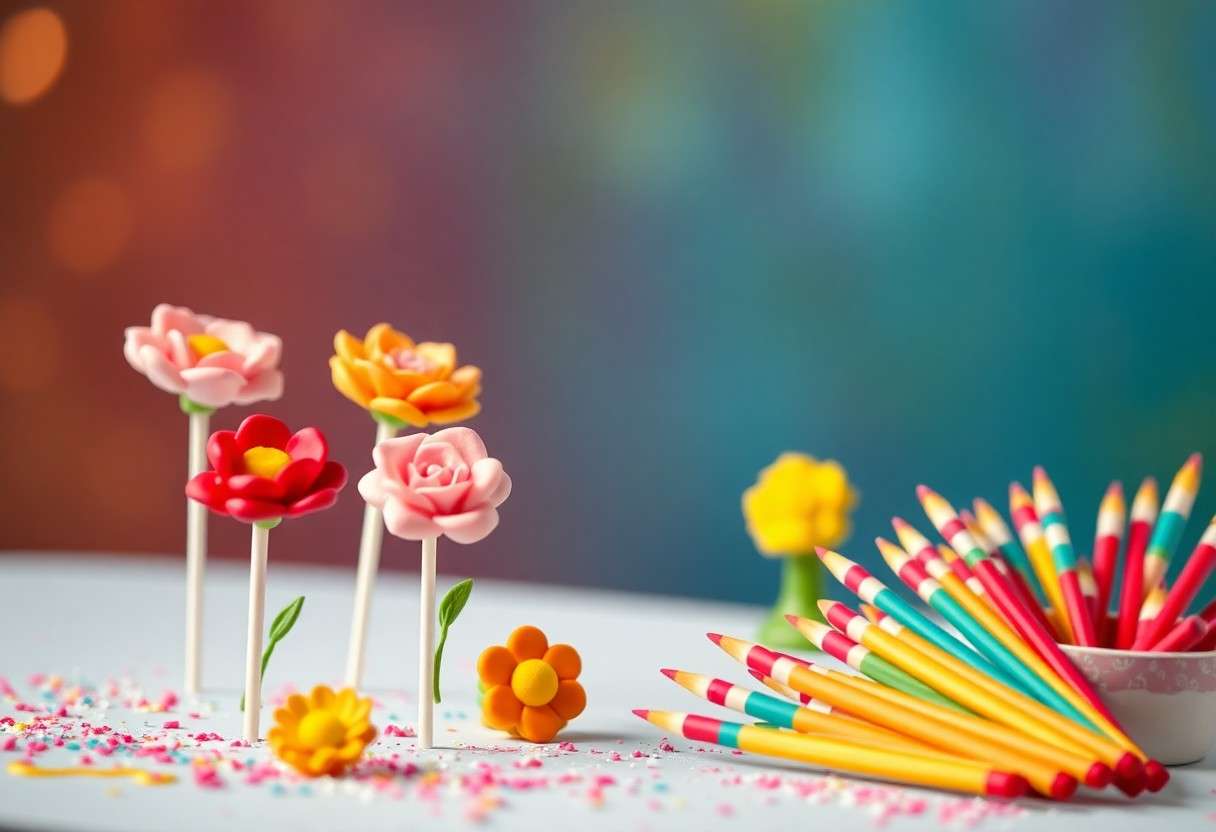
Over the past few years, edible art projects have surged in popularity, combining your passion for creativity with the joy of confectionery. These delightful endeavors allow you to transform everyday ingredients into visually stunning masterpieces that can be enjoyed by all. Whether you’re looking to impress at parties or simply want to spend a fun afternoon in your kitchen, this guide will provide you with the inspiration and techniques to spark your imagination and elevate your dessert-making skills. Get ready to unleash your inner artist through delicious creations!
The Concept of Edible Art
Your perception of art may typically revolve around paintings and sculptures, but edible art opens up an entirely new realm of creativity that combines aesthetics with flavor. This innovative approach allows you to explore your artistic abilities using various culinary mediums, from baking exquisite pastries to sculpting intricate designs with chocolate. Edible art isn’t merely about taste; it emphasizes visual appeal and often becomes a centerpiece that sparks conversation, making it a unique fusion of food and design. You can experiment with colors, textures, and shapes in ways that challenge traditional definitions of art while tantalizing the taste buds.
History of Edible Art
An exploration of edible art reveals a fascinating timeline that dates back centuries. Ancient civilizations such as the Egyptians and Romans utilized food in their feasts not just for sustenance but as a means of demonstrating wealth and status, often crafting intricate sugar sculptures or decorative cakes for special occasions. The Renaissance period further pushed the boundaries of edible artistry, with elaborate banquets featuring show-stopping desserts that showcased both flavor and artistry, setting the groundwork for what would become a global trend in culinary creativity.
Modern Trends in Edible Art
Any discussion of edible art today requires an acknowledgment of the various modern trends that have emerged, especially with the influence of social media platforms. From cake pops and macarons to elaborate sugar flowers and even donut towers, the variety of forms and styles you can choose from is virtually limitless. Many artists are embracing techniques like watercolor painting on cakes or using 3D printing technology to create intricate designs that were once thought impossible, allowing you to push the boundaries of your own projects.
Even the rise of vegan and gluten-free options has influenced modern edible art, as it encourages creative adaptations for those with dietary restrictions. You have an opportunity to push the envelope and experiment with alternative ingredients while ensuring your creations are inclusive. By incorporating natural colors and flavors into your designs, you’ll not only create visually stunning pieces but also cater to a wider audience who desire health-conscious options. This trend exemplifies how edible art continues to evolve, merging tradition with innovation and inviting you to express your culinary creativity in new and exciting ways.
Essential Materials for Edible Art Projects
Tools and Equipment
Behind every great edible art project lies a selection of tools and equipment that make the creative process smoother and more enjoyable. You’ll want to gather a variety of necessary items such as a sharp knife for cutting and shaping, a rolling pin for flattening dough, and a set of precise measuring cups and spoons for accurate ingredient ratios. Investing in quality piping bags and various nozzles will allow you to create intricate designs, while a sturdy baking sheet or cake board offers a reliable base for your projects. Don’t forget to include offset spatulas and scrapers for spreading and smoothing frostings, as they can make a significant difference in the final look of your edible art.
Ingredients and Their Uses
With a wide array of ingredients at your disposal, you can elevate your edible creations from simple to extraordinary. Familiarizing yourself with various types of chocolates, fondants, and icings is important for crafting eye-catching decorations and flavors. Each ingredient has unique properties: for instance, chocolate can be tempered for a glossy finish, while fondant can be rolled out and molded into shapes. Additionally, natural food colors allow you to customize your palette, while edible glitter and dust can add a touch of sparkle to your finished pieces. When you understand how each ingredient interacts in your projects, you can achieve stunning results without any trial and error.
Projects often involve the use of simple staples like flour, sugar, butter, and eggs, which serve as the foundation for many sweet creations. However, it’s wise to consider alternative ingredients based on dietary restrictions or taste preferences. Whether you use gluten-free flour or explore flavor infusions with natural extracts, the versatility of your ingredients will greatly enhance the potential of your edible art. By experimenting and combining different elements, you can discover new textures and flavors that will truly set your creations apart.
Techniques and Skills for Edible Art
Even as you explore the whimsical world of edible art, mastering the techniques and skills involved can elevate your creations from mere treats to spectacular showcases of creativity. This journey begins with an understanding of the basic techniques that form the foundation of all edible art projects. From simple piping to the effective use of color, these skills will help you bring your delicious visions to life.
Basic Techniques
Basic decorating methods are crucial for anyone eager to make their mark in edible art. You will start with crucial practices such as smoothing frosting and creating simple designs. These foundational skills set the stage for more complex projects that may involve layering or mixing different consistencies of icing.
Another fundamental technique includes the art of color blending, which allows you to create stunning visual effects with your creations. Learning how to properly incorporate food coloring into your icing and fondant opens new avenues for creativity, enabling you to achieve vibrant designs that stand out.
Advanced Techniques
Above all, advanced techniques will differentiate your creations, putting you at the forefront of edible artistry. These methods might involve intricate piping, airbrushing, or even sculpting with fondant, each requiring a different level of dedication and practice. Utilizing these skills not only enhances your projects but also allows you to experiment with textures and structures that elevate your edible art to gallery-worthy status.
Advanced Techniques Overview
| Technique | Description |
| Piping Flowers | Create stunning floral designs using various piping tips and techniques. |
| Chocolate Work | Melt and temper chocolate to create intricate decorations, shapes, and sculptures. |
| Airbrushing | Apply food-coloring mist for deluxe gradients and detailed designs. |
| 3D Fondant Sculpting | Sculpt fondant into three-dimensional figures and characters that add playfulness to your desserts. |
In fact, as you probe into advanced techniques, you’ll find that precision and creativity go hand in hand. Engaging in practices like edible gold leaf application or complex sugar work can enhance the aesthetics of your pieces. This progression into sophisticated methods not only showcases your artistic flair but also adds a gourmet touch to your edible projects. Consider this list of advanced techniques that could further inspire your artistry:
Inspiration for Advanced Techniques
| Technique | What You’ll Achieve |
| Buttercream Flowers | Realistic floral designs that are mouthwatering and visually appealing. |
| Sugar Work | Intricate sugar pieces that add elegance and artistry to your desserts. |
| Mirror Glazing | A high-shine glaze that provides a stunning reflective finish to cakes. |
| Chocolate Transfers | Decorative chocolate with printed designs for enhanced visual impact. |
Creative Edible Art Projects
For those who find joy in both creativity and confectionery, engaging in edible art projects is a fantastic way to merge these interests. Edible art not only allows you to express your artistic side but also results in delicious treats to share with loved ones. Whether you are hosting a small gathering or simply looking to explore your culinary skills, creating edible art projects can transform a simple kitchen activity into an exciting creative outlet.
Cakes and Confections
On the subject of cakes and confections, you can turn a simple cake into a visual masterpiece by experimenting with different decorating techniques. Fondant, buttercream, and edible paints offer you a myriad of options to showcase your skills. From intricate floral designs to vibrant patterns, the only limit is your imagination. As you decorate, don’t hesitate to combine shapes and textures to create a unique presentation that reflects your personal style and taste.
Chocolate Sculptures
Projects involving chocolate sculptures can elevate your edible art endeavors to a whole new level. By melting and molding chocolate, you can create stunning three-dimensional pieces that not only look good but also taste amazing. You can carve intricate designs or use molds to form various shapes, ranging from simple animal figures to elaborate centerpieces. Engaging in chocolate sculpture allows you to explore the balance between technical skill and artistic expression.
Also, consider incorporating different types of chocolate—such as dark, milk, and white—to add color and flavor to your sculptures. Utilizing tools like brushes for painting and airbrush techniques for shading can give your chocolate creations depth and character. Create a themed piece or simply let your creativity flow; regardless of the approach you take, chocolate sculptures will surely have a wow factor that impresses anyone who sees (or tastes) your work.
Inspiring Examples from Edible Artistry
After exploring the unique world of edible art, you may find inspiration in the remarkable creations made by artists who have turned everyday ingredients into exceptional masterpieces. These confectionery wonders showcase not only the talent of their creators but also the limitless possibilities that come with combining culinary skills and artistic expression. From intricately designed cakes to stunning sugar sculptures, the world of edible art is rich with imagination, inviting you to step outside the confines of traditional cooking and embrace your own creativity through delicious projects.
Famous Edible Artists
Among the standout figures in edible artistry, there are several artists whose work captivates the public and raises the standards for what can be created with food. Notable names include Ron Ben-Israel, celebrated for his stunning wedding cakes that seamlessly blend elegance and intricate design, and Chef Dominique Ansel, renowned for his innovative creations like the Cronut, which has sparked a food phenomenon worldwide. By examining their intricate techniques and imaginative concepts, you can gain valuable insight into the artistry behind your own confectionery projects, pushing you to explore new styles and flavors.
Notable Edible Art Exhibitions
About the world of edible art, exhibitions around the globe shine a spotlight on this expressive field, allowing you to experience the artistry firsthand. Events like the Cake International show in the United Kingdom and the Sugar Art exhibition in the United States attract talented decorators, artists, and enthusiasts, showcasing everything from traditional frosting techniques to cutting-edge edible innovations. Such gatherings are perfect for networking, learning, and gathering inspiration for your own edible creations.
And as you attend these exhibitions, take the time to appreciate not only the skill involved but also the stories behind each piece. Many installations are guided by themes that explore cultural narratives or seasonal inspirations, enabling you to connect on a deeper level with the art. By engaging with the edible art community, you can enrich your own creative journey and draw from the diverse influences that shape this vibrant field.
Tips for Successful Edible Art Creations
All edible art projects can be incredibly rewarding, but having a few tips up your sleeve can make the process more enjoyable and successful. To help you create stunning edible masterpieces, consider the following:
- Plan your project ahead of time.
- Gather all necessary materials before you start.
- Keep your workspace organized to avoid confusion.
- Be patient; allow items to set or cool when required.
- Don’t hesitate to experiment with flavors and techniques.
The more you prepare, the smoother your edible art journey will be.
Planning and Designing
Any successful edible art creation begins with careful planning and designing. Before plunging into your project, take time to conceptualize what you want to achieve. Visual references can be incredibly helpful, whether you’re inspired by a Pinterest board, a culinary book, or even your own imagination. Sketch out your design, noting the colors, sizes, and shapes of your final product. This blueprint will serve as a guide throughout the process, helping you stay on track.
Additionally, factor in the time you will need for each component. Some elements might require more cooling or drying time than you expect, particularly when dealing with fondant, chocolate, or other delicate materials. By estimating the time required for each step, you can streamline your creation with ease and ensure that everything comes together beautifully.
Common Challenges and Solutions
One of the most common challenges you may face in edible art projects is managing the temperamental nature of certain ingredients. For instance, chocolate can be finicky to work with, especially when melting or tempering. To tackle this challenge, consider setting up a double boiler for careful heating or using quality chocolate designed for easy melting. In addition, always have a backup plan—this could mean having extra ingredients on hand for impromptu adjustments or alternative solutions if something doesn’t go as expected.
Other challenges may include achieving the right consistency in icing or managing unexpected breakage during assembly. Implementing a solid strategy can help you navigate these roadblocks smoothly. Considering alternative techniques, such as making and using royal icing for sturdier decorations or experimenting with structural supports, can greatly enhance your creative process and reduce frustration. Ultimately, a bit of foresight and the willingness to adapt can go a long way in ensuring that your edible art turns out exactly as envisioned.
Summing up
With this in mind, engaging in edible art projects allows you to explore your creativity while indulging in the sweet joy of confectionery fun. Whether you’re molding chocolate into intricate shapes or decorating cakes with vibrant colors and textures, these projects offer an exciting way to express yourself. You can turn mere ingredients into stunning visuals that are not just delightful to the eyes but also enticing to the taste buds. This creative endeavor undoubtedly enriches your culinary skills while providing countless opportunities for personal expression and artistic exploration.
Moreover, edible art projects serve as a fantastic bonding activity, whether you’re working with family, friends, or colleagues. The collaborative nature of these projects can foster communication and teamwork while yielding delicious results. As you begin on these edible adventures, you are not only creating beautiful masterpieces but also building lasting memories through shared experiences. So, gather your supplies and examine the world of edible art—you’ll soon discover that the intersection of creativity and confectionery is a rewarding realm waiting for you to explore.


