Smart Packaging That Engages Consumers Beyond the Product
Engagement in today's market transcends the traditional boundaries of product presentation. You have the opportunity to elevate your consumer experience through

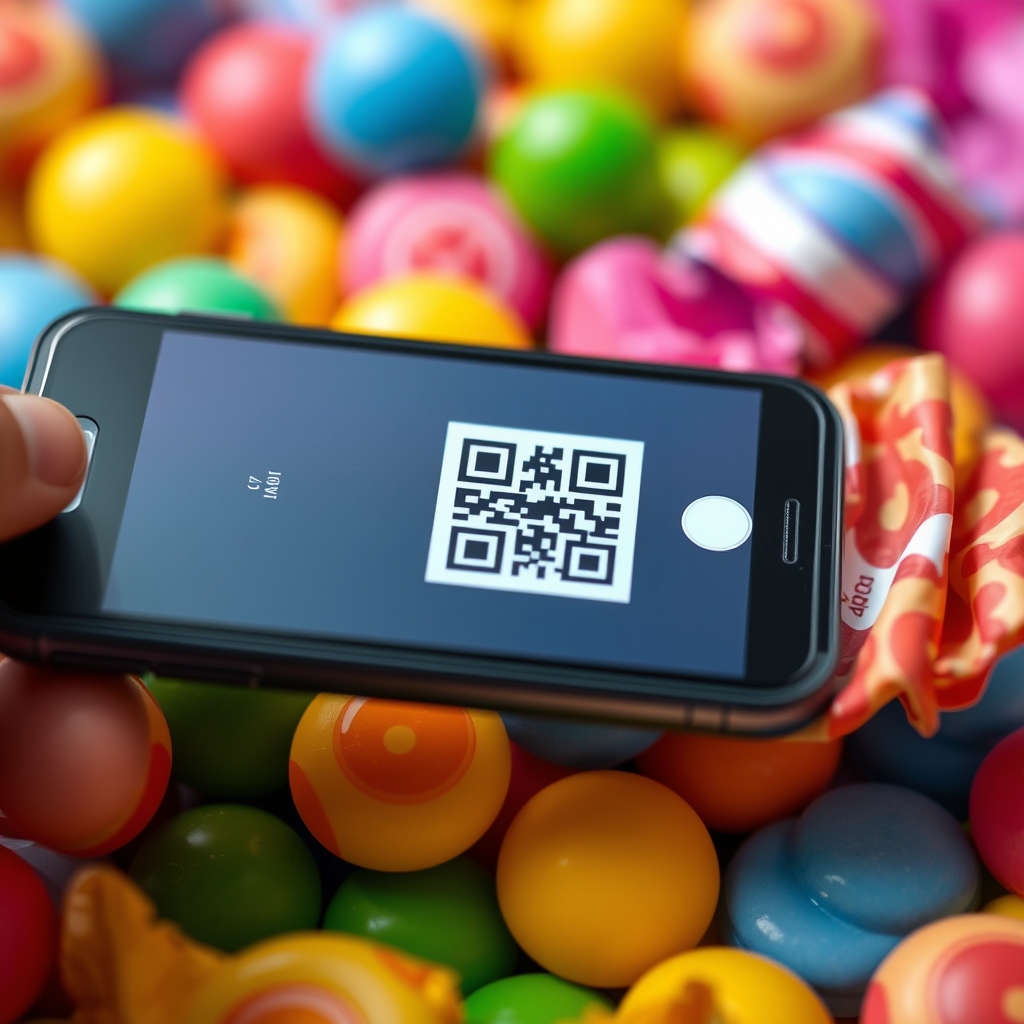
This article contains Amazon affiliate links. As an Amazon Associate, CandiesAndSweets earns from qualifying purchases.
Engagement in today’s market transcends the traditional boundaries of product presentation. You have the opportunity to elevate your consumer experience through innovative smart packaging solutions that not only serve functional purposes but also captivate and inform. This blog post will explore how leveraging technology and design in your packaging can deepen connections with your customers, enhance brand loyalty, and ultimately drive sales. Get ready to discover how smart packaging can transform your product’s appeal and create lasting impressions beyond the shelf.
The Evolution of Packaging
Historical Context
Evolution of packaging has been a fascinating journey that reflects the changing needs and technologies of societies throughout time. In ancient civilizations, you would see packaging primarily as a means to protect and transport goods, using simple materials such as leaves, animal skins, and pottery. As trade expanded, the importance of packaging grew, acting not only as a protective barrier but also as a tool for branding and information dissemination. The advent of the Industrial Revolution in the 18th century brought about mass production, thereby requiring packaging to adapt along with it. This increase in product availability allowed consumers to become more discerning, paving the way for modern packaging as you know it today.
Technological Advancements
Among the most significant advancements in packaging technology has been the introduction of materials and processes that enhance both functionality and aesthetic appeal. The development of plastics in the mid-20th century revolutionized the industry, allowing for lightweight, durable, and cost-effective packaging solutions. Additionally, innovations like vacuum sealing and active packaging have improved food preservation, offering you fresher products and reduced waste. The rise of digital printing technology has also enabled you to enjoy customized packaging designs that directly engage your interests and preferences.
The intersection of technology and packaging continues to evolve, driven by consumer expectations for sustainability and interactivity. Smart packaging solutions, such as QR codes or NFC-enabled products, are increasingly incorporating digital experiences into the physical product. This allows you to access information about a product’s benefits, origin, or usage, enhancing your connection to the brand. As technology progresses, you can anticipate even more ways that packaging will engage you, making your purchasing decisions and brand interactions increasingly meaningful.
The Role of Smart Packaging in Consumer Engagement
If you’re looking to understand how smart packaging can benefit your brand, it’s vital to explore the ways in which it fosters deeper connections with consumers. Smart packaging goes beyond merely containing a product; it serves as an interactive platform that engages your customers, providing them with a richer experience. By integrating technology such as QR codes, NFC tags, and augmented reality, you can create immersive interactions that not only capture attention but also inspire loyalty. Engaging consumers in this way allows them to discover more about your brand, the product, and its origins, resulting in a more meaningful purchasing experience.
Interactive Features
Any time you incorporate interactive features into your packaging, you enhance the relationship between your product and the consumer. Consider using responsive designs that allow consumers to engage with the packaging in innovative ways—such as scanning codes for exclusive content or promotions, or enabling augmented reality experiences that showcase your product in action. This level of interaction not only increases brand visibility but also encourages your customers to share their experiences on social media, amplifying your brand’s reach and impact.
Personalization and Customization
Role in consumer engagement also necessitates a focus on personalization and customization. By offering tailored experiences through smart packaging, you allow consumers to connect on a personal level with your brand. Whether it’s custom labels, interactive surveys that adapt based on user preferences, or suggestions for complementary products, personalized interactions make your customers feel valued and understood. This connection can significantly influence buying decisions and reinforce brand loyalty.
Hence, targeting personalization in your smart packaging strategy does not just enhance engagement; it helps cultivate a community of loyal customers who feel aligned with your values and aesthetics. As consumers increasingly seek products that resonate with their individual preferences, using smart packaging to deliver tailored experiences can set you apart in a competitive marketplace. By focusing on what matters to your consumers, you can create lasting impressions that encourage repeat purchases and advocacy for your brand.
Case Studies in Smart Packaging
While numerous brands have embraced smart packaging, a few have stood out for their innovative approaches and significant results. Here’s a list highlighting case studies that demonstrate the successful implementation of smart packaging technology:
- Coca-Cola: Launched a limited edition bottle with RFID-enabled labels, enhancing user interaction through custom music playlists accessible via smartphones, resulting in a 15% increase in sales during the campaign period.
- PepsiCo: Introduced a smart packaging initiative that uses QR codes on its snacks, leading to a 30% increase in direct consumer engagement and a 20% boost in brand loyalty surveys.
- Unilever: Deployed IoT-enabled packaging for their personal care products, successfully reducing shrinkage by 25% through real-time inventory tracking, all while engaging customers with personalized content.
- Nespresso: Utilized NFC technology in their coffee pods to provide rich content experiences, resulting in a 40% increase in app downloads and customer feedback.
- Diageo: Developed augmented reality labels for their spirits, which saw a 50% increase in social media shares and engagement metrics, effectively capturing consumer attention and enhancing brand storytelling.
Successful Brands
On the front lines of smart packaging, you will find a selection of brands that have not only implemented these technologies but have also successfully reshaped consumer interactions. Companies like Coca-Cola and PepsiCo have masterfully created campaigns that go beyond merely selling products. They have effectively turned packaging into a platform for entertainment and communication, leading to increased sales and higher consumer satisfaction.
On a different level, Unilever’s use of IoT technology exemplifies how incorporating smart packaging can streamline operations while simultaneously connecting with customers in meaningful ways. These successful brands have unlocked new avenues for consumer engagement, showcasing the power of integrating technology with packaging to create an immersive brand experience that resonates with today’s consumers.
Lessons Learned
The journey into smart packaging yields valuable insights that can empower your brand’s future endeavors. Many companies initially faced challenges in integrating technology into their packaging, yet they adapted to consumer needs and the evolving market landscape. Utilizing consumer feedback helped refine their strategies and ultimately shaped the packaging innovations that emerged.
Even in the face of hurdles, brands have learned that involving consumers early in the process and tailoring experiences to meet their preferences can significantly enhance engagement. Future smart packaging initiatives will thrive on continued adaptation and responsiveness to consumer behavior and preferences, leading to sustained success and brand loyalty. As you consider your own packaging strategies, it’s important to build a mindset focused on learning and evolving, ensuring your brand stays relevant in a competitive market.
Benefits of Smart Packaging for Businesses
For businesses aiming to stand out in a competitive marketplace, smart packaging presents an array of opportunities that can enhance operational efficiency and customer engagement. By incorporating technology into packaging, you can provide added value to your customers, making their experience with your products more interactive and informative. Not only does this innovation streamline processes, but it also allows you to gather valuable consumer insights, enabling you to tailor your offerings based on real-time feedback and preferences. As you embrace smart packaging, you will discover the chance to fortify your brand’s presence and make lasting impressions on your target audience.
Enhanced Brand Loyalty
One way to build enhanced brand loyalty is by leveraging smart packaging that communicates directly with your consumers. When customers feel a connection to your brand through engaging packaging solutions, they are more likely to develop a sense of trust and respect for your company. By utilizing QR codes, NFC tags, or augmented reality features, you can offer seamless access to discounts, consumer education, or exclusive content that resonates with your audience. This not only heightens the appeal of your product but fosters a deeper emotional connection, encouraging customers to return to your products time and time again.
Increased Sales and Market Reach
Along with fostering brand loyalty, smart packaging can significantly contribute to increased sales and market reach. By utilizing technologies like interactive labels or customizable packaging, you are creating a unique selling proposition that differentiates your brand from competitors. As customers appreciate the added convenience and tailored experiences, you will notice an uptick in purchase frequency and consumer engagement, ultimately leading to heightened sales figures. This innovative approach positions your brand for broader market penetration, allowing you to reach new consumers who are excited by the advanced features your products offer.
Understanding your consumer’s preferences through smart packaging technologies can lead to impactful marketing strategies. By analyzing data collected from your smart packaging, you can identify trends and patterns within your target demographic, allowing you to refine your messaging and product offerings. Engaging customers through personalized experiences not only increases their likelihood of repeat purchases but also invites them to share their experiences within their networks, effectively expanding your market reach. As you harness the power of these insights, you will find yourself better equipped to meet evolving consumer needs and preferences.
Challenges and Considerations
Your journey into implementing smart packaging may uncover several challenges and considerations that you need to navigate effectively. One of the primary hurdles lies in the cost and implementation of these advanced solutions. As technology continues to evolve and integrate into packaging processes, it may require a significant investment in new equipment, materials, and training for your staff. This initial financial outlay can be daunting, especially if you operate on thin margins or in a highly competitive market. You will need to weigh the long-term benefits against the immediate costs to determine if smart packaging is a viable option for your business.
Cost and Implementation
Before committing to smart packaging, it is vital to conduct a thorough analysis of the costs involved in both integration and maintenance. Consider factors such as choosing the right technology, potential disruptions to your current manufacturing processes, and the learning curve associated with new tools. Additionally, you will need to evaluate whether your target audience values the enhancements that smart packaging brings, as this can ultimately influence the success of your investment.
Environmental Impact
After assessing costs, another significant consideration is the environmental impact of implementing smart packaging. As consumers become more environmentally aware, you must balance innovation with sustainability. While smart packaging can offer improved longevity and reduced food waste, not all technologies are eco-friendly. You should prioritize solutions that enhance your product while also minimizing your carbon footprint, ultimately leading to a positive perception among your customers.
Impact doesn’t just stem from the materials you choose; it’s also about how those materials are disposed of in the end. Smart packaging that employs biodegradable or recyclable components is increasingly becoming the preferred option for environmentally conscious consumers. Additionally, incorporating features that educate your audience on proper disposal methods can amplify your efforts in sustainability. Therefore, as you move forward with implementing smart packaging, consider its full lifecycle alongside your brand values to create a lasting connection with your customers.
Future Trends in Smart Packaging
Many brands are beginning to recognize the potential of smart packaging as a powerful tool for enhancing consumer engagement. As technological advancements continue to evolve, you can expect to see innovative features like built-in QR codes, NFC (Near Field Communication), and augmented reality functionalities. These features not only provide information about the product but also create an interactive experience that drives purchase decisions and brand loyalty. As the focus shifts towards sustainability and convenience, smart packaging will play a pivotal role in helping your brand stand out in a competitive marketplace.
Emerging Technologies
With the integration of the Internet of Things (IoT) into packaging solutions, you will witness an era where your products not only communicate information but also track and monitor usage patterns. This shift allows for real-time feedback, enabling brands to cater to your needs through personalized experiences. As you engage with the product, data collection will help companies evolve their offerings and research deeper into consumer behaviors, ultimately strengthening relationships and fostering brand affinity.
Consumer Preferences
Technologies that enhance convenience, engagement, and sustainability are driving consumer preferences in packaging. You now seek products that not only provide utility but also align with your values, such as eco-friendliness and transparency. Consequently, brands that prioritize smart packaging solutions will be better positioned to meet your expectations. Your preference for interactive and informative packaging can influence buying decisions, making it important for companies to adopt these technologies to capture your attention and loyalty.
Consequently, as consumer preferences continue to evolve, brands must remain vigilant in monitoring trends and adjusting their smart packaging strategies accordingly. By leveraging emerging technologies, businesses can offer you richer experiences that align with your lifestyle choices, paving the way for deeper engagement and loyalty towards their products. This adaptability will not only drive sales but also foster a community of informed consumers who feel valued and connected to the brand’s mission and values.
Summing up
From above, it’s evident that smart packaging is not just a trend, but a pivotal development in how brands interact with consumers. By integrating technology into packaging, you can enhance the product experience, foster deeper connection with your audience, and provide valuable information that goes beyond the traditional utility of packaging. Whether through QR codes, augmented reality, or biodegradable materials, your packaging can transform into a powerful tool that engages customers in meaningful ways, encouraging loyalty and elevating your brand image.
Your ability to leverage smart packaging reflects an understanding of the modern consumer’s expectations for transparency and interaction. By adopting these innovative solutions, you increase the potential for positive consumer experiences and cultivate a strong relationship that can lead to repeat purchases. Engage your audience with smart packaging, and watch your brand evolve in the ever-changing landscape of consumer preferences and technological advancements.


