Essential Guide to Clean Label Confectionery Ingredients
There's a growing demand for transparency in food production, and as a confectionery maker, understanding clean label ingredients is imperative for your success

This article contains Amazon affiliate links. As an Amazon Associate, CandiesAndSweets earns from qualifying purchases.
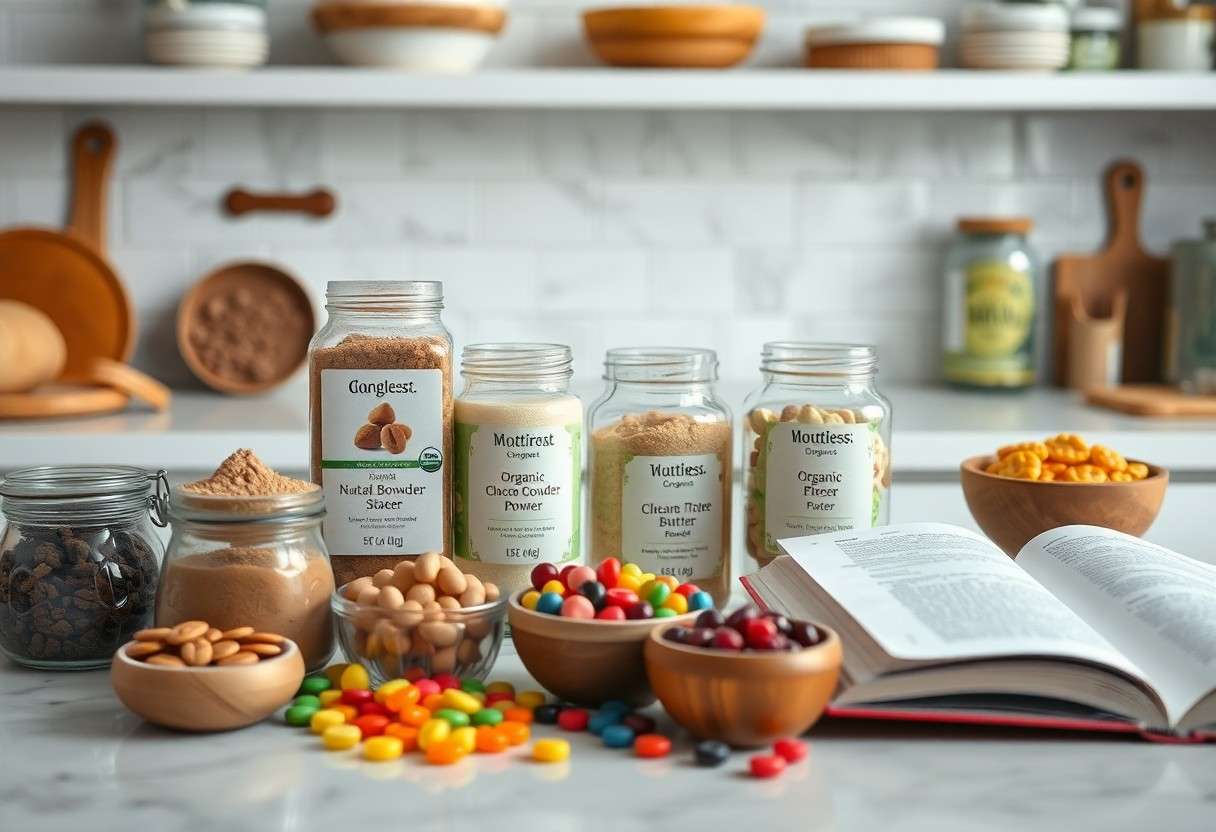
There’s a growing demand for transparency in food production, and as a confectionery maker, understanding clean label ingredients is imperative for your success. This guide will equip you with the knowledge to select wholesome, recognizable components that align with consumer expectations. You’ll learn about alternative sweeteners, natural colors, and other additives that can enhance your products while maintaining integrity. Dive into the world of clean label confectionery ingredients to create treats that not only taste great but also resonate with health-conscious customers.
Types of Clean Label Confectionery Ingredients
When submerging into the world of clean label confectionery, it’s important to understand the various ingredients that qualify under this label. Clean label ingredients often emphasize simplicity, transparency, and natural sourcing. This section highlights the key categories that typify clean label confectionery products. Offering a mix of functionality and appeal, these ingredients help satisfy consumer demand for healthier, more wholesome options. A firm grasp of these categories will empower you to make informed decisions in your confectionery production.
- Natural Sweeteners
- Plant-Based Fillers and Stabilizers
- Natural Colorants
- Functional Ingredients
- Plant-Based Gums and Thickeners
Assume that incorporating natural sweeteners into your confectionery can significantly enhance flavor profiles while adhering to clean label principles. Unlike synthetic sweeteners, natural sweeteners derive from plants and herbs, offering a more holistic approach to sweetness. Common examples include agave syrup, date sugar, and monk fruit extract, each bringing distinct flavors and sweetness levels. Furthermore, the use of these sweeteners often aligns with consumer preferences for products they perceive as healthier and less processed.
Natural Sweeteners
Natural sweeteners provide an effective way to reduce the negative connotations associated with traditional sugars, thereby catering to the health-conscious consumer. For instance, coconut sugar contains trace minerals and has a lower glycemic index than regular sugar, making it an attractive option for diabetic-friendly products. Honey and maple syrup are also widely used, both enhancing taste and providing additional nutrients. These ingredients not only satisfy sweetness requirements but also introduce unique flavors, differentiating your products from competitors.
Adding natural sweeteners can also enhance the marketing appeal of your confectionery. By showcasing these ingredients, you present your products as premium, healthier alternatives. This positioning resonates particularly well with consumers who are increasingly vigilant about ingredient sourcing. Transparency regarding the use of natural sweeteners in your marketing materials can build trust and loyalty among consumers seeking authenticity. As awareness grows, you may find increased demand for items sweetened with purely natural sources.
As clean label consciousness continues to evolve, employing natural sweeteners can establish your brand as a forward-thinking industry leader. Innovations in this sector also provide opportunities for new product development. By experimenting with combinations of sweeteners, you can forge signature flavors unique to your brand. This approach not only enriches your portfolio but also engages an audience eager for novel experiences in confectionery.
Plant-Based Fillers and Stabilizers
Plant-based fillers and stabilizers serve a fundamental role in clean label confectionery, providing texture and structural integrity while adhering to natural ingredient standards. These ingredients include things like tapioca starch, pectin, and guar gum, all derived from plant sources. They allow you to create confectionery products that are not only visually appealing but also maintain a desirable mouthfeel without the use of synthetic additives. By utilizing these natural alternatives, you can assure your consumers of product quality and safety.
The trend towards healthier eating has spurred interest in plant-based stabilizers as consumers becomes wary of artificial substances. For instance, gelatin, traditionally a common stabilizer derived from animal by-products, has alternatives like agar-agar and carrageenan that provide similar functionalities while aligning better with vegetarian and vegan diets. This opens avenues for your product offerings, stretching beyond traditional markets into the evolving landscape of dietary preferences.
Incorporating these stabilizers not only enhances consistency and shelf-life but also allows you to maintain clean label claims. Consumers are increasingly interested in knowing the origins of every ingredient, so being able to highlight these plant-based fillers contributes positively to perceived product integrity. You can further enhance your brand image by promoting the sustainable practices involved in sourcing these materials, thus appealing to environmentally-conscious consumers.
Plant-based fillers and stabilizers afford unique opportunities to both innovate and market your products effectively. You can create an array of textures and consistencies while meeting the expectations of a growing demographic that prioritizes clean eating. Choosing the right plant-based stabilizers not only meets technical requirements but also elevates your brand into a segment that values quality and authenticity.
Tips for Selecting Clean Label Ingredients
Choosing clean label ingredients is an important practice for creating transparency in your confectionery products. Start with a critical evaluation of your product’s ingredient list. Look for components that are simple and recognizable, avoiding those that sound artificial or overly complicated. Conduct thorough research on suppliers who prioritize clean sourcing. Partnering with transparent suppliers who provide detailed information about their ingredient sourcing can significantly enhance your product’s credibility. Additionally, authentic supply chain transparency helps you communicate confidently with consumers about what they are consuming.
- Prioritize whole, unprocessed ingredients whenever possible.
- Look for ingredients that are derived from natural sources.
- Steer clear of additives, preservatives, and artificial flavors.
- Check for third-party certifications: organic, non-GMO, fair trade, etc.
- Engage suppliers who provide detailed sourcing information.
Any lingering uncertainty regarding your ingredient choices can undermine the aims of clean label standards, so aim for clarity and confidence in every selection.
Understanding Ingredient Labels
Understanding the nuances of ingredient labels is vital for making informed choices. When you examine a label, begin by scrutinizing the ingredient list from top to bottom. Ingredients are typically listed by weight, with the predominant ingredients appearing first. This hierarchy can provide insights into product content. For instance, if sugar is the first ingredient, it’s likely that your confectionery is high in sweetness, which might not align with your clean label objectives. Keep an eye out for terms that hint at artificial processing or additives, such as “natural flavors” or “preservatives.”
Moreover, the presence of ambiguous terminologies can be a red flag. The FDA allows certain terms that may not reflect the natural source of an ingredient; hence, it becomes your task to decipher these signals. You might want to familiarize yourself with common additives and their roles. For example, xanthan gum is often used as a thickener or stabilizer but may not fit into a clean label strategy depending on your product’s positioning. Take the time to research these ingredients to better understand their implications on health and wellness. You might also enjoy our guide on Does dark chocolate contain any vitamins or minerals beneficial for health?.
Being vigilant with labels helps not only in adhering to clean label principles but also in meeting consumer expectations. Today’s consumers are savvy and meticulous about what they put in their bodies, making your ability to select and communicate effectively about your ingredients paramount. Transparency can become a key selling point, distinguishing your products in a crowded market as consumers favor brands that prioritize health and simplicity.
Sourcing High-Quality Ingredients
Sourcing high-quality ingredients can be a game-changer for your confectionery products. It begins with building strong relationships with reliable suppliers who are committed to sustainability and ethical sourcing. This ensures that the ingredients you use not only meet clean label standards but also adhere to higher quality control measures. Ask potential suppliers about their sourcing practices, cultivation methods, and the quality assurance protocols they follow. Certifications such as organic or non-GMO can further affirm the integrity of your ingredients, enhancing your brand’s reputation.
To evaluate the quality of ingredients, you might request samples to conduct your own tests for taste, texture, and performance in your final product. Keep track of how individual ingredients behave in different formulations. For instance, using coconut sugar might impart a richer flavor profile compared to conventional sugar, which can make your confectionery more appealing. Always consider the nutritional benefits of your ingredients, as they can affect not just taste but consumer perception about healthfulness.
Building a network of trusted suppliers who share your vision can also facilitate better pricing strategies, ensuring that you can maintain profitability while investing in higher quality components. Annual audits of supplier practice and product offerings can keep you aligned with best practices in sourcing, thereby building a resilient supply chain. You’ll find that sourcing high-quality ingredients not only elevates your products but also fosters a lasting brand loyalty among health-conscious consumers.
Step-by-Step Guide to Formulating Clean Label Confectionery
| 1. Ingredient Selection | Choose ingredients that are recognizable, minimally processed, and derived from natural sources. Examine labels for additives, artificial colors, and preservatives before including them in your formulation. |
| 2. Recipe Development | Develop recipes that emphasize taste and texture while remaining true to clean label principles. Focus on balancing flavors and functionality with health-oriented ingredients. |
| 3. Testing and Optimization | Conduct rigorous testing and optimization to refine your formulation, ensuring it meets consumer expectations for quality and taste. |
Recipe Development
Your recipe development phase involves a deep understanding of how each ingredient interacts with others. Start by listing potential ingredients that match your clean label criteria, like organic sugars, natural flavors, and whole food inclusions. Confectionery products such as gummies or chocolate require a balance of viscosity, sweetness, and texture that may necessitate adjustments in ratios. Incorporate a diverse range of natural sweeteners like agave or maple syrup alongside traditional choices for a unique flavor profile that your consumers will appreciate.
Experimentation is key in this stage; try small batches to evaluate combinations. For example, if you’re crafting a fruit-flavored candy, using freeze-dried fruit powder can add authentic taste without artificial additives. Document every change meticulously, noting the characteristics of each batch to analyze changes in flavor, texture, and appearance. This structured approach allows you to build a repertoire of recipes and understand the nuances of flavor and texture modification.
It’s imperative to solicit feedback from blind taste tests with your target market during recipe development. Gaining direct responses will help you refine your product effectively. Analyze both qualitative and quantitative feedback, adjusting your ingredients and portions based on consumer preferences while keeping your clean label commitments in focus.
Testing and Optimization
Testing and optimization involve a systematic evaluation of your prototypes to ensure they meet the necessary standards for both safety and quality. Utilize a controlled environment to produce a series of batches, and carry out sensory evaluations concentrating on flavor, mouthfeel, and overall consumer satisfaction. Focus groups or surveys can gather insights, providing data on how your product performs compared to existing options in the market.
The stability and shelf life of clean label confectionery can present challenges, particularly when avoiding preservatives. Conduct shelf-life testing under various conditions, such as exposure to light and temperature variations, to determine how your product retains its quality over time. Aim for formulations that maintain their integrity without the need for synthetic additives, which will distinguish your offerings in the marketplace.
Optimization is an iterative process. You may find that substituting one ingredient leads to undesirable changes in texture or flavor. Use your sensory data to make informed decisions on your formulations. If a natural thickener like tapioca syrup leads to a less than perfect chewiness, consider alternatives like pectin or agar that still align with clean label principles yet yield the desired mouthfeel.
Factors Influencing Ingredient Selection
Your selection of ingredients in clean label confectionery extends beyond mere recognition; various factors come into play that can greatly influence your decisions. Consumer trends, regulatory guidelines, and sensory properties all hold significant sway over your ingredient choices. Additionally, the prevailing market demand for transparency in food labeling pushes you to investigate deeper into the origins and processing of your ingredients. Understanding these dynamics helps you better align your product with consumer expectations and regulatory standards, ensuring your confectionery not only tastes good but is also appealing in its ingredient composition. You might also enjoy our guide on How does dark chocolate affect the immune system?.
- Consumer preferences and trends
- Regulatory requirements
- Cost considerations
- Ingredient functionality
- Supply chain availability
When formulating your confectionery, considering dietary restrictions is paramount in creating an inclusive product. You’ll find that the number of individuals with food allergies and specific dietary needs is on the rise. For instance, gluten intolerance affects an estimated 1 in 133 people, while the prevalence of nut allergies shows an alarming increase. Offering a range of options that accommodate common dietary restrictions not only broadens your consumer base but also demonstrates your commitment to health and well-being. Ingredients such as gluten-free flours, dairy alternatives, and natural sweeteners can keep your products safe and attractive to those with dietary limitations.
Dietary Restrictions
As you craft your clean label confections, navigating dietary restrictions is vital in today’s diverse marketplace. The preference for vegan ingredients is not merely a trend—it has become a standard expectation among conscious consumers. You might consider sourcing alternatives like aquafaba or plant-based gelatin to ensure your sweets cater to those who avoid animal products. Moreover, clean label confectionery can incorporate naturally derived sweeteners such as agave syrup or coconut sugar, which appeal to those lowering their sugar intake. By addressing these dietary considerations, you position your brand favorably amid health-conscious buyers.
A proactive approach to understanding allergies is equally important when selecting your ingredients. Offering clear labeling that highlights potential allergens can build trust with your consumers. Instead of relying on artificial additives, you can transform traditionally allergenic ingredients by using creative replacements, making your products not just safer but also more appealing. Ensuring that every confectionery item is as inclusive as possible aligns with the growing demand for transparency and consumer awareness.
Sustainability Considerations
Your assessment of sustainability in ingredient selection will increasingly resonate with consumers who prioritize eco-friendliness. Modern buyers are seeking products with a minimal environmental footprint, reflecting the broader societal shift toward sustainability. Choosing responsibly sourced cocoa, for instance, can position your confectionery as a leader in ethical practices. Collaborating with suppliers who adhere to fair-trade principles not only builds your brand’s reputation but also supports communities involved in ingredient sourcing. Furthermore, utilizing plant-based alternatives can lower carbon emissions associated with livestock production, presenting a compelling case for sustainability in clean label confectionery.
Incorporating sustainable ingredients is not just an act of corporate responsibility; it’s a strategic business move. Research indicates that 66% of consumers are willing to pay more for brands committed to social and environmental causes. By showcasing your use of organic, non-GMO, or regenerative agriculture ingredients, you appeal to a growing demographic of environmentally savvy shoppers. Assume that your commitment to sustainability will not only enhance brand loyalty but also provide a selling point in an increasingly crowded market.
As you expand on your knowledge of sustainability considerations, remember that consumer anticipation for sustainable practices only grows. The rise in certifications like USDA Organic and Non-GMO Project Verified enhances the credibility of your claims regarding sustainability. By obtaining such certifications, you reinforce your dedication to sourcing ingredients wisely, which resonates deeply with environmentally conscious consumers. Ultimately, you will find that integrating sustainability initiatives into your ingredient selection process yields dividends in brand perception and customer loyalty.
Pros and Cons of Clean Label Ingredients
| Pros | Cons |
|---|---|
| Transparency in ingredient sourcing | Higher production costs |
| Perceived health benefits | Limited ingredient options |
| Appeal to health-conscious consumers | Shorter shelf life |
| Potentially less allergenic ingredients | Complexity in formulation |
| Strong market demand | Need for consumer education |
| Opportunity for innovation | Regulatory challenges |
| Enhanced brand loyalty | Possible taste trade-offs |
| Support for sustainable practices | Perceived elitism |
| Alignment with current food trends | Variability in consumer perception |
| Increased consumer awareness | Potential for misinformation |
Advantages for Health-Conscious Consumers
Health-conscious consumers are increasingly savvy, seeking clean label products that align with their wellness goals. By opting for clean label confectionery, you cater to a demographic that prioritizes ingredient transparency. This awareness allows you to craft products using ingredients that are not only recognizable but also often perceived as healthier. When your products list whole foods, such as fruit, nuts, and natural sweeteners, consumers feel more confident in what they are consuming, leading to increased brand loyalty and repeat purchases.
The potential health benefits associated with clean label ingredients extend beyond just what’s inside the packaging. Studies have indicated that natural ingredients can enhance flavor profiles and preserve nutrients better than synthetic alternatives. For instance, using fruit purees as sweeteners not only reduces refined sugar content but also adds vitamins and antioxidants, making your products more appealing to those concerned with overall health. This multifaceted approach to formulation creates a win-win situation for you and your audience, as it aligns with their lifestyle choices.
Your commitment to using clean label ingredients can also position you as a market leader. As more consumers seek out products that reflect their values, emphasizing health and sustainability can differentiate your offerings. Engaging storytelling about ingredient sourcing and the ethical practices behind your brand can strengthen your relationship with consumers. The appeal of clean label products lies not just in the ingredients themselves but in the narrative and integrity that accompany them, encouraging health-conscious consumers to choose your confectionery over conventional options.
Potential Drawbacks and Challenges
While the advantages of clean label ingredients are compelling, there are several drawbacks and challenges that you must navigate carefully. One significant challenge is the higher cost associated with sourcing and using clean label ingredients. Natural alternatives often command premium pricing compared to their synthetic counterparts. This can limit your ability to price products competitively, potentially affecting sales volume in price-sensitive markets. If you’re not able to convey the added value of your clean label stance effectively, consumers may shy away from purchasing these more expensive options.
Another concern is the formulation complexity that arises from using clean label ingredients. Many of these ingredients can behave differently in recipes compared to traditional additives, which may affect texture, stability, and flavor. For example, the absence of artificial preservatives can lead to a shorter shelf life, necessitating faster consumption or advanced preservation techniques such as freeze-drying. You’ll need to invest time and resources not only in R&D but also in educating your team and consumers on the benefits and handling of these newer formulations to mitigate any confusion. You might also enjoy our guide on What antioxidants are found in dark chocolate, and how do they affect the body?.
Consumer perceptions can also pose a challenge. While many individuals enthusiastically embrace clean label products, others may hold misconceptions or skepticism regarding their efficacy and taste. Potential misinformation in the market can influence decisions, leading some consumers to remain loyal to their familiar brands with conventional ingredients. It’s imperative to create clear communication strategies that address these concerns, helping consumers understand the genuine advantages of your clean label confectionery while highlighting the authenticity and quality behind each ingredient.
Future Trends in Clean Label Confectionery
Innovations in Ingredients
As the clean label movement evolves, innovations in ingredients are driving a significant shift in the confectionery landscape. One of the most notable advancements is the rise of plant-based sweeteners, such as allulose and monk fruit, which provide sweetness without the calories or negative health implications of traditional sugars. You may find that incorporating these alternatives not only aligns with consumer expectations but also broadens your product offerings. Research indicates that nearly 30% of consumers actively seek products with reduced sugar content, emphasizing the importance of these innovations in meeting market demand.
Technological advancements also play a role in ingredient innovation. For instance, extraction and processing methods continue to improve, allowing for the creation of natural flavors and colors derived from fruits and vegetables. This shift ensures that you can provide visually appealing products without synthetic additives. Case studies from leading brands confirm that products featuring vibrant, natural colors have seen a 50% increase in consumer purchase compared to their artificially colored counterparts, underscoring the impact of ingredient transparency on consumer choices.
Moreover, the introduction of functional ingredients, such as adaptations of probiotics and fiber, represents a growing consumer interest in health and wellness. These additions not only enhance the nutritional profile of confectionery but also help to position your products as healthier alternatives. Statistics reveal that 65% of consumers are more likely to purchase sweets that offer added health benefits, demonstrating a clear market trend that you can capitalize on by integrating such innovative ingredients into your formulations.
Consumer Preferences
Your understanding of consumer preferences is vital in shaping the future of clean label confectionery. Over the last few years, the shift towards transparency has intensified, with more consumers prioritizing products that are free from artificial ingredients and additives. Surveys indicate that up to 75% of shoppers read ingredient labels closely, reflecting a growing desire to influence their health choices through the snacks they consume. In this environment, offering clear, simple labels can significantly boost your brand’s credibility and trustworthiness.
The emphasis on wholesome, recognizable ingredients extends beyond just health; consumers are also increasingly valuing the source and sustainability of their food. You might consider sourcing local or organic ingredients, as this aligns with the ethical pursuits of many consumers. Data shows that 62% of consumers are willing to pay a premium for products labeled as organic, highlighting an opportunity for you to enhance your product’s appeal while supporting sustainable practices. As these preferences evolve, maintaining strong connections with suppliers and sourcing responsibly will strengthen your brand image and market position.
A greater focus on dietary inclusivity is also reshaping consumer preferences. Increased awareness of dietary restrictions, such as gluten-free, vegan, and allergen-friendly options, has led to a significant rise in demand for confectionery that caters to these needs. An estimated 25% of consumers actively seek out gluten-free products, emphasizing the importance of developing clean label options that serve diverse dietary requirements. Ultimately, aligning your offerings with these consumer preferences will position your brand favorably in a competitive market.
To Wrap Up
Now that you have explored the necessary guide to clean label confectionery ingredients, you should feel empowered to make informed choices in your formulations. Understanding the importance of transparency in ingredient sourcing helps you to cater to the growing consumer demand for clean label products. When you prioritize natural, recognizable ingredients in your confectionery creations, you not only enhance the appeal of your products but also build trust with your customers. This proactive approach can set your brand apart in a competitive market.
Incorporating clean label ingredients into your products requires you to stay informed about industry trends and regulatory developments. By keeping a close eye on consumer preferences and leveraging innovative ingredient options, you can ensure that your offerings remain relevant. You will benefit from experimenting with various natural sweeteners, colors, and flavoring agents that align with clean label principles while still delivering the desired taste and texture that your customers expect.
Ultimately, adopting clean label practices in your confectionery line will position you as a forward-thinking company, catering to health-conscious consumers who are keen on knowing what goes into their food. As you navigate this evolving landscape, focusing on quality, transparency, and sustainable practices will serve not only to satisfy your customers but also to bolster your brand’s reputation. By making these changes, you are not just responding to current trends but also contributing to a broader movement towards healthier and more sustainable food choices in the confectionery industry.


