Essential Guide to Collagen Infused Chocolate Benefits
Chocolate with collagen helps you improve skin elasticity and joint comfort, but you should watch for high sugar and allergic reactions while choosing quality p

This article contains Amazon affiliate links. As an Amazon Associate, CandiesAndSweets earns from qualifying purchases.
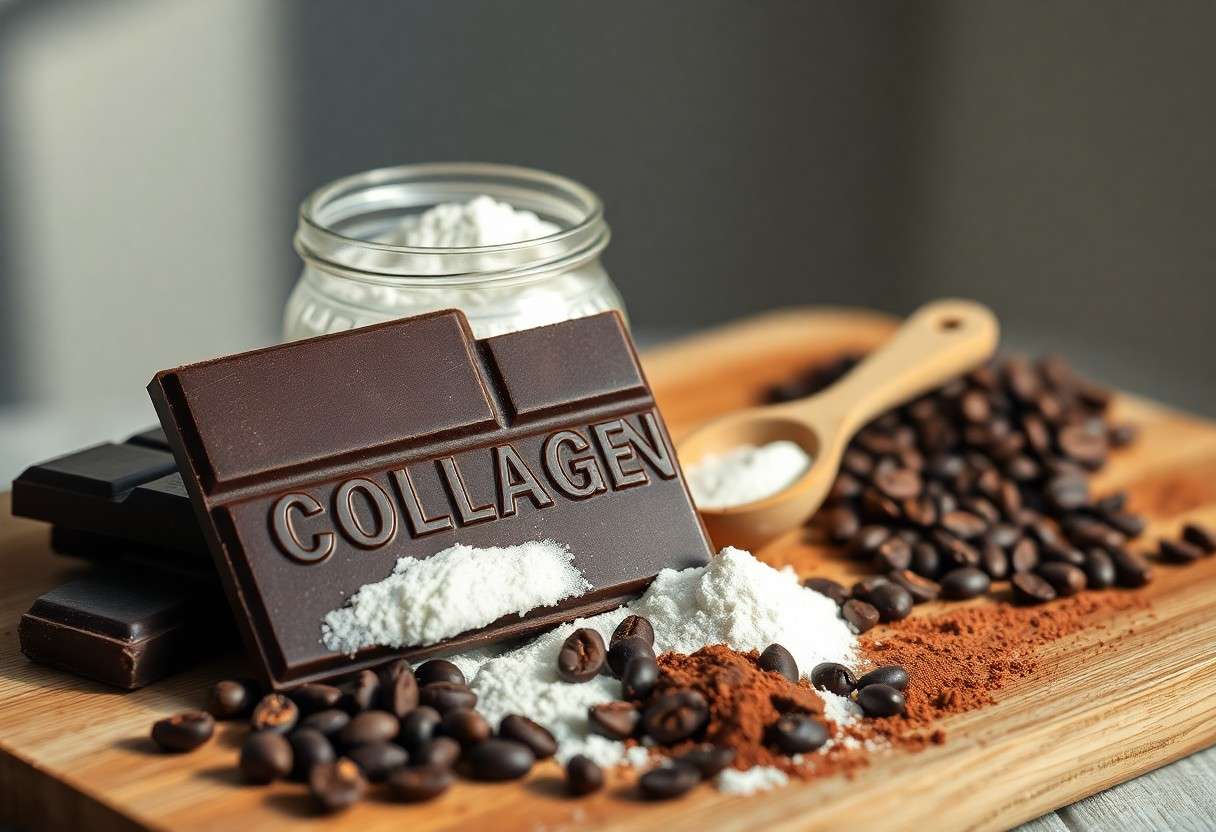
Chocolate with collagen helps you improve skin elasticity and joint comfort, but you should watch for high sugar and allergic reactions while choosing quality products and proper dosing.
Primary Types of Collagen Infused Chocolate
Types of collagen-infused chocolate commonly use marine collagen or bovine collagen, each affecting flavor, texture, and benefits. You will notice marine tends to be lighter and bovine more neutral; both deliver hydrolyzed peptides for skin support and joint support.
Choosing between these types comes down to taste tolerance, sourcing concerns, and allergen risk – fish allergy is a key danger with marine options and should guide your choice. Perceiving the trade-offs helps you select the best match for your goals.
- Marine collagen: lighter flavor, high bioavailability
- Bovine collagen: cost-effective, broad type I/III support
- Hydrolyzed peptides: easier mixing, neutral mouthfeel
| Type | Key Notes |
| Marine | Type I focus; lighter taste; beware fish allergy |
| Bovine | Types I & III; economical; good for joint support |
| Peptide form | Hydrolyzed for solubility and absorption |
| Flavor impact | Dark masks collagen; milk softens flavor |
| Best use | Choose by goals: skin, joints, or everyday snack |
Marine vs. Bovine Collagen Peptides
Marine collagen delivers predominantly type I peptides and often offers superior bioavailability, making it a strong option if you prioritize skin support. You should watch for fish allergy and check sustainability claims.
Bovine collagen supplies a mix of type I and III peptides, tends to be more affordable, and suits those focused on joint support and overall protein intake; you will appreciate its neutral profile in many chocolate bases.
Dark, Milk, and Sugar-Free Formulations
Dark chocolate formulations pair well with collagen because the polyphenols help mask any off-notes while adding antioxidant benefits; you will find a richer, less sweet experience that highlights functional ingredients.
Milk chocolate versions offer milder flavor and creamier texture but can include dairy that triggers sensitivities, so you should confirm dairy content if you have intolerances.
Consider sugar-free formulations if you avoid added sugars; note many use sugar alcohols or sweeteners that can cause digestive upset, so you should test tolerance and read labels for hidden additives.
Critical Factors for Evaluating Product Quality
Assess labels, sourcing and certifications to gauge product integrity; examine packaging for batch numbers and expiration. Look for third-party testing, clear ingredient lists, and supplier transparency.
- Bioavailability
- Molecular weight
- Purity
- Third-party testing
- Ingredient transparency
After prioritizing products with verifiable lab data, choose options that report low contaminants, clear peptide profiles, and minimal additives.
Bioavailability and Molecular Weight Standards
Check the molecular weight and peptide size, since smaller peptides usually increase bioavailability and absorption when you eat collagen-infused chocolate. Seek hydrolyzed collagen with published peptide ranges and COA mentions of average peptide mass to confirm delivery potential.
Purity Testing and Ingredient Transparency
Verify Certificates of Analysis that list heavy metals, pesticide screens and microbial limits so you can avoid products with heavy metals or microbial contamination. Demand transparent sourcing and full ingredient disclosure to spot hidden additives and allergens.
Ensure COAs include batch numbers, test dates and an accredited lab signature; look for specific assays (heavy metals, microbiology, peptide profile) and reject products lacking accessible documentation or showing failed thresholds for contaminants.
Step-by-Step Protocol for Maximizing Absorption
Step-by-Step Checklist
| Step | Action |
|---|---|
| Select | Choose hydrolyzed collagen peptides for faster absorption. |
| Combine | Pair each serving with a vitamin C source to support synthesis. |
| Time | Space doses for consistent amino acid availability (morning, post-workout, or evening). |
| Avoid | Steer clear of tannin-rich drinks around dosing (black tea, strong coffee). |
| Monitor | Track response and side effects; seek medical advice if you have health conditions. |
Determining Your Optimal Daily Dosage
Aim for a starting dose of 2.5-10 g daily, increasing toward up to 15 g only if your goals and tolerance justify it. Adjust based on body weight and activity, and watch for digestive upset or allergic reactions; consult a clinician if you are pregnant, breastfeeding, have kidney disease, or take regular medications.
Strategic Timing for Nutrient Synergy
Pair collagen with a vitamin C-rich snack or drink to support synthesis and absorption; citrus, berries, or a small smoothie work well. Avoid taking collagen immediately with tannin-heavy beverages, since those can reduce protein availability.
Space doses so you maintain steady amino acid levels-one dose in the morning and another post-exercise or before bed can match recovery and skin repair rhythms, and consistent daily use yields the best outcomes.
Analyzing the Pros and Cons of Functional Treats
| Pros | Cons |
|---|---|
| May improve skin elasticity and hydration | Added sugars and extra calories |
| Supports joint mobility for some users | Variable collagen dose and bioavailability |
| Convenient, tasty delivery format | Can replace more nutritious snacks |
| Boosts daily protein intake slightly | Potential allergens (dairy, nuts, soy) |
| Encourages consistent use when palatable | Higher cost than plain chocolate or collagen powder |
| Combines pleasure with function | Marketing claims may outpace evidence |
Consider how you assess trade-offs: you gain convenience and potential skin and joint benefits, but results depend on dose, quality, and consistency.
You should scrutinize labels since hidden sugars, calories, and unclear sourcing can turn a functional treat into an indulgent snack.
Benefits for Skin Elasticity and Joint Mobility
Collagen can help you notice firmer skin and reduced joint stiffness over weeks when intake is consistent and paired with a balanced diet; expect gradual changes and recordable improvements.
Regular use alongside hydration and adequate protein may increase your likelihood of seeing elasticity gains, though individual response varies and clinical support is modest.
Nutritional Trade-offs and Caloric Considerations
Watch serving sizes because you can quickly add extra calories and sugar that offset collagen’s benefits if you consume treats habitually.
Balance your overall intake by treating collagen chocolate as a supplement rather than a meal replacement to avoid unintended weight gain.
Sugar content and added fats represent the most immediate risk to your diet; you should compare labels and choose lower-sugar, higher-collagen options when possible.
Final Words
On the whole you can enjoy collagen-infused chocolate as a tasty way to support skin elasticity, joint comfort, and protein intake while savoring a familiar treat. Choose products with clear collagen sources and moderate sugar to match your dietary needs, and combine them with a varied diet and hydration for best results.