Essential Guide to Organic Chocolate Production
Over the years, producing organic chocolate has evolved into an art form that prioritizes sustainability and quality. In this imperative guide, you will discove

This article contains Amazon affiliate links. As an Amazon Associate, CandiesAndSweets earns from qualifying purchases.
Part of our Sustainable & Eco-Friendly Chocolate & Candy guide.
Over the years, producing organic chocolate has evolved into an art form that prioritizes sustainability and quality. In this imperative guide, you will discover the key steps to creating your own organic chocolate, from sourcing ethically-grown cacao beans to mastering the production process. Understanding the importance of environmental stewardship and fair trade practices will not only enhance your chocolate-making skills but also elevate your connection to this beloved treat. Dive into the world of organic chocolate production and transform your passion into a rewarding and sustainable endeavor.
Types of Organic Chocolate
When considering organic chocolate, you will find several distinct types, each offering unique flavors and textures. The primary categories include dark chocolate, milk chocolate, and white chocolate, which cater to a diverse range of taste preferences. Understanding these types will enhance your appreciation for the artistry involved in organic chocolate production. Each type has its ingredients, processing methods, and benefits that contribute to the overall experience of enjoying organic chocolate.
- Dark Chocolate
- Milk Chocolate
- White Chocolate
- Raw Chocolate
- Vegan Chocolate
Importantly, any of these varieties can be made using organic ingredients sourced from sustainable farms, ensuring that the environmental impact is minimized while flavor profiles are maximized.
Dark Chocolate
Dark chocolate stands out for its rich, intense flavor and higher cocoa content, typically ranging from 50% to 90%. You may find that it contains little to no milk solids, which enhances its bitter notes and allows the natural taste of the cocoa beans to shine through. Organic dark chocolate is often rich in antioxidants, which can offer health benefits such as improved heart health and better cognitive function. Many artisans focus on single-origin dark chocolates, allowing you to experience the unique characteristics of specific regions where the cocoa is grown.
The production of organic dark chocolate involves careful sourcing of cocoa beans from farms that avoid synthetic fertilizers and pesticides. You might be particularly interested in the fermentation and drying processes that influence the final flavor profile. Fermentation allows for the development of complex flavors, while proper drying techniques are crucial to prevent the growth of mold. As you explore dark chocolate, pay attention to the percentage of cocoa content, as this will impact both the sweetness and bitterness of the chocolate.
Some producers enhance the dark chocolate experience by incorporating organic ingredients such as spices, herbs, or fruits. For example, dark chocolate infused with chili can provide a delightful heat that complements the natural bitterness of the cocoa. You can find variations featuring sea salt, ginger, or even superfoods like matcha and maca, offering a sophisticated twist that emphasizes the versatility of dark chocolate. Any dark chocolate you choose should reflect a balance between bitterness and sweet notes, making it an indulgent option for any occasion.
Milk Chocolate
Milk chocolate strikes a harmonious balance between sweetness and creaminess, which appeals to a broad audience. This variety typically contains milk solids, which mellow the chocolate’s bitterness and add a delightful creaminess to its texture. When you choose organic milk chocolate, look for products that use high-quality organic milk, as this will significantly affect the flavor. The cocoa content in milk chocolate is usually lower than in dark chocolate, commonly ranging from 25% to 45%, providing a sweeter taste and a softer mouthfeel.
The history of milk chocolate dates back to the 19th century and has since evolved into one of the most popular chocolate types worldwide. You will often encounter variations that combine distinct flavors, incorporating ingredients like nuts, caramel, or even sea salt to elevate the experience. Artisan producers are increasingly focusing on sourcing their milk from organic farms that prioritize animal welfare and sustainable practices, ensuring the ethical integrity of their chocolate. By choosing organic milk chocolate, you support practices that consider the ecological and ethical impacts of production.
Additionally, many consumers appreciate the versatility of milk chocolate in culinary applications. It serves as an ideal base for desserts, confections, or even savory dishes, offering a delightful contrast to bitter flavors. Organic milk chocolate chips can be used in baking, while bars are perfect for pairing with fruits or cheeses. Any way you choose to enjoy organic milk chocolate, it remains a comforting, familiar, and indulgent treat that appeals to both the young and the young at heart.
White Chocolate
While often debated, white chocolate is a beloved type based on cocoa butter, sugar, and milk solids. You should note that it contains no cocoa solids, which differentiates it from dark and milk chocolates. The creamy, sweet profile of white chocolate is often enhanced with additional flavorings like vanilla or citrus extracts. When sourcing organic white chocolate, ensure the cocoa butter is ethically harvested from organic farms to maintain its purity and quality. This chocolate is particularly valued for its smooth texture, contrasting sharply with its darker counterparts.
White chocolate’s unique characteristics make it an ideal ingredient in various desserts, from cookies to mousses and ganaches. You may be interested in exploring how organic white chocolate’s richness pairs excellently with different flavor profiles, such as tart fruits, spices, or even a touch of sea salt. When crafting recipes, it allows for creative expressions due to its ability to complement diverse ingredients while retaining its essence. The balance of sweet and creamy can elevate confectionery creations and appeal to those who prefer less bitterness in their chocolate.
Any confectionery enthusiast will find organic white chocolate offers endless opportunities for innovation and pairing. Whether you enjoy it in its pure form or as part of a dessert, you can experience the delightful richness that organic ingredients bring to this sweet treat.
Factors Influencing Organic Chocolate Production
Several interrelated factors significantly influence organic chocolate production, from the soil where cacao is grown to the sustainable practices employed by farmers. Understanding these elements can enhance your approach to ensuring high-quality, organic chocolate. The interplay of soil quality, climate conditions, and sustainable farming practices are crucial components that can help you optimize your production and yield superior chocolate.
- Soil quality
- Climate conditions
- Sustainable farming practices
After recognizing these different aspects, you can probe into the specifics that directly impact your operations.
Soil Quality
The health of the soil plays a foundational role in organic chocolate production. Nutrient-rich, well-drained soil promotes robust cacao tree growth, crucial for a successful harvest. Soil comprised of organic matter supports microbial life and ensures a healthy ecosystem, benefiting not only the cacao trees themselves but also the surrounding biodiversity. For instance, incorporating cover crops can enhance soil fertility and prevent erosion, thereby playing an integral part in sustainable chocolate production.
In particular, soil pH levels affect nutrient availability and plant health. You should aim for a slightly acidic pH, generally between 6 and 7, to maximize nutrient uptake for your cacao trees. Regular soil testing can help identify deficiencies that need to be addressed, leading you to act quickly on implementing amendments like compost or organic fertilizers. This proactive approach not only boosts the immediate yield but also ensures long-term sustainability.
Moreover, the practice of crop rotation can significantly enhance soil structure and fertility over time. By rotating cacao with other crops such as legumes, you can increase nitrogen levels in the soil, enriching it further. This is crucial not just for cacao but for maintaining a resilient agricultural system that thrives on diversity. After honing your soil management techniques, you’ll likely see a marked improvement in both cacao quality and biodiversity on your farm.
Climate Conditions
Climate exerts a substantial influence on cacao growth and, by extension, chocolate production. Cacao thrives in warm, humid environments, typically between 20°C and 30°C (68°F to 86°F) with plentiful rainfall. These climate conditions are often found around the equator, making it a prime zone for cultivation. However, fluctuations in temperature and humidity can result in stress for the trees, leading to issues such as reduced yield or susceptibility to diseases.
Specific climate conditions also affect the timing of flowering and fruiting. For optimal production, cacao trees need a consistent rainfall pattern or an irrigation system to mitigate dry spells. Beyond just temperatures and precipitation, it’s crucial to consider microclimates within your agricultural area. Areas sheltered from wind or having varied elevations can create variations in humidity and temperature, allowing you to tailor agricultural strategies accordingly, maximizing production potential.
After focusing on these environmental elements, you might explore innovative methods to adapt to prevailing climate conditions. Techniques like shaded planting can help buffer the cacao trees from harsh weather extremes and manage moisture levels. Understanding climate impacts lets you make informed decisions that ultimately lead to better cacao and high-quality organic chocolate.
Sustainable Farming Practices
Implementing sustainable farming practices is fundamental to organic chocolate production and offers various advantages. Techniques such as agroforestry not only contribute to ecosystem health but also enhance your farm’s resilience to climate variability. By intercropping cacao with shade trees, you can improve biodiversity, reduce pests, and create a microclimate that benefits your crops. Diverse planting schemes can also yield secondary crops, providing additional income streams and promoting food security.
Organic certification demands stringent adherence to sustainable practices, ensuring that your farming methods do not utilize synthetic pesticides or fertilizers. Incorporating natural pest management strategies, like using beneficial insects or organic fungicides, ensures you maintain soil health while preserving the environment. You should also consider integrating composting and vermiculture, which recycle organic waste and enrich soil nutrients, creating a self-sustaining farming cycle.
Additionally, maintaining good agricultural practices will likely increase your marketability. Consumers are increasingly eco-conscious and seek products that align with their values, making your commitment to sustainability an crucial selling point. After establishing these practices, you’ll build not only a successful organic chocolate business but also a farm that contributes positively to environmental health.
Step-by-Step Process of Organic Chocolate Production
| Process Step | Description |
|---|---|
| Sourcing Organic Cacao | Obtaining high-quality, certified organic cacao beans from sustainable sources. |
| Fermentation and Drying | Transforming raw cacao into flavorful beans through fermentation and subsequent drying processes. |
| Roasting and Grinding | Enhancing flavor profiles through roasting, followed by grinding into cocoa mass and the separation of cocoa butter and cocoa solids. |
Sourcing Organic Cacao
Sourcing organic cacao is the first critical step in the chocolate production process that directly influences the quality of your final product. To ensure your cacao meets organic standards, establish relationships with certified organic farmers or cooperatives. These farmers often use agroforestry techniques that promote biodiversity and soil health, ensuring that the cacao is not only organic but also grown sustainably. You should look for cacao sourced from regions known for their rich flavor profiles, such as Peru, Ecuador, or the Dominican Republic, where unique environmental factors enrich the soil and beans.
Choosing to source your cacao beans from fair-trade options also ensures that farmers receive fair compensation, which supports local economies. For instance, some brands prioritize direct trade relationships that bypass intermediaries, allowing you to pay a premium for higher quality beans while ensuring farmers can invest in their communities. By visiting farms or working with reliable importers, you gain transparency in your supply chain, further enhancing your brand’s integrity and commitment to ethical sourcing.
When sourcing organic cacao, consider the genetics of the varieties you choose, such as Criollo or Trinitario, which can offer distinct flavor profiles. You may want to conduct taste tests and establish profiles for what you envision your chocolate to taste like. Cultivating a direct relationship with the farmers also allows for sharing feedback, which can ultimately refine your sourcing and improve the quality of your chocolate.
Fermentation and Drying
Fermentation is a transformative process that develops the flavor of cacao beans after they have been harvested. Fortunately, this stage is crucial for breaking down the white pulp surrounding the beans, encouraging the growth of yeasts and bacteria that generate complex flavors. You need to monitor temperatures and duration carefully, as these can significantly affect the final taste of your chocolate. Generally, fermentation occurs in wooden boxes, for about five to seven days, depending on conditions such as the bean variety and local climate. Ensure that you understand these variables and work closely with your fermenters to achieve optimal conditions.
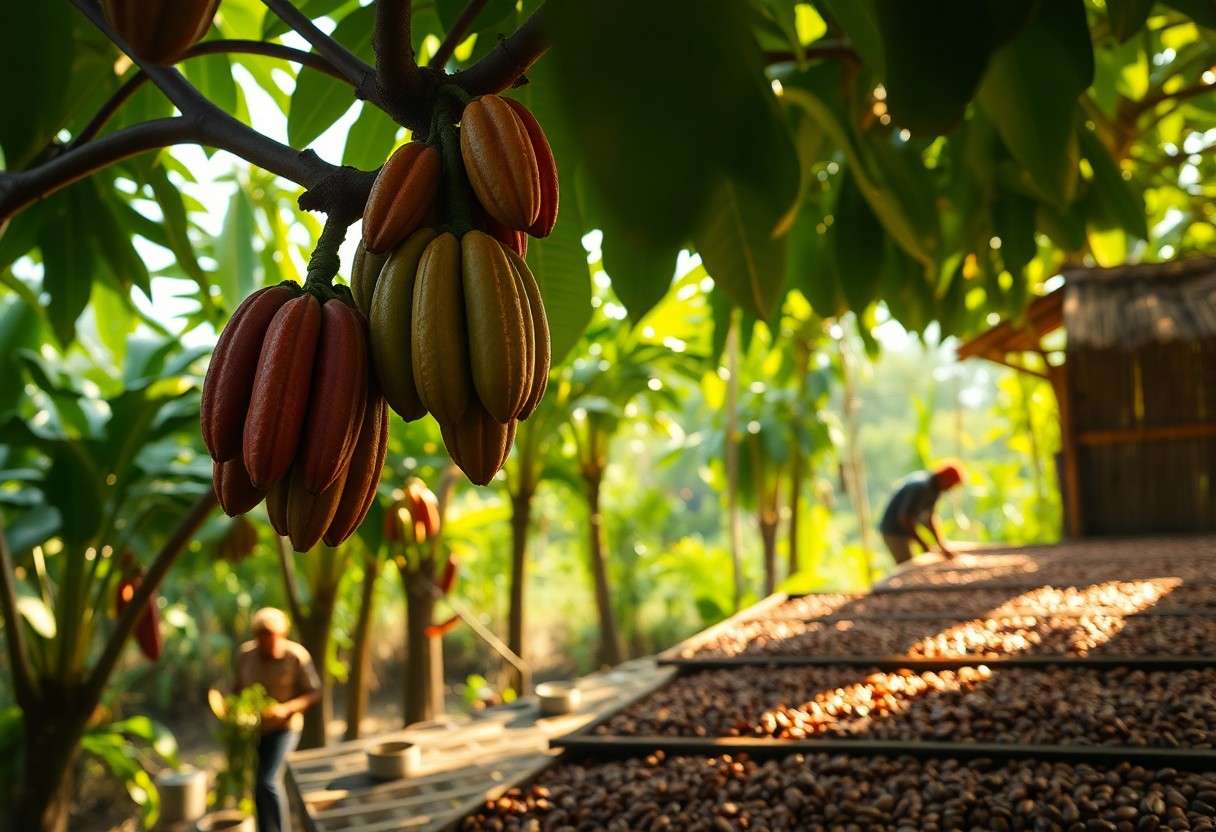
After fermentation, drying must be executed to reduce moisture levels in the beans. This is vital because any excess moisture can lead to spoilage and adversely impact the flavor. Common methods for drying include sun drying on raised beds or patios, which can impart a slight toasty character to the beans. However, it’s crucial to keep a close eye on the drying process to ensure the beans do not overheat or mold. Aim for a moisture content of 7% to 8% before proceeding to the next phase. Involving your team during this process encourages consistency and reinforces the importance of each step in the production chain.
Managing the fermentation and drying process effectively ensures that you maximize the beans’ aromatic potential. When working with organic cacao, always remember that this stage allows for the expression of unique flavor notes from the terroir, underscoring the importance of attention to detail at this early production stage.
Roasting and Grinding
The roasting phase impacts your chocolate’s flavor directly, as beans undergo a Maillard reaction, producing rich, complex flavors. Choosing the right temperature and roasting time is vital, with typical profiles ranging from 120°C to 150°C for 20 to 30 minutes. You may prefer experimenting with various roasts to discover how they bring out different flavor notes in your specific beans. Light roasts can enhance fruity or floral characteristics, while darker roasts will emphasize chocolatey and nutty tones. The key is to balance flavor development without compromising the organic quality of the cacao.
Once roasted, the next step involves grinding the beans into cocoa mass. This process transforms the solid beans into a liquid state, thanks to the heat generated by friction. You will use stone grinders or modern conching machines depending on the scale of your production, with the aim to refine the texture and flavor. During this stage, you can separate cocoa solids from cocoa butter if desired, allowing for the creation of various chocolate products such as dark, milk, or white chocolate, depending on your recipe requirements.
The roasting and grinding process is crucial for developing the chocolate’s final flavor while integrating additional ingredients, such as sugar or milk, if you’re producing milk chocolate. Engaging deeply in this stage empowers you to manipulate the taste profile and texture of your product, ensuring that it aligns perfectly with your brand identity and consumer expectations.
Tips for Successful Organic Chocolate Production
Choosing the Right Ingredients
When initiateing on your organic chocolate production journey, the selection of ingredients is paramount. Sourcing high-quality, organic cacao beans should be your first priority, as they are the foundation of your final product. Seek suppliers that uphold ecologically responsible farming practices and guarantee that the cacao is not only organic, but also of the finest flavor profile. Prioritizing specific varieties of cacao, such as Criollo or Arriba Nacional, can significantly enhance the taste and uniqueness of your chocolate.
Along with your cacao, consider the other components that will compliment your chocolate, such as sweeteners, emulsifiers, and flavorings. Fair-trade organic sugar can provide a pleasant sweetness while maintaining ethical standards, and ingredients like Madagascar vanilla or sea salt can elevate the flavor. Ensure that every component you select aligns with your certification requirements, as traceability and integrity are crucial in organic production.
Finally, be mindful of sourcing additional components such as packaging materials. Opt for biodegradable or recyclable options that reflect your commitment to sustainability. This holistic approach to ingredient selection not only impacts taste but also reinforces your brand’s values, enhancing your appeal to environmentally-conscious consumers. The quality of ingredients will ultimately set the tone for your organic chocolate’s reputation in the market.
Equipment and Tool Selection
Efficient equipment selection is vital for maintaining consistency in your organic chocolate production. Invest in high-quality grinders, tempering machines, and conching equipment that are designed explicitly for small-batch production. The grinder plays a significant role in achieving the desired texture by breaking down the cacao solids and butter effectively, so opt for machines that feature adjustable settings to refine the fineness. Moreover, ensure that your tempering machine can handle the chocolate amounts you plan to produce without overheating, which can negatively affect flavor and quality.
Utilizing the right tools for the job extends to your preparation space as well. Workstations should be clean, well-organized, and equipped with stainless steel tools that are easy to sanitize. Chocolate production is a meticulous process, and the risk of contamination can compromise your organic certification. Therefore, investing in high-grade equipment also means considering your operational workflows for efficiency, which can save you time and minimize waste.
Furthermore, considering the environmental impact of your equipment is crucial in organic chocolate production. Seek machines that are energy-efficient and built to last, as this will not only lower your operational costs in the long run but also align with the principles of sustainability. The right equipment can be the difference between an average product and a consistently high-quality chocolate that stands out in the market.
Quality Control Measures
Your commitment to quality control must be unwavering throughout the production process. Implementing regular checks at various stages will help maintain the integrity of the organic chocolate you produce. For instance, during the sourcing phase, establish criteria for evaluating the quality of cacao beans, which can include moisture content, fermentation level, and overall appearance. Similarly, monitor the production environment for cleanliness and temperature consistency, as these factors can significantly influence the final product.
Additionally, conducting sensory evaluations at regular intervals—like taste tests and smell assessments—helps in refining your product. This can include establishing a panel of trained individuals who can ensure that the flavor profile meets your brand standards. Documenting these evaluations not only creates a detailed quality record but also assists in identifying trends that inform future production adjustments.
Moreover, you should also embrace third-party audits to validate your processes against organic certification requirements. This can reinforce your important commitment to maintaining organic status and provide consumers with assurance about the integrity of your chocolate. The consistent application of these quality control measures will help you build a reputation for excellence in organic chocolate production.
Pros and Cons of Organic Chocolate
| Pros | Cons |
|---|---|
| Higher cocoa quality and flavor due to organic farming practices. | Generally higher production costs affecting retail prices. |
| Environmental sustainability through reduced chemical usage. | Lower yields compared to conventional farming methods. |
| Support for biodiversity and better ecosystem health. | Challenges in maintaining consistent supply chains. |
| Potential health benefits from fewer pesticides and additives. | Risk of contamination by non-organic neighboring crops. |
| Growing consumer demand for organic products. | Limited availability of certified organic inputs. |
Benefits of Organic Production
Choosing organic chocolate brings several benefits that extend beyond mere taste. First, the flavor profiles of organic chocolates often stand out due to the use of carefully cultivated cocoa beans grown without synthetic fertilizers or pesticides. Many chocolate enthusiasts argue that organic chocolates deliver a richer and more authentic taste, rooted in the terroir of the cocoa’s origin. This experience invites you to savor the complexities in flavor, which are often muted in conventionally produced chocolates.
Moreover, you can feel good about your choices knowing that organic chocolate production promotes environmental sustainability. Farms certified organic adhere to practices that support healthy ecosystems, such as crop rotation, composting, and the elimination of chemical pesticides. This not only contributes to soil health but also invites biodiversity, which in turn fosters natural pest control, reducing the reliance on harmful chemicals. You are part of a movement that chooses to support agricultural methods that sustain the planet.
Consumers are becoming increasingly aware of the health implications of their food choices, and organic chocolate often stands out as a healthier option. By opting for organic, you are likely choosing products free from artificial additives and harmful pesticide residues. This consideration aligns with a broader trend towards health-conscious living. Furthermore, the principles behind organic farming emphasize holistic practices that contribute to the welfare of farmers, their communities, and ultimately, your health.
Challenges in Organic Chocolate Manufacturing
Despite the many benefits, organic chocolate manufacturing brings notable challenges. One key challenge is the cost associated with organic certification, which can be a significant barrier for smaller producers. This process requires meticulous documentation, adherence to strict regulations, and often entails ongoing inspections, raising the overall expenses involved in production. Such costs frequently get passed on to consumers, which may deter those unable or unwilling to pay a premium for organic options.
Additionally, organic farms face lower yields than their conventional counterparts primarily because they rely on natural rather than synthetic inputs. This can create difficulty in meeting growing market demand for organic chocolate. With lower supply, your access to a consistent product can vary, leading to fluctuations in availability and potentially impacting pricing. Furthermore, organic cacao must contend with challenges like pests and diseases, which can be more difficult to manage in a non-chemical environment.
Ultimately, while you may enjoy the benefits of organic chocolate, you must also navigate the disparities in market forces, supply chain complexities, and the unpredictability of agricultural outcomes. These challenges require persistent innovation and commitment from producers who aim to deliver high-quality organic chocolate that meets your expectations for sustainability and flavor.
Final Words
Considering all points, you have now explored the imperative aspects of organic chocolate production. This guide has provided you with a comprehensive understanding of the agricultural processes, sustainable practices, and the significance of certification in ensuring your chocolate aligns with organic standards. As you initiate on your journey in the organic chocolate industry, it is vital to incorporate these elements into your production processes, from selecting high-quality cocoa beans to ensuring environmentally friendly practices in your supply chain. Your commitment to these principles will not only enhance the quality of your product but also promote ethical consumption.
Your role as a producer extends beyond simply making chocolate; you are part of a larger movement advocating for sustainable agriculture and fair trade. By prioritizing ethical sourcing, you support communities of farmers dedicated to organic cultivation, fostering both environmental stewardship and social responsibility. Engaging with these communities and understanding their needs will elevate your chocolate brand and solidify your place as a conscientious player in the industry. This connection to the source of your ingredients enriches your product’s story and adds value that today’s consumers increasingly appreciate.
As you integrate these practices into your operations, continue to educate yourself about emerging trends and technologies that can further enhance your organic chocolate production. The landscape is ever-evolving, and staying informed will keep you competitive while allowing you to maintain your commitment to quality and sustainability. By adopting a proactive approach and sharing your knowledge within the community, you not only strengthen your business but also contribute to a more sustainable future for the chocolate industry as a whole. Your journey in organic chocolate production is not just about creating a product; it’s about making a meaningful impact on the world of food and agriculture.


