A Guide to Ethical Buying for Conscious Confection Fans
Most chocolate lovers today seek more than just delicious treats; they want to indulge in sweets that align with their values. This guide will empower you to na

This article contains Amazon affiliate links. As an Amazon Associate, CandiesAndSweets earns from qualifying purchases.
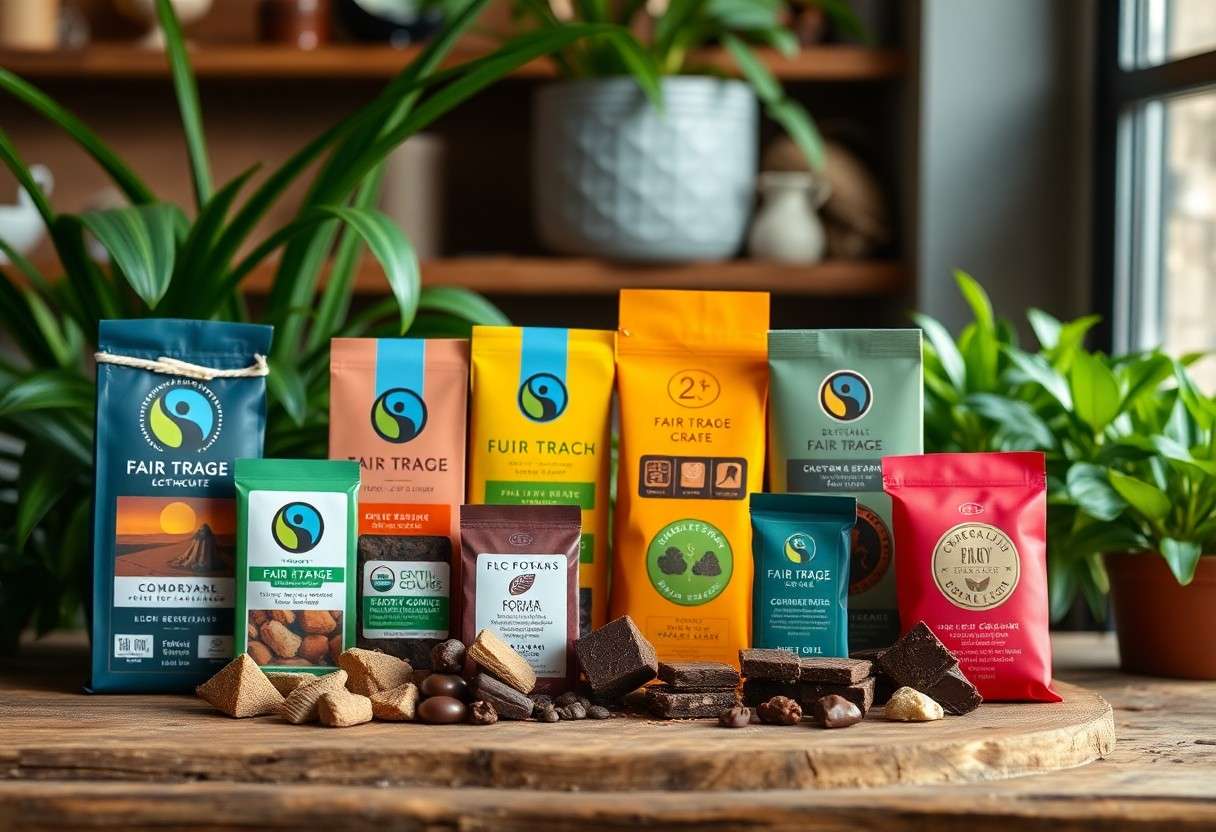
Most chocolate lovers today seek more than just delicious treats; they want to indulge in sweets that align with their values. This guide will empower you to navigate the world of ethical buying, ensuring that your confection choices support fair trade, sustainable sourcing, and eco-friendly practices. From selecting brands that prioritize community welfare to understanding sourcing labels, you’ll discover how your purchases can make a positive impact. Get ready to indulge in your sweet tooth while fostering a responsible and conscious approach to confectionery delights.
Decoding Ethical Labels: What They Really Mean
Fair Trade Certification: Beyond the Buzzwords
Fair Trade certification signifies a commitment to social and economic fairness in the production of goods. When you see this label on your favorite chocolate, know it means farmers receive a fair price for their cocoa, often exceeding conventional market rates. For example, a recent report from Fair Trade International suggested that farmers can earn up to 40% more than those selling through traditional channels. This financial support not only empowers communities but also fosters sustainable farming practices, as it often encourages environmental stewardship and the use of organic methods. Understanding the nuances of Fair Trade can enrich your purchasing choices and connect you more deeply with the makers behind your confectionery treats.
You’ll also encounter terms like “Fair Trade Certified” or “Fair Trade USA,” but it’s the details that matter. Ensure that the brand openly shares its sourcing practices, transparency reports, and how they invest back into the communities they source from. Many brands will highlight specific initiatives like school scholarships for farmers’ children or health care programs for workers, making it easier for you to choose options that deliver heartfelt empowerment alongside delectable flavors.
Organic vs. Non-GMO: Navigating the Claims
The distinction between organic and non-GMO labels can often create confusion, yet each serves a specific purpose in guiding your ethical choices. An organic label indicates that the product is made from ingredients free from synthetic fertilizers and pesticides, adhering to strict agricultural practices. Non-GMO, on the other hand, focuses on ensuring that the ingredients come from varieties not genetically modified. Notably, because organic standards inherently prohibit GMOs, products carrying the organic label will always be non-GMO, yet the reverse isn’t true. Some carefully selected chocolate brands may choose only to be non-GMO certified while still using conventional farming methods.
Understanding the significance of these labels allows you to make informed decisions about the treats you indulge in. For example, with about 90% of all soybeans grown in the U.S. being genetically modified, opting for non-GMO labels helps you avoid those potential health risks and support responsible agricultural practices. When choosing chocolates, consider seeking brands that prioritize both organic and non-GMO certifications to align with your health and ethical beliefs.
The Impact of Sourcing: Chocolate’s Journey to Your Tastebuds
Cocoa Farming Communities: A Closer Look at Sustainability
Understanding the origins of your chocolate is vital to appreciating its full journey. Cocoa farming communities, primarily located in West Africa, South America, and Asia, play a pivotal role in the sustainability of chocolate production. Many of these communities face significant challenges, including deforestation, climate change, and unstable market prices, which directly impact their livelihoods. However, sustainable farming practices are gaining traction. Fair Trade and Rainforest Alliance certifications are becoming increasingly sought after, ensuring that farmers receive fair wages and that their agricultural practices are environmentally friendly. This impacts not only the quality of the cocoa but also the welfare of the farmers. By choosing sustainably sourced chocolate, you contribute to a system that prioritizes the well-being of these communities.
The relationship between cocoa farming and sustainability is tightly woven. For instance, in countries like Ghana, programs aimed at improving soil health and implementing agroforestry methods encourage biodiversity and combat the effects of climate change. As a conscious confection fan, recognizing these efforts amplifies your chocolate experience. Each bite can carry the story of resilience and regeneration, allowing you to savor ethically sourced treats that not only satisfy your sweet tooth but also support a healthier planet.
The Role of Transparency in Ethical Sourcing
Transparency in ethical sourcing serves as a key pillar for conscientious chocolate consumers. When brands openly share information about their sourcing practices—such as detailing the origin of their cocoa beans and the conditions under which they were harvested—it builds trust and enables you to make informed decisions. Research indicates that brands that adopt transparent practices not only foster customer loyalty but also uplift communities by holding themselves accountable to the standards of ethical sourcing.
Prominent chocolate makers now provide traceability tools that allow you to see the entire supply chain of the chocolate you enjoy. This level of accountability empowers you to choose products that align with your ethical values. For example, brands such as Alter Eco and Tony’s Chocolonely champion full visibility in their supply chains, showcasing partnerships with local farmers and outlining their commitments to fair wages and environmental protection. By prioritizing transparency, these companies invite you to be an active participant in the movement toward responsible consumption.
Supporting Small Producers: The Benefits of Buying Local
The Ripple Effect: How Your Purchase Impacts Communities
Buying from small, local producers creates a ripple effect that reaches far beyond your taste buds. Each purchase you make supports not just the chocolate maker but the entire community surrounding them. Local businesses tend to source their ingredients from nearby farmers, fostering a network that uplifts those who cultivate cacao and other important components. This interconnectedness ensures that income generated stays within the community, enabling families to thrive, invest in local schools, and maintain local infrastructure. For example, a study by the American Independent Business Alliance found that local businesses recirculate 3.5 times more money in the local economy compared to chain stores.
Your choice to support small producers helps to create a sustainable economic cycle, where profits are reinvested into improving production processes and supporting sustainable farming practices. As a direct result of consumer preferences, many small chocolatiers prioritize ethically sourced cacao, organic ingredients, and environmentally-friendly packaging. This collective shift can lead to systemic changes that benefit broader agricultural practices, promote biodiversity, and reduce environmental footprints.
Identifying Quality Artisanal Chocolatiers
Finding the right artisanal chocolatiers requires a keen eye for quality and authenticity. Look for producers who emphasize transparency in their sourcing practices. Many reputable chocolatiers provide detailed information about where their cacao beans are sourced. Pay attention to how they describe their production methods; the best chocolatiers often highlight their bean-to-bar processes, which indicate a commitment to quality and craftsmanship. Certifications such as Fair Trade, Rainforest Alliance, or organic certifications are strong indicators of ethical practices, but they should be complemented by in-depth information about the producer’s story and mission.
When exploring artisanal chocolate, seek out brands that prioritize sustainability and community engagement. Not only should they be transparent about their sourcing, but they should also support local farmers and engage in initiatives aimed at improving the livelihoods of cacao producers. Websites and social media platforms often feature customer reviews, which can offer additional insights into the quality of the chocolate and the ethos of the producer. Look for tasting notes, bean origins, and awards received, which are often signals of a truly exceptional product.
Moreover, attending local craft fairs or farmer’s markets can provide you with the opportunity to sample chocolates firsthand and engage with the producers directly. This personal connection can deepen your understanding and appreciation of the chocolates you enjoy while reinforcing the importance of supporting small-scale artisans who invest in their communities and the environment.
From Ingredient Lists to Environmental Footprints: Making Informed Choices
Evaluating Ingredient Quality: Does it Matter?
Ingredient quality significantly impacts not only the taste but also the overall ethical footprint of the confection you choose. Natural ingredients, such as organic cocoa, fair-trade sugar, and sustainably sourced palm oil, reflect a commitment to ethical production practices that benefit farmers and ecosystems. Investigating the provenance of ingredients reveals the story behind every bite – for instance, choosing chocolates made from single-origin cacao can ensure you support local farming communities and enjoy a richer flavor profile. Check for certifications on packaging, such as USDA Organic or Fair Trade, which can guide you in making sound choices while indulging your sweet tooth.
Your tasting experience could be transformed by opting for handcrafted artisanal confections, known for using quality ingredients without artificial additives. A bar containing premium cacao boasts higher levels of antioxidants, which can be beneficial for your health. Not only does this choice promote wellness, but it also encourages you to savor chocolate more consciously, appreciating its complex flavors and craftsmanship. When you prioritize ingredient quality, you not only elevate your confection consumption but join a growing movement that values sustainability and ethical sourcing.
The Carbon Footprint of Confectionery: Balancing Taste and Responsibility
Every stage of a confection’s production and distribution contributes to its carbon footprint, from farming practices to transportation. Cocoa farming, for example, can lead to deforestation, which exacerbates climate change—a concern for environmentally conscious consumers. Evaluating how different companies mitigate their environmental impact helps you align your purchasing habits with your values. Brands that actively work towards carbon neutrality or sustainable farming practices not only provide delicious sweets but also take responsibility for their ecological footprint. Initiatives like carbon offsetting or utilizing renewable energies in production demonstrate a commitment to minimizing harm.
In chocolate sourcing, brands like Endangered Species Chocolate stand out by ensuring their products come with environmental stewardship in mind. They contribute a percentage of profits to conservation efforts, highlighting a dedication to more than just taste. Moreover, shipping bulky items often adds to emissions, so local artisan chocolates may be the best option for indulgence without contributing heavily to your carbon footprint. Striving for luxury in taste can coexist with a commitment to environmental accountability, allowing you to indulge with impact.
Navigating the Digital Shelf: Tools for the Conscious Consumer
Apps and Resources for Ethical Shopping
Utilizing technology can make your quest for ethical confections more manageable. Numerous apps have surfaced to help consumers like you easily identify sustainable and ethically sourced products. For instance, the app “Buycott” allows you to scan barcodes and access a product’s company background, revealing their ethical practices and avoiding brands that do not align with your values. Other resources, such as “Good On You,” provide ethical ratings for various brands, focusing on their treatment of workers, animals, and the environment. By integrating these tools into your shopping routine, you can make well-informed decisions that reflect your ethical preferences.
Furthermore, platforms like “Eco Warrior” and “Shop Ethical” curate lists of companies based on sustainability and ethical manufacturing standards. By leveraging these resources, you can build a shopping list that not only satisfies your sweet tooth but also supports businesses committed to ethical practices. The digital world offers plenty of opportunities to ensure your purchasing power is aligned with your values, making it easier than ever to shop with purpose.
Building Your Ethical Confectionery Pantry
Stocking your pantry with ethical confectionery is not only about individual purchases; it’s about creating an ecosystem of brands that share your values. Start by identifying the types of confections you enjoy most—be it chocolate bars, gummy candies, or artisanal sweets. Research brands that showcase sustainable practices, such as Fair Trade certification or eco-friendly packaging. By consolidating your purchasing from a select few ethical brands, you can foster relationships that are beneficial for both you and the producers.
Your ethical pantry should reflect a thoughtful variety of choices. For example, if you enjoy chocolate, consider sourcing from brands like Alter Eco or Divine Chocolate, which prioritize Fair Trade practices. Additionally, seek out locally made confections that utilize seasonal ingredients, helping to reduce your carbon footprint. By consciously curating your pantry, you not only indulge in delicious treats but also support sustainable practices that uplift communities and encourage greater environmental stewardship.
Conclusion
With these considerations in mind, you are well-equipped to make informed choices as a conscious confection fan. By prioritizing ethical buying standards, you can enjoy your favorite treats while supporting sustainable practices and fair trade initiatives. Take the time to research brands, investigate ingredient sources, and prioritize those that align with your values, ensuring that your sweet tooth does not come at the expense of the people or the planet.
Ultimately, your purchasing decisions can have a significant impact on the confectionery industry. By choosing ethical options, you contribute to a growing demand for transparency and humane practices. Embrace your role as a conscious consumer and inspire others to follow suit, fostering a culture of responsibility within the confectionery world. Your choices not only matter for your enjoyment but also pave the way for a more ethical future in the sweets you love.


