Exploring Exotic Flavor Pairings in Global Truffles
Many culinary enthusiasts like you seek to elevate their taste experiences, and exploring exotic flavor pairings with global truffles is a captivating journey.

This article contains Amazon affiliate links. As an Amazon Associate, CandiesAndSweets earns from qualifying purchases.
Many culinary enthusiasts like you seek to elevate their taste experiences, and exploring exotic flavor pairings with global truffles is a captivating journey. These sumptuous fungi, known for their unique aroma and taste, can be complemented by a diverse range of ingredients—from bold cheeses to unexpected spices. In this post, you’ll discover how to enhance your dishes and impress your palate with innovative combinations that celebrate the rich traditions and flavors from around the world.
The Cultural Significance of Truffles Around the Globe
Truffles in Italian Culinary Traditions
Italian cuisine celebrates truffles as one of its most prized ingredients, particularly in regions like Piedmont and Tuscany. In these areas, truffles are harvested mostly during the fall and winter, inspiring many traditional dishes that highlight their unique flavors. For example, risotto al tartufo bianco, or white truffle risotto, showcases the luxurious aroma and taste of the prized Bianchetto truffle, elevating a simple grain dish to an extraordinary level. Pasta dishes, too, are often finished with a delicate grating of truffle, allowing the earthy, musky notes to penetrate the sauce and integrate into the dish seamlessly.
Your encounters with Italian truffle cuisine might also include decadent dishes such as tagliatelle with black truffles and a drizzle of truffle oil, allowing for a wonderful symbiosis of flavors that is hard to resist. The appreciation for truffles in Italy is not just about the taste; annual truffle festivals celebrate local collections, fostering community discussions about foraging traditions and culinary artistry that have been passed down through generations.
The Role of Truffles in French Gastronomy
France boasts a long-standing tradition of truffle appreciation, with the black truffle, or Tuber melanosporum, often considered the ‘black gold’ of the culinary world. Regions like Périgord and Provence are renowned not only for the quality of their truffles but also the cultural rituals surrounding their harvest. In many French upscale restaurants, you might find truffles elegantly paired with dishes such as filet mignon, where their potent aroma and flavor enhance the meat’s richness. It’s common to see classic French techniques used, like incorporating truffles into sauces or as a finishing touch for creamy potato purees, creating an unforgettable dining experience.
The economic impact of truffles in France is profound, with annual production valued at millions of euros. This high demand has also sparked local initiatives to promote truffle foraging workshops, allowing you to experience the thrill of hunting for them among the oak trees. The celebration of truffles transcends mere culinary uses, permeating French literature and art, reinforcing their status as more than just a food item but a symbol of luxury and tradition.
Unconventional Pairings: Breaking the Flavor Barrier
Sweet Meets Umami: Chocolate and Truffles
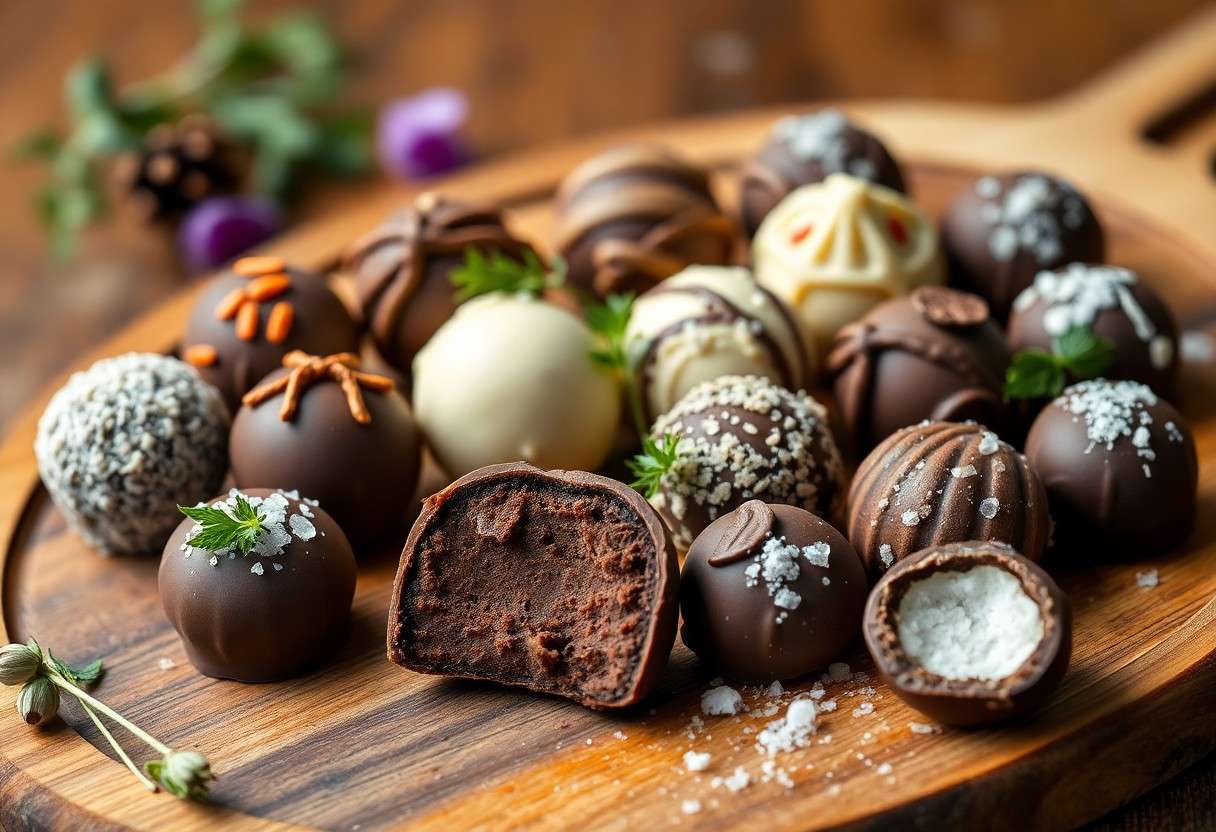
Delving into the world of flavor combinations, the pairing of truffles with chocolate stands out as both surprising and delectable. The richness of dark chocolate, particularly varieties with a high cacao content, complements the earthy aroma of truffles beautifully. You might opt for a truffle oil-infused chocolate ganache to create a luxurious dessert experience. As a guide, consider using a 70% cacao dark chocolate base, allowing the umami notes of the truffles to shine without being overshadowed by the sweetness. Gourmet chocolate brands have started experimenting with these pairings, encouraging your palate to indulge in the unexpected fusion of flavors.
In Italy, for example, artisanal chocolatiers have pioneered chocolate truffles infused with black truffle essence, showcasing how this combination can elevate the traditional dessert. Each bite offers a complex exploration of flavors—initial hints of bittersweet chocolate followed by the deep, savory nuances of truffles. This unexpected marriage is not merely a novelty but an invitation to your taste buds that begs exploration beyond conventional sweets.
Spicy Infusions: The Unexpected Marriage of Truffles and Hot Peppers
Your culinary adventure continues with the intriguing combination of truffles and hot peppers. This pairing brings a dynamic explosion of flavors, transforming the typical application of truffles into something daring and bold. Truffle-infused chili oils or sauces, for example, have emerged as a popular choice among chefs looking to spice up classic dishes. The heat from fresh hot peppers balances the luxurious essence of truffles, enhancing both flavors rather than competing for attention. You may find that drizzling this fusion over a simple pasta or grilled seafood can completely change your perception of what truffles can deliver.
Consider the artisanal approach of creating a truffle-infused harissa, a North African chili paste. Mixing fresh chili peppers with truffle oil and traditional spices creates a condiment that can elevate your stews, meats, or even roasted veggies. You are not simply adding heat; you’re introducing depth and richness to your dishes, showcasing how versatile truffles can be in daring combinations that push traditional boundaries.
Regional Variations: How Geography Influences Flavor Profiles
Earthy Flavors of European Truffles
European truffles, particularly those hailing from regions like Piedmont in Italy and Perigord in France, are renowned for their rich, earthy tones that reflect the distinct terroir of their surroundings. The unique climate, soil composition, and local flora contribute directly to the flavor profile of these coveted fungi. You’ll often find that Italian white truffles exude a garlicky aroma with hints of deep musk, while black truffles from France boast a more robust, nutty flavor with subtle notes of chocolate. Pairing these truffles with simple dishes such as risottos or pasta allows their complex depth to shine through magnificently, enhancing local ingredients without overshadowing them.
You might also want to consider how European truffles are often complemented by olio nuovo, fresh-pressed olive oil, or hand-churned butters, amplifying their flavor. A simple drizzle of truffle oil over beautifully aged cheeses or a hearty mushroom risotto can transform a dish into something extraordinarily luxurious. The way Europeans hold truffles in high regard is a reflection of not only their flavor but also their historical significance—once only accessible to nobility, they now tempt food enthusiasts across the globe.
Exotic Tastes in Asian Truffle Dishes
Asian cuisines present a fascinating realm of vibrant flavor profiles that innovate and diverge from traditional European pairings. For instance, truffles in Chinese dishes often mingle with bold sauces like oyster and hoisin, incorporating layers of sweetness and savoriness that heighten the umami experience. In Japan, you might find the delicate touch of truffles in combination with traditional miso or soy, creating a richness that complements the elegance of sushi or sashimi. The incorporation of truffles in dim sum, fried rice, or even infused in massage oils highlights a creativity that speaks to the adaptability and versatility of this ingredient.
The fusion of Asian flavors with truffles demonstrates a culinary evolution that is particularly appealing to a modern palate. Think of a fragrant ramen topped with freshly shaved black truffles, or a rich seafood stew elevated by a touch of white truffle oil. The use of truffles in Asian cuisine not only amplifies the richness of familiar ingredients but also invites a new audience to embrace the luxuriousness of this ingredient in a different context. Cooking styles like these invite you to explore how truffles can bridge cultural gaps, leading to an appreciation that is as exotic as it is indulgent.
Mastering the Art of Truffle Pairing: Tips from Top Chefs
Successful truffle pairing requires an insider’s knowledge of flavor dynamics, and renowned chefs often share tips that elevate the experience. To maximize the potential of truffles, consider these strategies:
- Choose fresh, high-quality truffles; their aroma and flavor should be the centerpiece of your dish.
- Understand the intensity of the truffle variety—white truffles typically offer a more pungent taste than black truffles.
- Balance flavors: Pair truffles with ingredients that complement but do not overwhelm their distinctive characteristics.
- Experiment with textures, combining the creamy richness of butter or foam with the earthiness of truffles to create a harmonious bite.
Perceiving the nuances between different truffle types and their adjustments in various culinary settings can unlock a treasure trove of flavor possibilities. Keep these insights in your culinary toolkit as you explore the vast landscape of truffle-enhanced dishes.
Techniques for Balancing Truffle Flavors with Other Ingredients
Incorporating truffles into your cooking is as much an art as it is a science. Enhancing truffle flavor involves careful consideration of salt, acidity, and other defining elements. For instance, a simple pasta dish can be elevated with a touch of sea salt and a splash of high-quality olive oil, enhancing the truffle’s innate flavor without overshadowing it.
You can also amplify the earthy tones of truffles using mushrooms, cream, or even citrus. Combining flavors from the sea, such as lobster or scallops, further highlights truffle notes; the sweetness and umami richness meld organically, creating layers of taste that tantalize the palate. Through experimentation, you’ll discover that only small adjustments can transform a dish, allowing the unique character of truffles to shine.
Innovative Dishes Featuring Unique Truffle Pairings
Chefs worldwide are concocting innovative dishes that push the boundaries of traditional truffle use, marrying them with an array of unexpected ingredients. One standout creation includes a truffle-infused risotto paired with roasted butternut squash and sage, creating a symphony of flavors that herald the arrival of autumn. Other daring combinations highlight truffles in dessert form, like truffle-bourbon caramel sauce drizzled over vanilla gelato.
This daring approach captures diners’ imaginations and tantalizes their taste buds in ways that classical pairings cannot. For instance, using truffles in a savory custard or blending them into cheesecake can create a surprising yet sublime balance of flavors, demonstrating that truffles are not confined to the savory spectrum. By exploring these inventive dishes, you open the door to a world where truffles become versatile sensibilities effortlessly woven into a range of cuisines.
The Future of Flavor Explorations with Truffles
Emerging Trends in Truffle Cuisine
Innovative culinary techniques are driving a wave of creativity in truffle cuisine. Chefs are experimenting with molecular gastronomy to transform the traditional perception of truffles, incorporating them into unexpected forms such as truffle-infused air or truffle caviar. Pairing truffles with diverse spices from global kitchens opens up a new world of flavor sensations, allowing you to explore dishes where sweet, savory, and acidic elements blend seamlessly. For instance, you might find truffle oil drizzled over a spicy mango salsa or truffled potato gnocchi topped with a sprinkling of za’atar, demonstrating the truffle’s versatility as a bridge between cuisines.
Additionally, there’s an increasing embrace of plant-based diets that showcases truffles in vegan and vegetarian dishes. This shift not only highlights the rich umami potential of truffles but also helps you discover how they can complement various plant-based ingredients—from earthy mushrooms to vibrant vegetables—encouraging a deeper exploration of what constitutes comfort food in the modern culinary landscape.
Sustainability and the Impact on Flavor Profiles
The growing focus on sustainability is reshaping how truffles are sourced and appreciated. As consumers like you become more environmentally conscious, there’s pressure on the industry to adopt practices that protect truffle habitats and ensure their long-term viability. Sustainable harvesting not only preserves the ecosystem but influences the flavor profiles of truffles themselves. When grown in rich, well-maintained soil, truffles tend to develop more complex flavors and aromas, enhancing your culinary experience. Ethically cultivated truffles have the potential to offer a taste that speaks to the integrity of their origins, creating a deeper connection between you and the natural world.
In recent years, initiatives aimed at uncovering the link between terroir and sustainability have gained traction. Studies show that truffles cultivated in biologically diverse environments not only flourish but also develop unique flavor nuances attributable to their surroundings. This means that as you sample various truffles, you might notice distinct notes influenced by local biodiversity—from the minerals in the soil to the surrounding flora. Understanding these elements can elevate your appreciation for truffles, transforming each bite into a narrative of place and stewardship.
Conclusion
From above, you can see that exploring exotic flavor pairings in global truffles opens up a vast and exciting culinary journey. Truffles, with their unique umami-rich flavors, can enhance a myriad of dishes when paired thoughtfully with ingredients from various cultures. By experimenting with different combinations, such as the earthy notes of truffles with the zesty impact of citrus or the sweetness of fruits, you elevate not just the truffle experience, but also your culinary skills. Your palate is the limit, so don’t hesitate to venture into uncharted territory where you might discover your next favorite dish.
Embracing the global nature of truffles and their compatibility with diverse flavors allows you to create memorable meals that are both surprising and satisfying. Whether you are a seasoned chef or an enthusiastic home cook, integrating these exotic pairings into your repertoire can add depth to your cooking and change the way you perceive truffles. You have the opportunity to not only enhance your dining experiences but also to share these unique combinations with others, inspiring them to explore the world of truffles. Your kitchen can become a hub for creativity, where the enchanting aroma of truffles invites curiosity and exploration.


