How Global Influences Are Shaping Local Candy Markets
Many factors contribute to the evolution of local candy markets, and understanding these influences can help you navigate the sweet landscape of today's confect

This article contains Amazon affiliate links. As an Amazon Associate, CandiesAndSweets earns from qualifying purchases.
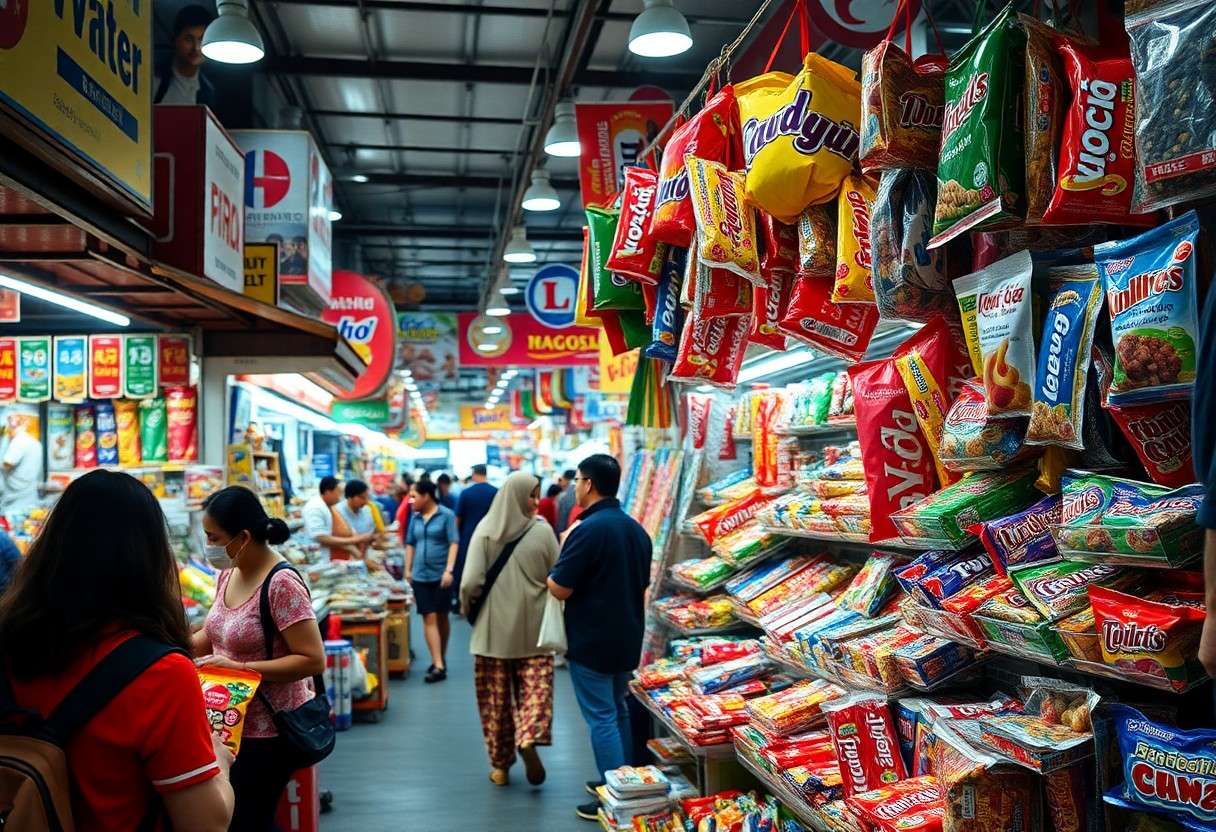
Many factors contribute to the evolution of local candy markets, and understanding these influences can help you navigate the sweet landscape of today’s confectionery trends. From the rise of international flavors to the impact of global supply chains and changing consumer preferences, your local candy options are becoming increasingly diverse. In this blog post, you’ll discover how global influences intertwine with local traditions, creating a unique fusion that shapes your favorite treats and how you enjoy them.
The Dynamics of Globalization
Historical Context of Candy Production
Around the world, candy production has transformed significantly over centuries, transitioning from handcrafted local sweets to mass-produced confections available in diverse markets. The journey began in ancient civilizations, where sugar was a luxury and confections were primarily crafted for nobility and special occasions. As sugar production technology advanced and colonial trade routes expanded, candy became more accessible, giving rise to commercial candy makers who discovered ways to produce sweets in larger quantities. This paved the way for global candy brands that now dominate local markets, influencing not only taste preferences but also cultural perceptions of confectionery.
As you explore the evolution of candy production, it’s crucial to recognize how societal changes and technological advancements have shaped consumer habits. In the 19th and 20th centuries, the industrial revolution introduced machinery that allowed for unprecedented production speeds. Mass advertising in the late 20th century further fueled demand, encouraging local consumers to embrace imported candy alongside homegrown varieties. Today, your candy choices reflect this rich history, where local markets are constantly reshaped by global influences and trends.
Influences of International Trade Policies
Any discussion about the candy market must account for international trade policies, which have a profound impact on how candy is produced, imported, and enjoyed in your locality. These policies dictate tariffs, quotas, and regulations that influence the flow of ingredients and finished products across borders. For instance, favorable trade agreements can lead to an influx of imported confectionery, enabling your favorite international brands to flourish in your local stores. Conversely, trade restrictions may protect local producers, but they can also limit your access to a wider array of global flavors.
For instance, when a country implements lower tariffs on sugar imports, it often results in reduced production costs for local manufacturers, allowing them to compete more effectively against international brands. This dynamic can lead to a diversification of products available in your area, bringing exciting new flavors and textures from around the world to your local candy aisle. Similarly, changes in international trade policies may encourage local candy makers to export their creations, enabling you to experience unique confections that embody your culture while gaining global acclaim. As you navigate your local candy market, consider how these policies shape what you see on shelves and how they reflect the intricate web of global trade connections.
Consumer Preferences and Trends
Now, as a candy business owner or enthusiast, it’s vital to recognize how global influences are shaping local candy markets. These influences dictate consumer preferences and current trends, which can vary significantly based on cultural and regional differences. Understanding what drives customer choices will allow you to stay ahead in a competitive market. With access to worldwide ingredients and international flavor profiles, your local candy offerings can become more diverse, catering to an expanded audience that craves unique tastes and experiences.
The Impact of Social Media
Preferences in the candy industry are increasingly influenced by social media platforms, where visuals, trends, and popular challenges can quickly shift consumer interests. You may notice that candies showcased by influencers or trending on platforms like Instagram and TikTok often lead to a surge in demand. Engaging with your audience on these platforms not only helps you gauge what flavors or styles are gaining traction but can also inspire creative marketing strategies that capitalize on viral moments.
Shifts in Taste and Dietary Habits
For many consumers, the desire for healthier options and dietary preferences is reshaping their candy choices. As you monitor trends in the industry, you might find that there’s a growing demand for organic, sugar-free, or plant-based options. This shift is often tied to a broader awareness of health and wellness that spans across the globe. Being attuned to these evolving tastes will allow your business to adapt and innovate, ensuring that you remain aligned with what your customers are actively seeking.
Understanding these shifts not only means recognizing health trends but also considering cultural factors and local preferences. As people become more health-conscious, they may opt for candies that’s made with natural ingredients or lower sugar content. You may also encounter consumers who are requesting options that cater to specific dietary restrictions, such as gluten-free or vegan candies. By keeping your finger on the pulse of these dietary changes, you ensure that your products resonate with and meet the evolving expectations of your clientele.
The Role of Cultural Exchange
Clearly, the interplay between global and local influences has profoundly transformed the candy markets around the world. As globalization accelerates, you may notice a dynamic shift in the flavors and products available in your local confectionery aisles. Cultural exchange plays a critical role in this evolution, bringing together distinct traditions, tastes, and preferences that enhance the candy-making craft. By understanding the importance of cultural exchange, you can appreciate how your favorite sweet treats may carry stories and experiences from different corners of the globe.
Fusion Flavors and Innovative Products
At the intersection of diverse culinary traditions, fusion flavors have emerged as a prominent trend in the candy industry. You may have already tasted unexpected combinations, such as spicy chocolate, fruity gummy candies with a hint of exotic spices, or even savory snacks infused with sweet elements. This innovative approach allows for a delightful exploration of flavors that not only captivates your palate but also reflects a broader sociocultural merging, demonstrating how global influences can lead to unique and appealing confectionery products.
Celebrating Local Traditions in Global Markets
Any discussion of cultural exchange in the candy landscape would be incomplete without acknowledging the celebration of local traditions. As global brands expand, they often seek to resonate with local consumers by incorporating traditional ingredients and flavors into their offerings. You may find that brands are crafting products that pay homage to regional tastes, whether it’s a chocolate bar featuring indigenous ingredients or a branded candy that highlights a local holiday. These products connect you to your culture while simultaneously introducing your traditions to a wider audience.
Role models in the candy industry actively engage with their local communities to create products that respect and preserve cultural heritage. By incorporating traditional recipes or utilizing locally sourced ingredients, these companies not only elevate local flavors but also ensure that you feel a sense of pride and belonging with every bite. This fusion of global reach and local flavor creates a win-win situation; you enjoy delightful treats that reflect your culture, and brands cultivate a deeper connection with their customers around the world.
Technological Advances in Production
All around the world, technological advancements have revolutionized the candy production landscape, enabling manufacturers to respond more effectively to shifting consumer preferences. Automation plays a significant role in this transformation, as processes once reliant on human labor are increasingly mechanized. This shift not only increases the speed of production but also enhances the consistency of candy quality. With technologies such as robotics and AI-driven machinery, you can expect a more streamlined production process that helps ensure your local candy brands maintain their competitive edge while meeting growing demands.
Automation and Supply Chain Efficiency
About once considered a far-off dream, automation in the candy-making industry is now a reality that many local brands are embracing. The efficiency gained from automated systems significantly cuts down production times, allowing you to bring products to market faster and respond to consumer trends more promptly. Moreover, implementing technological innovations helps to minimize waste through precise ingredient measurement and optimized supply chain management. This means that you not only improve profitability but can also create more sustainable production practices that appeal to environmentally conscious consumers.
E-commerce Strategies for Local Brands
The advent of e-commerce has created a grand opportunity for local candy brands to expand their reach beyond traditional retail limitations. As consumers increasingly turn to online shopping, your local brand can leverage digital platforms to showcase unique flavors, artisan qualities, or health-conscious ingredients that set you apart in a crowded marketplace. By utilizing targeted online promotions and engaging social media campaigns, you can effectively captivate your audience, fostering loyalty and building a community around your brand.
This newfound focus on e-commerce not only boosts visibility but also supports enhanced customer interaction and personalized experiences. By harnessing data from online sales, you can refine your product offerings based on buyer preferences and trends, ensuring that you remain relevant in a rapidly evolving landscape. Additionally, through strategic partnerships with e-commerce platforms and the use of effective online marketing techniques, you can create a seamless shopping experience that nurtures consumer trust and drives repeat purchases.
Case Studies of Local Candy Brands
Not all local candy brands struggle in the face of global competition; some have successfully carved out their niche markets while maintaining regional flavors and ingredients. Here are several case studies that spotlight various local brands and their impressive performance in their respective markets:
- Chocola Texas: With over 30% growth in revenue over the last two years, this Texan chocolatier has embraced locally sourced ingredients to create unique caramel and dark chocolate flavors, winning regional competitions.
- Zanetas Confectionery: This small brand from Italy has taken advantage of its artisanal heritage, achieving a 25% increase in exports due to strategic partnerships with local retailers in Europe and Asia.
- Springfield Sweets: Based in Illinois, this candy company has grown its online sales by 40% since launching a subscription box service, tapping into the growing trend of personalized candy experiences.
- Gourmet Gummies: This small firm from Canada reported a 50% rise in social media engagement after targeting a niche demographic of health-conscious consumers with their low-sugar gummy products.
Success Stories in Global Expansion
Across various regions, some local candy brands have leveraged global platforms to expand their customer base and reach markets they once could only dream of. For example, Springfield Sweets utilized e-commerce strategies to reach international customers, resulting in a 30% increase in orders from overseas. Additionally, Zanetas Confectionery managed to strike distribution deals in markets like Japan and Australia, which has increased their visibility and led to a revenue bump of 20% in just one year. These examples illustrate how local brands can scale by adopting a global mindset while remaining true to their local roots.
Strategies such as entering international food expos and collaborations with global retailers have enabled these candy producers to secure contracts and increase brand awareness. By focusing on the uniqueness of their products, these brands attract a diverse audience, navigating through challenges that may arise with cultural preferences in confectionery items.
Challenges Faced by Small Producers
To navigate the complexities of global markets, small candy producers often encounter obstacles that larger corporations may not face. These challenges can range from limited access to capital for international marketing initiatives to navigating the stringent regulations concerning food safety and labeling in different countries. Additionally, many small producers find it difficult to establish distribution networks that can effectively rival those of larger brands.
In addition to financial challenges, small producers need to adapt to shifting consumer preferences, which can differ widely across regions. This requires continuous market research and innovation, often with minimal resources. Moreover, the pressure to maintain product quality while scaling up production can lead to trade-offs that may affect brand integrity. Understanding these challenges and developing strategies to mitigate them is necessary for local candy brands aiming to thrive in an increasingly interconnected global marketplace.
Future Trends and Predictions
After analyzing the recent shifts in candy markets, it becomes evident that future trends will prioritize not only innovation and flavor but also sustainability and ethics. As consumers become increasingly aware of their purchasing choices, the demand for eco-friendly products is likely to shape the overall landscape of local candy businesses. You can expect brands to adopt practices that minimize waste, utilize renewable resources, and ensure that the ingredients sourced are safe for the environment and communities. This focus will not only appeal to environmentally conscious customers but also differentiate brands in a saturated market.
Sustainable Practices and Ethical Sourcing
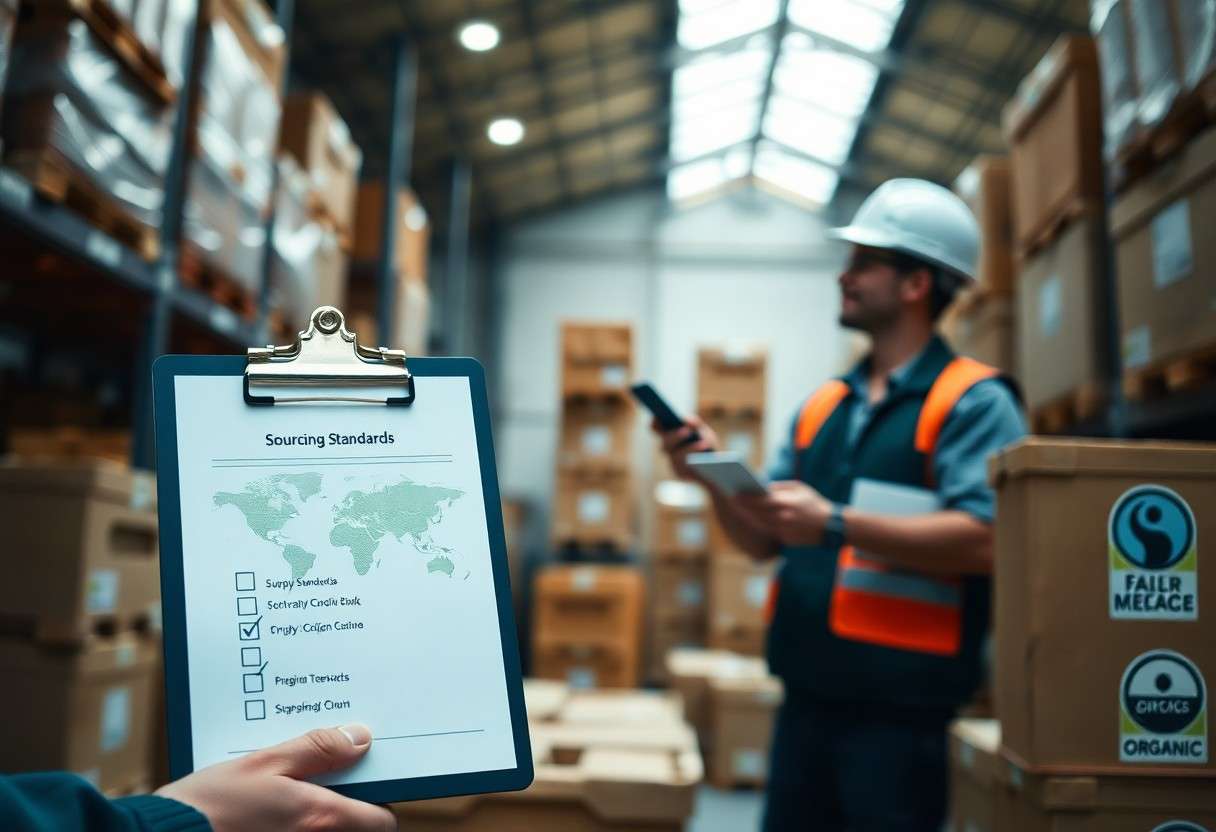
For many local candy brands, the integration of sustainable practices and ethical sourcing is becoming more than just a trend—it’s a necessity. You may find that companies are increasingly prioritizing supplier relationships that emphasize fair labor practices and sustainable agricultural methods. This commitment not only enhances your shopping experience but also empowers producers by ensuring they receive just compensation for their work. As consumers, you play a vital role in pushing for transparency, advocating for brands that are willing to take steps towards ethical production.
The Evolving Landscape of Global Competition
Sourcing local ingredients is becoming increasingly important in the face of expanding global competition. You might notice that many candy makers are looking to create unique flavors that highlight local produce and cultural influences, giving them an edge over larger multinational brands. This is a response to the growing consumer desire for products that embody authenticity and regional characteristics. By incorporating local elements, brands can distinguish themselves in a crowded marketplace, creating a deeper connection with their audience.
Due to the rise of online shopping and global access, you’ll find that small candy brands are forced to elevate their game when it comes to not only product quality but also branding, marketing, and customer engagement. As competition from international players intensifies, local businesses must leverage their unique stories and product offerings to draw in loyal customers. You can expect to see a diverse range of flavors and artisanal techniques that cater to the global palate while still celebrating local traditions and preferences.
Summing up
Now that you have gained insight into the ways global influences are shaping local candy markets, it’s clear that understanding these dynamics can enhance your approach to sourcing and marketing. The impact of international trends, consumer preferences, and the integration of technology creates a complex landscape that you must navigate to stay competitive. By recognizing the emerging flavors, sustainable practices, and innovative packaging that resonate with consumers, you can better align your offerings with market demands.
Moreover, as you consider these global influences, think about how they can be harnessed to elevate your brand. Engaging with local communities while adapting to the broader context allows you to create unique products that resonate with your audience. Emphasizing local ingredients and storytelling can set your products apart, ultimately strengthening your position in the marketplace and fostering a deeper connection with your customers. Your ability to adapt and innovate, guided by global trends, will play a significant role in the local candy market’s evolving landscape.