Summer Candy Formulations Address Heat Stability and Portability Challenges
Many factors influence your enjoyment of summer candies, particularly heat stability and portability. As temperatures rise, traditional formulations can suffer

This article contains Amazon affiliate links. As an Amazon Associate, CandiesAndSweets earns from qualifying purchases.
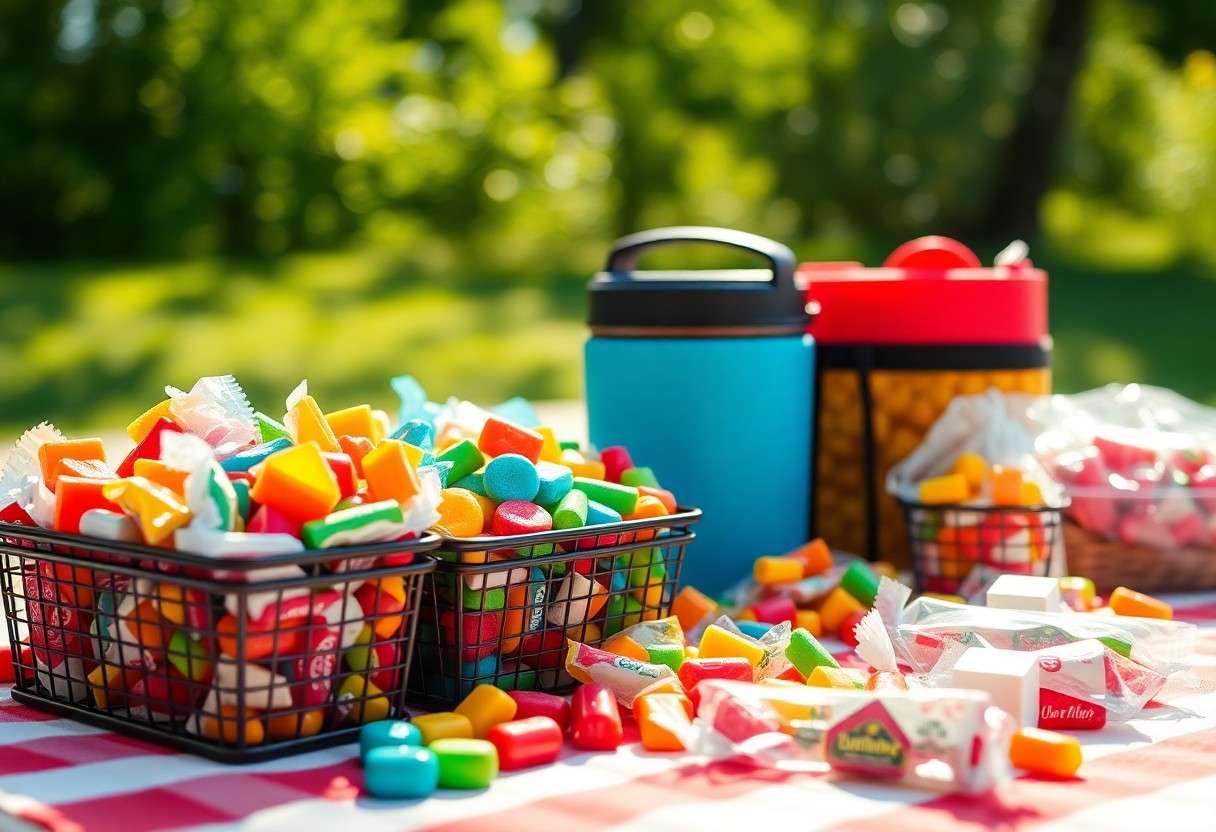
Many factors influence your enjoyment of summer candies, particularly heat stability and portability. As temperatures rise, traditional formulations can suffer from melting and degradation, impacting flavor and texture. This post will explore how innovative strategies in candy formulation are addressing these challenges, ensuring your treats remain enjoyable even in the hottest conditions. By understanding these advancements, you can make informed choices about the summer candies you select, ensuring they withstand the rigors of summer outings.
Understanding Heat Stability
Importance in Candy Formulations
Heat stability is a pivotal factor in candy formulation, as high temperatures can drastically alter textures, flavors, and overall quality. Your candies, whether chocolate, gummies, or hard candies, require formulations that withstand temperature variations, especially during the summer months. For instance, chocolate confections may lose their shape or develop unattractive bloom if not formulated correctly for heat resistance, leading to a decline in consumer appeal and product quality.
Additionally, maintaining heat stability helps preserve the sensory attributes of your candies. The taste, smell, and visual appeal are significantly affected by heat exposure. Formulations that lack proper stability may result in off-flavors or color fading, both of which impact consumer enjoyment. Brands that prioritize heat stability can enhance their reputation for quality, attracting customers looking for portable and long-lasting options.
Key Ingredients for Stability
Incorporating specific ingredients is fundamental to achieving heat stability in candy formulations. Glycerol esters of wood rosin, for example, are commonly used to create a barrier that protects candies from external heat. These additives serve to prevent oils from separating, which is particularly important in chocolate and caramel-based products. Additionally, using stabilizers like pectin or gelatin can maintain the desired texture while enhancing moisture control, ensuring your gummies or chewy candies remain flavorful and appealing.
Utilizing natural waxes, such as carnauba or candelilla wax, can also bolster heat resistance, providing a protective coating that helps candies endure temperature fluctuations. Emulsifiers, such as lecithin, not only improve texture but can also contribute to moisture retention, further preventing unwanted alterations due to heat. Each of these components plays a vital role in your candy formulation, ensuring that your products stand up to the challenges of summer heat without compromising quality or taste.
Portability Considerations
Effective portability in summer candy products hinges on strategic formulation and packaging approaches. As consumers seek products that fit seamlessly into their active lifestyles, your candy formulations must minimize melting and disintegration during transit. This often includes selecting ingredients that offer heat resistance, such as modified starches, and utilizing moisture barriers in your recipes to prevent moisture loss or condensation that could lead to sogginess. Additionally, addressing size and shape can make your products easier to pack and carry, enhancing their appeal for on-the-go consumption.
Packaging Innovations
Innovative packaging plays a vital role in addressing the challenges presented by summer heat. Employing materials that insulate against temperature fluctuations can protect your products from melting and maintain texture. Consider using mylar bags or vacuum-sealed containers that reduce air exposure and potential temperature changes. These materials not only preserve product quality but also elevate the consumer experience by ensuring that candy remains intact until it is ready to be enjoyed.
Consumer Convenience Factors
Convenience features are important elements that enhance consumer satisfaction with summer candy. Single-serving packets or resealable bags provide easy access while ensuring portion control for consumers. Easy-open designs and transparent packaging that showcases the product can also boost the desirability factor. Incorporating clear labeling with dietary information and ingredient lists further empowers your consumers in making informed choices, making your product a preferred option in a crowded marketplace.
- Offering portion control options helps manage consumption.
- Single-serving sizes cater to demand for convenience on the go.
- Transparent packaging builds trust and enhances product appeal.
Understanding consumer convenience extends to product accessibility in various scenarios. Whether it’s shared at a picnic or packed for a road trip, convenience-driven designs resonate with users seeking hassle-free indulgence. Features like easy-grip packaging and tear-away closures bolster this convenience by ensuring that accessing your candy is straightforward. Enhanced portability also allows for easier storage in bags and lunch boxes, appealing to busy lifestyles.
- Products that fit easily in pockets promote spontaneous purchases.
- Lightweight packaging aids in transport without adding bulk.
- Functional designs encourage repetitive buying behavior.
Perceiving these factors in design and functionality will greatly influence consumer satisfaction and loyalty to your brand.
Innovative Formulations
Emerging Trends in Summer Candy
The candy industry is witnessing a shift towards healthier formulations as consumers become increasingly health-conscious. Products infused with superfoods, such as acai and turmeric, are gaining popularity, offering not just sweetness but also nutritional benefits. Brands are also focusing on using natural sweeteners like stevia and monk fruit, reducing sugar content without compromising taste. This trend caters to both the health-focused demographic and those seeking guilt-free indulgence during the summer months.
Another trend is the incorporation of functional ingredients that enhance the eating experience. You might notice candies that offer hydration benefits or energy boosts, using ingredients like electrolytes or caffeine. Furthermore, eco-conscious consumers are driving the demand for environmentally friendly packaging solutions, prompting companies to explore biodegradable options. These trends are pushing the boundaries of traditional confectionery, paving the way for innovative products that reflect consumer values.
Case Studies of Successful Products
Several products have successfully merged innovative formulations with summer appeal, demonstrating the effectiveness of these emerging trends. Candy brands have launched products with significant market impact by prioritizing heat stability and portability features. For example, a leading brand’s summer edition chewable candies employed moisture-resistant coatings to maintain texture and flavor integrity even in high temperatures.
- Brand A: Launched a line of fruit-flavored gummies featuring electrolytes, achieving a 25% growth in summer sales compared to previous years.
- Brand B: Introduced a low-sugar chocolate bar with natural sweeteners, resulting in a 30% increase in repeat purchases during the summer months.
- Brand C: Released a range of vegan-friendly, heat-resistant hard candies, which outsold standard products by 40% during peak summer.
These case studies highlight successful strategies in the candy sector, focusing on consumer preferences for healthier and more convenient products. With detailed attention to seasonal challenges such as heat and portability, these brands have crafted solutions that resonate with today’s market demands. The positive reception of these products indicates a robust potential for future innovation, backed by data-driven insights and a willingness to adapt to consumer feedback.
- Brand A: Launched a line of fruit-flavored gummies featuring electrolytes, achieving a 25% growth in summer sales compared to previous years.
- Brand B: Introduced a low-sugar chocolate bar with natural sweeteners, resulting in a 30% increase in repeat purchases during the summer months.
- Brand C: Released a range of vegan-friendly, heat-resistant hard candies, which outsold standard products by 40% during peak summer.
Regulatory and Safety Standards
Compliance with Food Safety Guidelines
Adhering to food safety guidelines is non-negotiable in the candy industry, particularly when formulating summer products. You must ensure compliance with regulations set forth by organizations such as the FDA and USDA, which oversee food labeling, ingredient safety, and manufacturing processes. Specific attention to allergens, such as nuts and gluten, is imperative to mitigate risks for consumers. By integrating rigorous testing protocols and documented manufacturing practices, you enhance both safety and quality assurance in your formulations.
Traceability of raw materials contributes significantly to compliance. You should prioritize sourcing ingredients from suppliers who uphold the same high standards. This not only streamlines the auditing process but also creates a more transparent supply chain, reassuring consumers about your product’s integrity. Compliance with guidelines extends beyond just sourcing; ongoing staff training and adherence to good manufacturing practices (GMP) must be integral to your processes to further minimize risk.
Impact on Formulation Choices
The regulatory landscape directly influences your formulation choices, compelling you to prioritize ingredients that meet stringent safety standards. You might find yourself leaning towards natural colors and flavors, as these often come with fewer regulatory hurdles compared to synthetic options. Additionally, understanding permissible levels of preservatives and other additives is vital, as certain compounds may be restricted or banned in specific regions.
Formulating for heat stability while adhering to safety regulations impacts your decisions regarding texture and shelf life. For instance, utilizing alternative stabilizers that comply with regulations may lead to a different mouthfeel, thereby affecting consumer acceptance. Innovations in natural emulsifiers and gelling agents provide opportunities, yet they must align with regulatory expectations, balancing creativity and compliance to achieve a successful summer candy product line.
Market Trends and Consumer Preferences
Rising Demand for Summer Treats
Summer triggers an uptick in the craving for sweet treats, amplifying your choices in the candy aisle. Seasonal flavors like watermelon, lemon, and tropical fruit are flying off the shelves, reflecting a strong preference for refreshing, light snacks during warmer months. According to market research, sales of summer candies increased by over 15% last year, indicating a shift towards products that align with outdoor activities and celebrations, such as barbecues and picnics.
Product innovation plays a significant role in meeting this rising demand. Brands have introduced convenience-focused packaging, such as resealable bags and single-serving options, making it easier for you to enjoy your favorite candies on-the-go. Additionally, limited-time summer flavors entice you to try new products, creating excitement and a sense of urgency around purchasing seasonal candies.
Impact of Health Consciousness
Health consciousness is reshaping your candy choices, driving manufacturers to explore alternatives that cater to this growing trend. Low-sugar, organic, and gluten-free options are becoming mainstream, attracting a demographic increasingly wary of additives and preservatives. A recent survey revealed that 60% of consumers are more likely to purchase candies labeled as “natural” or “plant-based,” demonstrating a clear call for transparency in ingredients.
In response, brands are reformulating traditional candies to incorporate healthier ingredients while maintaining flavor. Examples include using natural sweeteners like stevia or monk fruit, and incorporating functional benefits such as added vitamins or probiotics. By focusing on the health aspects without compromising on taste, candy companies can appeal to your desire for indulgence that aligns with a more health-conscious lifestyle.
The trend towards health-conscious options affects all aspects of candy formulation. You might find yourself drawn to products that not only satisfy your sweet tooth but also offer better nutritional profiles, allowing for guilt-free enjoyment. As brands continue to innovate in this space, the market will likely see an influx of products that balance taste with health benefits, catering to your evolving preferences.
Future Directions in Candy Development
Sustainability in Ingredients
Sustainability is redefining ingredient sourcing in the candy sector. You’re likely to see a shift towards plant-based sweeteners and natural flavorings that minimize environmental impact. For instance, companies are increasingly using alternatives like monk fruit or stevia, which require less land and water, thus appealing to eco-conscious consumers. Not only do these ingredients align with sustainability goals, but they also cater to the growing number of people seeking healthier product options.
Ethically sourced ingredients are becoming a standard practice. You might notice brands highlighting their use of fair-trade cocoa or organic fruit extracts. These changes reflect consumer preference for transparency and ethical production practices, fostering a greater connection between your purchase and its impact on global communities and ecosystems.
Advancements in Preservation Techniques
Innovations in preservation techniques are crucial for enhancing the shelf life and quality of summer candies. You’re likely to encounter new preservation methods that employ natural antimicrobial agents, such as imperative oils or fermentation-derived compounds. These not only extend freshness but also reduce the need for synthetic additives, appealing to a health-aware market segment.
Additionally, advancements in packaging technologies are improving heat resistance and moisture control, ensuring your candy remains delicious in variable climates. Techniques such as vacuum sealing or the use of biodegradable packaging that uses barrier films can significantly reduce spoilage, allowing convenient transport and storage without compromising quality.
As companies begin to leverage high-pressure processing (HPP) and cold plasma technology, they are optimizing candy preservation by killing off harmful microorganisms without heat, retaining the original flavor and nutrients. This approach stands to revolutionize how candies are formulated, ultimately benefiting both you and the environment as it minimizes waste and enhances food safety in warm weather conditions.
Conclusion
The advancements in summer candy formulations provide solutions to heat stability and portability challenges, ensuring that your favorite treats remain enjoyable throughout warmer months. By utilizing innovative ingredients and packaging techniques, these products can withstand higher temperatures, allowing you to confidently indulge without worrying about melting or spoilage. This not only enhances your experience but also expands your options for outdoor events and travel.
Furthermore, understanding the importance of proper shipping methods can greatly impact the quality of your summer candies upon arrival. Utilizing temperature-controlled shipping services, such as those provided by The Sweet Truth About Temperature Controlled Shipping …, ensures that your treats maintain their texture and flavor, even in extreme heat. By prioritizing these aspects, you can enjoy your summer candies to the fullest, no matter the conditions.


