How Candy Became Part of Behavioral Modification
Behavioral techniques often rely on reinforcement to shape actions and habits, and candy has become a popular tool in this process. You may not realize it, but

This article contains Amazon affiliate links. As an Amazon Associate, CandiesAndSweets earns from qualifying purchases.
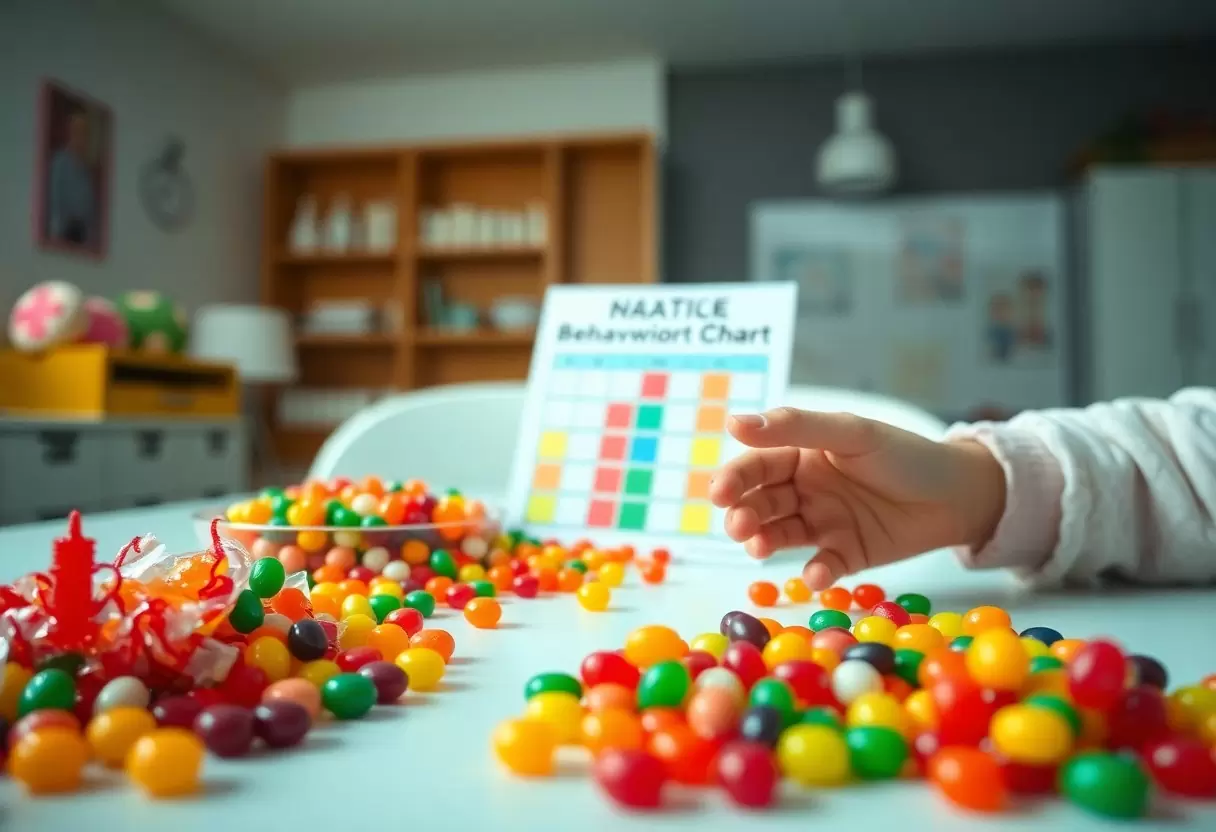
Behavioral techniques often rely on reinforcement to shape actions and habits, and candy has become a popular tool in this process. You may not realize it, but sugary treats are frequently used to reward good behavior in children, creating an association between compliance and sweet pleasures. As you explore the origins and implications of this process, you’ll gain insight into how candy’s role in behavioral modification has evolved, shaping not only childhood experiences but also the broader understanding of reward-based systems in various settings.
The Evolution of Candy as a Reward
A Historical Perspective on Sweet Treats
Throughout history, candy has morphed from a luxurious indulgence into a powerful tool for shaping behavior. Ancient civilizations, such as the Egyptians and Greeks, used honey and sweet fruit as offerings to deities, recognizing the allure of sweetness not only for palatable pleasure but also as a means to curry favor. With the advent of sugarcane cultivation in the Middle Ages, sweet treats became more accessible, and confectionery began to thrive in Europe. By the 19th century, the industrial revolution further democratized candy consumption; mass production allowed treats like hard candies and chocolates to be commonplace, making them an enticing option for rewarding good behavior, particularly among children.
In familial settings, candy quickly evolved into a type of currency—a tool of motivation that figures prominently in the lives of children. You may recall your own upbringing where a piece of candy might have been dangled in front of you as a quick-fix incentive for chores or good manners. This trend didn’t just remain a cultural artifact; it mirrored educational practices, with teachers employing sweets as rewards for academic achievements. This method not only engaged young minds but also reinforced the notion that certain behaviors yield tangible rewards, thus embedding candy deeper into societal norms surrounding behavior modification.
The Connection Between Sugar and Positive Reinforcement
The relationship between sugar intake and positive reinforcement stems from its physiological effects on the brain. Consuming sugary treats stimulates the release of dopamine, a neurotransmitter closely associated with pleasure and reward. This means that not only do you enjoy the taste of candy, but your brain also rewards you for that pleasure, reinforcing the likelihood that you will behave in ways that lead to similar rewards in the future.
The prevalence of this behavior modification technique is evident in modern parenting practices, where a common strategy is to offer sweets as a reward. When a child succeeds at a task—be it finishing homework or displaying good behavior—offering them a candy reinforces that positive behavior. It’s a cycle that has proven effective time and time again, but it also raises questions about reliance on such sugar-laden incentives. Consider how these patterns might affect a child’s understanding of rewards and consequences in their broader life experiences. Over time, candy becomes not just a treat but a cornerstone belief that actions yield sweet rewards, shaping an individual’s relationship with food and behavior throughout their life.
The Psychological Mechanisms Behind Candy as Motivation
How Candy Triggers Dopamine Responses
Candy has a profound impact on the brain’s reward system, largely due to its ability to trigger the release of dopamine, a neurotransmitter associated with pleasure and motivation. When you consume something sweet, your brain perceives this moment as a rewarding experience. This release of dopamine not only enhances your mood but reinforces the desire to seek that rewarding experience again in the future. For instance, studies have shown that even the anticipation of consuming candy can increase dopamine levels, prompting you to engage in behaviors that you associate with sweet rewards, whether that’s completing a task or achieving a goal.
The sugar in candy serves as a fast-acting energy source for the brain, satisfying cravings and giving you a quick boost. This biochemical feedback loop explains why children often feel empowered to perform chores or study harder when a sugary treat is on the line. As adults, this same mechanism can trigger goals and achievements in professional settings, where small incentives, such as candies or gummies, activate a motivational cycle that encourages productivity and compliance. Understanding this dopamine connection makes it clear why incorporating candy into reward systems can yield significant behavioral changes.
The Role of Conditioning in Behavioral Change
Behavioral experts have successfully applied this principle in various contexts, such as classrooms and workplaces. In educational settings, teachers have leveraged incentive-based systems, rewarding students with candy for completing assignments or participating in class discussions. The result? Not only does engagement increase among students, but it also fosters a structured environment where good behavior is consistently reinforced through enjoyable rewards. In this way, conditioning is instrumental in transforming candy from a simple treat into a powerful behavioral modification tool that reshapes how you approach tasks and challenges.
Educational Settings: Candy as a Classroom Incentive
The Use of Candy in Positive Behavior Support Programs
In educational settings, candy often serves as a tangible reward within Positive Behavior Support (PBS) programs aimed at encouraging students to exhibit desirable behaviors. By using candy as an incentive, educators tap into the power of reinforcement psychology, where specific actions are rewarded with immediate gratification. For instance, teachers may offer candy to students who maintain focus during lessons or complete assignments on time. This approach not only fosters a positive learning environment but also helps students connect actions with rewarding outcomes, reinforcing good behavior patterns. The allure of candy can be particularly effective in engaging younger students, who might be more motivated by a sweet treat than abstract concepts of success or achievement.
Through structured and consistent use, candy becomes an enjoyable part of the classroom routine, enhancing both social and academic outcomes. For example, classrooms incorporating candy rewards have reported improved attendance and engagement levels. According to a study published in the Journal of Applied Behavior Analysis, classrooms that implemented a candy reward system saw behavior problems decrease by nearly 40%. This statistic illustrates not just anecdotal success, but also the measurable impact of sweet incentives when used judiciously in behavior modification strategies.
Evidence of Candy’s Effectiveness in Enhancing Learning Engagement
The effectiveness of candy as a motivator for learning engagement aligns closely with research in behavioral psychology. Studies indicate that when candy is intertwined with educational rewards, students demonstrate increased participation and enthusiasm for tasks. For instance, a survey conducted in various elementary schools found that 75% of teachers using candy rewards reported noticeable improvements in student focus during lessons. The immediate gratification provided by candy often leads to heightened attentiveness, which is critical for retaining information and engaging positively in the learning process.
Furthermore, educators have found creative ways to integrate candy more meaningfully into lessons, such as using candy for math problems or creating games where correct answers lead to candy rewards. Such approaches not only reinforce learning objectives but also make the process more enjoyable. Current trends suggest that students who engage with learning materials in a playful, rewarding environment develop a more profound love for learning, which can influence their long-term educational trajectory.
The role of candy in educational settings extends beyond mere rewards; its integration into lessons can entice learners far beyond initial engagement. Creating an environment that mixes academic pursuits with enjoyable rewards often leads to a win-win situation. You may find that positive reinforcement using candy not only enhances immediate participation but can also cultivate an enduring interest in education, shaping your students into lifelong learners. As you consider the implications of candy in your classroom, focus on balancing effective reward systems with the aim of fostering intrinsic motivation for sustained success.
The Ethical Implications of Using Candy in Behavioral Modification
The Risks of Sugar Dependency and Health Considerations
When candy becomes a reward for specific behaviors, the link between sweet treats and positive reinforcement can foster an unhealthy relationship with sugar. Over time, this connection may lead to sugar dependency, where individuals start seeking out candy as a primary source of motivation or comfort. Research shows that the sugar in candy can stimulate the brain’s reward centers, releasing dopamine and making you crave that sweet fix even more. This cycle can result in escalating consumption, and you might find yourself reaching for candy not just as a reward but out of habit, complicating any efforts to modify behavior in a healthy way.
Health issues associated with excessive sugar intake—such as obesity, diabetes, and dental problems—become pressing concerns. While candy as a reward might improve short-term compliance in behaviors like homework completion or chores, the long-term implications on health can lead to more significant challenges. Studies indicate that children who frequently consume sugary rewards may develop preferences for less nutritious food options, which can inhibit their ability to make healthier choices later in life. Your workplace, friends, or family might not reflect a balanced view on reward systems if these unhealthy patterns develop early on.
The Debate on Manipulating Behavior through Sweet Incentives
Using candy as an incentive raises moral questions about the integrity of behavior modification. Advocates argue that introducing candy as a reward taps into natural human psychology and can effectively motivate change in both kids and adults. However, critics point out that relying on external rewards, especially sugary ones, compromises intrinsic motivation and can lead to unintended consequences such as entitlement or reduced personal accountability. A study found that children rewarded with candy for tasks displayed diminished interest in those tasks over time, illustrating that external rewards can undermine creativity and engagement in activities.
Delving into the ethical landscape provides additional context. While engaging in sweet incentives may yield short-term success, it also underlines a societal tendency to apply quick fixes instead of fostering deeper, intrinsic motivational strategies. The long-term ramifications of associating achievement with candy may normalize unhealthy eating behaviors, leading to potential health crises in future generations. Balancing joyful rewards with an awareness of potential downsides can pave the way to more wholesome approaches to behavior modification — ones that favor lasting change over fleeting gratification.
Practical Applications: Integrating Candy Responsibly
Strategies for Using Candy in Behavioral Programs
Incorporating candy into behavioral modification programs can yield positive results when approached thoughtfully. Start by establishing clear behavioral goals and making sure everyone involved understands what behaviors will lead to rewards. Gradually phase in candy as a reward for achieved milestones, creating a structured approach that reinforces desired actions without overwhelming individuals with sugar. For example, a reward chart that links specific behaviors to candy rewards—like completing homework or maintaining a positive attitude—can be effective. Additionally, utilizing small portions ensures that the focus remains on the behavior rather than on sugar consumption itself.
An effective strategy is to combine candy incentives with a broader healthy lifestyle approach. Introduce activities that encourage physical movement, like dancing or playing games, which can help balance the effects of sugar. Offering candy as part of an overall reward system also provides an opportunity for discussions around moderation and healthy choices. By presenting candy as a treat earned through specific achievements, you help people reframe their understanding of the sweet substance from a constant temptation to something that is earned and enjoyed sparingly.
Alternatives to Candy that Still Engage Behavior Change
While candy can be effective, exploring alternatives that promote positive behavior change without health concerns can be advantageous. Items such as stickers, tokens, or even extra privileges can serve as great substitutes. These alternatives often hold their own appeal and can be tailored to specific interests or age groups. For instance, a favorite sticker collection can motivate younger children, while older individuals might be more motivated by earning points towards a fun outing. Implementing these alternatives doesn’t just sidestep the pitfalls of sugar dependency; it allows for more variety in the rewards system, keeping participants engaged in their progress.
Some organizations have embraced the use of experiences rather than physical rewards, such as offering a “movie day” or “game hour” for achieving weekly goals. Such choices cater to social engagement, building community and rapport among participants. You might even consider creating a tiered reward system where individuals can choose between physical rewards or experiential ones, thus promoting autonomy in decision-making while still encouraging good behavior. Through thoughtful adaptation of rewards, you can foster an environment that emphasizes growth and positive reinforcement without the negative side effects often associated with sugary treats.
Conclusion
The relationship between candy and behavioral modification is a fascinating exploration of psychology, reward systems, and societal practices. As you probe into the history and application of candy as a tool for behavior reinforcement, you may recognize how its sweet allure has often been utilized to encourage desired actions. This method of linking candy with positive outcomes can be seen in various settings, from parenting techniques to educational environments, where sugary treats serve as incentives for good behavior. Understanding this connection allows you to reflect on how such practices might affect your own interactions and the choices made within your community.
Additionally, as you consider the implications of using candy for behavioral modification, it becomes imperative to balance the upsides with potential drawbacks. While it can be effective in motivating and rewarding certain behaviors, relying too heavily on candy can lead to issues surrounding health and dependency on external rewards. By approaching this complex relationship with informed awareness, you can make conscious decisions that foster healthier practices and attitudes, paving the way for more sustainable and positive behaviors in yourself and those around you.