How Candy Became Part of Sports Culture
You might be surprised to find out how deeply intertwined candy is with sports culture. From sweet treats enjoyed by fans in the stands to energy-boosting snack

This article contains Amazon affiliate links. As an Amazon Associate, CandiesAndSweets earns from qualifying purchases.
You might be surprised to find out how deeply intertwined candy is with sports culture. From sweet treats enjoyed by fans in the stands to energy-boosting snacks for athletes, candy has carved out a unique space in the world of sports. This blog post will explore the fascinating history and dynamics of how candies have become more than just indulgences, transforming into symbols of celebration, energy, and community spirit during games and events. Join us as we research into this sugary journey through athletics.
The Sweet Origins: Candy in Early Sports
Historical Context of Sweets in Athleticism
Your understanding of early athletic competitions can be enriched by delving into the historical context of sweets. In the ancient Greek Olympics, athletes consumed honey cakes and figs as energy sources, vital for their strenuous physical trials. These early competitors recognized the quick energy boost provided by sugar-rich foods, paving the way for future sporting traditions that incorporated candy into training and competition diets. Additionally, during the time of the Romans, gladiators were known to ingest a mixture of honey and sesame as sustenance before battling in the arena, reinforcing the association between sweets and physical performance.
Cultural Significance of Candy in Past Sports Events
Sugar Rush: The Performance Enhancer Myth
How Athletes View Candy as Fuel
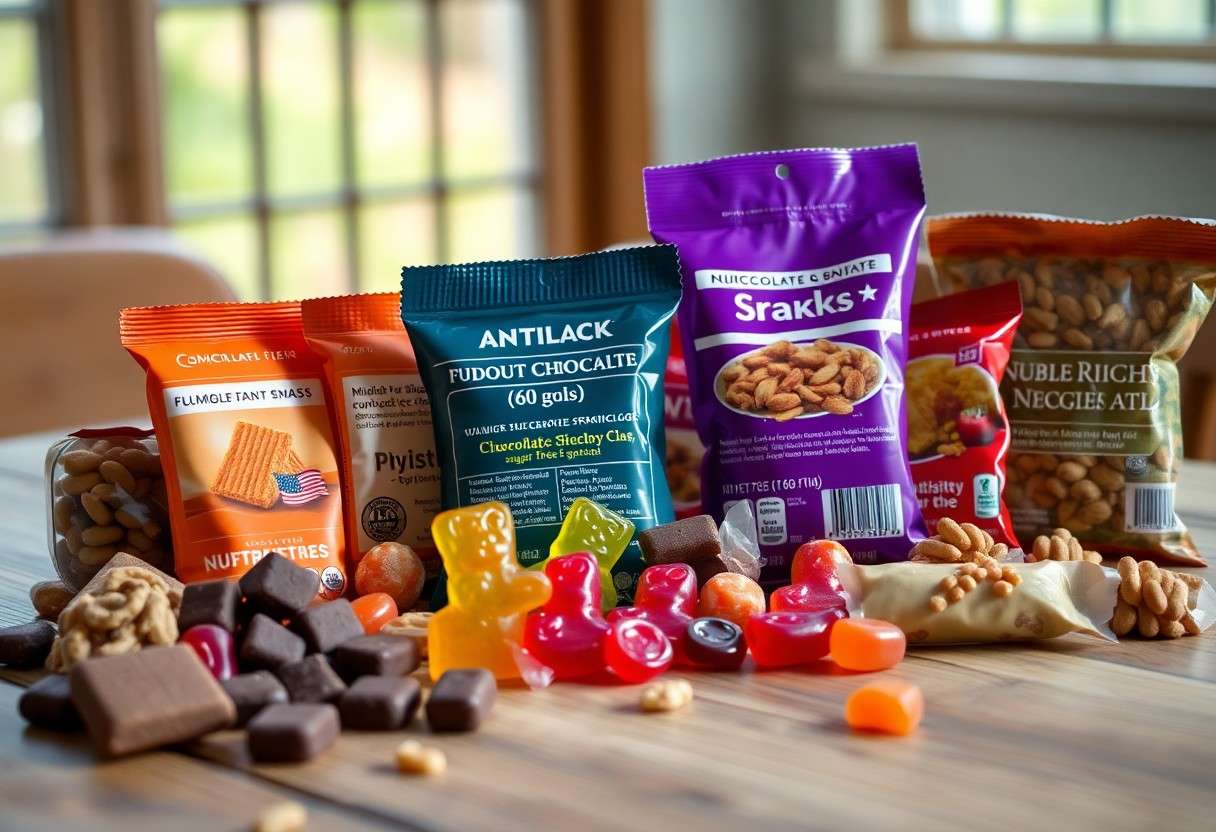
Your perception of candy might be that it’s a guilty pleasure, but many athletes intentionally incorporate sweets into their dietary regimens. This isn’t merely a personal indulgence; it’s a strategy embraced by various professionals across multiple sports for quick energy. Think of endurance athletes who often consume energy gels that are largely composed of sugar, similar to your favorite candy bars. The goal is straightforward—optimizing carbohydrate intake can enhance performance by providing immediate fuel during demanding physical exertion. For instance, marathon runners might reach for gummy bears or jelly beans at water stations, leveraging the fast-digesting carbohydrates to maintain their energy levels throughout the race.
Scientific Evaluations of Sweets and Athletic Performance
Research surrounding carbohydrate intake and athletic performance paints a compelling picture. Studies reveal that consuming sugar-rich products before and after intense exercise aids in glycogen replenishment, a key factor in recovery. For instance, a 2020 study published in the Journal of Sports Sciences highlighted that athletes who ingested fast-acting carbohydrates experienced enhanced endurance and reduced fatigue. This aligns with the practice of using candy as a convenient source of energy—chocolate-covered pretzels or sugar candies can provide a rapid source of glucose, potentially improving overall athletic output in various high-intensity sports.
Body composition plays a role here. Sugars have a notorious reputation, but they can serve practical purposes in an athlete’s diet when strategically timed. Instead of focusing solely on the caloric content, consider the context of your activity level and overall nutritional strategy. Engaging in high-intensity, short-duration exercises often benefits from quick energy sources like candy, prompting a burst of performance that may otherwise be unachievable through complex carbohydrates. Therefore, understanding how to use sweets as part of a balanced fueling regime could dramatically influence both training outcomes and competition success.
Celebrity Endorsements: Candy’s Role in Sports Branding
Iconic Partnerships Between Athletes and Candy Brands
Some of the most memorable moments in sports marketing stem from the dynamic partnerships forged between athletes and candy brands. Think of Michael Jordan and Gatorade’s iconic “Be Like Mike” campaign, which, despite being a drink, has strong ties to the candy-like taste that propelled the beverage into popular culture. Similarly, athletes like Serena Williams have teamed up with candy brands to promote their products in innovative ways, blending their rigorous training regimes with the indulgent thrill of indulging in sweets. These collaborations often showcase the athlete’s personality, making fans feel connected to both the candy and the star.
Other athletes have also taken a more playful approach, like the legendary Bruce Jenner, who made headlines for his partnership with Milk Duds, showcasing how candy can be part of a fun sports experience. Such partnerships serve to legitimize sweets within athleticism, as they reinforce the idea that even elite athletes enjoy rewarding themselves with a treat after their hard work on the field or court.
Marketing Strategies Leveraging Sports Events
Leveraging major sports events has become a cornerstone strategy for candy brands seeking to enhance their visibility and market reach. The Super Bowl, for example, is a prime opportunity; candy companies roll out engaging advertisements that often go viral, significantly boosting brand recognition. During the 2020 Super Bowl, an advertisement featuring M&M’s with Ms. Brown not only entertained but also connected with viewers on a personal level, driving home the idea that candy is the perfect companion for the excitement of sports.
In addition to advertisements, brands frequently engage in direct promotions during these large events. Sponsoring halftime shows or events around the stadium allows candy brands to showcase their products in real-time, giving fans the perfect opportunity to indulge while they cheer. The tangible experience of snacking during a game contributes to the memory-making process associated with sports, further embedding candy within sports culture.
Beyond single events, candy brands often develop partnerships with teams and leagues to maintain ongoing visibility throughout a sports season. By joining forces with popular teams, they secure space in the minds of loyal fans. For instance, the partnership between Snickers and the NFL has created campaigns that resonate across media platforms, transcending traditional advertisements by encouraging fan interaction via social media competitions. This approach not only engages viewers but also cultivates a community of enthusiasts who share a love for both sport and sweetness.
Candies and Rituals: Superstitions and Traditions in Sports
The Ritual of Candy Consumption Before Games
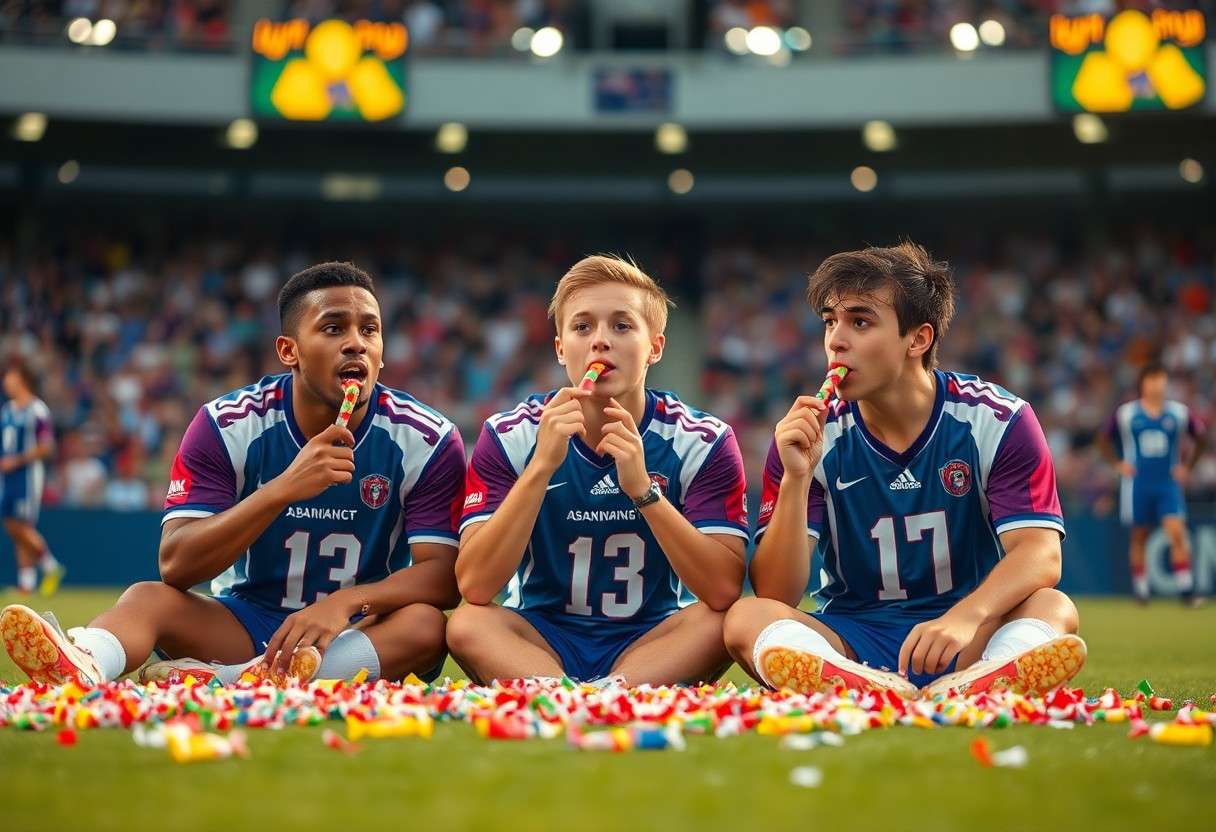
Your game day isn’t complete without the right pre-game rituals, and for many athletes, candy plays a surprisingly significant role. Whether it’s gummy bears for a burst of energy or chocolate bars for a morale boost, athletes often indulge in specific sweets right before stepping onto the field or court. This practice isn’t merely about taste; it’s deeply embedded in the psyche of sports culture. For instance, legends like Michael Jordan were known to munch on Snickers bars, believing that these treats brought them good luck and enhanced their performance. You might find that rituals like these arise from superstition, comfort, and the emotional associations you have with these sweets, creating an intimate bond that transcends mere nutrition. The candy consumption ritual could just be a delightful snack choice, but its psychological impact on performance is immense.
Cultural Differences in Candy Rituals Among Sports
Candy rituals vary significantly across cultures and sports, illustrating how regional preferences and traditions inform athletes’ behaviors. In the United States, baseball players often enjoy classic candy choices, like gummy worms or sunflower seeds, while soccer players in Brazil may opt for chocolates or brigadeiros as their lucky charm. These differences showcase not only personal tastes but also how cultural context influences athletic practices surrounding superstitions. A Japanese sumo wrestler might eat traditional sweets like mochi before a match, counting on the treat to provide energy and focus.
As you probe deeper into cultural differences, take note of how local ingredients and culinary practices shape the candy choices athletes embrace. In Italy, it’s common to see soccer players enjoying candied fruits, reflecting the Mediterranean diet’s impact. Meanwhile, in Australia, rugby players might gravitate toward Vegemite-flavored snacks, a distinctive choice that underscores national pride. These unique candy adoptions illustrate how sport intertwines with local culture, transforming simple treats into symbols of hope, rituals, and personal performance enhancement across the globe.
Fan Engagement: How Candy Shapes Game Day Experiences
Candy Marketing at Sporting Events
Candy brands have long recognized the potential of sporting events as ideal platforms for engaging fans in festive atmospheres. You’ll often find candy booths just outside stadiums, featuring limited-time offerings or collaborations with local teams. Brands like M&M’s and Skittles have actively sought to create visually striking displays that catch your eye, such as giant candy sculptures or themed packaging that resonates with team colors. These tailored experiences do more than just promote a product; they establish a direct connection between the candy you enjoy and the excitement of the game, making it more memorable. An example is the popular “Candyland” zone at select football and basketball games, where you can immerse yourself in sweet delights while cheering for your team.
The Emotional Connection Between Fans and Candy Brands
Deep-seated emotional connections play a significant role in how candy brands resonate with sports fans. You might recall a favorite childhood memory of enjoying candy while watching your local team with family or friends. These memories form a powerful bond, and brands like Reese’s or Twizzlers tap into that nostalgia with advertising that showcases fans celebrating victories or commiserating losses, all while savoring their confections. In many ways, candy becomes a symbol of the communal experience that sports invite, reinforcing your sense of belonging to both the team and the wider community of fans.
This emotional chemistry is most potent during crucial moments of a game. The anticipation builds as you unwrap a piece of candy, often mirroring the tension of the game. Many brands craft campaigns that highlight this relationship, selling not just candy but an experience that ties back to sportsmanship and unity. Consider how limited-edition flavors around a major championship can enhance your connection with the event—savoring a specific candy while your team is competing can create a lasting memory, embedding the taste of victory or the agony of defeat into the very essence of your game day ritual.
Summing up
Considering all points, you can see how candy evolved from simple treats to integral components of sports culture. It began with athletes seeking quick energy sources during intense games and practice sessions, which led to the rise in popularity of candy as an easily accessible snack. Over the years, sponsorships and marketing strategies have further solidified the bond between candy brands and sports events, catering to fans’ desires for both entertainment and indulgence.
As you continue to engage with sports, you might notice that candy is no longer just about satisfying a sweet tooth. It has become a cultural phenomenon that encapsulates the excitement and camaraderie of sports events. From game-day snacks to celebratory confections, candy has woven itself into the fabric of sports culture, reminding you to indulge in the joy of the game while cheering for your favorite teams. Whether it’s at the stadium or your living room, the presence of candy enhances your overall sports experience, creating lasting memories tied to the excitement of competition.