How Candy Became Part of Travel Experiences
Candy has woven itself into the fabric of travel culture, transforming how you enjoy new destinations. Whether you're experiencing local delicacies or bringing

This article contains Amazon affiliate links. As an Amazon Associate, CandiesAndSweets earns from qualifying purchases.
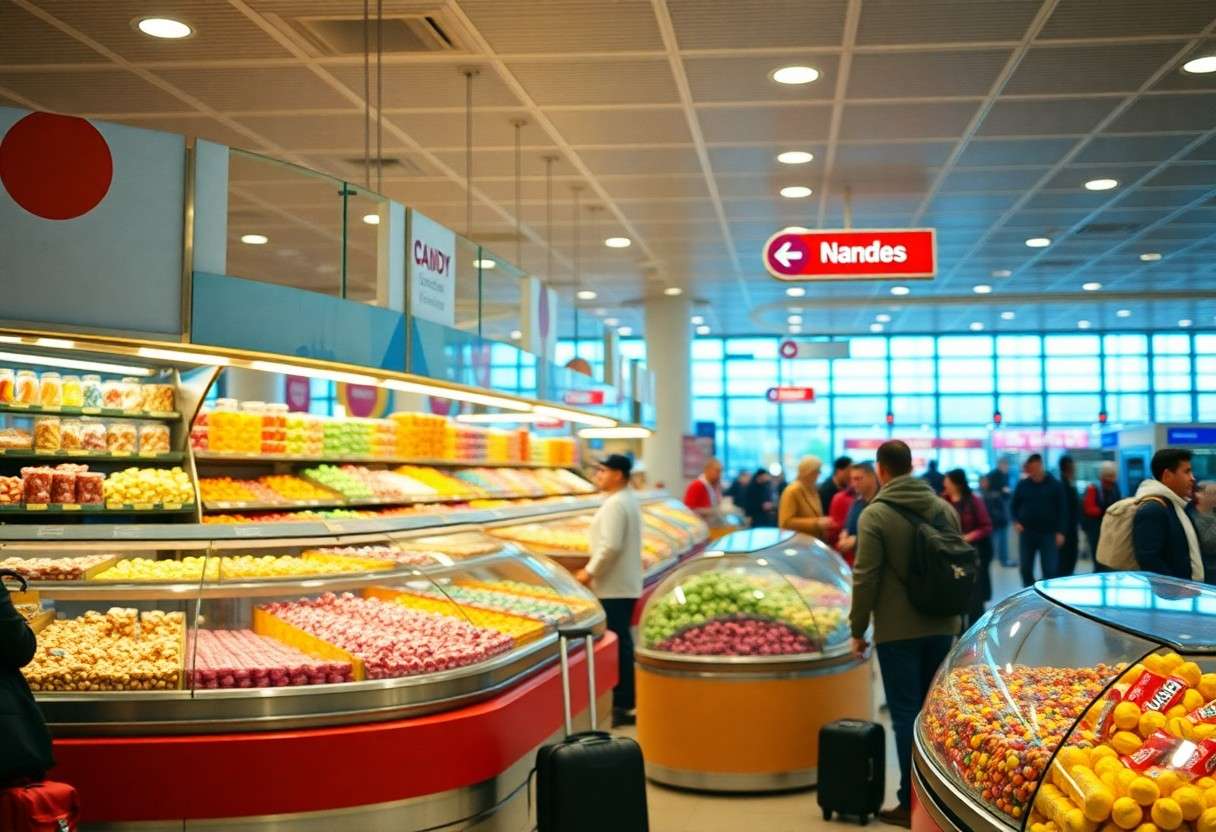
Candy has woven itself into the fabric of travel culture, transforming how you enjoy new destinations. Whether you’re experiencing local delicacies or bringing treats from home, candy often sparks joy and creates lasting memories. This post explores the enticing journey of candy as an integral part of your travel adventures, from unique regional confections to the nostalgic sweets that remind you of past trips. You’ll uncover how these delightful morsels enhance your travel experiences and create connections with different cultures around the globe.
The Sweet History of Candy in Culture
Origins of Candy as a Treat
Your exploration of candy’s origins leads back thousands of years to ancient civilizations. The first candies were not the sugary delights we know today but instead consisted of honeyed fruits and nuts. In Egypt, for instance, a blend of honey and nuts created confections enjoyed by the wealthy, while in ancient China, the use of sugarcane began transforming them into sweet treats. As sugar became more accessible, particularly in the Middle Ages, the art of candy-making blossomed. This resulted in fantastical creations like marzipan and candied ginger, both of which were cherished among nobility in Europe.
The advent of the Industrial Revolution propelled candy into the mainstream, making it affordable and available for everyone. Factories sprouted, producing hard candies, chocolates, and novelty sweets that quickly became integral to markets and celebrations. By the late 19th century, the modern candy bar was born, and it became a staple for children and adults alike, marking its place not just as a treat but as a symbol of indulgence and joy.
Cultural Significance Across Regions
Candy’s cultural significance varies immensely across different regions. In America, candy plays a central role in holidays such as Halloween, where it serves as both a treat for trick-or-treaters and a means of celebration. You might find yourself indulging in chocolate bars, gummies, and seasonal specials, all contributing to a rich tradition of sharing sweets. In contrast, in countries like Mexico, candies such as dulce de leche and sweet tamales are featured prominently during festivities like Día de los Muertos, where they represent connection to the afterlife and celebration of deceased loved ones.
This rich tapestry of regional specialties extends worldwide. For instance, in Japan, you may encounter wagashi—traditional sweets that often accompany tea ceremonies and are highly regarded for their artistry and seasonal symbolism. In contrast, in countries like Turkey and the Middle East, confectionery treats like baklava are enjoyed not only as desserts but also as offerings during gatherings and celebrations, reflecting the communal aspect of sharing food. You see how candy becomes more than just a sugary delight; it weaves into the narrative of cultural identity, traditions, and social connection.
From Local Delights to Global Must-Haves
Diverse flavors can be found in candy from various cultures, each reflecting unique culinary traditions. You may recall the vibrant colors and bold tastes of Mediterranean halva or the delicate flavors of Japanese mochi, each a testament to the region’s history and ingredients. These local delights have not only captivated the palates of those within their borders but have also become sought-after treats in the global market. As travel becomes more accessible and tourism expands, the quest for authentic experiences often leads you to local candy shops, where regional confections invite exploration and discovery.
The Fusion of Flavors in Travel
The fusion of flavors in candy showcases how travel influences culinary trends. You can see this clearly in the rise of gourmet candy shops that experiment with unconventional ingredients. Imagine chocolates infused with spices from India or lollipops flavored with exotic fruits from South America. These creative combinations fuel your curiosity and add an exciting layer to your travel experiences. While enjoying these innovations, you’re not just tasting a sweet—you’re experiencing a blend of cultural influences that span across continents, elevating your understanding of global cuisine.
How Candy Became a Culinary Souvenir
Candy has transitioned from being just a sweet treat to becoming an integral part of your travel documentation. Souvenirs traditionally included trinkets or local art, but the tactile joy of candy allows you to savor a destination long after you leave. Taking home a box of Belgian pralines or a bag of Turkish delight not only satisfies your sweet tooth but also serves as a flavorful reminder of your journey. Many travelers now prioritize edible souvenirs, seeking out local candies that encapsulate the essence of the place they’ve visited, which enhances their cultural connection to that region.
This culinary souvenir trend isn’t just about nostalgia; it’s deeply tied to the emotion of sharing experiences. When you gift a box of regional candies to friends or family, you turn a simple treat into a story, offering a glimpse into the unique culture you experienced. This practice not only extends the travel experience but also creates a shared moment among your loved ones, allowing them to partake in your adventures through the universal language of food.
Candy Tourism: A Growing Industry
The Rise of Candy Shops and Tours
Your journey through candy tourism is likely to lead you to vibrant candy shops that showcase local and international treats in immersive ways. Cities like Chicago and San Francisco have seen a surge in artisanal candy stores that not only sell sweets but also offer tours that educate visitors about the candy-making process. These shops often invite you behind the scenes, allowing you to watch skilled confectioners at work, share their secrets, and sometimes even let you participate. With activities like chocolate tastings or candy-making workshops, travelers leave with more than just souvenirs—they gain a tangible experience to complement their sweet tooth.
Economic Impact on Local Communities
The sweet impact of candy tourism extends beyond individual satisfaction, as it benefits local economies significantly. As candy shops and tours gain popularity, they create jobs within the community, from skilled craftsmen to service personnel. For example, a well-known candy tour in a bustling city can attract thousands of visitors, resulting in increased foot traffic to surrounding businesses, including cafes, restaurants, and hotels. Many cities have reported a direct link between candy tourism and overall economic growth, as these visits encourage spending in various sectors, supporting entire neighborhoods.
Moreover, regions with a rich candy-making heritage often see a revitalization of interest in their traditional sweets. This not only preserves cultural practices but also enhances community pride. Establishments often work together to promote local candies, contributing to a sense of vibrancy and innovation. With the growth in awareness of candy tourism, industry stakeholders continue to collaborate, ensuring that investment and revenue stay within the community, fostering sustainable economic development.
The Role of Social Media in Candy Travel Trends
Influencers and the Viral Candy Experience
In recent years, influencers have shaped the way travelers experience candy on their adventures. Social media platforms, particularly Instagram and TikTok, have given rise to an abundance of content showcasing mouthwatering candy creations from around the world. You might have stumbled upon a colorful candy store in Japan or a unique jellybean flavor from a trendy shop in New York City thanks to your favorite travel influencer. As these personalities share their experiences, they often create a “must-see” effect, driving their followers to seek out those exact candy experiences themselves.
The viral nature of content encourages candy shops and brands to innovate in their offerings. Think about dishes that require you to interact with them, like those beautifully designed candy charcuterie boards or ice cream concoctions topped with an array of sweets. Those eye-catching visuals get shared countless times, quickly spreading like wildfire across social platforms, inspiring even more travelers to jump on the candy trend.
Hashtags and the Visual Appeal of Candy
Leveraging popular hashtags can amplify your candy discoveries and connect you with other candy enthusiasts. Hashtags such as #CandyAdventure, #SweetTooth, or #TravelAndTaste make it easy to find visually stunning candy posts that can inspire your next travel destination. Platforms like Instagram allow you to explore trending candy content, elevating the way you plan your sugar-seeking escapades. Each candy creation becomes not just a treat but a potential social media moment, artfully crafted for likes and shares.
The visual appeal of candy plays a significant role in its popularity on social media. Vibrant colors, unique shapes, and creative presentations entice viewers, proving that candy isn’t just a delightful indulgence—it’s also a form of art. Engaging with candy-themed content through strategic hashtags can lead you to discover hidden gems in travel destinations. Those pastel macarons from Paris, handcrafted chocolates from Belgium, or gummy crab-shaped candies from the beach become eye-catching focal points worthy of your Instagram grid, all while enhancing your personal travel narrative.
Crafting Memorable Experiences through Candy
Interactive Candy-making Workshops
Imagine venturing into a hands-on candy-making workshop where your senses are fully engaged. You can create your own confectionery delights while learning about the traditions behind them. Many local candy shops and culinary schools offer workshops that guide you through the intricacies of making everything from traditional fudge to colorful gummies. Engaging with a skilled confectioner not only helps you appreciate the artistry behind your favorite treats but also allows you to walk away with both the knowledge and the sweet creations you crafted yourself. This immersive experience can become a cherished souvenir, combining cultural appreciation with a satisfying activity.
These workshops are often customized to accommodate a variety of skill levels, whether you’re a complete beginner or have some experience. Imagine working alongside fellow travelers, sharing laughter as you perfect your sugary designs. Such events foster connections that go beyond just the shared love of sweets; they cultivate community through creativity. You’ll likely leave with memories as rich as the flavors of your creations, making your travel experience even more unforgettable.
The Adventure of Tasting Local Varieties
Embarking on a journey to taste local varieties of candy takes you deeper into the heart of a destination’s culture. From the spicy tamarind candies of Mexico to the melt-in-your-mouth delicacies of Turkish delight, each local treat offers a story steeped in folklore and tradition that can transport you to the very essence of a place. Visiting local markets or participating in candy festivals provides the perfect opportunity to sample an array of flavors you won’t find anywhere else. Every bite becomes an adventure, encouraging you to explore the hidden gems of culinary artistry.
Discovering these candies often leads to surprising stories and unexpected pairings. For instance, you might find bombones filled with exotic fruits from the Amazon, or artisanal chocolates infused with local spices, creating a truly unique tasting experience. Engaging with local vendors allows you to learn about the ingredients and techniques that define regional candy-making. This connection to local culture enriches your travels and leaves a lasting impression that goes beyond mere souvenir shopping. Ultimately, tasting local candy becomes an immersive journey, weaving together flavors and stories that reflect the vibrancy of the places you visit.
To wrap up
Summing up, candy has transformed into more than just a sweet treat; it has evolved into an integral part of your travel experiences. As you journey across various destinations, the enchanting local confections offer a unique insight into the culture and traditions of that place. From handmade chocolates in Switzerland to chewy licorice in Denmark, these treats serve as both a sensory delight and a means to connect with the people and their heritage. Each piece of candy you savor can evoke memories and stories that enrich your travels, turning a simple snack into a cherished memento.
Moreover, as you explore markets and boutiques, the colorful displays of candies capture your attention and invite you to taste, share, and indulge. These moments can ignite your sense of adventure, leading you to discover not only the sweet flavors of your destination but also the narratives behind them. So the next time you begin on a journey, consider how the local sweets can enhance your experience and provide that extra layer of enjoyment to your travels, making them all the more memorable.


