How Candy Became Part of Workplace Wellness
Workplace culture has evolved significantly, and now you may find that candy is making its way into the discussion on wellness initiatives. As companies seek to

This article contains Amazon affiliate links. As an Amazon Associate, CandiesAndSweets earns from qualifying purchases.
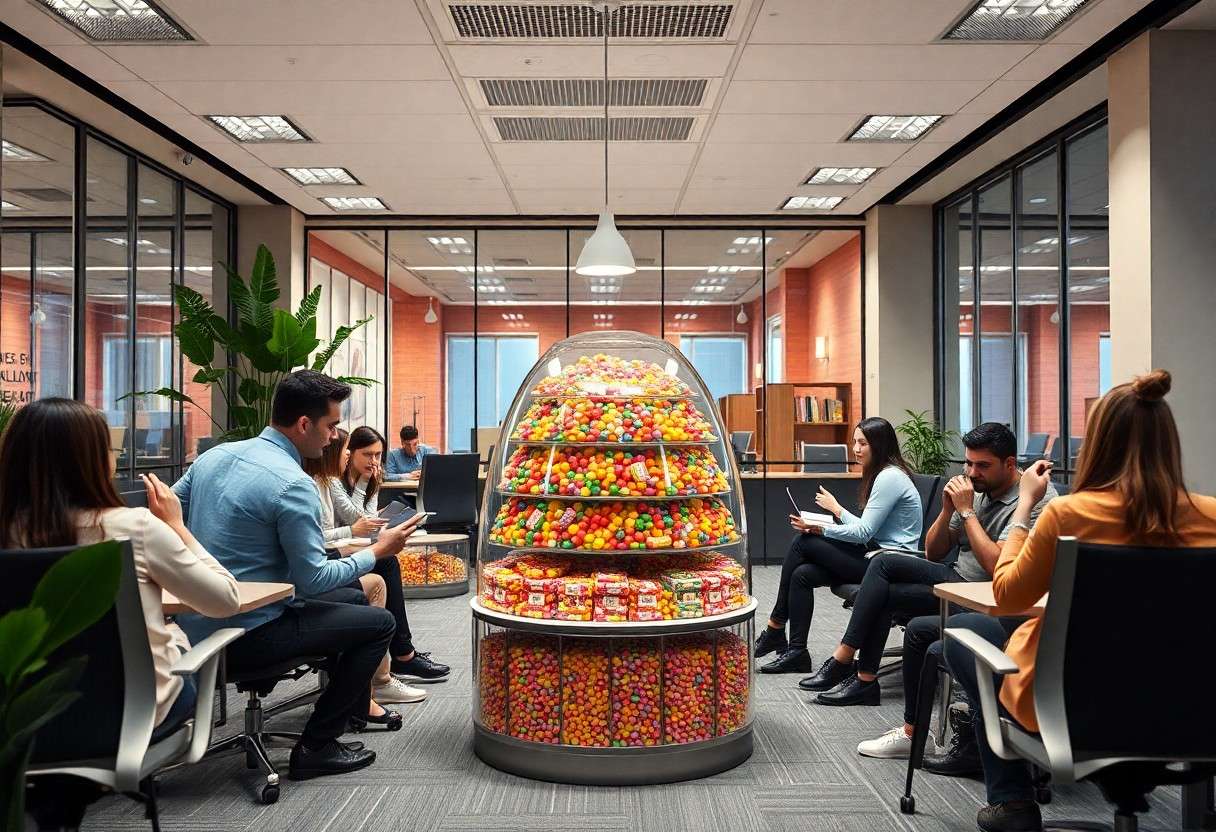
Workplace culture has evolved significantly, and now you may find that candy is making its way into the discussion on wellness initiatives. As companies seek to foster a healthier and more productive environment, they are exploring how small indulgences can enhance morale, encourage social interaction, and even boost creativity. In this post, you’ll learn how the integration of candy into workplace wellness programs is transforming traditional views on health and happiness at work.
The Sweet Shift: How Candy Became a Wellness Staple
The Rise of Workplace Wellness Programs
Workplace wellness programs have surged in popularity over the last few decades, with an estimated 80% of U.S. companies implementing some form of employee wellness initiatives. These strategies aim to improve employee health and happiness, reduce healthcare costs, and boost productivity. As businesses recognized that a healthy workforce could lead to better overall performance, they began re-evaluating traditional incentives and perks. This shift explains why candy has smoothly integrated into these wellness programs, offering a fun and engaging way to encourage employees to connect, collaborate, and take breaks away from their desks.
Your workplace might host regular team events featuring candy stations, where employees can enjoy their favorite treats while mingling with coworkers. This approach not only fosters team spirit but also caters to the human need for enjoyment during the workday. By incorporating candy thoughtfully into these initiatives—like using it to reward completion of wellness challenges or as part of educational sessions about moderation and balanced diets—companies have transformed perceptions of sugary snacks from being merely indulgent to being part of a holistic wellness culture.
The Role of Candy in Employee Satisfaction
Candy can significantly influence employee satisfaction, as it often evokes feelings of nostalgia, comfort, and happiness. Many companies report that offering sweet treats in break rooms or during meetings leads to a noticeable improvement in employee morale and engagement. For instance, tech giant Google has leveraged this concept by providing employees with a vast selection of candy and snacks, resulting in a highly satisfied workforce, which is reflected in their regular appearances on ‘best places to work’ lists. By embracing the playful nature of candy, organizations create a lively atmosphere that promotes positive emotions and strengthens workplace camaraderie.
Additionally, studies show that the occasional chocolate bar or gummy bear can act as a powerful motivator. When employees have access to treats, they often manage stress more effectively and can recharge without needing to leave the workplace. This access to candy creates micro-moments of joy, allowing for personal breaks designed to refresh both mind and body. Consequently, the presence of candy in the office isn’t just about taste; it’s fine-tuned to help your mental well-being while contributing to a vibrant, engaging work environment.
The Psychological Boost: Sugar’s Role in Reducing Stress
Understanding the Connection Between Sugar and Mood
Sugar has long been associated with temporary feelings of happiness due to its ability to boost serotonin levels, the brain’s natural “feel-good” chemical. When you consume candy, your body quickly metabolizes the sugar, releasing a burst of energy and an immediate improvement in mood. According to a study published in the journal *Nutrients*, participants reported elevated mood states shortly after consuming sugary snacks. This phenomenon is not just anecdotal—scientific research continues to investigate how sugar impacts neurotransmitter function, linking sweet treats to moments of joy and relief, particularly during stressful workdays.
This quick lift in mood can be particularly beneficial during demanding periods. You may find that a small piece of candy serves as a mini-reward system, breaking the monotony of your tasks and providing a delightful pause. It’s fascinating how a simple action, like unwrapping a piece of candy, can stimulate dopamine release, encouraging positive associations with your work environment. By incorporating candy into workplace wellness programs, employers aim to create a more enjoyable and less stressful atmosphere.
Exploring Candy as a Tool for Motivation
Some organizations have started noticing the motivational powers embedded in candy consumption. When you face an overwhelming project or a tight deadline, allowing yourself a sweet treat can serve as a motivational tool. It acts as a little incentive or reward for completing specific milestones. You could set internal challenges—like finishing a report or meeting a goal—and treat yourself to a few pieces of candy as a reward for your efforts. This not only boosts your mood but can also enhance productivity. Studies indicate that small rewards can significantly increase job satisfaction, leading to both improved performance and reduced burnout.
The straightforward pleasure derived from candy can create positive feedback loops in your daily routine. For example, if your team successfully meets a project deadline and you surprise them with a candy celebration, it solidifies team bonding and creates a shared experience. Such instances show that candy can serve not just as a sweet delight, but also as a strategic element in maintaining motivation and camaraderie among colleagues.
Balancing Act: Health Considerations in Candy Consumption
The Importance of Moderation in Workplace Treats
Incorporating candy into the workplace can enhance the overall atmosphere, but moderation is necessary. Overindulgence can lead to energy crashes and decreased productivity. A study conducted by the University of Reading found that consuming high-sugar snacks can result in a temporary boost, followed by a significant drop in alertness within a few hours. This emphasizes the importance of limiting candy intake while encouraging employees to enjoy treats without compromising their well-being. Setting clear guidelines around how much candy is available and promoting sharing can help strike this balance.
Creating a culture that promotes moderation can also foster a sense of community. Rather than hoarding chocolate bars or gummy bears, consider implementing a “Candy Day” once a week where employees can sample different treats in a controlled environment. This allows everyone to enjoy sweets without feeling overwhelmed by the temptation to snack throughout the day. You may even find that engaging in discussions around moderation helps to normalize conversations about healthy choices and self-care among your coworkers.
Healthier Candy Alternatives for the Conscious Workplace
Given the need for healthier options, many workplaces are finding creative ways to include candy without the usual sugar overload. Look for candy brands that focus on natural ingredients, lower sugar content, or even sugar-free alternatives to satisfy those sweet cravings. Brands like ChocZero and SmartSweets have emerged as popular choices, offering delicious treats that are significantly lower in calories and sugar, making it easier for you to enjoy sweets without the guilt. Stocking up on these alternatives can spark interest in healthier eating habits among colleagues.
Fruits can also serve as an excellent candy substitute in the office. Dried fruits, such as mango, apples, or apricots, provide a natural sweetness packed with vitamins and fiber, while also delivering an energy boost. Even options like yogurt-covered raisins or chocolate-dipped fruits bridge the gap between candy and health, allowing you to indulge while still making conscious decisions. As you explore these alternatives, the goal is to embrace moderation while acknowledging the importance of enjoying the sweeter things in life. With thoughtful selection, you can create an environment where treats and wellbeing can harmoniously coexist.
Designing a Candy-Friendly Workplace Environment
Strategies for Incorporating Candy into the Office Culture
Creating a candy-friendly environment begins with thoughtful integration into your existing office culture. Consider hosting a Monthly Candy Day, encouraging team members to bring their favorite sweets to share. This not only fosters camaraderie but also gives everyone a chance to learn about each other’s unique tastes. You might also establish a “Candy Wall,” a designated space where jars of assorted treats are replenished weekly, inviting employees to indulge during breaks. Events like “Candy Tasting Parties” can further enhance engagement and let colleagues sample international treats, sparking conversations and building connections.
In addition to special events, you could incorporate candy-themed days into your weekly routine, such as “Throwback Thursday,” where nostalgic candies from your colleagues’ childhoods are featured. Be mindful of dietary restrictions and label your candy options clearly, including allergens to ensure that everyone can join in without worry. By making candy a regular, approachable part of office interactions, you create an inviting atmosphere and the potential for a delightful break from daily stressors.
Best Practices for Candy Distribution and Consumption
Implementing effective distribution strategies is important to ensure that candy enhances the workplace without contributing to unhealthy habits. Opt for shared, communal bowls rather than individual packs to encourage moderation. This method promotes mindful consumption as colleagues can take a few pieces rather than mindlessly gobbling down an entire bag. Likewise, position candy in high-traffic areas but limit access during work hours to prevent excessive intake—a controlled approach that balances enjoyment with self-regulation.
Timing also plays a key role in managing candy consumption. Consider aligning candy availability with periods of heightened stress or workload, such as project deadlines or Mondays. This can provide a much-needed lift while ensuring that treats are associated with positive experiences rather than habitual snacking. Engaging employees in discussions about their preferences regarding candy options will not only create a sense of ownership but also help maintain a balanced variety that caters to everyone’s tastes.
Besides these strategies, you might implement a reward system where employees can earn tokens for meeting wellness goals—these can be exchanged for candy. This gamified approach reinforces healthy habits while making indulgence feel like a well-deserved treat, further encouraging a culture that balances enjoyment with conscious consumption. In this way, you can promote a workplace environment that’s both candy-friendly and strategically supportive of overall wellness initiatives.
Cultural Perspectives: Candy Trends Across Different Workplaces
How Global Work Cultures Embrace Candy in Wellness
Across various cultures, candy has adapted to workplace wellness in diverse ways. For example, in Japan, the practice of offering sweets, known as “omiyage,” fosters a sense of camaraderie among team members. Companies in this region often provide seasonal treats that celebrate traditional holidays, which creates a sense of inclusivity and shared culture. In contrast, Scandinavian nations prioritize organic and health-focused candies, promoting a balance between indulgence and nutritional mindfulness in their work environments. This regional variation reflects how candy can be tailored to align with specific cultural values while still serving as an imperative tool in enhancing employee happiness and cohesiveness.
In workplaces across the globe, candy rituals can be found embedded in team-building events or celebrations, reinforcing social bonds among colleagues. For instance, American companies frequently host candy-themed celebrations like Halloween parties or National Candy Month events to engage employees in a fun and informal atmosphere. These initiatives not only uplift morale but also strengthen a collective identity within the company. By customizing candy consumption practices to align with local customs and festivities, businesses can create an engaging experience that resonates with employees on a more personal level.
The Intersection of Regional Treats and Employee Engagement
Examining how different regions incorporate their traditional sweets into workplace culture highlights the importance of local flavors in fostering employee engagement. Incorporating regional delicacies creates a unique identity for your workplace and showcases appreciation for diverse backgrounds. For example, in Mexico, workplaces often celebrate Día de los Muertos with themed candies like sugar skulls, while in Italy, workplaces may feature cicoria candies during spring celebrations, enhancing cultural appreciation and connectedness among employees.
The impact of regional treats on employee engagement is significant. Employees often feel a sense of pride when their cultural heritage is acknowledged and celebrated within the workplace. By making room for diversity through sweet treats, companies can tap into a rich tapestry of traditions, making everyday work interactions more meaningful. As you embrace regional candies and their stories, you’ll find that your team not only enjoys the treats but also experiences a deeper sense of belonging and inclusivity, driving overall engagement and satisfaction in the workplace.
To Wrap Up
Hence, the evolution of candy in workplace wellness reflects a broader understanding of employee engagement and well-being. You may find that incorporating occasional treats like candy can enhance morale, foster team bonding, and even improve productivity when used thoughtfully. By creating an environment that acknowledges the significance of small joys—such as candy—you’re not just promoting a fun atmosphere but also addressing the important balance between work demands and employee satisfaction.
As you consider how candy can fit into your workplace wellness strategy, it’s vital to approach it with mindfulness. You should aim for moderation, ensuring that such treats are part of a larger initiative that promotes healthy lifestyles and mental well-being. By thoughtfully integrating candy into your workplace, you can create a more inviting and engaging atmosphere, reinforcing your commitment to your team’s overall health and happiness.