How Candy Companies Use Nostalgia Marketing
Many candy companies tap into your fondest memories to create powerful connections with their products. By using nostalgia marketing, they evoke feelings of joy

This article contains Amazon affiliate links. As an Amazon Associate, CandiesAndSweets earns from qualifying purchases.
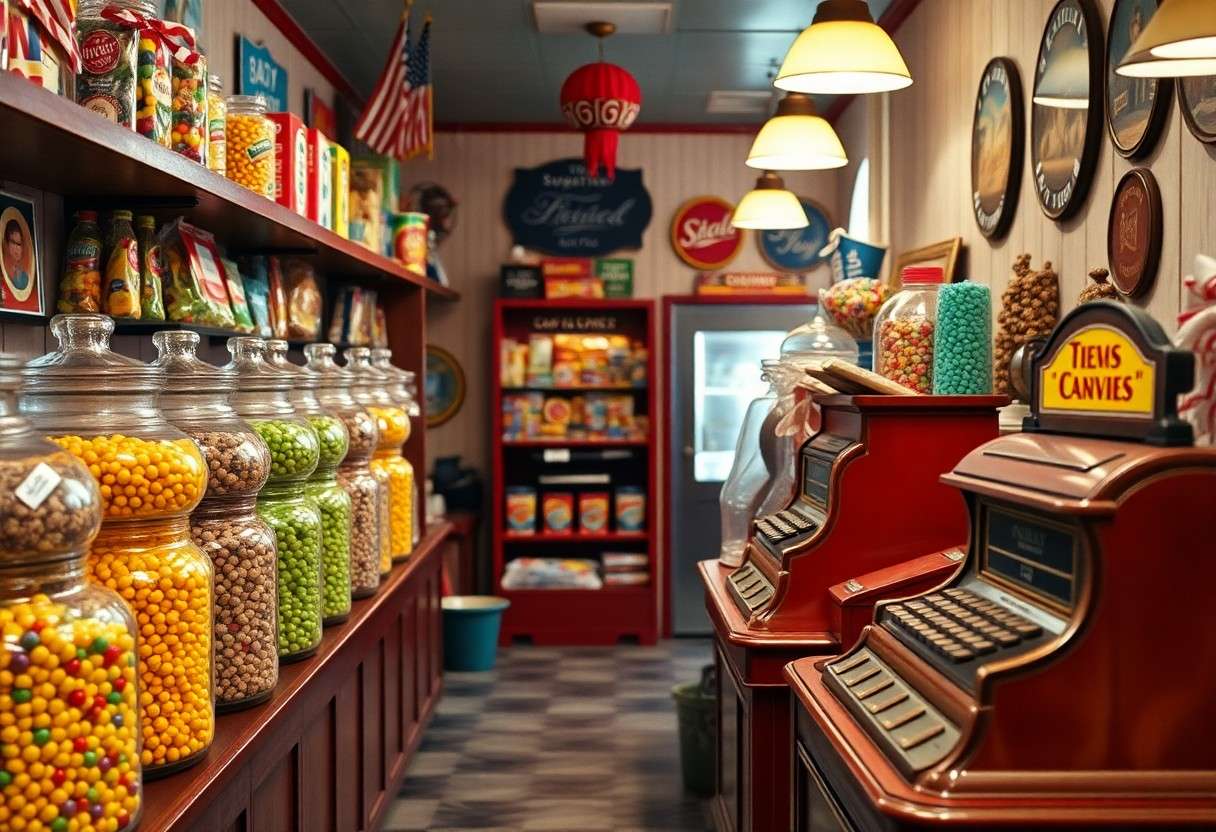
Many candy companies tap into your fondest memories to create powerful connections with their products. By using nostalgia marketing, they evoke feelings of joy and sentimentality tied to your childhood experiences. This strategy not only enhances your emotional relationship with their brands but also influences your purchasing decisions. In this blog post, you will discover how these companies implement nostalgia in their marketing campaigns and why it resonates so strongly with consumers like you.
Evoking Fond Memories: The Emotional Trigger
The Psychology Behind Nostalgia
Nostalgia has a unique way of triggering emotional responses, often linked to a time when life seemed simpler and stress-free. Research suggests that engaging with nostalgic content can elevate mood and increase feelings of social connectedness. Candy companies leverage this psychological phenomenon by utilizing imagery, packaging, and marketing campaigns that hark back to your childhood experiences. For example, vibrant colors and familiar character mascots have a way of transporting you back in time, evoking sights and smells that resonate deeply with your past. The bright wrappers of classic candies, like M&M’s and Skittles, don’t just attract the eye — they elicit a rush of memories tied to carefree moments spent with friends during recess or family outings. This strategy amplifies emotional connections, making their products not just candy, but vessels of cherished memories.
How Childhood Experiences Shape Brand Loyalty
Your childhood experiences play a significant role in shaping brand loyalty, often becoming a direct association with specific candies that were a staple in your upbringing. Many companies have recognized that the sugary snacks of yesteryears are tied to moments of joy, celebration, and even comfort during challenging times. Brands like Hershey’s know that nostalgic products can create a sense of familiarity and warmth, which, in turn, fosters long-term loyalty. When you walk down the candy aisle and spot a familiar product, like a Reese’s Peanut Butter Cup, those memories of sharing them during movie nights with family or trading them in school come flooding back. This emotional attachment positions the brand in a way that compels you to reach for it over others, creating an unbreakable bond that spans decades.
Experiencing those childhood moments connected with candy can lead to significant brand preference into adulthood. You may find yourself gravitating toward candy that reflects these early happy experiences, especially during times of stress or nostalgia. For instance, when you’re looking for a pick-me-up or a sweet reminder of your childhood, you may automatically reach for a packet of Mentos or a classic Tootsie Roll. This habitual behavior can lead to a cycle where the candy becomes not only a treat but also a means of reliving joyful past experiences, solidifying the brand’s place in your life. Over time, this creates a strong sense of loyalty, making it less about the candy’s taste and more about the feelings attached to it. In this way, the emotional trigger of nostalgia truly shapes your connections with various candy brands, influencing your choices for years to come.
Designing Packaging with a Purpose
Retro Aesthetics: Boosting Visual Appeal
Your eyes first land on the packaging, and if it evokes a sense of nostalgia, you’re already half won over. Candy companies frequently create designs that harken back to an earlier era, employing retro aesthetics that resonate with both older and younger audiences alike. Think about the iconic wax paper wrappers of your childhood favorites or the bold graphics of the 1980s. By incorporating these familiar elements, brands enhance their visual appeal and trigger cherished memories, briefly transporting you back to the simpler joys of your youth. Nostalgic designs are not just a feast for the eyes; they serve as a portal to emotions tied closely to shared experiences.
A great example of this strategy in action is the reintroduction of classic candy bars like the “Reese’s Pieces” with their throwback packaging. Often, a slight tweak, like using a vintage logo or a nostalgic color palette, is enough to capture attention and boost sales. The tactile nature of candy packaging, combined with an eye-catching retro design, invites you to engage on a sensory level that triggers your fondest recollections of indulging in sweet treats.
The Role of Colors and Fonts in Activation of Memories
The colors and fonts used in packaging are pivotal when it comes to stirring personal memories. For instance, the bright yellow of a classic box of Butterfinger can transport you back to afternoons spent sharing sweets with friends, while the classic, bold font of a Kit Kat has a specific emotional resonance that you can’t shake off. Specific colors have an innate ability to evoke feelings and stimulate nostalgic thoughts, influencing your perception of the product before you even taste it. Candy manufacturers utilize these elements strategically, tapping into psychological triggers that can sway your purchasing decisions based on emotional connections rather than simply taste.
The strategic use of color and typography doesn’t just make the packaging attractive; it helps reinforce brand recognition and loyalty. For instance, a study conducted by the Institute for Color Research indicates that visual appearance accounts for up to 93 percent of a customer’s decision to buy. When a candy company chooses a nostalgic color scheme or a font reminiscent of your childhood, it activates your memories and ultimately draws you in. You find yourself gravitating towards that familiar packaging, reliving moments with each bite of the candy, making the experience feel rich and layered with affection.
Nostalgic Flavors: A Taste of the Past
Reintroducing Classic Candy Recipes
Embracing the flavors that defined your childhood, many candy brands are reviving classic recipes that have long been forgotten. The sweet, sugary taste of nostalgic treats taps into emotional memories, creating a sense of comfort and familiarity that resonates deeply with consumers. For instance, candies like Pop Rocks and Necco Wafers have made their way back onto store shelves, providing a blast from the past that stirs up memories of joy and simpler times. Each bite delivers not only a taste but an experience, rekindling fond recollections of sharing candy with friends or sneaking sweets during lunch breaks.
Incorporating vintage flavors into modern confections also allows candy companies to cater to a growing audience that craves authenticity and sentimentality in their purchases. For many, the liberation of flavors like root beer or strawberry bonbons evokes a time that feels more innocent and joyful. Companies are even pulling inspiration from archival recipes, sometimes going to great lengths to ensure that the colors, textures, and flavors accurately reflect those cherished memories, thereby creating a genuine connection with their audience.
Collaborations with Vintage Brands and Products
Strategically teaming up with well-loved brands from decades past has become a popular move within the candy industry. These collaborations leverage the existing nostalgia associated with beloved products, resulting in innovative confections that embody the essence of the original. Candy makers are joining forces with brands like Hostess to create limited-edition Twinkie-flavored treats, offering you new experiences while honoring the legacy of classic snacks. Instead of simply replicating old flavors, these collaborations often introduce a fresh twist, blending the familiar with the new.
Such partnerships have proven lucrative not only in attracting lifelong fans of these vintage treats but also in engaging younger generations. By tapping into popular culture, companies can create products that speak to both nostalgists and the curious consumers who seek something different. Just look at the success of the Reese’s Peanut Butter Cup that was inspired by the nostalgic flavor of Mud Pie. It’s not merely about reconnecting you with your past; it also creates a conversation about childhood favorites, making them relevant and exciting for today’s market.
Integrating Nostalgia into Marketing Campaigns
Social Media: Sharing Stories and Memories
Social media platforms offer candy companies a vibrant space to invoke nostalgia and engage their audience through storytelling. By sharing images, videos, or even old advertisements, brands invite you to reminisce about the good old days, creating a warm environment where memories can flourish. For instance, a simple post featuring a retro packaging design can transport you back to your childhood, sparking conversations in the comments section as fans share their own stories and fond recollections. Leveraging hashtags like #ThrowbackThursday or #CandyClassics allows brands to tap into broader social conversations, making it easy for you to connect with others who share similar nostalgic experiences.
Your favorite candy brand may also host interactive campaigns that encourage you to post your own memories connected to their products. This engagement not only gives you a sense of belonging but also provides the brand with authentic content to use in their marketing campaigns. You might even find yourself motivated to join a nostalgic photo challenge or engage in a survey about your favorite flavors, helping to solidify that emotional bond while generating valuable insights for the company.
Influencer Partnerships: Tapping Into Collective Sentiment
Collaborations with influencers often breathe new life into nostalgia marketing campaigns. These individuals can effortlessly share their experiences with products that resonate with their followers on a deeper level. As someone who values authenticity, you may find it compelling when a well-known figure shares their own childhood stories involving a particular candy. Their personal anecdotes, combined with visuals of them enjoying the product, can create a relatable atmosphere that draws you in even further.
Moreover, influencers can use their platforms to create themed challenges, such as “recreating childhood candy recipes” or “tasting candy from the past,” inviting your participation while sparking conversations about shared experiences. By aligning their brands with trusted voices in the community, candy companies can effectively evoke nostalgia in a manner that feels organic, allowing you to savor those cherished memories while exploring new ways to indulge in your favorite treats.
Measuring Success: Metrics for Nostalgia Marketing
Evaluating Consumer Engagement and Sales
Tracking the impact of nostalgia marketing campaigns involves a range of metrics that can provide insights into consumer behavior. Engagement rates on social media platforms, such as likes, shares, and comments, play a key role in assessing how well your nostalgic themes resonate with your audience. An increase in website traffic or participation in promotional activities signals heightened interest as well. For instance, when a candy company launched a campaign centered around retro packaging, engagement soared by over 40%, effectively translating into a significant uptick in sales. Monitoring shifts in customer demographics and purchasing patterns can further illuminate how nostalgia-driven strategies are impacting your overall market performance.
Sales metrics provide another layer of analysis. A well-implemented nostalgia marketing campaign can show clear results, such as increased revenue or improved conversion rates during promotional periods. Seasonal nostalgia-focused advertisements often result in noticeable spikes during key holidays when people are more inclined to indulge their sweet tooth. During a particular holiday season, a classic candy brand reported a 25% rise in sales directly attributed to their throwback marketing strategy, emphasizing how effectively tapping into fond memories can generate monetary return.
The Impact of Nostalgia Marketing on Brand Perception
Effective nostalgia marketing can reshape consumer perceptions positively, making your brand feel more relatable and trustworthy. As consumers engage with familiar themes and icons from their past, they associate those feelings with your product. A study found that brands incorporating nostalgic elements reported a 20% increase in favorable opinions. This effect is particularly profound among millennials and Gen Z, who often seek authenticity and emotional connections in their purchasing decisions. By evoking classic branding or revisiting beloved flavors, you can craft a nostalgic narrative that aligns seamlessly with your brand values, allowing you to stand out in a crowded market.
As nostalgia fosters connections, brands become a part of storytelling that spans generations, influencing how consumers think about them over time. By bridging the gap between past and present, your brand not only strengthens loyalty but also builds a reputation as a cherished memory-maker. You’ll find that as consumers share their nostalgic experiences associated with your products, spontaneity in purchasing increases. This organic word-of-mouth acts as a powerful driver in reinforcing your brand’s image, proving nostalgia is more than merely a theme; it’s a heartfelt strategy for lasting influence.
Conclusion
So, as you explore the world of candy marketing, it becomes evident how nostalgia plays a key role in connecting past experiences to current offerings. By tapping into your fond memories of childhood sweets and playful times, candy companies aim to evoke a sense of comfort and familiarity. This strategy not only helps them stand out in a crowded market but also allows them to build deeper emotional connections with you as a consumer. It’s this powerful bond that keeps you reaching for those beloved treats that remind you of simpler days.
By understanding how nostalgia marketing works, you can better appreciate the strategies candy companies employ to capture your attention and elicit your feelings. These brands craft their messaging to resonate with you, often evoking a sense of belonging and joy through their products. As you indulge in various candies, take a moment to recognize the memories they may spark, enhancing your experience while simultaneously showcasing the intelligent marketing tactics that underpin your enjoyment.