How Candy Corn Became Halloween's Icon
It's fascinating to consider how candy corn has transformed into a beloved symbol of Halloween. As you investigate into the history of this quirky confection, y

This article contains Amazon affiliate links. As an Amazon Associate, CandiesAndSweets earns from qualifying purchases.
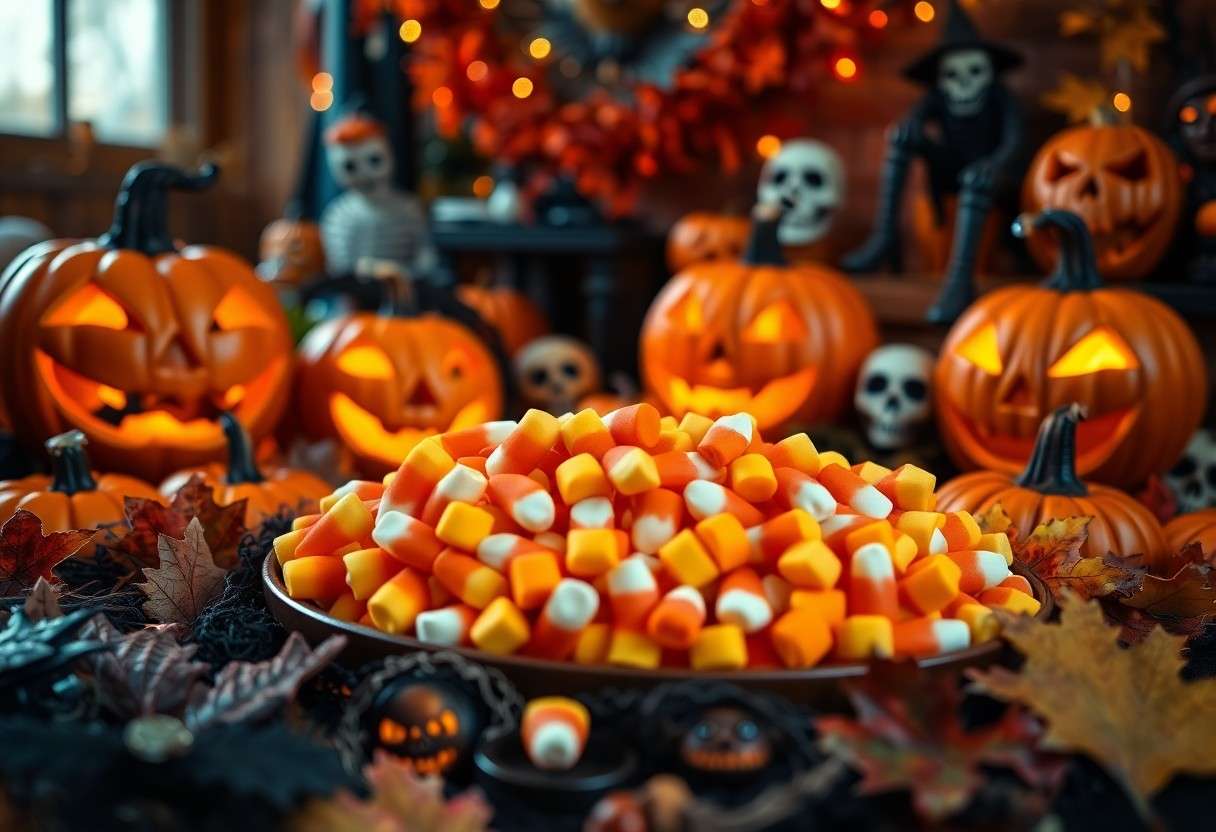
It’s fascinating to consider how candy corn has transformed into a beloved symbol of Halloween. As you investigate into the history of this quirky confection, you’ll discover its origins, marketing strategies, and the nostalgic emotions it evokes during the spooky season. From its creation in the late 19th century to its prominent place in trick-or-treat bags today, you’ll see why candy corn continues to hold a special spot in your autumn celebrations.
The Birth of Candy Corn: A Historical Perspective
The Inception of a Candy Classic
In the 1880s, candy corn made its debut as a unique treat crafted by George Renninger, a confectioner employed by the Wunderle Candy Company. This innovative candy was initially referred to as “Chicken Feed,” a name inspired by its color palette of yellow, orange, and white, resembling the feed that farmers would give to their chickens. During its early years, this triangular-shaped candy was labor-intensive to produce as it required a hand-pressed method to create each piece. As a direct response to consumer demand for new and exciting sweets, you can see how candy corn quickly gained traction and established a foothold in the confectionery market.
By the turn of the century, candy corn underwent a transformation as advances in manufacturing allowed for more efficient production techniques. The Goelitz Confectionery Company (now known as Jelly Belly) acquired the candy’s recipes and began mass-producing it, introducing it to a wider audience. With its distinctive appearance and flavor, candy corn became much more than a simple novelty item— it evolved into a nostalgic symbol of the fall season and a staple of Halloween festivities.
Candy Corn’s Early Marketing Strategies
Aiming to broaden its appeal, early marketers presented candy corn as an ideal treat for various occasions, not limited to Halloween. Packaging showcased vibrant designs along with images of harvest scenes and pumpkins, tapping into the seasonal sentiment that many consumers experienced at the time. Your average consumer would find candy corn marketed in ornate boxes, making it a favorable gift item during both Halloween and Thanksgiving, thereby showcasing its versatility.
Additionally, promotions often emphasized the candy’s homemade qualities, urging people to share it during community functions and gatherings. As you can imagine, this grassroots approach helped solidify candy corn’s place in American culture, transforming it from a mere novelty to an crucial part of holiday celebrations. In their marketing campaigns, companies emphasized candy corn’s whimsical look and flavor, engaging consumers’ imaginations and prompting them to associate the candy with joyful autumnal traditions.
Early competitors, such as Brach’s, further amplified candy corn’s status by capitalizing on its nostalgic resonance, positioning it as a quintcrucial Halloween treat. As production methods improved, you saw an influx of creative marketing strategies that solidified candy corn’s position in the candy aisle and ensured its enduring popularity among fans of all ages.
From Shelf to Seasonal Staple: The Rise of Candy Corn
The Role of Seasonal Marketing in Popularity
Through strategic marketing efforts, candy corn transformed from a confectionery curiosity into a must-have Halloween treat. Companies like Jelly Belly and Brach’s pioneered the seasonal marketing approach, positioning their candy prominently on store shelves as the leaves changed and the air turned crisp. Holiday-themed packaging, cheerful ads, and clever campaigns emphasized the sweet’s nostalgic ties to the holiday, leading you to associate candy corn with Halloween festivities. Retailers started stocking their aisles with colorful displays, often placing the candy near costumes and decorations to capture your attention and elevate seasonal sales.
Sales data tells a compelling story. Candy corn accounts for a significant portion of Halloween candy sales, generating over $25 million annually in the U.S. alone. Brands embraced limited-time offerings and specialized flavor variations, such as pumpkin spice and caramel apple, to draw you in every year with something that felt fresh yet familiar. This savvy marketing not only solidified candy corn as a Halloween staple but also spurred a fervent loyalty among consumers eager to indulge in this quintcrucial fall treat.
Cultural Shifts and Their Impact on Halloween Traditions
As Halloween evolved over the decades, so too did the ways you celebrate and engage with the holiday. In the late 20th century, the shift from a predominantly adult-focused occasion to a more family-friendly festivity opened the door for candy corn to thrive. Its vibrant colors and unique shape appealed to children, making it a fitting addition to trick-or-treat bags and festive gatherings. The rise of themed events, such as Halloween parties and school celebrations, further integrated candy corn into the fabric of your Halloween experiences, seamlessly blending tradition with modern festivities.
Further reflecting changing societal norms, community events began emphasizing inclusivity and accessibility, allowing everyone to partake in the fun regardless of age. Candy corn became a nostalgic symbol for many, harkening back to simpler times and evoking memories of childhood Halloweens. As you and your peers embrace these memories in your modern celebrations, candy corn has secured its place not just as a treat, but as a cultural touchstone that connects generations through shared experiences. In essence, candy corn isn’t just candy; it’s a reminder of the joy and community that Halloween encompasses.
The Science of Sweetness: What Makes Candy Corn Unique
Ingredients and Flavor Profile
Candy corn is a sweet confection made primarily from sugar, corn syrup, and confectioner’s wax, which helps give it that distinctive chewy texture. You’ll also find flavors such as vanilla and a touch of salt, which helps balance out the sweetness. Each piece is precisely crafted to create a flavor profile that is both nostalgic and universally appealing. The familiar tri-color design—white tip, orange middle, and yellow base—doesn’t just serve an aesthetic purpose; it also delivers a nuanced tasting experience. As you bite into a piece, the vibrant layers resonate with varying levels of sweetness and richness, making it a unique treat that appeals to both children and adults alike.
The Candy Corn Manufacturing Process
The journey of candy corn from ingredients to finished product involves a fascinating manufacturing process. It begins with mixing sugar, corn syrup, water, and other ingredients to form a thick syrup. This mixture is then heated to a precise temperature before adding flavorings and colors. Once the mixture cools slightly, it is poured into molds that shape the iconic triangular pieces. After setting, the candy corn is coated in a layer of confectioner’s wax, giving it that glossy finish you admire in store displays.
This process is highly mechanical and often relies on sophisticated equipment to ensure each piece is consistent in size and appearance. The molds are crucial for maintaining the traditional shape—each triangular piece is designed to come together in a way that showcases the distinctive layering. After cooling, the candy corn is packaged and shipped out just in time for the Halloween season, ready to make its appearance in candy bowls across the country. Thanks to these methods, candy corn has remained a reliable staple in Halloween celebrations, evoking memories of trick-or-treating and festive gatherings.
A Symbol of Controversy: Love it or Hate it?
The Polarizing Opinions Among Consumers
You might find it fascinating how candy corn elicits extreme opinions from candy lovers and detractors alike. Surveys show that this colorful treat often ranks among the most divisive candies. For instance, the National Confectioners Association found that while nearly 35% of Americans celebrate their love for candy corn, an equally vocal 30% declare it their least favorite Halloween candy. Social media platforms are rife with passionate debates and memes that depict a black-and-white world of candy corn enthusiasts and its naysayers. This divide often manifests itself in playful arguments, with self-declared ‘candy corn haters’ dismissing its unique texture and flavor profile as waxy and overly sweet.
The backlash even prompts candy corn-themed merchandise, like the “Candy Corn Olympics,” where fans can partake in lighthearted competitions based on their love for the candy. This oddity speaks volumes about how deeply personal associations with candy corn can be, driving home the point that your feelings towards this iconic Halloween treat could spark spirited discussions at any social gathering. Such contrasting opinions not only deepen its lore but also fuel seasonal sales and marketing campaigns, further entrenching it in Halloween culture.
Candy Corn’s Role in Halloween Identity
In your exploration of Halloween traditions, candy corn undoubtedly occupies a prominent niche, both in candy bowls and memorable childhood experiences. Over the decades, it has become synonymous with the holiday, serving as a colorful emblem that bridges generations. The candy often makes its appearance in festive displays and décor, adding a nostalgic touch that resonates during Halloween parties and trick-or-treating excursions. Its iconic shape and tri-color design mimic that of fall itself, reminding us of autumn leaves and harvest time.
Beyond its seasonal aesthetic, candy corn acts as a catalyst for conversations around childhood memories and family traditions. Many people recall their first tastes of candy corn during Halloween, often handed out by neighbors during trick-or-treat adventures. If you’re part of that nostalgic group, then you’ll likely understand how the candy evokes more than just taste—it serves as a bridge to the past, connecting you with shared memories and communal experiences. This relationship with candy corn deepens its significance, solidifying its status as an imperative piece of Halloween identity, whether you personally love it, hate it, or simply accept it as part of the holiday tableau.
Behind the Business: The Economics of Candy Corn
Sales Trends and Market Analysis
In the world of seasonal confections, candy corn consistently captures significant market share each Halloween. In fact, candy corn accounts for nearly 25% of all candy sold during the Halloween season, demonstrating its prominent role in your festive traditions. Retailers stock up on this tri-colored treat months in advance, anticipating the uptick in demand that comes with fall festivities. The National Confectioners Association notes that Americans purchase roughly 85 million pounds of candy corn annually, which translates to about 20 million pounds during October alone. This staggering number reflects both the nostalgia associated with the candy and its unique positioning as a Halloween staple.
Sales trends reveal that while some candy types fluctuate in popularity, candy corn maintains a consistent following. The diversity of candy corn products also plays a significant role in its stability. Variations such as chocolate-covered candy corn and pumpkin spice flavors have emerged to cater to evolving consumer tastes. This adaptability is important in an ever-competitive market where new candies frequently vie for attention. By tapping into nostalgia and innovation simultaneously, candy corn continues to hold its ground as a beloved Halloween confection.
The Future of Candy Corn in a Changing Candy Landscape
As the candy industry evolves with new trends such as healthier alternatives and artisanal offerings, candy corn may face unique challenges. You might observe an influx of organic, gluten-free, and plant-based candies that appeal to health-conscious consumers. Despite this, candy corn’s historical significance and festive association ensure it remains a strong contender in grocery and convenience stores every Halloween season. In addition, manufacturers are increasingly experimenting with new flavor combinations to keep pace with shifting consumer preferences. Efforts to merge traditional candy corn with contemporary flavors—such as salted caramel or s’mores—demonstrate an understanding of market demands while honoring the candy’s beloved heritage.
Also worth considering is the impact of social media on candy consumption patterns. Platforms like Instagram and TikTok have become pivotal in highlighting unique food experiences, including candy. The rise of influencer-led tastes and preferences could dictate where candy corn fits into the modern candy landscape. As you scroll through your feeds, you may start seeing creative ways to use candy corn, from festive desserts to quirky snack mixes, solidifying its relevance as a perennial favorite. Adapting to these emerging trends while leveraging its nostalgic roots will be important for candy corn as it navigates the future of the confectionery market.
To wrap up
Now that you have explored the origins and cultural significance of candy corn, you can appreciate how this iconic treat has become synonymous with Halloween celebrations. From its humble beginnings in the late 19th century to its transformation into a seasonal staple, candy corn holds a special place in your celebrations. Understanding its journey gives you a deeper connection to the traditions that surround this festive season, allowing you to savor each vibrant piece with a sense of nostalgia.
As you prepare for Halloween, you might find yourself reaching for that iconic tri-colored candy, reflecting on the memories it evokes of past celebrations. Whether enjoyed in moderation or shared among friends and family, candy corn remains a delightful reminder of your Halloween spirit. So, as you partake in the festivities, take a moment to relish the simple charm of candy corn and its enduring place in the heart of Halloween history.