How Candy Flavors Are Created in Laboratories
Candy is more than just a delightful treat; it's a complex blend of flavors meticulously crafted in laboratories. Ever wondered how your favorite fruity or choc

This article contains Amazon affiliate links. As an Amazon Associate, CandiesAndSweets earns from qualifying purchases.
Candy is more than just a delightful treat; it’s a complex blend of flavors meticulously crafted in laboratories. Ever wondered how your favorite fruity or chocolaty taste comes to life? In this post, you’ll uncover the fascinating process of flavor creation, from the basic components to the advanced techniques used by flavorists. You’ll gain insights into the science behind these vibrant taste sensations and discover how your beloved sweets are engineered for maximum enjoyment.
The Flavor Creation Process: From Concept to Confection
The Role of Chemists in Flavor Development
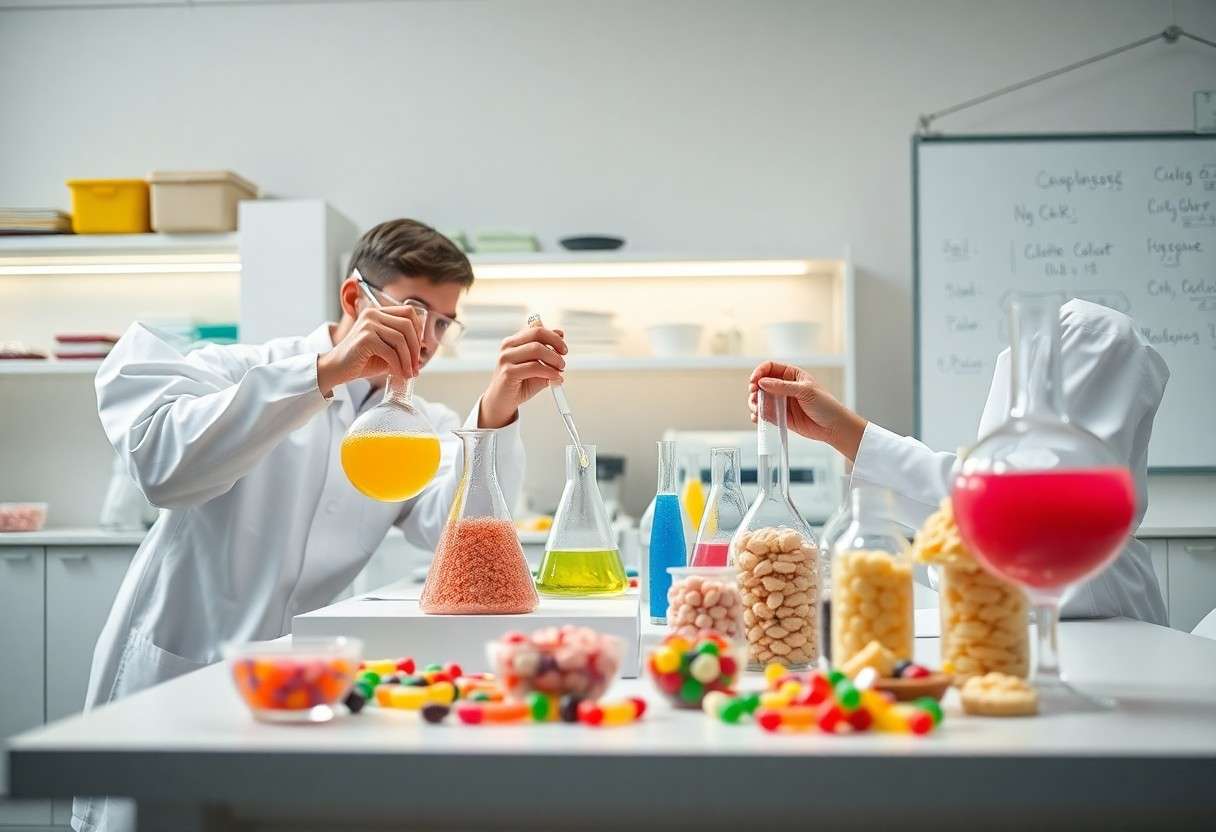
Chemists play an integral role in the development of candy flavors, blending science with creativity. They possess a deep understanding of how different compounds interact, allowing them to engineer complex flavor profiles that evoke desired tastes and sensations. By utilizing their knowledge of organic chemistry and sensory analysis, these experts can recreate flavors from nature or design entirely new ones. For instance, when developing a new sour candy, a chemist might analyze the acid profiles that create that familiar puckering sensation, combining citric and malic acids to achieve the perfect balance.
Your experience of candy stems not just from sweetness, but from a symphony of flavors expertly crafted in laboratories. Chemists meticulously test and refine these flavors through a process of evaluation, ensuring that every batch meets rigorous standards for taste and consistency. They consider factors such as volatility, stability, and mouthfeel, adjusting formulas as needed until they attain the right formulation. This process reflects not only science but also art, as chemists must sometimes rely on intuition and experience to bring a new flavor concept to life.
Steps in Formulating New Candy Flavors
The journey from concept to confection begins with brainstorming and inspiration. Ideas for new flavors often stem from current trends, seasonal inspirations, or consumer feedback. Once a concept is established, chemists and flavorists sketch out a preliminary formula that includes both primary and secondary flavor notes. This step can involve extensive library research or sensory evaluation of existing candies to understand what elements could complement or enhance the proposed flavor.
The initial formulation undergoes rigorous testing, combining various flavoring agents and prototypes made in small batches. You will discover that the sensory panel—a group of trained tasters—plays a pivotal role at this stage. They provide valuable feedback on factors like taste intensity, aroma, and texture. Based on these insights, chemists might iterate the formulation multiple times, fine-tuning ingredients, adjusting concentrations, and sometimes even experimenting with new technologies to capture elusive flavors.
This iterative process is vital; it can take numerous rounds of refined testing before landing on the final flavor profile that you will enjoy in stores. Each iteration helps to hone in on what works and what doesn’t, bringing together the intricate balance of flavors that make you excited to reach for your candy of choice. By the time the new flavor is ready for production, it will have gone through painstaking scrutiny to ensure it embodies the ideal taste, smell, and visual appeal that consumers crave.
The Art and Science of Taste Perception
How Taste Buds Work: A Biological Perspective
Taste buds, nestled within the papillae of your tongue, are the primary receptors responsible for identifying the five fundamental tastes: sweet, sour, salty, bitter, and umami. Each taste bud comprises approximately 100 to 150 taste receptor cells, which communicate with the brain via cranial nerves. When you consume a piece of candy, the flavor molecules dissolve in your saliva and interact with these receptors, sending signals that your brain interprets as distinct tastes. The process is not merely mechanical; it involves complex interactions where the composition of the flavor compounds can enhance or suppress specific taste responses, effectively creating a symphony of sensations with each bite of your favorite candy.
Your experience of taste isn’t just dependent on these biological components. Factors such as temperature, texture, and even aroma amplify taste perception. For instance, while a chocolate candy may predominantly register as sweet due to its high sugar content, the interaction between cocoa’s slight bitterness and its fat content creates a richer, more full-bodied flavor profile. This conversation between elements within the candy primes your taste buds to recognize and appreciate subtleties that contribute to the overall experience.
The Psychological Impact of Flavor Associations
Flavor is an enticing interplay of biological and psychological phenomena. Your brain links tastes to memories and emotions, which significantly shapes how you perceive them. The flavor profile of a candy might remind you of a childhood experience—perhaps a family vacation where you indulged in cotton candy at a fair. Consequently, that sweet yet fleeting taste embodies happiness and nostalgia, enhancing your overall enjoyment. Food companies often capitalize on this by strategically designing flavors that evoke specific memories or emotions. This tactic can increase product appeal and make flavors more memorable.
Marketing teams utilize this psychological aspect to engineer sticks of nostalgia into their candy flavors. For example, the limited-edition ‘birthday cake’ or ‘cinnamon roll’ candies tap into your past experiences and associations with celebratory moments. By merging the physical act of tasting with emotional resonance, manufacturers can create a deeper connection between you and their products, making your sweet cravings not just about flavor but about cherished memories, community, and personal history.
Innovations in Flavor Technology
Advancements in Flavor Compounding Techniques
The flavor industry has witnessed remarkable technological advancements that have transformed how flavors are compounded. State-of-the-art techniques such as gas chromatography and mass spectrometry allow flavorists to analyze and replicate specific aroma compounds found in natural ingredients. With these tools, you can find that flavorists can isolate and then synthetically recreate complex flavor profiles more efficiently than ever. For instance, the ability to identify the molecular structure of a flavor compound means you can enjoy a more authentic taste experience without relying solely on natural sources, thereby streamlining production and reducing costs.
Additive processes have evolved too, merging multiple flavor components in ways that weren’t feasible before. Utilizing techniques like microencapsulation, flavor compounds can be protected until the moment you bite into a candy, releasing a burst of flavor without the risk of degradation over time. This innovation not only enhances freshness but also enables the creation of multilayered flavors, making your candy experience more dynamic and delightful.
The Use of Natural vs. Artificial Flavorings
Debates around the use of natural versus artificial flavorings have gained prominence in the candy industry. Natural flavorings, derived from real ingredients, offer authenticity. However, these can be expensive and subject to variances in quality and availability depending on seasonal factors. Artificial flavorings present a cost-effective alternative, often crafted to mimic the desired taste without the same level of fluctuation. Numerous candies today leverage artificial flavors to maintain consistency and scalability, allowing you to enjoy a favorite flavor reliably, bite after bite.
Artificial flavorings often push the boundaries of what’s possible, creating tastes that simply cannot be found in nature. For example, flavors like bubblegum and cotton candy, which have become staples in the candy world, often rely on synthetic compounds to deliver their unique profiles. While natural flavors have their merits, the innovative compositions of artificial flavors can lead to novel taste experiences that thrill your palate in unexpected ways.
Regulatory Considerations and Safety Standards
Food Safety Regulations Impacting Flavor Creation
The landscape of food safety regulations is a critical component of flavor creation, ensuring all ingredients are safe for consumption. Regulations enforced by organizations such as the Food and Drug Administration (FDA) in the United States dictate how flavors are created, tested, and approved before they can be used in edible products. For instance, flavors labeled as “natural” must derive from plant and animal sources, while “artificial” flavors can be synthesized in laboratories. These stringent guidelines maintain consumer protection, demanding that all flavor compounds undergo rigorous testing for potential allergens and adverse health effects.
The Approval Process for New Flavor Ingredients
Creating new flavors isn’t as simple as mixing a few ingredients; rather, it involves a multi-step approval process that can take several years. This process begins with extensive research and development to explore novel flavor compounds and assess their potential sensory appeal. Once a new flavor ingredient is developed, it must undergo a rigorous evaluation conducted by regulatory bodies. Firms often compile extensive toxological data that showcases the ingredient’s safety, relying on both human and animal studies to determine its suitability for public consumption.
This approval process can be quite time-consuming, reflecting the serious consideration regulatory agencies give to consumer safety. Alongside ensuring strict adherence to existing regulations, flavor manufacturers may also monitor ongoing research in flavor safety, ready to adapt their approaches based on new scientific findings. As consumer preferences shift and new health information emerges, staying compliant is a continuous journey that shapes your favorite flavors while safeguarding public health.
The Future of Candy Flavor Trends
Emerging Flavors and Consumer Preferences
Consumers today are increasingly adventurous in their flavor choices, which has opened the door for bold, unconventional flavors to take center stage. Trends show a rising interest in globally inspired flavors such as ube, the purple yam from the Philippines, and matcha, a finely ground green tea powder from Japan. These flavors not only cater to your taste buds but also align with a growing demand for unique culinary experiences. According to research from food trend analysts, more than 65% of consumers express excitement about trying new flavors that are often a fusion of traditional tastes and innovations. As product developers, you need to pay attention to these shifts, as they significantly influence how new confectioneries are crafted and marketed.
Sustainability and Ethical Sourcing in Flavor Production
As consumers become more conscious of their environmental impact, sustainable practices in candy flavor production are increasingly emphasized. Brands are committing to sourcing natural flavors from ethical suppliers, ensuring that ingredients are not only better for the planet but also for the communities from which they are sourced. This means more emphasis on organic ingredients and supply chains that prioritize fair trade practices. Reports indicate that around 35% of consumers are actively seeking products with certified sustainable ingredients, driving brands to rethink their sourcing strategies and formulations. You might notice how certain candy companies are beginning to market their products not just on flavor, but also on the integrity of their ingredient sourcing.
Furthermore, the push for sustainability extends to flavor development techniques in laboratories as well. Innovations in biotechnology are paving the way for producing flavors sustainably—reducing waste and energy consumption in the process. You may find companies utilizing fermentation technology to create flavors that are not only rich but also environmentally friendly. This holistic approach not only meets consumer preferences for ethically sourced products but also aligns with global sustainability goals, making your product offerings both trendy and conscientious.
Final Words
To wrap up, understanding how candy flavors are created in laboratories allows you to appreciate the science behind your favorite treats. Flavor chemists utilize a variety of techniques, from extraction methods to synthetic formulations, to replicate and even enhance the tastes we love. By manipulating the balance of aroma compounds, acids, and sweeteners, you can see how each flavor profile is meticulously crafted to evoke sensations and memories that draw you to these confections time and again.
Additionally, you might find it interesting to explore the emerging trends in flavor creation that cater to modern consumer preferences, such as natural flavors and health-conscious options. With advancements in technology and a greater emphasis on sustainability, flavor development is an ever-evolving field. Engaging with these processes not only enriches your knowledge but also enhances your candy enjoyment experience, connecting you more deeply with the treats you indulge in.