How Natural Flavor Extracts Improve Candy Quality
With the rise in consumer demand for quality and authenticity, incorporating natural flavor extracts into your candy recipes can significantly enhance their tas

This article contains Amazon affiliate links. As an Amazon Associate, CandiesAndSweets earns from qualifying purchases.
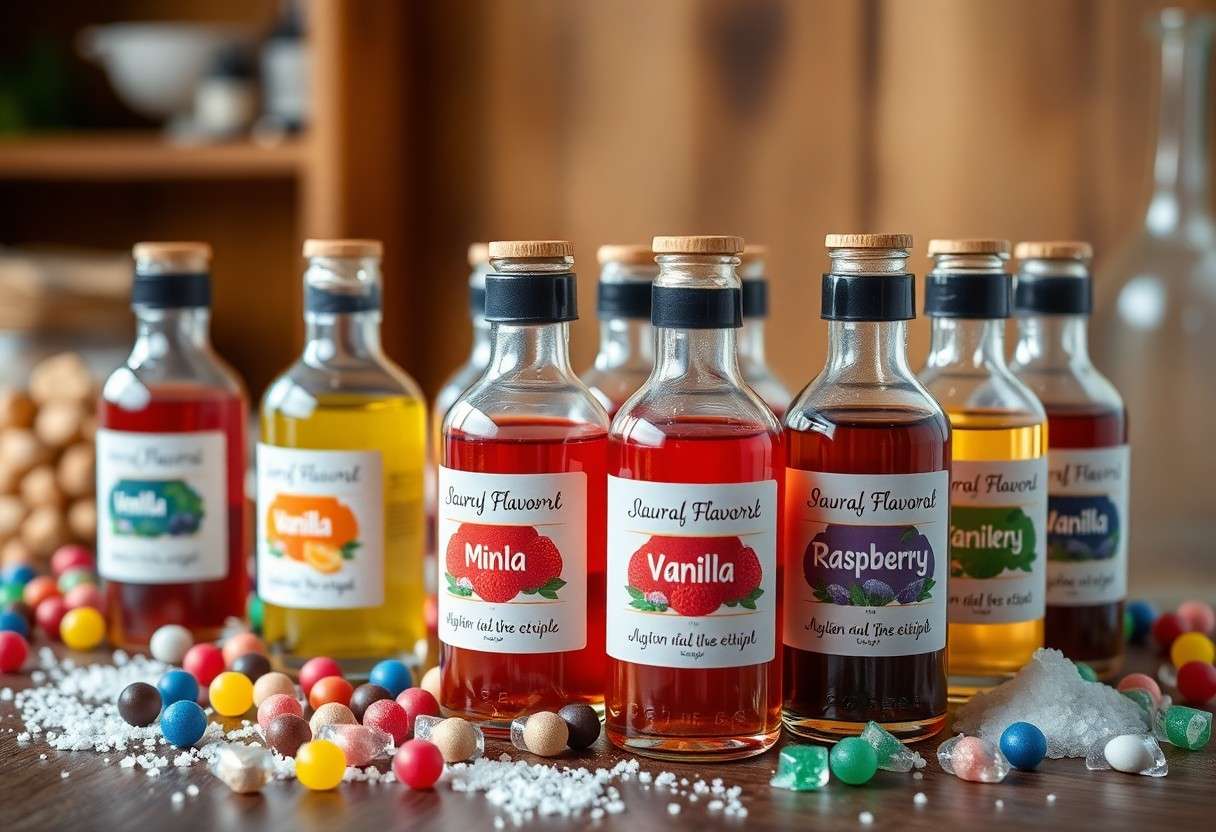
With the rise in consumer demand for quality and authenticity, incorporating natural flavor extracts into your candy recipes can significantly enhance their taste and appeal. By choosing high-quality extracts, you can elevate the sensory experience of your confections, ensuring that each bite delivers a burst of genuine flavor. This post will explore the benefits of using natural flavor extracts, how they affect the overall quality of your candies, and tips for selecting the best options to create irresistible treats.
Understanding Natural Flavor Extracts
Definition and Sources
Natural flavor extracts are concentrated flavoring agents derived from natural sources, primarily plants, herbs, spices, and fruits. These extracts are created through methods such as distillation, solvent extraction, or cold pressing, ensuring that the essence of the original ingredient is maintained. In your candy-making process, utilizing these extracts can enhance the overall taste profile without introducing artificial elements or synthetic additives that detract from the product’s quality. This focus on natural ingredients resonates well with health-conscious consumers who seek authenticity and transparency in food products.
The sources of natural flavor extracts are vast, ranging from common ingredients, such as vanilla beans and citrus peels, to more exotic elements like saffron or rose petals. As flavor complexity becomes a significant factor in candy quality, your choice of source can make a noticeable difference in product appeal. Additionally, regional variations in sourcing can introduce unique characteristics to your candies, leveraging local produce to create distinct flavors that stand out in the market.
When exploring natural flavor extracts, it is imperative to consider factors such as extraction method, concentration level, and potential allergens. These elements not only impact flavor but also inform labeling and nutritional considerations for your consumers. Ensuring your ingredients are sourced responsibly and transparently can enhance your brand’s credibility and encourage consumer loyalty as they increasingly prioritize products that align with their values.
| Aspect | Details |
|---|---|
| Origin | Derived from natural sources like plants and fruits |
| Extraction Method | Distillation, solvent extraction, cold pressing |
| Flavor Complexity | Impact on overall taste profile and mouthfeel |
| Concentration Level | Varies based on extraction technique and source |
| Consumer Transparency | Increasing demand for authentic and natural ingredients |
Types of Natural Flavor Extracts
Natural flavor extracts can be classified into several categories, each with its unique characteristics and uses. Common categories include fruit extracts, spice extracts, herb extracts, and floral extracts. Fruit extracts are typically used to create more vibrant and authentic flavors in candies such as gummies and hard candies, imparting a fresh taste reminiscent of the actual fruit. Spice extracts, on the other hand, can add warmth and depth to candies, often used in holiday flavors like cinnamon or nutmeg.
Herb extracts serve to introduce fresh, aromatic flavors into your confections, providing a unique twist that can elevate a standard candy recipe. Extracts such as mint or basil can be incorporated into chocolate or chewy candies to achieve a well-balanced flavor profile. Floral extracts offer delicate notes and can provide sophisticated flavor backgrounds; for instance, lavender can be used in gourmet candy lines to evoke luxury and uniqueness. You can creatively combine these types to develop innovative candy flavors that surprise and delight your customers.
As existing candy formulations become more adventurous, knowing the types of natural flavor extracts available is beneficial. Incorporating a structured balance between these extracts can help you achieve the desired flavor intensity and overall appeal of your confectionery products. Experimenting with these diverse extracts allows you to create a signature candy profile that can differentiate your brand, catering to evolving consumer palates and preferences.
| Type | Examples |
|---|---|
| Fruit Extracts | Strawberry, raspberry, lemon |
| Spice Extracts | Cinnamon, ginger, nutmeg |
| Herb Extracts | Mint, rosemary, basil |
| Floral Extracts | Rose, lavender, hibiscus |
| Combination Extracts | Mint-chocolate, citrus-herb blends |
The Role of Flavor in Candy Quality
Importance of Flavor Profile
The flavor profile of candy serves as a defining characteristic that distinguishes one product from another. When you choose a candy, it is the intricate blend of flavors that draws you in, often triggering emotional responses and nostalgic memories. For instance, a perfectly balanced strawberry flavor can evoke childhood memories of summer days, while a rich chocolate profile may transport you to cozy winter evenings. Companies meticulously craft their flavor profiles to ensure that each bite offers a consistent and delightful experience, creating customer loyalty and repeat purchases. The use of natural flavor extracts enhances these profiles, contributing to depth and authenticity that artificial flavors simply cannot match.
Your palate experiences flavors through complex interactions with aroma and taste, making the choice of ingredients vitally important. Natural extracts provide not just the taste but also the aromatic compounds that engage your sense of smell. For example, vanilla extract sourced from vanilla beans possesses the natural nuances obtained from the bean that synthetic vanillin fails to replicate. This complexity influences your perception of sweetness and richness, elevating the overall quality of the candy. When natural flavors are used, the end product achieves a level of sophistication that resonates with your expectations for authentic taste.
Consumer Preferences
Your preferences in candy reflect broader trends that prioritize flavor integrity and quality. Research indicates that a significant percentage of consumers—over 60%—actively seek out products made with natural ingredients. This finding underscores the shift towards a preference for authenticity that transcends mere caloric enjoyment. You are increasingly scrutinizing ingredient lists, and when natural flavor extracts make an appearance, they often prompt a favorable response. Flavors derived from real fruits, spices, and herbs tend to be perceived as premium, indicating you associate them with higher quality and better taste.
Benefits of Using Natural Flavor Extracts
Enhanced Taste Experience
Using natural flavor extracts transforms the overall taste profile of your candies, providing a richer and more nuanced flavor experience. Unlike their artificial counterparts, which often deliver a one-dimensional taste, natural extracts bring forth complexity and depth. For instance, vanilla extract derived from real vanilla beans introduces floral and creamy notes that enhance the sweetness without overpowering it. Your consumers will appreciate the sophistication that comes from these authentic flavors, making your products stand out in a competitive market. You might also enjoy our guide on Does dark chocolate contain any vitamins or minerals beneficial for health?.
The variety of natural flavor extracts available allows you to experiment with unique combinations that can elevate your candy offerings. Imagine the impact of incorporating fresh fruit extracts, like raspberry or passion fruit, which can add tartness and vibrancy. The end result is a candy that not only satisfies the sweet tooth but also surprises the palate with layers of flavor, making each bite an enjoyable experience. Tailoring these blends can also set your brand apart, fostering loyalty among customers who seek high-quality products.
Furthermore, natural extracts can influence the scent of your candies, creating a multi-sensory experience. Aromas play a significant role in how flavors are perceived, and using natural sources can lead to more appealing scents. This metapathy enhances how your candy is experienced, potentially leading to increased sales as consumers are often drawn by appealing aesthetics and smells in addition to taste. By focusing on the overall sensory experience, you can create something truly memorable for your customers.
Healthier Alternatives to Artificial Flavors
Opting for natural flavor extracts not only enhances taste but also provides a healthier alternative to artificial flavors. Many consumers are becoming increasingly health-conscious, with a growing awareness of the ingredients in their food. Artificial flavors often utilize synthetic compounds that can lead to negative health concerns. In contrast, natural extracts come from real sources like fruits, spices, and herbs, which contain beneficial properties and nutrients. As you choose these alternatives, you’re aligned with consumer expectations for transparency and quality.
The sustainability factor also plays a significant role here. Many natural flavor producers prioritize eco-friendly practices, sourcing ingredients in ways that do not harm the environment. By incorporating these natural extracts, you not only improve your candy’s flavor but also contribute to a more sustainable food industry. Consumers today are more likely to support brands that align with their values, so showcasing your commitment to natural ingredients can boost brand loyalty and attract a conscientious customer base.
When you highlight natural flavor extracts in your marketing efforts, you appeal to a demographic that values wellness and clean eating. Certifications like Non-GMO, organic, or Fair Trade can also enhance your brand’s reputation. You’ll attract health-focused consumers who are willing to pay a premium for products that resonate with their lifestyle choices. This positioning not only benefits the health of your consumers but also aligns your brand with a growing movement towards healthier, more responsible eating habits.
Incorporating Natural Flavor Extracts in Candy Production
Methods and Techniques
When producing candy with natural flavor extracts, employing the right methods and techniques can significantly influence the end product’s quality. One effective approach is to integrate these extracts early in the cooking process. For instance, adding flavor extracts such as natural peppermint or vanilla during the heating phase of sugar syrup allows the flavors to blend seamlessly into the mixture, enhancing the overall taste profile. This technique not only enhances flavor release but also helps to mask unwanted aftertastes common with certain artificial flavors.
Another technique to consider is cold infusion, particularly suitable for chocolates and confections that do not undergo extensive heating. In this method, you can steep herbs or fruit peels in a neutral carrier—such as simple syrup or cream—for a specified period. This helps to extract the vital oils and flavors effectively. For example, infusing fresh basil leaves creates a unique flavor that can elevate your candy to gourmet status. It’s vital to control the infusion time and temperature to prevent bitterness or undesirable flavors.
Experimenting with layered flavoring techniques also allows you to create complex taste profiles in your candy. For example, you can combine various natural extracts, such as citrus and berry, in stages—applying one flavor during the initial cooking and another during the cooling phase. This layering not only deepens flavor complexity but also ensures that each note is distinct and vibrant in the final product. Utilizing methods such as these helps to create confections that are not only delicious but also stand out in a crowded market.
Dosage and Application Considerations
Understanding the dosage and application of natural flavor extracts is vital for achieving the desired taste without overwhelming your candy. Unlike artificial flavors, natural extracts can vary significantly in potency depending on their source and extraction methods. For example, a pure strawberry extract may differ in intensity compared to industrial-grade extracts. Start small, generally around 0.5% to 2% of the total recipe weight, then adjust incrementally based on taste tests. It’s wise to conduct these tests in small batches to determine the optimal flavor concentration without overpowering your candy. You might also enjoy our guide on How does dark chocolate affect the immune system?.
Consistency is another vital factor influenced by dosage. Since natural flavor extracts can have variations in flavor profile from batch to batch, keeping a strict record of your measurements and sources ensures a more uniform outcome across production runs. Consider utilizing a flavor matrix to document the potency of various extracts you’ve tested. This matrix can guide you in scaling recipes and maintaining consistency as you expand production or introduce new products. Additionally, you may find that some flavors perform better in specific formats, such as hard candies versus gummies, requiring distinct approaches in dosage.
A tip for balancing flavor intensity is to incorporate your natural extracts incrementally during the production process. This allows you to monitor taste changes and reach your desired flavor profile more effectively. If you’re producing a layered candy, allocate flavor doses for initial layers and adjust for the final coatings or components. Using high-quality natural extracts can also enhance the sensory experience; for example, a rich, full-bodied chocolate paired with a subtle hint of orange can create an exceptional taste experience. By taking the time to consider your dosage and application strategy, you enable your candy to shine with authentic, mouthwatering flavors.
The art of candy-making with natural flavor extracts hinges on precision and creativity. Thoughtful dosage plays a significant role in flavor expression, where a small adjustment can lead to a marked improvement in taste. With a focus on understanding each extract’s characteristics and experimenting with various methods, you’ll likely discover unique combinations that resonate with your target audience, allowing your candies to stand out in the marketplace.
Case Studies: Successful Use of Natural Flavor Extracts
Numerous brands have successfully adopted natural flavor extracts, enhancing their candy offerings and boosting sales. For instance, a prominent gummy bear manufacturer reported a 25% increase in market share after reformulating their product line to exclusively use natural flavor extracts. This strategic shift not only improved taste profiles but also aligned with growing consumer demands for more authentic ingredients. Another significant case involved a chocolate brand that saw a 40% rise in demand after introducing a line of organic chocolates enriched with natural flavors, showcasing a notable shift toward cleaner labels without sacrificing taste.
- Brand A: 25% increase in market share after switching to natural extracts.
- Brand B: 40% demand rise with organic chocolates featuring natural flavor profiles.
- Brand C: 30% sales growth for fruit-flavored hard candies reformulated with natural flavors.
- Brand D: 50% improvement in customer satisfaction ratings post-reformulation.
- Brand E: 15% increase in repeat purchases for all-natural lollipops.
Brand Examples
Brand A has set a remarkable precedent by transitioning its product line to natural flavors, showcasing how you can reshape consumer perceptions. The shift not only meets regulatory requirements but also appeals to health-conscious consumers seeking transparency in ingredient sourcing. Another notable example is Brand B, whose introduction of organic fruit chews combined with real fruit extracts led to a staggering increase in sales, reinforcing the idea that taste and quality can go hand in hand. These brands exemplify how innovative use of natural extracts can redefine a company’s image and market positioning.
Also, Brand C took it a step further by engaging in a collaboration with local fruit farms to source its flavor extracts, creating a unique marketing angle around sustainability. As a result, the company not only enriched its flavor profiles but also established a strong emotional connection with consumers who valued locally sourced ingredients. This endeavor significantly enhanced brand loyalty and consumer trust, which are vital in a saturated market.
The shared success stories underscore a common thread: a commitment to quality and consumer preferences directly translates to improved performance metrics. Each brand’s adaptation of natural flavor extracts has not only met but exceeded market expectations, establishing them as leaders within their respective categories.
Consumer Feedback and Market Trends
Consumer feedback has played an instrumental role in driving the trend towards natural flavor extracts in the candy sector. Market research indicates that over 70% of consumers prefer candies made with natural ingredients, with many willing to pay a premium for products that emphasize authenticity. Your insights as a consumer reflect broader market trends, as brands see heightened engagement when promoting clean labels and natural ingredients. These shifts directly correlate with increased sales figures, as consumers are now more informed and selective about what they choose to indulge in.
Moreover, social media platforms have amplified consumer voices, allowing feedback to travel faster than ever. Brands that actively responded to consumer preferences by incorporating natural flavors often witnessed a surge in online buzz, driving new customers to their products. Your voice as a consumer shapes these conversations, influencing market dynamics and inspiring manufacturers to reformulate their offerings to align with evolving tastes. You might also enjoy our guide on Does dark chocolate improve eye health, and if so, how?.
As market trends lean towards health and wellness, the demand for natural flavor extracts is likely to grow. You will continue to see more companies investing in product innovation and transparency, responding to the market’s clear directive for cleaner and more enjoyable candy options. This trend underscores the importance of adapting to consumer expectations and aligning product development strategies with the evolving landscape of taste preferences.
Challenges and Considerations
Cost Implications
Utilizing natural flavor extracts can significantly impact your production costs. While artificial flavors often come at a lower price point due to streamlined manufacturing processes, natural extracts are derived from real sources, making them inherently more expensive. For instance, vanilla, one of the most sought-after flavoring agents, has seen market prices soar in recent years, with high-quality extracts costing upwards of $300 per kilogram. This increase can catch manufacturers off guard, impacting profit margins if not accounted for properly in pricing strategies.
Moreover, the transition to natural flavor extracts requires more than just higher ingredient costs; you may also need to invest in new processes and equipment to accommodate these ingredients. Some natural extracts are sensitive to heat and light, necessitating specialized handling or storage solutions that could further inflate expenses. Brands passionate about sustainability might opt for organic extracts, which generally come with a premium price tag. You need to weigh these costs against your brand’s image and target market expectations to make informed decisions.
Despite the higher upfront costs, investing in natural flavor extracts can pay off in the long run. Consumer demand for clean label products is rising, and many are willing to pay a premium for candies that use high-quality, natural ingredients. You’ll want to conduct market research to identify your audience’s openness to price adjustments in exchange for better quality and healthier options, thereby ensuring that the transition aligns with your business model and growth strategy.
Shelf Life and Stability
Shelf life and stability present a complex challenge when incorporating natural flavor extracts into your candy production. Unlike synthetic flavors, which can endure longer periods without losing their potency, natural extracts may exhibit variability in quality over time. For example, citrus extracts can degrade when exposed to air, light, and varying temperatures. This instability means that you’ll need to conduct thorough testing to ascertain the viability of your products throughout their intended shelf life, with some flavors potentially requiring more frequent reformulation.
One effective way to enhance the stability of natural extracts is by incorporating them at the optimal stage of your candy-making process. Adding them during the cooling phase rather than the cooking phase can help preserve volatile compounds important for flavor. Additionally, the choice of sweeteners and other ingredients can either help or hinder the extract’s potency, so a careful formulation becomes important. You might consider using higher-quality, concentrated extracts that can yield a more potent flavor profile, but at a potentially higher cost.
Ultimately, finding a balance between flavor intensity and product longevity becomes important. Whether you opt for encapsulated extracts or explore advanced preservation techniques, you’ll need to ensure your candy maintains its desired flavor integrity throughout its shelf life. Regular quality assessments and consumer feedback will provide you with actionable insights to help refine your formulations and stay ahead of flavor-related challenges.
Stability of natural flavor extracts is further affected by environmental conditions during transport and storage. Flavors can diminish if subjected to fluctuations in temperature or humidity, leading to flavor loss before the product even reaches the market. Packaging solutions that mitigate light and moisture exposure are important to maintain the integrity of your candy’s flavor profile. In addition, proper sealing and inert gas flushing can help extend shelf life and ensure that the consumer experiences the expected taste upon purchase.


