How Sustainable Packaging Transforms Candy Industry
Most consumers today are increasingly concerned about the environmental impact of their purchases, including the candy industry. You may not realize it, but sus

This article contains Amazon affiliate links. As an Amazon Associate, CandiesAndSweets earns from qualifying purchases.
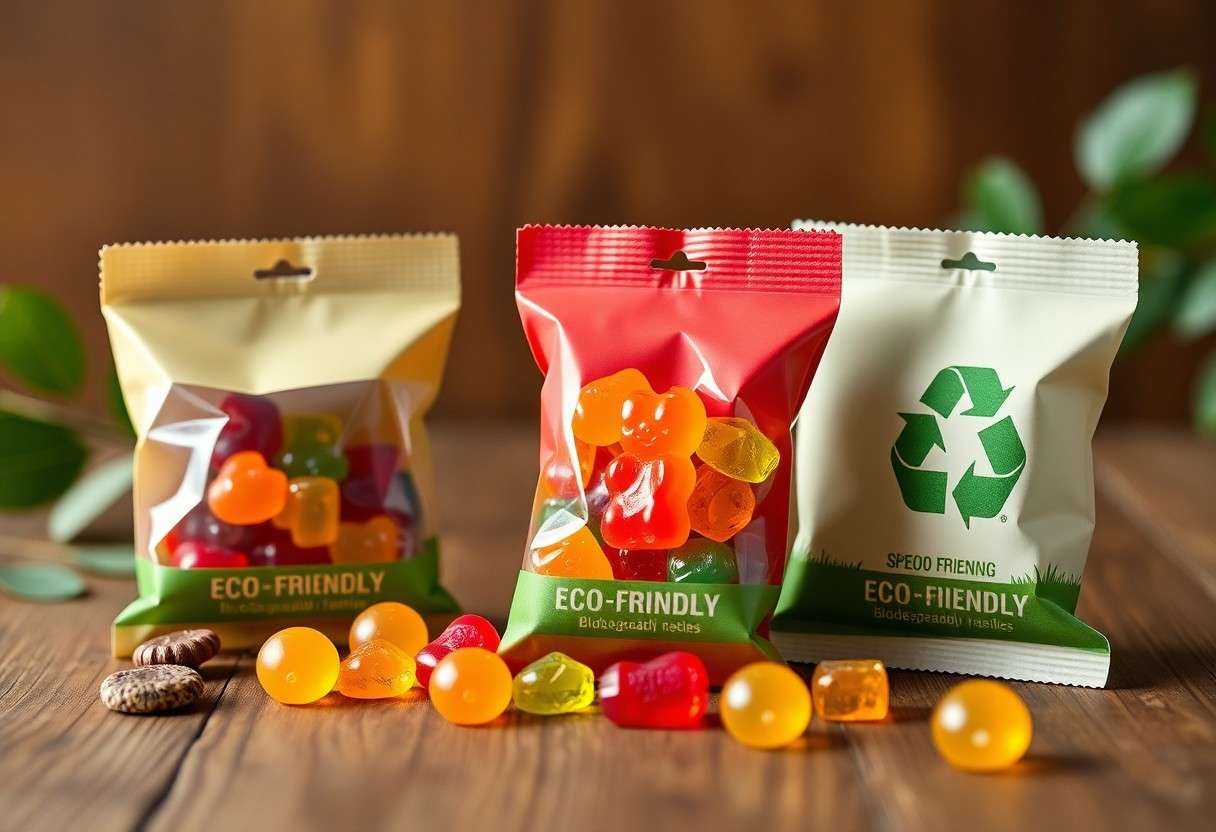
Most consumers today are increasingly concerned about the environmental impact of their purchases, including the candy industry. You may not realize it, but sustainable packaging is revolutionizing how candy is produced and marketed. By shifting to eco-friendly materials and innovative designs, manufacturers are not only reducing waste but also appealing to your eco-conscious preferences. This shift not only enhances your buying experience but also contributes to a healthier planet, making your sweet treats more responsible choices.
The Importance of Sustainable Packaging in the Candy Industry
Environmental Impact
You may not realize it, but traditional candy packaging is responsible for a significant amount of waste and environmental degradation. Plastics, often used for their convenience and low cost, can take hundreds of years to decompose, contributing to the massive issue of landfill overflow. In fact, the food sector, including candy, plays an undeniable role in the staggering 300 million tons of plastic waste generated annually worldwide. Switching to sustainable packaging options can mitigate this impact, using biodegradable materials or recyclable designs that minimize your carbon footprint. Brands like Alter Eco, for example, have adopted compostable wrappers that naturally break down, providing an innovative solution that aligns with growing environmental concerns.
Consumer Demand for Eco-Friendly Products
Innovations in Sustainable Packaging Materials
Biodegradable Options
Biodegradable packaging has gained significant momentum within the candy industry as companies prioritize environmental responsibility. Materials like polylactic acid (PLA), derived from renewable resources such as corn starch, are being utilized effectively. When these products are disposed of, they break down naturally in composting environments, reducing long-term waste. For example, brands like Alter Eco have adopted PLA wrappers for their chocolate bars, illustrating a commitment to reducing plastic use while maintaining product integrity.
The appeal of biodegradable options extends beyond just environmental benefits; they also cater to a growing consumer demand for sustainability. In fact, studies show that 72% of consumers prefer products with sustainable packaging. This demand pushes manufacturers to innovate and create appealing candy packaging that not only looks good on the shelf but also aligns with your values. The integration of biodegradable materials helps foster a brand image that resonates with eco-conscious consumers, allowing you to connect deeper with your audience.
As breakthroughs in material science continue, new compositions of biodegradable packaging are emerging. Innovations like mushroom-based packaging, which utilizes mycelium to create a strong yet biodegradable product, are entering the market. This novel solution not only provides a waste-reducing alternative but is also fully compostable, leaving no harmful residues behind. By exploring these creative options, you can offer a product that stands out in a crowded market while actively contributing to sustainability goals.
Recyclable and Reusable Designs
The movement toward recyclable and reusable packaging designs is transforming how you present your candy products. Brands are increasingly adopting materials that can be easily recycled, reducing the burden on landfills. For instance, companies like Nestlé and Mars have made commitments to use recyclable packaging by 2025, reinforcing the importance of longevity in materials usage. Using paper and cardboard materials, for instance, allows for easy recycling processes that many consumers are already familiar with.
In addition to recyclability, the concept of reusability is gaining traction as a way to enhance customer experience. Packaging that can double as a storage solution or a collectible item encourages consumers to retain the packaging rather than discard it. For example, reusable tin containers for candies not only preserve the product but also serve as a decorative piece, appealing to your desire for functional and aesthetically pleasing products. This type of innovative design creates an emotional connection, making you more likely to repurchase from brands that prioritize sustainability.
With recycling rates hovering around 35% in the U.S., the push for more intuitive and engaging designs is vital. Encouraging you to recycle through clear labeling and incentives can improve participation rates and foster a better understanding of sustainable practices. By focusing on user-friendly designs that promote recycling and reuse, you can play an active role in contributing to a more circular economy, reducing waste, and making a lasting impact on the environment.
Case Studies of Candy Brands Leading the Change
- Alter Eco: Shifted to 100% compostable packaging for their truffles, reducing plastic use by 95%. Their initiatives have contributed to a 30% increase in sales, as consumers increasingly seek eco-friendly options.
- Hershey’s: Committed to ensuring that 100% of their packaging is recyclable or reusable by 2025. In 2021, they achieved a 25% reduction in carbon footprint per package while maintaining product integrity.
- Mondelez International: Announced a strategic plan to transition to sustainable packaging by 2025. They reported a 15% increase in consumer preference for brands using sustainable materials.
- Mars, Incorporated: Pledged to use 100% reusable, recyclable, or compostable packaging by 2025. They have seen a 10% increase in brand loyalty among consumers aware of their packaging initiatives.
- Wonka: Launched a plant-based wrapper for their candy bars, leading to a 20% increase in sales within the eco-conscious demographic. Environmental claims have made up 40% of their marketing efforts.
Success Stories
Your awareness of these case studies highlights the growing success of brands tackling sustainability in packaging. Companies like Alter Eco demonstrate how significant changes yield tangible results; their shift to 100% compostable packaging resulted in a noticeable jump in sales. According to recent reports, consumers actively seek brands that match their values, and Alter Eco’s initiative has cemented their position in the market with a 30% increase. Hershey’s initiative to ensure all packaging is recyclable or reusable by 2025 resonates similarly. Their substantial reductions in carbon footprints affirm that sustainability can align with profitability. You might also enjoy our guide on Where to Find Paleo-Compliant Confectionery Near You Now.
You should also be aware of Mondelez International’s step towards sustainable packaging. Their plan, which aims for every piece of packaging to be recyclable, has already influenced consumer behavior. A 15% increase in consumer preference for their products reflects a broader trend where eco-friendly packaging actively drives buying decisions. The efforts exerted by Mars, Incorporated, to reach their 2025 goals also underline their performance: their focus on packaging sustainability has not only improved their environmental impact but has also strengthened customer loyalty, proving that transparency in sustainability has measurable benefits.
These case studies affirm the idea that sustainability in the candy industry is not merely a trend; it’s a shift towards a more conscientious market. Brands embracing these practices signify that meeting consumer demands for sustainability boosts sales and brand loyalty. As you consider these examples, realize that strategic decisions in packaging can lead to broader business advantages while supporting environmental stewardship.
Challenges Faced
Despite these encouraging developments, the transition to sustainable packaging isn’t without its difficulties. Many brands experience significant barriers, such as cost implications associated with sourcing sustainable materials. For instance, plant-based packaging alternatives often come at a higher price point than conventional options, which can deter smaller brands from making the switch. Furthermore, the technical limitations of some eco-friendly materials can compromise product shelf life or integrity, leading to skepticism from both manufacturers and consumers about switching.
You might also find that the logistics of recycling and composting present challenges. Education around proper disposal methods is critical; even if a product is made from recyclable material, consumer compliance with recycling practices varies widely. Additionally, the recycling infrastructure is not uniformly developed across regions, making it a logistical hurdle for companies hoping to ensure their products are responsibly discarded. Implementing comprehensive consumer education campaigns is a vital step in addressing this issue.
The complexities of sustainability in packaging are compounded by consumer expectations for convenience and aesthetic appeal. Sustainable packaging must still meet the demands for visual appeal and functionality—factors that consumers often prioritize. Balancing these immediate demands while advocating for environmentally friendly practices can stretch resources thin. Companies must innovate not only in materials but also in design and consumer education, ensuring that sustainability becomes integral to their branding.
The Economic Benefits of Sustainable Packaging
Cost Analysis
When evaluating the financial implications of sustainable packaging, it’s necessary to analyze both the initial investment and long-term savings. You might be surprised to find that while the upfront costs for eco-friendly materials can be higher, many companies have experienced significant cost reductions over time through efficient production processes. For instance, brands that shifted to lighter materials have reduced shipping costs due to lower weight, which can amount to substantial savings. Research indicates that sustainable packaging can lower your overall production expenses by up to 20% when considering materials, shipping, and waste disposal combined.
Moreover, adopting sustainable practices often leads to a decrease in landfill fees and resources spent on waste management. By implementing a circular economy model, you can minimize your waste generation and lower your operational costs. A study from the Ellen MacArthur Foundation found that transitioning to sustainable packaging could generate savings of $5-7 billion in the food and beverage sectors alone. It illustrates that a well-planned shift can yield financial benefits that outweigh initial expenses, thereby enhancing your bottom line.
You also gain a competitive edge as consumers demand more eco-friendly options. The cost analysis must also consider the potential for premium pricing. When brands align with sustainability, they often attract a customer base willing to pay more for environmentally responsible products. This shift positions your brand favorably in a marketplace increasingly influenced by consumers’ environmental values, further improving your financial outlook. You might also enjoy our guide on Water Conservation Techniques Reduce Environmental Impact of Candy Manufacturing.
Market Growth Potential
The candy industry’s shift toward sustainable packaging isn’t just a trend; it reflects a significant market opportunity. Research shows that the demand for sustainable packaging is expected to grow exponentially, with predictions estimating a market value that could reach $500 billion by 2024. This growth is driven by increasing consumer awareness and preference for brands that demonstrate corporate social responsibility. As you engage in this transformation, you’ll find that aligning your product offerings with these expectations can foster brand loyalty and expand your market share.
A strong indicator of this trend is the surge in brands incorporating not only sustainable materials but also innovative designs that appeal to environmentally conscious consumers. Companies that capitalize on this movement witness enhanced brand perception, which translates into increased sales. For instance, products marketed with eco-friendly packaging see up to a 50% increase in sales compared to their traditional counterparts. By engaging with sustainable packaging now, you place your brand at the forefront of an evolving marketplace.
Incorporating sustainable packaging also opens doors to new demographics and markets that prioritize eco-friendliness. As more regulatory frameworks promoting sustainability emerge globally, you’ll likely find increased opportunities in regions mandating environmentally friendly solutions. Being proactive about your packaging strategy will not only ensure compliance but also strengthen your brand’s presence as a leader in sustainability, appealing to a wider and more diverse audience.
Regulatory and Industry Standards
Current Regulations
In the evolving landscape of the candy industry, current regulations play a significant role in encouraging the adoption of sustainable packaging solutions. Many countries are implementing strict guidelines aimed at reducing plastic waste, which directly impacts how you produce and market your candy products. In the European Union, for instance, the Single-Use Plastics Directive mandates the reduction of certain plastic items, compelling manufacturers to rethink their packaging strategies. As a business, you must comply with local and international regulations, understanding that non-compliance can result in substantial fines and damage to your brand reputation.
Various certifications also exist to help guide your packaging choices toward sustainability. The Forest Stewardship Council (FSC) certification, for instance, ensures that your paper and wood products are sourced responsibly, while the USDA Organic label can elevate your product’s standing among environmentally-conscious consumers. Adopting such certifications not only aligns your business with regulatory standards but also enhances your product’s marketability. You can leverage these credentials to differentiate your brand in an increasingly competitive market where sustainability is highly valued.
Additionally, many regions are exploring extended producer responsibility (EPR) frameworks that put the onus on manufacturers to manage the life cycle of their packaging. You are likely to face increased scrutiny about how your packaging is disposed of and whether it can be recycled or composted effectively. Navigating these regulations requires vigilance and adaptability on your part, ensuring that your packaging choices are compliant while still appealing to your target audience.
Future Trends in Sustainability
As the landscape of sustainable packaging continues to evolve, several trends are emerging that will shape the future of the candy industry. One clear trajectory is the shift towards biodegradable materials that break down more naturally in the environment. Innovations in bioplastics are paving the way for packaging that doesn’t just minimize waste but actively contributes to ecological sustainability. Using materials derived from renewable resources can enhance your brand’s image by demonstrating a commitment to responsible sourcing.
Another significant trend is the rising consumer demand for transparency in sourcing and material use. You’re likely to encounter more customers asking for information about where your packaging comes from and how it affects the environment. This increase in awareness will push brands to be more open about their sustainability practices. Providing clear information about your packaging materials and their disposal methods can enhance trust and foster stronger connections with your consumers. You might also enjoy our guide on Best Sustainable Candy Packaging Solutions.
The integration of technology into packaging also presents exciting future potentials. Smart packaging solutions—such as QR codes that direct consumers to detailed recycling instructions—can empower your customers while promoting sustainability. Additionally, using augmented reality features can engage users by educating them on how to minimize waste effectively. By embracing these innovations, you can not only meet the evolving regulatory standards but also position your brand as a forward-thinking leader in sustainability.
Looking ahead, staying informed about the latest materials and regulatory changes will be key. As the industry continues to grow, proactive adaptation to these trends will ensure that your products not only comply with regulations but also resonate with a conscientious market demanding better environmental practices.
Strategies for Implementing Sustainable Packaging
Best Practices for Brands
To effectively implement sustainable packaging, you should start by assessing your current packaging materials and processes. Conduct a lifecycle analysis to identify the environmental impact of each packaging component from production to disposal. This evaluation enables you to pinpoint areas for improvement, such as switching to biodegradable materials or reducing excess packaging. Incorporating post-consumer recycled content can also enhance sustainability. Brands like Unwrapit have successfully integrated 100% recycled content in their candy wrappers, demonstrating that a commitment to sustainability can resonate with environmentally conscious consumers.
Additionally, transparency in your sourcing practices fosters trust among your customers. Clearly communicate your sustainability efforts, from selecting sustainable materials to the ethical labor practices involved in your supply chain. This approach not only strengthens brand loyalty but can also boost your market position. For instance, brands like Tony’s Chocolonely have seen tremendous success by promoting their fair trade practices alongside their efforts to incorporate sustainable packaging, showing that a holistic approach can enhance your brand’s image and profitability.
Lastly, educate your consumers about the importance of sustainable packaging and how they can contribute. Initiatives like take-back programs or incentives for recycling can encourage consumer participation and awareness. When you engage your customers in your sustainability journey, it transforms them from passive consumers into advocates for your brand. Brands such as Alter Eco have impressed customers by involving them in packaging decisions, reinforcing the brand’s commitment to environmental stewardship.
Collaboration with Suppliers
Building strong relationships with your suppliers is imperative for successful implementation of sustainable packaging. Establishing a network of partners who share your sustainability values allows you to innovate together, leading to groundbreaking packaging solutions. For example, brands collaborating with suppliers of biodegradable films can create packaging that not only reduces plastic waste but also enhances the product’s shelf life. Working closely with your suppliers enables you to leverage their expertise in sustainable materials and technologies, ultimately contributing to a more circular economy.
Engage your suppliers in the development process, inviting their insights on material specifications, performance metrics, and production capabilities. Open dialogue fosters a culture of collaboration and accelerates the delivery of sustainable alternatives. Some companies have successfully co-developed packaging prototypes that meet environmental regulations while maintaining functionality. By pooling resources and knowledge, you can scale your impact and yield innovative solutions tailored to your candy products.
Ultimately, addressing the challenges that arise in the transition to sustainable packaging requires commitment from all stakeholders in the supply chain. By establishing a collaborative framework, you can share best practices, meet compliance standards efficiently, and stay ahead of market trends. Engaging in initiatives such as joint research projects or sustainability workshops can foster innovation and deepen your relationships with suppliers, resulting in a more sustainable product line.