Indian Spice Integration Adds Complex Flavor Layers to Traditional Candy Formulations
There's an exciting trend emerging in the confectionery world as you explore the fusion of Indian spices with traditional candy formulations. By incorporating s

This article contains Amazon affiliate links. As an Amazon Associate, CandiesAndSweets earns from qualifying purchases.
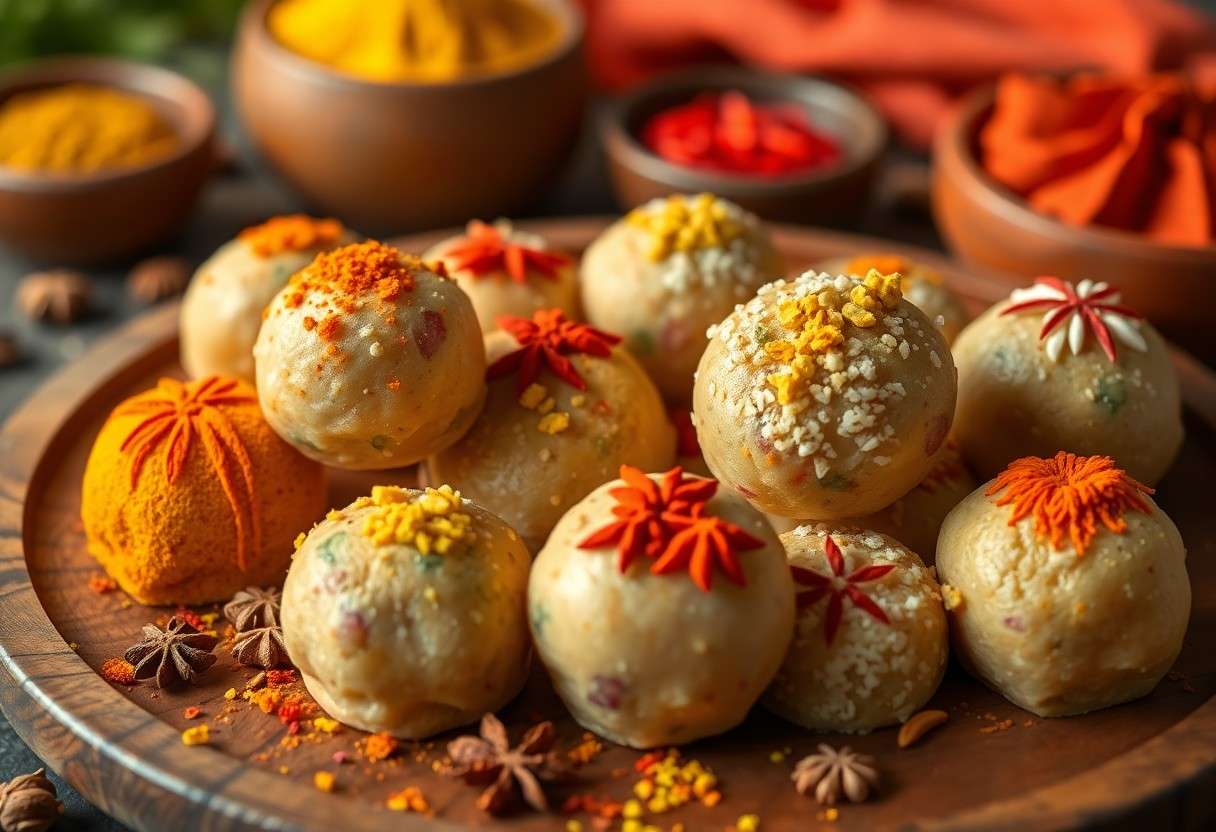
There’s an exciting trend emerging in the confectionery world as you explore the fusion of Indian spices with traditional candy formulations. By incorporating spices like cardamom, saffron, and turmeric, you can elevate your candy recipes, introducing complex flavor layers that tantalize the palate. This innovative approach not only enhances the taste but also adds a cultural depth to your creations, making them more intriguing and appealing to diverse audiences. Discover how these spices can transform your candy-making experience and offer unique, delicious results that stand out in the market.
Understanding Indian Spices
Popular Indian Spices in Confectionery
Turmeric, cardamom, and saffron are among the most widely used spices in Indian sweets, each contributing unique flavors and colors to your creations. Turmeric’s earthy notes and vibrant golden hue can enhance not only the visual appeal but also the health benefits of your confections. Cardamom, with its refreshing aroma and hint of citrus, can elevate a simple chocolate or caramel to an exotic delight. Saffron, though more expensive, offers a rich flavor and beautiful color, making it a favorite for indulgent treats such as milk-based desserts and gourmet chocolates.
Other spices like ginger and cinnamon also find their way into confectionery, providing warmth and depth. Ginger adds a spicy kick that can contrast beautifully with creamy textures, while cinnamon introduces a sweet yet slightly spicy profile that complements various sugar-based candies. Incorporating these spices allows you to tap into traditional flavors while appealing to modern palates, creating a fusion that resonates with diverse consumer preferences.
Flavor Profiles and Pairing Principles
The complexity of Indian spices opens a world of flavor pairings that can transform your candy formulations. For instance, combining cardamom and almond offers a classic taste found in many Indian sweets, creating a nostalgic experience for your consumers. Additionally, spices like black pepper can be paired with chocolate for a surprising but delightful kick that balances sweetness with heat. Understanding the balance of flavors is crucial; sweet components should enhance, not overpower, the warmth of the spices.
To maximize the potential of your confections, consider the overall profile of each spice. For example, pairing mild spices with rich ingredients like dark chocolate can create a well-rounded flavor experience, while bolder spices may benefit from a base of light, airy treats. You’ll find that experimenting with ratios and combinations will lead to rich, innovative flavors that celebrate the culinary heritage of India while capturing contemporary trends in candy making.
Traditional Candy Formulations
Common Ingredients in Traditional Candies
In traditional candy formulations, you will commonly encounter a blend of sugar, dairy, nuts, and flavorings. Sugar serves as the primary sweetener, often in the form of granulated sugar, jaggery, or syrup. Dairy components like milk and cream contribute rich textures, while nuts such as almonds, cashews, and pistachios provide a delightful crunch and additional layers of flavor. To enhance the sensory experience, natural flavorings from fruits and spices, including cardamom and saffron, are frequently incorporated, showcasing the depth and variety of tastes available in candies.
Specific candies may utilize unique ingredients to create signature products. For example, ‘chikki’ uses roasted peanuts and jaggery, while ‘barfi’ incorporates condensed milk and flavorings, resulting in dense, fudgy treats. These common ingredients not only define the taste profiles but also reflect regional preferences and availability, shaping the diversity of candy traditions across India.
Historical Context of Indian Sweets
The history of Indian sweets dates back thousands of years, interweaving with cultural celebrations and religious festivals. Traditional candies have roots in ancient texts, with references found in Ayurveda suggesting the use of sweets for medicinal purposes, highlighting their significance beyond mere indulgence. You might find that certain sweets symbolize auspicious beginnings, often prepared during weddings and festivals like Diwali and Holi, signifying joy and prosperity.
As culinary practices evolved, the geography of India further influenced these sweet creations. For instance, regional variations emerged, such as the use of coconut in coastal areas and the prominence of dairy in northern states. This blending of culture and geography not only enriched the traditional sweet landscape but also laid the groundwork for the integration of spices, allowing for the evolution of flavors that resonate with contemporary tastes.
Integrating Spices into Candy Making
Techniques for Incorporating Spices
Infusing spices into candy requires a balance of flavor extraction and effective distribution throughout the mixture. One popular method is to create a spice infusion by simmering spices in cream or syrup, allowing their important oils to infuse. For instance, cardamom and cinnamon can be steeped in hot cream before adding to your candy base, elevating the overall flavor profile. Dry roasting spices before grinding them into a fine powder can also intensify their aromatic compounds, enhancing their presence in the final product.
Another technique involves layering spices during the cooking process. Adding spices at various stages—like incorporating ground ginger towards the end while adding whole star anise earlier for sustained flavor—allows for a complex. Moreover, incorporating spices into sugar syrup at the beginning helps bind these flavors more intimately into the candy matrix, ensuring an even distribution. This technique not only enhances taste but also creates a visually enticing appearance with flecks of color from spices like saffron or nutmeg.
Balancing Flavor Intensity
Achieving a well-rounded flavor profile involves careful calibration of spice intensity. Start with small amounts and gradually increase to prevent overpowering the sweetness. For instance, using a teaspoon of finely ground cloves can elevate a recipe, but exceeding this amount will likely overshadow the original candy flavor. Tasting regularly and adjusting as necessary can help maintain the intended balance.
Crafting a harmonious blend of spices requires an awareness of how spices interact with sweet flavors. Some spices, like cinnamon and vanilla, complement sweetness effectively, while others, such as black pepper or clove, might dominate. Your approach should incorporate sweet notes alongside the spices to create a rounded flavor experience. The consideration of sugar types—using brown sugar for deeper notes versus white sugar for brightness—also plays a pivotal role in your spice integration strategy. Understanding not just your primary ingredients but also how they function collectively ensures your candy maintains equilibrium between sweetness and spice, ultimately resulting in a more enjoyable final product.
Case Studies of Spice-Infused Candies
- Chikki with Turmeric: A popular nut-based candy from Maharashtra infused with turmeric, reported a 15% increase in sales after highlighting health benefits.
- Peda with Cardamom: Traditional pedas, when combined with cardamom, saw a 20% uplift in market interest, especially among health-conscious consumers.
- Mysore Pak with Cinnamon: An experimental version of Mysore Pak infused with cinnamon increased consumer engagement by 30%, appealing to gourmet markets.
- Kaju Katli with Saffron: Saffron-infused versions of this classic sweet led to a 25% premium price point in upscale confectionery shops.
Examples from Indian Regions
Regions across India showcase a rich tapestry of spice-infused candies, each carrying unique flavors that resonate with local palates. In Gujarat, for instance, the usage of ajwain in traditional burfies has heightened its appeal, particularly among consumers seeking distinctive taste experiences. Sales data indicates a 22% growth in this category, presenting a noteworthy shift towards regionally inspired flavor profiles.
In the southern states, such as Kerala, the use of nutmeg in jaggery-based candies has captured market attention, resulting in a 19% increase in demand. This local adaptation not only enhances the taste but also pays homage to the cultural significance of spices in regional history, inviting a broader audience to connect with India’s culinary heritage.
Innovations in Modern Candy
Modern candy makers are increasingly embracing innovative techniques that blend traditional flavors with contemporary formats. For example, introducing gourmet chocolates infused with traditional spices like cloves and star anise appeals to the millennial demographic seeking unique sensory experiences. As a response, companies have reported a 30% rise in sales for these artisanal products, suggesting that consumers are ready to experiment beyond conventional sweet flavors.
Enhancements in production technologies, such as micro-encapsulation, allow for better flavor preservation of spices in candy formulations. This results in a prolonged shelf life while maintaining distinct sensory qualities. Furthermore, collaborations between traditional confectioners and modern culinary experts pave the way for hybrid products that leverage the nostalgia of classic sweets with innovative spice blends, significantly broadening your options in the market.
Health Benefits of Spices in Sweets
Nutritional Contributions
Incorporating spices into traditional sweets not only elevates flavor but also enhances their nutritional profile. Ingredients like cardamom, commonly found in Indian desserts, offer important oils and antioxidants that aid digestion and boost metabolism. Cinnamon brings its anti-inflammatory properties and can help regulate blood sugar levels, making sweets more suitable for those mindful of their health. Turmeric, packed with curcumin, adds anti-oxidative benefits that support immune function and skin health. These spices transform your treats into something more than indulgences; they become nourishing bites that support your well-being.
Sweet treats featuring spices can provide a variety of vitamins and minerals. Ginger, often used for its warming properties, contains gingerol which is known for its anti-nausea effects and digestive aid. By integrating these spices into your candy formulations, you’re not just satisfying a sweet tooth; you’re offering a product that carries potential health advantages. The unique compounds in these spices can play a significant role in your overall nutrition, allowing you to enjoy the richness of desserts guilt-free.
Culinary and Medicinal Uses
Spices have long been celebrated for their culinary prowess and medicinal properties. In sweets, spices like saffron and cloves not only enhance flavors but also contribute healing benefits. Saffron, known for its mood-lifting qualities, can impart a golden hue and rich aroma, while cloves are packed with eugenol, which has antiseptic and analgesic properties. Their dual roles allow you to craft sweets that are not only delicious but also therapeutic treats that resonate with traditional wellness practices.
This blend of culinary and medicinal uses can be seen in various cultural desserts. For instance, traditional gulab jamun often incorporates cardamom, giving it a fragrant element that also aids digestion. Many recipes also include health-affirming spices tailored to boost energy or soothe ailments, showcasing how these candy formulations can deliver holistic benefits. As you explore spice integration in sweets, consider ways to emphasize their functional effects, turning your confections into effective wellness products that appeal to the modern health-conscious consumer.
Consumer Trends and Market Insights
Demand for Exotic Flavors
Your customers are actively seeking authentic and diverse taste experiences, leading to an increased demand for exotic flavors in candy. Indian spices such as cardamom, saffron, and turmeric have begun to appear in mainstream candy formulations, capturing attention with their complex flavor profiles. For example, brands integrating these flavors have seen a notable uptick in sales, as consumers are drawn not just to the taste but also to the stories and traditions behind these ingredients. This trend is not limited to niche markets; large-scale candy manufacturers are now experimenting with these unique spices, recognizing their potential to elevate traditional offerings.
Market research indicates that approximately 38% of consumers express a desire to explore flavors inspired by global cuisines, with Indian spices leading the charge in confectionery. Your ability to cater to this trend can set your products apart, drawing in a demographic that values cultural diversity and culinary innovation. For instance, candy featuring a blend of tamarind and chili reflects this demand for bold flavors, simultaneously introducing sweetness with heat, which resonates with adventurous eaters looking to push their flavor boundaries.
Impact on Traditional Candy Markets
The incorporation of Indian spices is reshaping traditional candy markets, prompting brands to rethink their formulations and marketing strategies. Classic candies are now being revamped to include these flavor profiles, enabling them to attract consumers previously uninterested in conventional sweets. Not only does this help retain existing customers, but it also attracts a new audience fascinated by culinary exploration. As retailers collaborate with manufacturers to create innovative blends, you can stay ahead of the curve by leveraging these trends to revitalize your product line.
Sales data illustrate that candy products featuring Indian spices experience a growth rate of up to 25% compared to traditional offerings. This highlights a significant shift in consumer preferences, suggesting that integrating these complex flavors not only supports brand differentiation but fosters deeper connections with consumers. By utilizing Indian spices, you can breathe new life into established candy categories, inviting your audience to rediscover familiar sweets through an exciting lens of multicultural flavor integration.
Final Words
On the whole, integrating Indian spices into traditional candy formulations enhances the depth and complexity of flavors, allowing you to create unique taste experiences that set your products apart. By utilizing spices such as cardamom, saffron, and turmeric, you can elevate the sensory profile of your candies, making them more appealing to diverse palates. This innovative approach not only pays homage to rich culinary traditions but also invites a modern twist on classic confections.
By embracing these flavor layers, you position yourself at the forefront of the confectionery industry’s evolution, appealing to consumers’ growing interest in diverse tastes. Consider exploring resources like Gunpowder Explosive Flavours From Modern India for further inspiration and insights into the potential of spice fusion in candy-making. Your willingness to innovate will undoubtedly lead to exciting new products that capture the essence of these vibrant flavors.


