The Impact of Inflation on Global Confectionery Prices
Just as you enjoy your favorite sweets, it's important to understand how inflation is reshaping the global confectionery market. Rising costs of raw materials,

This article contains Amazon affiliate links. As an Amazon Associate, CandiesAndSweets earns from qualifying purchases.
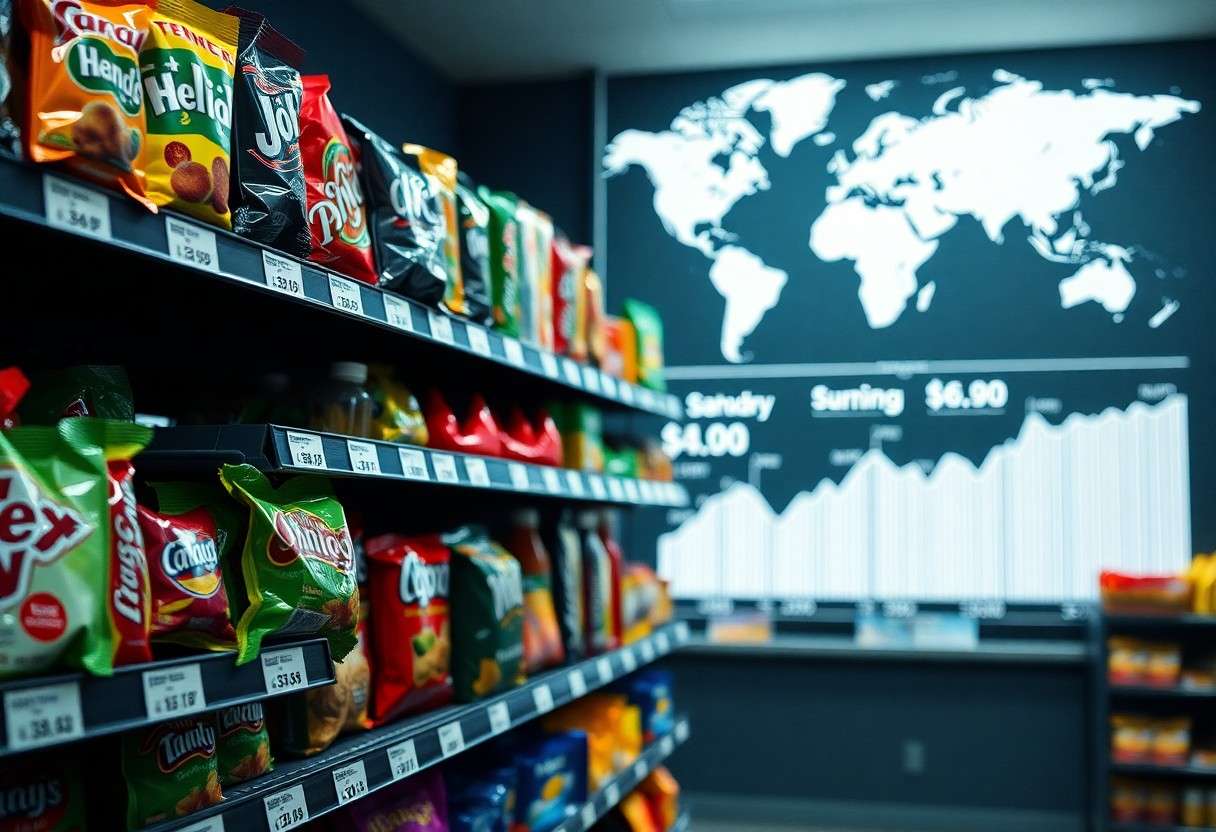
Just as you enjoy your favorite sweets, it’s important to understand how inflation is reshaping the global confectionery market. Rising costs of raw materials, production, and transportation are driving up the prices of chocolate, candies, and other treats you love. This blog post will explore the factors behind these price increases, their effects on your purchasing decisions, and the broader implications for the confectionery industry worldwide. Stay informed about how inflation can affect your sweet tooth and what it means for your wallet.
Understanding Inflation
As a vital component of economic health, inflation affects your purchasing power and the overall costs of goods and services. Understanding inflation involves recognizing not just its definition, but also the myriad causes that contribute to its fluctuations. Inflation can be described as the rate at which the general level of prices for goods and services rises, leading to a decline in the purchasing power of your currency. Common causes of inflation include an increase in demand for goods and services, rising production costs, and expansive monetary policies enacted by central banks.
Definition and Causes
For many, the concept of inflation can seem abstract, yet it has direct implications for everyday life. When inflation rises, you find that your money doesn’t stretch as far as it once did; the items you regularly buy may suddenly seem more expensive. The primary drivers of inflation can vary—demand-pull inflation occurs when demand exceeds supply, while cost-push inflation arises when the costs of production increase, affecting the prices consumers see at stores.
Historical Trends in Inflation
At various points in history, you can observe stark examples of inflation’s impact on economies around the world. In the 1970s, for instance, many countries faced stagflation—a combination of stagnant economic growth, high unemployment, and rising inflation, which significantly altered how consumers approached spending and savings. This era serves as a poignant reminder of how rapidly inflation can escalate and how it directly affects your purchasing choices.
The last few decades have witnessed significant fluctuations in inflation rates across different regions. You might recall the hyperinflation experienced in Zimbabwe in the late 2000s, which not only eroded the value of the currency but also led to severe shortages of basic necessities. More recently, the COVID-19 pandemic triggered supply chain disruptions and labor shortages, contributing to rising prices in various sectors, including confectionery. As you navigate future purchases, understanding these historical trends can help you better anticipate and respond to the economic conditions that shape your financial landscape.
The Confectionery Market Overview
There’s a dynamic landscape within the global confectionery market, characterized by a wide array of products ranging from chocolate bars to gummy candies. As a significant segment of the food and beverage industry, confectionery items have seen fluctuating demand driven by trends in consumer preferences, health awareness, and economic conditions such as inflation. The market encompasses various categories, including traditional sweets, premium chocolates, and sugar-free options, catering to diverse taste profiles and dietary needs. Understanding these trends and the underlying factors can help you navigate the confectionery landscape effectively.
Key Players in the Industry
After dissecting the market, you will find that numerous key players dominate the confectionery sector. Major global brands, such as Mars, Mondelez International, and Nestlé, drive innovation and set benchmarks for quality standards. These companies leverage extensive distribution networks to ensure their products are available worldwide, while also investing in marketing strategies that resonate with consumers across different demographics. Additionally, local artisanal brands are gaining traction by appealing to niche markets, further diversifying the competitive landscape.
Market Dynamics and Consumer Preferences
Players in the confectionery industry must continuously adapt to market dynamics that influence consumer preferences. Factors such as changing lifestyle choices, increased health consciousness, and the demand for sustainable products play significant roles in shaping purchasing decisions. Economic conditions, like inflation, can also shift consumer behavior, prompting them to seek value-oriented offerings or indulge less frequently. Being aware of these dynamics is crucial for you to understand how they impact pricing structures and product availability.
And as you further explore these dynamics, you’ll find that consumers are increasingly drawn to products that offer transparency in ingredients and align with ethical production practices. The rise of plant-based options and sugar alternatives reflects a significant shift toward health and wellness in the confectionery sector. Brands that recognize these changes and adapt their offerings accordingly are likely to thrive in a competitive market where consumer loyalty is paramount. Ultimately, staying attuned to these trends will empower you to make informed decisions that resonate within your target audience.
Mechanisms of Price Adjustment
Some of the key mechanisms behind price adjustment in the global confectionery market can be broadly categorized into cost-push inflation and demand-pull factors. Cost-push inflation arises when the costs of production increase, leading manufacturers to pass these costs onto consumers in the form of higher prices. In the confectionery sector, this can occur through various channels, including rising raw material prices, transportation costs, and even labor expenses. As a consumer, you may notice that elevated prices often stem from these external pressures on manufacturers, resulting in an overall increase in confectionery prices.
Cost-Push Inflation in Confectionery
With rising ingredient prices impacting chocolate, sugar, and other vital constituents, confectionery producers face mounting pressure to raise prices to maintain profit margins. For instance, fluctuations in agricultural outputs due to climate change or trade restrictions can drive up input costs. When this happens, producers can no longer absorb these expenses without jeopardizing their operational viability, leading them to increase the retail prices of products you enjoy. This is particularly evident during periods of heightened supply chain disruptions that hinder the flow of vital goods.
Demand-Pull Factors
With more consumers showing a penchant for premium sweets, demand-pull factors also play a significant role in adjusting confectionery prices. As consumer preferences shift towards artisanal and gourmet options, the demand for higher-quality ingredients can lead to price hikes. Factors that might contribute to this scenario include increases in disposable income, seasonal events, or marketing campaigns that heighten consumer interest in certain products. A few examples of demand-pull influences might include:
- Growing interest in health-conscious confectionery options.
- Seasonal spikes during holidays or celebrations.
- Innovative product launches that captivate customer interest.
The combination of these factors can lead to shifts in market demand, which subsequently result in higher prices for you as a consumer.
Understanding demand-pull factors is vital for grasping the complexities of confectionery pricing. When consumers become increasingly aware of unique flavors and healthier alternatives, they are often willing to pay a premium for these products. This demand surge not only encourages manufacturers to elevate their offerings but also amplifies the competitive landscape within the industry. Some key aspects to consider include:
- The influence of social media and marketing trends on consumer behaviors.
- The developing consumer preferences for gourmet and artisanal sweets.
- The expanding market for vegan and organic confectionery options.
The willingness of consumers to spend on these items can ultimately lead to higher prices in your local stores.
Regional Variations in Price Impact
Developed Markets
Keep in mind that developed markets, such as the United States and those in Western Europe, often experience a more stable yet still discernible impact from inflation on confectionery prices. You may notice that while overall inflation rates might fluctuate, the price increases for confectionery items tend to be more gradual compared to less developed regions. This stability can be attributed to established supply chains and more resilient food processing industries, which can absorb some of the cost pressures without passing them directly onto consumers.
Additionally, in developed markets, brand loyalty plays a significant role in how companies respond to inflationary pressures. You could find that leading brands maintain their pricing strategies to avoid losing market share, choosing instead to implement smaller, incremental price increases over time. This approach not only helps preserve their customer base but also enables you to continue enjoying your favorite treats without feeling the sting of sudden price hikes.
Emerging Economies
Impact in emerging economies often presents a different picture, where inflation can lead to more pronounced and immediate changes in confectionery prices. As a consumer in these regions, you may experience steeper price hikes, as local economies are more sensitive to fluctuations in commodity prices and supply chain disruptions. This volatility can result in significant adjustments in the cost of raw materials, which are often imported, leading to rapid changes in retail prices for sweets and snacks.
It’s worth noting that in emerging markets, the economic context plays a major role in determining how brands approach pricing strategies. As inflation rises, you might see confectionery companies utilizing cost-cutting measures, such as reducing product sizes or switching to cheaper ingredients in order to maintain affordability. This could affect the overall quality and experience of the products you enjoy, emphasizing the importance of being aware of local market conditions and how these factors influence what you pay for your favorite confectioneries.
Case Studies: Recent Trends
To understand the broader implications of inflation on confectionery prices, you can look at various case studies from leading brands and markets around the world. Here are some noteworthy examples that illustrate recent trends:
- USA: Hershey’s Price Increase – In 2022, Hershey’s raised its prices by an average of 10% in response to rising ingredient costs, including cocoa and sugar, driven by inflation rates hitting a 40-year high.
- Europe: Mondelez’s Snack Retreat – In the UK, Mondelez International reported a 7% hike in the price of Cadbury products in 2023, leading to a noticeable decrease in sales volume by approximately 8% during the same period.
- Asia: Mars Wrigley’s Dominate Shift – In China, Mars Wrigley observed a distinct shift in consumer behavior due to rising prices, with a 15% increase in the cost of popular brands like M&M’s, which caused a 10% preference shift towards budget brands.
- Australia: Nestlé’s Flat Sales – In 2023, Nestlé Australia saw flat sales despite increasing prices by 5% across several confectionery lines, indicating price sensitivity among Australian consumers.
Impact on Major Brands
With the inflationary environment impacting ingredients and production costs, major confectionery brands have had to adapt their pricing strategies. As you consider the decisions made by these brands, you may notice that their approaches differ. For example, some have chosen to absorb costs to maintain market share, while others have opted for aggressive price increases to protect margins. For instance, Lindt reported a 4% growth in their sales despite a 6% price increase, suggesting that premium positioning allows for some elasticity.
With various brands tackling price strategies differently, your attention might turn to the sustainability of these practices. Brands like Ferrero have initiated smaller packaging options to provide more affordability while still delivering on premium quality. In a market sensitive to price, these strategies provide insights into how brands can maintain sales volume despite rising costs.
Retail Price Changes
Above all, the impact of inflation on retail prices has forced many retailers to reevaluate their pricing strategies regarding confectionery products. Research suggests that traditional retailers and supermarkets are not just passing on increased costs but are also strategically increasing prices to maximize profit margins. Interactive price audits from various grocery chains indicate that average chocolate bar prices rose by 12% in 2023, influencing consumer purchase decisions significantly.
Understanding how retail price changes occur illustrates your need to stay informed. Prices have changed dramatically, with certain products experiencing an increase as high as 20% year-on-year. You may find it useful to compare the pricing shifts among different retailers to identify patterns that could affect your buying decisions. Engaging with both premium and value brands means you are actively managing how inflation influences your choices within the confectionery market.
Future Outlook
Now that you are aware of inflation’s impact on confectionery prices, it’s important to consider what the future holds for global economies, particularly in the confectionery sector. If inflation rates continue to fluctuate, your purchasing decisions may increasingly be influenced by external factors such as commodity prices, supply chain disruptions, and consumer demand. The resilience of the confectionery market could also depend heavily on how corporations adapt their pricing strategies in response to these economic conditions.
Economic Projections
Between 2023 and 2025, global economic projections suggest that inflation may stabilize, albeit at levels higher than those seen pre-pandemic. This scenario could lead to more predictable pricing for confectionery products, but also pushes you to stay attuned to changes that could affect your spending power. The interplay between inflation rates and consumer confidence will heavily influence how confectionery manufacturers respond—whether by passing costs onto you or optimizing their operations to maintain profit margins without sacrificing quality.
Potential Mitigation Strategies
Around the world, manufacturers and retailers are exploring various strategies to mitigate the effects of inflation on their offerings. These could include optimizing supply chains to reduce costs, investing in local sourcing to minimize transportation expenses, or even adjusting product formats and packaging to offer more value for your money. By doing so, they can retain customer loyalty while navigating the changing economic landscape.
In fact, some companies are adopting innovative approaches such as introducing limited edition products or smaller portion sizes to cater to budget-conscious consumers like you without sacrificing the enjoyment of sweets. Additionally, loyalty programs and promotional campaigns may become more common, offering you financial incentives that help ease the burden of rising prices. Ultimately, these strategies are aimed not just at sustaining the businesses, but ensuring that you can continue to enjoy your favorite treats while navigating an uncertain economic climate.
To wrap up
Now that you understand the various ways inflation impacts global confectionery prices, you can better appreciate the complexities of the market. You may notice that the rising costs of ingredients, transportation, and overall production not only affect manufacturers but also influence the prices at which you purchase your favorite confectionery products. As the global economy fluctuates, being aware of these factors enables you to make informed decisions when selecting treats, allowing you to maintain your budget while still satisfying your sweet tooth.
Moreover, staying informed about inflation trends and their effects on confectionery prices can guide you in anticipating changes in the market. You may find it beneficial to explore alternatives or different brands that offer competitive pricing without sacrificing quality. As economic conditions evolve, being proactive in your purchasing habits can help you navigate the candy aisle with confidence, ensuring that you enjoy your sweets without exceeding your financial limits.


