Japanese Texture Innovation Inspires Mochi-Style Candy Development Globally
You may be surprised to learn how Japan's unique mochi texture is influencing candy makers worldwide. This innovative dessert, characterized by its chewy and so

This article contains Amazon affiliate links. As an Amazon Associate, CandiesAndSweets earns from qualifying purchases.
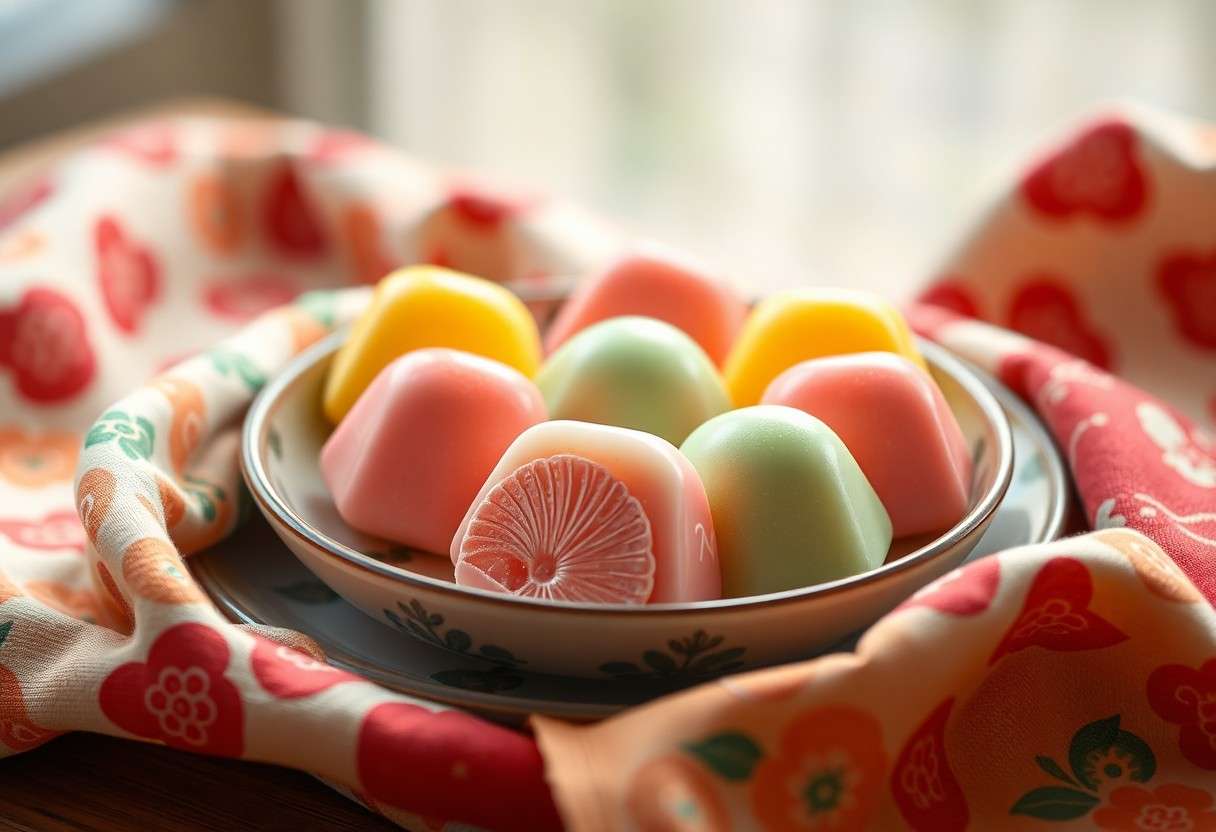
You may be surprised to learn how Japan’s unique mochi texture is influencing candy makers worldwide. This innovative dessert, characterized by its chewy and soft consistency, has sparked a new trend in confectionery, inspiring global brands to experiment with similar textures. As you explore the rise of mochi-style candies, you’ll discover how traditional Japanese techniques are merging with modern flavors, creating exciting new products that appeal to diverse palates. Embrace the growing phenomenon of mochi-inspired treats as they redefine your candy experience across the globe.
Historical Context of Mochi
Traditional Mochi Preparation
Traditionally, mochi is crafted using a labor-intensive process known as “mochitsuki.” This involves soaking glutinous rice overnight and then steaming it until it becomes tender. The rice is then pounded in a large mortar using a pestle, creating a sticky and elastic dough. You can see this process performed during festivals and special occasions, where community members gather to partake in the preparation, transforming both the rice and the atmosphere into something vibrant and communal. The rhythmic pounding not only builds the texture of the mochi but also requires collaboration and timing, which adds to the cultural experience.
This method of preparation has been passed down through generations, illustrating its importance in Japanese culture. As you observe this technique, you realize that it’s not just about creating a treat; it symbolizes teamwork and tradition. Each pound of the pestle enhances the mochi’s unique chewy texture, which becomes the hallmark of high-quality mochi. In contemporary settings, while some processing methods have evolved, many still hold onto these traditional practices to preserve the authenticity of the product.
Cultural Significance in Japan
Mochi holds deep cultural significance in Japan, often associated with festivals, celebrations, and spiritual rituals. You may encounter mochi during the New Year’s celebration, where it is enjoyed in a traditional soup called ozoni, symbolizing renewal and good fortune for the coming year. Many households prepare mochi with family, reinforcing bonds and traditions as they look toward the future. It also plays a key role in various other festivals, such as the Mochitsuki Festival, showcasing both the culinary and communal aspects of Japanese heritage.
Additionally, mochi represents not just a culinary delight but also a connection to the past, with ties to ancient Japanese customs. For example, rituals during harvest time often included offerings of mochi to deities to show gratitude and seek blessings for future crops. This ongoing reverence for mochi reflects your cultural relationship with food, tradition, and the stories that accompany every bite. By enjoying mochi, you partake in the rich tapestry of Japanese history, connecting with those who came before you and celebrating the present through taste and tradition.
Texture Innovations in Japanese Confections
The Role of Texture in Flavor Perception
Your experience of flavor often begins with texture, a fact well understood in Japanese confections. The creamy, chewy consistency of mochi plays a significant role in its appeal, as the texture can enhance or alter the perception of sweetness and depth. Research indicates that varying textures can influence how flavors are released and experienced in the mouth, with softer textures often perceived as sweeter. This phenomenon is evident in how a rich, velvety chocolate can feel more indulgent compared to a drier counterpart, demonstrating the vital link between texture and taste.
Modern Techniques in Food Science
Advancements in food science have enabled manufacturers around the world to replicate and innovate upon traditional Japanese textures. Techniques such as spherification and foaming are becoming popular, allowing for the creation of unique mouthfeel experiences that mimic mochi’s chewiness. These methods leverage precise control over ingredients and chemical reactions, resulting in candies that not only look appealing but are also texturally engaging, offering a multisensory experience that is hard to forget.
Notably, the use of hydrocolloids, like agar and gelatin, plays a crucial role in recreating the beloved textures found in Japanese confections. By manipulating ratios and cooking methods, you can achieve a perfect balance that vibrantly showcases flavor while enhancing texture. Additionally, innovations in plant-based ingredients have expanded the horizons for those seeking gluten-free and vegan alternatives, mirroring mochi’s famed characteristics while appealing to a broader audience.
Global Influence of Mochi-Style Candy
Adaptation by International Candymakers
Your favorite candy brands around the world are increasingly experimenting with mochi-style textures, recognizing the unique appeal of this chewy delicacy. Major confectionery companies have begun incorporating glutinous rice flour and creative flavorings that reflect local tastes. For instance, in the United States, brands like Chewsy have introduced mochi-inspired gummy candies, offering flavors like matcha and black sesame that resonate with both traditional and modern consumers. Meanwhile, European chocolatiers are marrying mochi elements with gourmet chocolate, creating innovative products that draw consumers seeking authenticity alongside indulgence.
This adaptation isn’t limited to established brands; small artisanal candymakers are also tapping into this trend, often crafting mochi-style candies using organic ingredients and unique fillings. Regional events, such as international candy expos, showcase these innovative products, sparking dialogue and collaboration between Eastern and Western confectionery artists. These adaptations are redefining the candy landscape, creating a fusion of cultures that elevates your snacking experience.
Consumer Trends and Preferences
Recent market research indicates a growing preference among consumers for novel textures in their snack options, with mochi-style candy leading the charge due to its unique mouthfeel. Surveys reveal that 42% of consumers aged 18-35 actively seek out products that offer an experiential element, such as chewy or gummy textures. As health-conscious choices gain traction, many brands offer gluten-free mochi options filled with fruits or reduced-sugar alternatives, tapping into the demand for healthier indulgences.
Shifting demographics are influencing candy consumption patterns, with younger consumers increasingly favoring international flavors and textures. Social media platforms have become vital in propelling mochi-style candies into the spotlight, particularly TikTok, where users enthusiastically share their taste experiences. Your browsing experience may soon lead you to viral taste tests or unique flavor combinations, showcasing mochi’s versatility as a mainstream confectionery element.
As awareness of mochi-style candy continues to spread, consumer curiosity drives innovation. Surveys indicate that part of the appeal lies in the sensory experience, combining visual aesthetics with textural allure, compelling you to explore beyond traditional candy offerings. The marriage of global flavors and local ingredients leads to an endless array of possibilities in this evolving market, solidifying mochi’s position in the candy aisle.
The Popularity of Inclusive Confectionery
Gluten-Free and Vegan Options
As dietary preferences shift towards inclusivity, gluten-free and vegan options are no longer niche offerings but rather necessary components of the confectionery market. Brands responding to this demand are utilizing innovative ingredients like rice flour and various plant-based sweeteners to create delicious, yet compliant, mochi-style candy alternatives. The growing prevalence of allergies and dietary restrictions has opened a pathway for brands to attract a broader audience. For example, companies are replacing traditional wheat flour with tapioca or almond flour to enhance texture while accommodating those with gluten sensitivities.
The success of gluten-free and vegan mochi-inspired confections highlights a significant shift in consumer expectations. You’ll find products that not only meet these dietary needs but also deliver on taste and texture, necessary factors for customer retention. Major confectionery brands have introduced improved formulations that appeal to both health-conscious individuals and those simply seeking a delicious treat, demonstrating the benefit of catering to diverse lifestyles.
Health-Conscious Trends
The rising awareness of wellness has catalyzed the confectionery industry to redefine its offerings. Consumers are increasingly seeking out treats that align with their health goals without sacrificing flavor. Ingredients like superfoods, natural sweeteners, and functional additives have become common in mochi-style candy, appealing to those who prioritize both indulgence and nutrition. The integration of ingredients such as matcha, chia seeds, and coconut has transformed traditional recipes into modern, health-forward options.
Sales data indicates a growing trend toward low-sugar and high-protein snacks, with the market for health-focused candies expected to reach $50 billion by 2025. You’re likely to see brands incorporating bold flavors and nutritional benefits into their confectionery, reflecting a move away from empty calories to more nourishing options. This shift not only addresses consumer demands but also positions mochi-style candies as desserts that can complement a balanced lifestyle.
Case Studies: Successful Mochi-Style Products
- Taffy Town: Reported a 30% increase in revenue after launching their mochi-inspired taffy, combining traditional flavors with a chewy texture that appeals to both Japanese and Western consumers.
- Mochi Ice Cream: With over 10 million units sold annually across the U.S., their unique offerings feature gluten-free rice dough encasing premium ice cream, showcasing flavors like matcha and red bean.
- My/Mo Mochi: Secured $24 million in funding following the popularity of their bite-sized mochi ice cream, which saw a growth rate of 150% year-over-year after entering the retail market.
- Little Moons: Garnered significant attention in Europe with sales exceeding £8 million in 2020, largely credited to their innovative mochi balls filled with exotic gelato flavors.
- Harmless Harvest: Introduced a mochi-inspired coconut yogurt product that quickly captured a 5% market share in the dairy-free category, appealing to health-conscious consumers.
Market Leaders and Their Innovations
Market leaders in the mochi-style segment have capitalized on consumer interest through innovative product adaptations. For example, My/Mo Mochi successfully introduced a bite-sized version of traditional mochi with their ice cream offerings, which not only appealed to the growing frozen dessert market but also positioned them uniquely within the snack food aisle. This move has led to significant visibility in grocery chains and increased demand across varying age demographics, especially millennials.
Taffy Town has embraced the versatility of mochi-inspired products by adding unique flavors such as lychee and spicy mango to their taffy line, enabling them to stand out from the competition. Their strategic marketing campaigns play a key role in driving consumer interest, highlighting the blend of global flavors and innovative textural experiences. The increase in their revenues reveals how effective these tactics are in capturing new audiences.
Emerging Brands and Unique Offerings
Emerging brands are making waves by introducing unique mochi-style products that cater to niche markets. One notable example is Frozen Moon, which specializes in plant-based mochi with a focus on sustainability and organic ingredients. Their recent launch of a vegan mochi filled with coconut cream and guava has been met with enthusiasm, resulting in a 45% spike in online sales within the first quarter of its release.
Other brands, like MochiMochi, are exploring fusion concepts by blending mochi with international desserts, such as tiramisu and pavlova. This creative approach has garnered a dedicated following on social media platforms and has led to collaborations with local cafes, further driving brand awareness and industry growth.
Emerging brands continue to shape the landscape of mochi-style candies by pushing conventional boundaries. Their creative offerings often target specific dietary preferences, ensuring they cater to the growing demands of health-conscious consumers and food adventurers alike. By leveraging social media marketing and innovative flavor combinations, these brands are positioning themselves for long-term success in this expanding market.
Challenges in Mochi-Style Candy Production
Ingredient Sourcing and Supply Chain Issues
Sourcing authentic glutinous rice flour and other important ingredients poses significant challenges for manufacturers eager to replicate traditional mochi textures. For instance, while some brands have turned to local suppliers to mitigate costs, the quality of ingredients can vary, impacting the final product. Global fluctuations in rice production due to climate changes have also led to increased prices, affecting overall profit margins for those venturing into mochi-style candy.
Your supply chain logistics must address not only the quality of raw materials but also timely delivery. Disruptions in the supply chain, as seen during the COVID-19 pandemic, have forced some companies to reconsider their ingredient procurement strategies. Building strong relationships with reliable suppliers is important, yet it requires ongoing effort and investment in both time and resources.
Maintaining Authenticity and Quality
Maintaining authenticity while scaling production can be particularly challenging. As manufacturers aim to meet consumer demand, deviations in traditional recipes may occur, leading to a loss of the signature mochi chewiness or flavor. Authentic mochi relies on a precise balance of ingredients, and any shortcut taken to enhance efficiency could compromise the final taste and texture. For instance, using synthetic flavorings instead of natural ones might reduce costs but sacrifices the genuine experience that consumers expect.
Brands like My/Mo Mochi Ice Cream face the challenge of ensuring that their offerings align with customer expectations of authentic flavor while also experimenting with innovative fillings. Striking this balance requires ongoing testing and consumer feedback loops to adjust formulations without alienating loyal customers who appreciate traditional mochi characteristics.
Continuous quality control processes become paramount as you expand production. Implementing standardized testing and batch sampling can help maintain a consistent product, ensuring that every piece of mochi-style candy meets established benchmarks for texture and taste. Feedback from customers should be actively sought to refine recipes while still honoring the integrity of the beloved confection.
Final Words
Presently, your exploration of Japanese texture innovation has revealed how mochi-style candy is captivating taste buds across the globe. As you probe deeper, you’ll find that this unique confectionery offers not just a delightful chewy experience, but also a canvas for creativity in flavor and presentation. Your understanding of these trends places you at the forefront of a growing movement that celebrates cultural culinary practices and opens avenues for new product development.
By leveraging the techniques behind mochi, you are partaking in a broader shift where traditional methods inspire modern adaptations. For further insights into this fascinating trend and to refine your knowledge, you may find it beneficial to explore What’s Mochi? All About Mochi Types, Trends, and Applications. This exploration will not only enhance your expertise but also empower you to contribute meaningfully to the evolving landscape of confectionery.