The Role of Local Traditions in Shaping New Sweets
Sweets serve as a delightful reflection of culture, history, and local traditions. In your exploration of confections, you'll find that regional ingredients and

This article contains Amazon affiliate links. As an Amazon Associate, CandiesAndSweets earns from qualifying purchases.
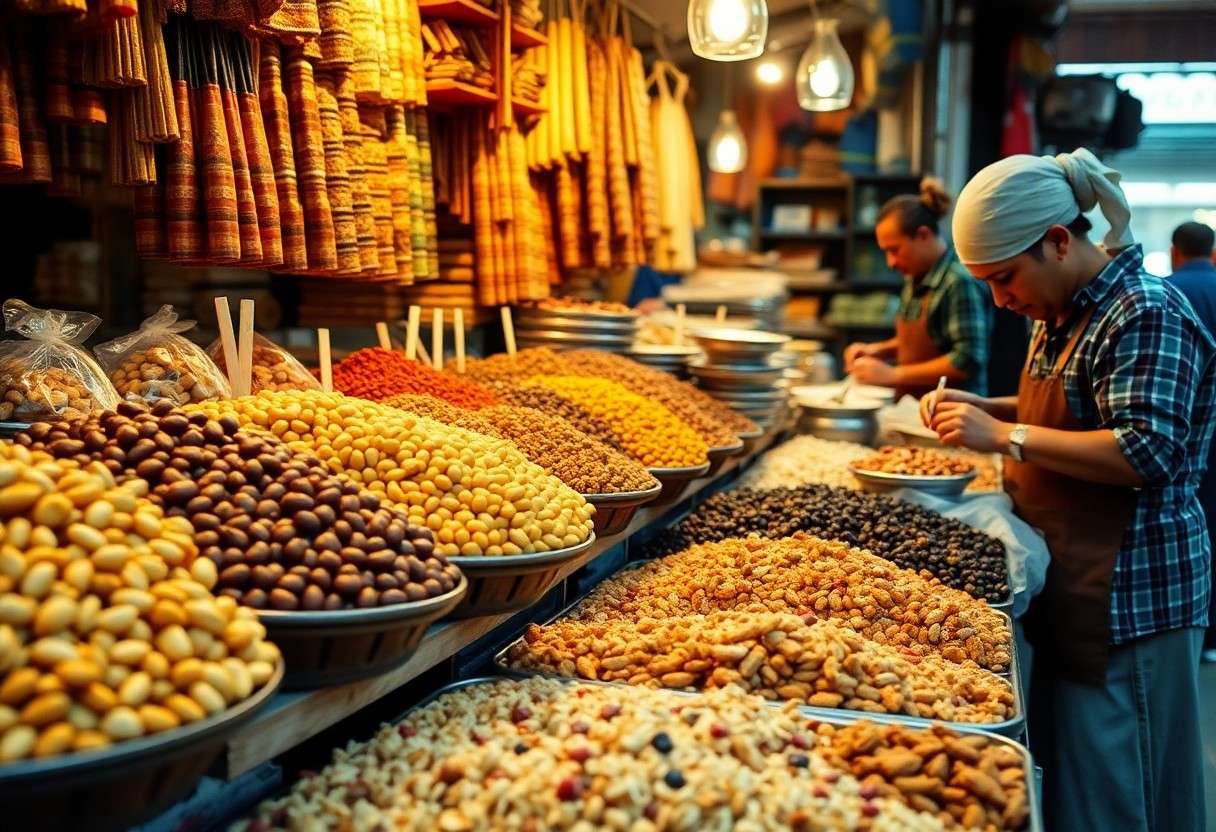
Sweets serve as a delightful reflection of culture, history, and local traditions. In your exploration of confections, you’ll find that regional ingredients and customs significantly influence the flavors and forms of new creations. By understanding the ways local practices intertwine with the art of sweet-making, you can appreciate not just the deliciousness but also the rich narratives that each treat embodies. Discover how these unique traditions inspire modern recipes and elevate your sweet experiences to a new level.
The Sweet Legacy: Tracing Regional Influences on Modern Confections
Deep Roots: Historical Significance of Local Ingredients
Your palate is a canvas painted by the diverse ingredients native to your region. Everything from the spices of the Middle East to the fruits of Southeast Asia tells a story of geographical abundance and historical significance. For instance, in the Mediterranean, honey has been transformed into countless confections for centuries, while in Japan, traditional sweets like mochi utilize locally sourced rice. These ingredients not only enhance the flavor but also preserve ancient agricultural practices. Often, these local ingredients lead to the creation of sweets that are emblematic of their origins, connecting you to a time and place through taste.
Flavor Profiles: How Geography Shapes Taste Preferences
Craft Meets Culture: Artisanal Approaches to Traditional Recipes
Innovation Through Tradition: Blending Old Methods with New Ideas
Artisans are redefining the landscape of sweets by harmoniously blending traditional techniques with innovative ideas. For instance, the process of hand-pulling taffy, once a laborious task reserved for classic candy makers, is now being enhanced by infusing unexpected flavors like green tea and lavender. This fusion not only breathes new life into an age-old craft but also appeals to contemporary palates seeking novelty in every bite. Entrepreneurs like those behind the successful sweet shop ‘Sugarcraft’ in Portland have reported that incorporating local ingredients from nearby farmers’ markets has doubled their customer base, showcasing the demand for innovative yet rooted confectionery options.
Additionally, the rise of social media platforms has encouraged artisans to showcase their unique adaptations of traditional recipes. You might find baklava infused with chocolate or modern takes on French macarons influenced by local spices. This artistic reinterpretation is more than just a culinary venture; it’s an opportunity for artisans to narrate their story and connect with their community through the sweets they create. As consumers crave authenticity and a sense of place, these innovative twists serve as a bridge between the past and present.
Community Engagement: How Local Fortunes Influence Sweet Businesses
Local communities play an integral role in the success of artisanal sweet businesses. By tapping into regional ingredients and traditional recipes, these entrepreneurs not only honor their heritage but also foster a sense of belonging among consumers. For example, in New Orleans, sugar artists are increasingly using local pecans and spices to create treats that celebrate the cultural fabric of the city. They are drawing on the rich tapestry of traditions in the area, resulting in a candy culture that is deeply rooted in place and history. Collaborating with local farmers and businesses has created a symbiotic relationship that enhances the appeal of these sweets while simultaneously supporting the local economy.
The investment in community engagement doesn’t stop at sourcing ingredients. Many artisans host workshops and tasting events, inviting customers to not only sample their creations but also learn the stories behind them. You likely notice that as the community becomes more involved, their investments lead to greater sustained support for local sweet shops. This, in turn, bolsters the artisanal scene, with an increasing number of consumers seeking out sweets that celebrate local culture and pay homage to time-honored traditions.
Celebrating Diversity: Fusion Sweets that Reflect Cultural Heritage
Cross-Cultural Collaborations: Merging Culinary Practices
Fusing culinary practices from distinct cultures often leads to the creation of exciting new sweets that capture the essence of both traditions. For instance, you might notice the delightful combination of Italian tiramisu and Japanese matcha, a dessert that not only pleases the palate but also tells a story of East meeting West. Bakeries and patisseries around the globe are playing with flavors, textures, and presentations, allowing these unexpected combinations to shine. Chefs collaborate across cultural lines using local ingredients when crafting their signature fusion treats, resulting in sweets like coconut-lime macaroons or espresso-infused baklava.
The beauty of these collaborations lies in their ability to represent multiple identities. For instance, Mexican churros filled with dulce de leche-infused cream and topped with Japanese black sesame seeds exemplify how different cultural elements can come together harmoniously. Such innovations not only satisfy cravings but also open doors for conversation about the deeper connections between diverse cultures—a sweet reminder that we are more alike than different.
The Role of Festivals and Events in Promoting New Flavors
Festivals and culinary events often serve as the perfect platform for showcasing fusion sweets, providing an opportunity for chefs and home bakers to share their unique creations with a broader audience. Events like the World Baking Championships or international food festivals invite people to sample diverse treats, allowing for real-time feedback and encouraging further culinary experimentation. You may encounter a lively atmosphere where sweetness is celebrated, and innovative flavors take center stage, giving you a firsthand experience of how different culinary traditions interact.
Attending these gatherings most likely opens your eyes to new trends and flavor profiles that may not be readily accessible in your local area. As fusion sweets gain popularity, you’ll spot more vendors embracing unique creations like matcha-infused cupcakes or chai-spiced cheesecakes. This culinary experimentation not only enriches your taste buds but also fosters a sense of community as people come together to celebrate creativity and diversity in desserts.
Taste Testing Tradition: Responding to Changing Consumer Demands
Modern candy makers are no longer just passively accepting traditional recipes; they actively engage in taste testing to fine-tune flavors that appeal to today’s discerning palates. You’ll notice that many confectioners host public tasting sessions, allowing enthusiasts to weigh in on new creations. For example, brands like Haribo and Lindt frequently invite feedback on limited-edition flavors, creating a direct channel between consumers and producers. By embracing a collaborative approach, they’re able to refine their sweets based on the immediate reactions of the audience, transforming the candy experience into a multi-sensory adventure. This not only satisfies consumer curiosity but also showcases a modern transparency that consumers value greatly.
Furthermore, evolving dietary preferences demand that candy makers innovate continuously. The shift towards plant-based diets, gluten-free options, and lower sugar content has prompted brands to reformulate beloved sweets. You’ve probably seen the rise of candies made with natural sweeteners like stevia or monk fruit, targeting health-conscious consumers without sacrificing taste. Notably, Tony’s Chocolonely has embraced these changes by launching lines that use ethically sourced, organic ingredients, proving that traditional candies can evolve while still honoring their roots. In this way, your sweet treats can align with a conscientious lifestyle, balancing enjoyment with health benefits.
The Rise of Health-Conscious Alternatives: Redefining Sweetness
Health-conscious alternatives are carving out a significant niche in the candy market as consumers become increasingly aware of their dietary choices. You may find candies made from alternative ingredients that maintain sweetness without the associated guilt of traditional sugary options. For instance, many confectioners are incorporating superfoods like beetroot powder or spirulina, providing a nutritional boost alongside flavor. Brands such as YumEarth use organic fruit extracts as natural flavoring agents, appealing to those who prioritize ingredient integrity. As your palate adapts, you might even discover that sugar substitutes like erythritol can produce a satisfying sweetness without affecting blood sugar levels.
With the demand for transparency and nutritional value on the rise, candy producers are re-evaluating their product portfolios. Take Hershey’s, for example; they’ve launched a line of sugar-free chocolates aimed at those pursuing a low-sugar lifestyle. As you make choices on your snacks, knowing that these options are readily available helps reconcile cravings for sweets with a healthier mindset. The shift represents more than a trend, as it redefines what sweetness can be in your everyday life.
Sustainability and Local Sourcing: The Future of Candy Making
Sustainability is no longer just an afterthought in candy production; it has become a core principle guiding new creations and consumer choices. You might notice an increasing number of confectioneries that prioritize local sourcing of ingredients, fostering a closer connection between the candy you enjoy and the community it comes from. This not only supports local farmers but also minimizes your carbon footprint. Brands are consciously choosing to use fair-trade cocoa or organic produce, implementing practices that build sustainable systems in the food industry.
The commitment to sustainability often goes beyond just ingredient sourcing. Packaging innovations that use biodegradable or compostable materials are gaining traction among conscious consumers. For example, brands like Poppilu are opting for 100% recyclable packaging, appealing to your desire for both delightful flavors and eco-friendliness. This dual focus on taste and sustainability can add a layer of satisfaction when you indulge in your favorite treats, making the experience more meaningful.
You may find that sustainability efforts lead to unique flavor profiles and one-of-a-kind products. Local herbs or regional fruits can transform traditional candy recipes into something extraordinary, while simultaneously promoting biodiversity. This approach fosters a connection to your local landscape and community, making your sweet choices not just about taste, but also about supporting a healthier planet and economy.
Perspectives from the Field: Interviews with Local Confectioners
Voices from the Kitchen: Insights on Tradition and Innovation
Your conversations with local confectioners reveal a fascinating blend of nostalgia and creativity. For example, María, a chocolatier from Oaxaca, speaks passionately about her grandmother’s traditional recipes, which have been passed down through generations. She infuses modern flavors into these classics, experimenting with ingredients like chili and sea salt while preserving the original techniques. This approach not only keeps the traditional culinary art alive but also appeals to contemporary palates seeking unique taste experiences. Each creation becomes a story, connecting you to the rich history of the region while inviting you to savor something distinctly fresh and new.
Similarly, in the bustling markets of Bangkok, Somchai, a candy maker, highlights how he combines local fruits, like mango and tamarind, with Western confectionery techniques. His innovative approach has resulted in a line of sweets that not only maintain the essence of Thai culture but also captivate the interest of tourists and locals alike. By engaging with tradition and actively evolving it, these artisans ensure that their craft remains relevant in a rapidly changing market. It becomes a dialogue between the past and present, offering you a glimpse into the heart of culinary heritage.
Market Trends and Predictions: The Next Evolution in Sweets
Current trends clearly indicate a growing demand for artisanal and naturally-sourced sweets, aligning with the rising interest in organic and health-conscious products. Consumers are no longer satisfied with generic flavors; they crave authenticity and a sense of place. Informed by your conversations, the predicted future includes a deeper incorporation of locally-sourced ingredients and sustainable practices in candy production. Confectioners are realizing that transparent sourcing and storytelling enhance their brand, creating a more personal connection with their customers.
As you explore the market dynamics, the statistics speak volumes. Reports show that nearly 60% of consumers prefer treats that emphasize local ingredients, with an increasing number willing to pay a premium for products that share their origin stories. This shift emphasizes a desire for meaningful consumption experiences, pushing confectioners to innovate while staying rooted in tradition. As more artisans embrace this shift, you can anticipate an exciting array of new sweets that celebrate local flavors, all while meeting contemporary tastes and ethical considerations.
Conclusion
Now that you understand the vital role local traditions play in shaping new sweets, you can appreciate how cultural influences breathe life into flavors and recipes. When you explore regional desserts, you’re not just savoring a treat; you’re experiencing the history and creativity of a community. Each local tradition reflects the unique ingredients, techniques, and celebrations of its origins, making every bite a journey through the rich tapestry of culture.
By recognizing the connections between local customs and sweet creations, you can elevate your culinary adventures. Whether you’re experimenting in your own kitchen or seeking out artisanal sweets from around the globe, embracing these traditions allows you to enjoy desserts with a deeper understanding. So, next time you indulge in a sweet treat, consider the local influences that shaped it—you might just discover a new appreciation for the exquisite blend of tradition and innovation in every delightful bite.