Lollipop Adventures Through Time and Culture
With each lick of a lollipop, you initiate on a journey that transcends time and cultural boundaries. This delightful confection, enjoyed by people of all ages,

This article contains Amazon affiliate links. As an Amazon Associate, CandiesAndSweets earns from qualifying purchases.
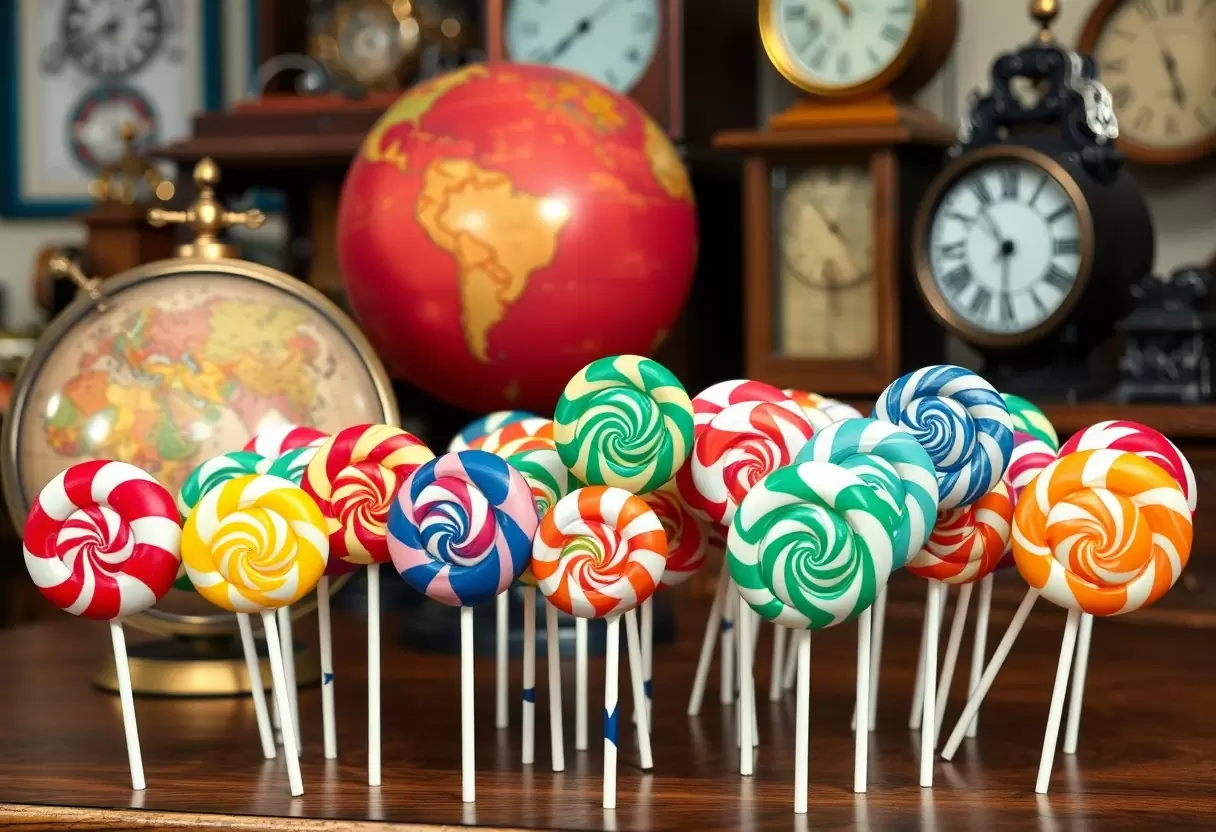
With each lick of a lollipop, you initiate on a journey that transcends time and cultural boundaries. This delightful confection, enjoyed by people of all ages, carries fascinating stories that span centuries and continents. From ancient recipes to modern variations, your exploration will reveal how lollipops have evolved and adapted, reflecting the societal values and innovations of their times. Join us as we explore into the sweet history of lollipops, uncovering the rich tapestry woven from diverse traditions and unique flavor profiles that shape your favorite treat today.
Sweet Origins: Tracing the History of Lollipops
Ancient Treats: The First Forays into Candy
Your fascination with lollipops may have surfaced in childhood, but their roots stretch back to ancient civilizations where sweet confections were crafted in primitive forms. The earliest candies were often derived from natural ingredients like honey, fruits, and nuts. The Sumerians around 2000 BCE are known to have mixed honey and nuts, creating simple yet delightful treats that were likely consumed during celebrations. The Egyptians also incorporated honey into their diet, molding it into shapes that resembled fruits and animals. These early confections were more than simple snacks; they were often revered as offerings for deities or used in social ceremonies.
Fast forward to the Chinese during the Tang Dynasty (618-907 AD), and you find the first documented use of boiled sugar as a candy. They created a delightful syrup, which they then allowed to cool and harden into forms resembling the lollipops we know today. This innovation set a precedent for how you experience candy culture worldwide. The integration of sweet treats into social customs and rituals hints at the universal joy that candy brings, an experience that transcends time and geography.
European Influence: The Transformation in the Middle Ages
The evolution of lollipops took a significant turn during the Middle Ages, particularly in Europe. With the introduction of sugar from the Middle East via trade routes, confectionery began to flourish in ways previously unimagined. You might picture the first European candies being developed as labor-intensive creations; candymakers, often working in large shops, would create elaborate, shaped treats. Sugar was commonly combined with spices and flavorings, offering a flavor palette far more diverse than what had existed before. The popularity of these sweet confections among European royalty and nobility set the stage for a burgeoning candy culture that was both extravagant and highly sought after.
This period marked the beginning of the lollipop as we know it. By the 1700s, the craft of candy-making had been refined, allowing artisans to create hard candies on a stick, similar to modern lollipops. As you explore this fascinating transformation, it becomes clear that lollipops were more than mere treats; they were a status symbol that reflected one’s wealth and social standing, further embedding candy within the fabric of European culture.
Cultural Significance: Lollipops Around the Globe
Traditional Treats: Unique Variations Across Continents
Each continent boasts its own unique spin on the classic lollipop. In Europe, particularly in Spain, you can find “piruletas,” which are often made with flavorful fruit juices and then molded into whimsical shapes. Asian cultures have embraced their lollipop variations, too, such as “yōkan” from Japan. This traditional sweet consists of red bean paste formed into blocks, often served on a stick for easy handling. The diverse range of ingredients and techniques showcases how different cultures adapt the familiar concept of a lollipop, blending it with local tastes and traditions.
In Mexico, you might come across “paletas,” which are not exactly lollipops but share similarities in their form and enjoyment. These frozen treats are often packed with fresh fruit or flavors like tamarind, creating a refreshing twist that suits the warm climate. In contrast, the Middle East offers “saffron lollipops,” a luxurious treat made with one of the world’s most expensive spices. Each culture adds its flair, resulting in a global tapestry of flavors and textures that has made the lollipop a beloved sweet worldwide.
Symbolism and Celebration: Lollipops in Cultural Rituals
Lollipops have transcended mere treats, taking on symbolic meanings across various cultures. For instance, in Brazil, lollipops are frequently given during children’s birthdays, signifying joy and the sweetness of youth. Similarly, in the Philippines, vibrant lollipops are often included in festive gatherings such as Christmas celebrations, where the colorful candies represent merriment and togetherness. Celebratory traditions involving lollipops highlight the essence of sharing joy and creating cherished memories.
This symbolism extends beyond mere festivity. Lollipops can represent the innocence of childhood, making them a common element in events like graduations or rites of passage. In some cultures, specific colors or flavors of lollipops may correspond to different meanings, adding layers to their presence in social gatherings. A bright red lollipop might signify love, while a green one could represent prosperity. Understanding these connections enhances your appreciation of lollipops not just as sugary delights, but as integral parts of cultural expressions and celebrations.
The Science of Sweets: What Makes Lollipops Tick
The Chemistry Behind Candy Formation
Understanding the chemistry behind candy formation unveils the magic that turns simple ingredients into delightful lollipops. The core of candy-making involves sugar, which can exist in various forms—sucrose, glucose, and fructose, each contributing unique characteristics to the final product. As you heat sugar, the process undergoes caramelization, where the sugar molecules rearrange and develop complex flavors and a rich amber color. To achieve that glossy finish and desired texture, different ratios of sugar and water are combined, and sometimes acids or cream of tartar are incorporated to enhance the stabilizing properties of the candy.
The temperature at which you boil the sugar mixture significantly influences the texture of your lollipop. It can range from soft and chewy to hard and brittle, depending on the degree of crystallization. For instance, reaching the hard crack stage at around 300°F will yield a sturdy treat that holds its shape for longer periods, while the soft ball stage (around 240°F) creates a more chewy consistency. This careful manipulation of heat and ingredients showcases the fascinating intersection of science and artistry in candy-making.
Flavor Profiles and Innovations: From Classic to Contemporary
Flavor innovation plays a significant role in the lollipop landscape, evolving from classic favorites like cherry and watermelon to contemporary concoctions that intrigue the palate. One of the most celebrated transformations is the incorporation of natural flavorings, allowing creators to develop unique taste profiles using fruit essences, herbs, and spices. Your taste buds can now explore adventurous combinations such as matcha green tea, lavender, and spicy mango, demonstrating that lollipops are not merely child’s play but a canvas for culinary experimentation.
The advancements in food science, alongside a growing trend toward artisanal creations, have resulted in lollipops infused with unexpected ingredients. Gourmet brands now use ingredients like sea salt, chili, and even alcohol-based flavorings to captivate adult audiences. For instance, a lollipop infused with bourbon and caramel sees an age-old candy reimagined for a sophisticated adult experience. This evolution means that every time you indulge in a lollipop, you’re participating in a tradition that is both rich in history and rich in modern innovation.
Modern Trends: The Lollipop in Contemporary Society
Creative Flavors and Artisan Approaches
Consumer demand for unique taste experiences has led to an explosion of creative flavors in the lollipop market. You might find gourmet versions featuring unexpected combinations like lavender-honey or chili-mango that tantalize your taste buds in completely new ways. Artisan crafters often experiment with local ingredients, reflecting regional flavors that resonate with their community. For instance, lollipops infused with craft beer or small-batch whiskey have become popular among adults seeking sophisticated treats, bridging the gap between childhood nostalgia and sophisticated adult palate.
This rise of artisan lollipops goes beyond flavor; the production methods often emphasize quality over quantity. You could discover lollies hand-made in small batches, using natural colors and flavors, which intensifies the experience. Brands like “Sugarfina” craft stunning aesthetic creations, incorporating visually appealing designs that appeal to social media users. The result? Not just a sweet treat, but an experience that captures the modern consumer’s desire for authenticity and artistic expression.
Health-Conscious Alternatives: Balancing Indulgence and Wellness
The modern health movement has influenced even the sweetest of treats. Lollipops are no longer just sugar-laden joys; many brands are shifting towards health-conscious alternatives that cater to your wellness goals. You may find lollipops sweetened with natural sugars like stevia or monk fruit, providing a guilt-free indulgence that satisfies your sweet cravings without the refined sugar rush. Some companies even offer sugar-free options that utilize plant-based ingredients, allowing you to enjoy a treat while monitoring your caloric intake.
Another trend focuses on functionality, incorporating superfoods and vitamins into the mix. Imagine enjoying a tasty lollipop that not only satisfies your sweet tooth but also contains antioxidants from matcha or vitamin C from real fruit extracts. These innovations show that lollipops can still be delightful while aligning with your health-conscious lifestyle, ensuring you enjoy treats without compromising on wellness.
In this evolving landscape, many consumers are turning to homemade lollipop recipes, allowing for complete control over ingredients and flavors. DIY kits are gaining popularity as they provide an avenue for you to craft your personalized treats with wholesome ingredients. Whether it’s using organic fruit purees or experimenting with herbal infusions, the creative possibilities are endless. The shift toward health-conscious alternatives signifies more than just a trend; it reflects a broader societal transition towards mindful eating, enabling indulgence without the associated guilt.
Beyond Candy: Lollipops in Popular Culture
Iconic Appearances in Media and Advertising
Lollipops have made a significant impact on media and advertising, often serving as a powerful symbol that transcends mere sugar. From the enchanting visuals of old movies to contemporary television shows, these colorful treats have become synonymous with childhood joy and innocence. For example, consider the character Charlie from “Charlie and the Chocolate Factory,” whose longing for a golden ticket and a chance to experience Willy Wonka’s whimsical world effectively communicates the magical allure of candy, particularly lollipops. Advertisers skillfully utilize this candy in various campaigns, aiming to evoke feelings of nostalgia and happiness in an audience that spans across ages.
You might recall classic commercials, like those from Tootsie Pop, which cleverly ask, “How many licks does it take to get to the center of a Tootsie Pop?” The catchy phrase and the adorable animated owl helped cement this lollipop’s place in pop culture, making it an unforgettable marker of childhood curiosity and the quest for sweetness. These appearances not only enhance brand recognition but also showcase the lollipop’s ability to connect with audiences through shared experiences and fond memories.
Symbol of Nostalgia: How Lollipops Connect Generations
Lollipops act as a cultural bridge, linking different generations through shared experiences and memories of simpler times. The sight and taste of a lollipop often evoke feelings of nostalgia; many adults fondly recall receiving lollipops as treats during childhood outings, such as trips to the movies or visits to the local candy store. In essence, when you enjoy a lollipop today, it might remind you of the carefree days spent alongside friends or family, creating a direct line back to those cherished moments. You can almost hear the laughter and excitement that accompanied those sugary delights, reinforcing the emotional connection between candy and comfort.
This link between generations extends beyond personal nostalgia. Lollipops often serve as a metaphor in literature and film, representing the idea of childhood innocence and the joy that comes with simple pleasures. Today’s parents are likely to buy their children lollipops, perpetuating the tradition and engaging in a ritual that both reassures and delights. This cycle of enjoying lollipops fosters a commonality in experience, allowing you to bond over these treats while simultaneously imparting cherished values and memories to the younger generation.
Final Words
On the whole, your journey through ‘Lollipop Adventures Through Time and Culture’ has offered a fascinating glimpse into the rich tapestry of human history and the diverse cultural practices surrounding the beloved treat. As you have discovered, lollipops are not merely confections; they embody the evolution of societal tastes, technological advancements, and even social change. By exploring the various traditions associated with lollipops around the world, you have deepened your understanding of how these sweet delights can unite people across different eras and backgrounds.
Moreover, as you explore into how lollipops have transcended time and culture, you can appreciate the broader implications of cultural exchange and the significance of culinary traditions in shaping identity. This exploration not only enhances your appreciation for this simple candy but also invites you to reflect on how similar sweet or savory delights serve as cultural touchstones in your own life. As you continue to explore the myriad flavors and stories of lollipops, allow it to inspire your own adventures in culinary exploration and cultural understanding.


