Mastering Macarons – Tips for Achieving the Perfect Texture
Macarons are a delightful French pastry that, when made correctly, can melt in your mouth with a perfectly crisp shell and a chewy interior. To help you elevate

This article contains Amazon affiliate links. As an Amazon Associate, CandiesAndSweets earns from qualifying purchases.
Macarons are a delightful French pastry that, when made correctly, can melt in your mouth with a perfectly crisp shell and a chewy interior. To help you elevate your baking game, this post will guide you through important tips to achieve that elusive perfect texture. By understanding the importance of ingredient ratios, mixing techniques, and proper baking times, you can transform your macarons from a kitchen experiment into a show-stopping dessert. Get ready to impress your friends and family with your newfound mastery of macarons!
Understanding Macaron Basics
While exploring into the art of making macarons, it’s necessary to grasp their fundamentals. This delicate French pastry has garnered immense popularity, not just for its vibrant colors, but also for its unique texture and flavors. Macarons are made from almond flour, egg whites, and sugar, forming a light and airy shell that cradles various delectable fillings. Their elegant appearance and delightful chew make them a favorite among pastry enthusiasts and connoisseurs alike.
What are Macarons?
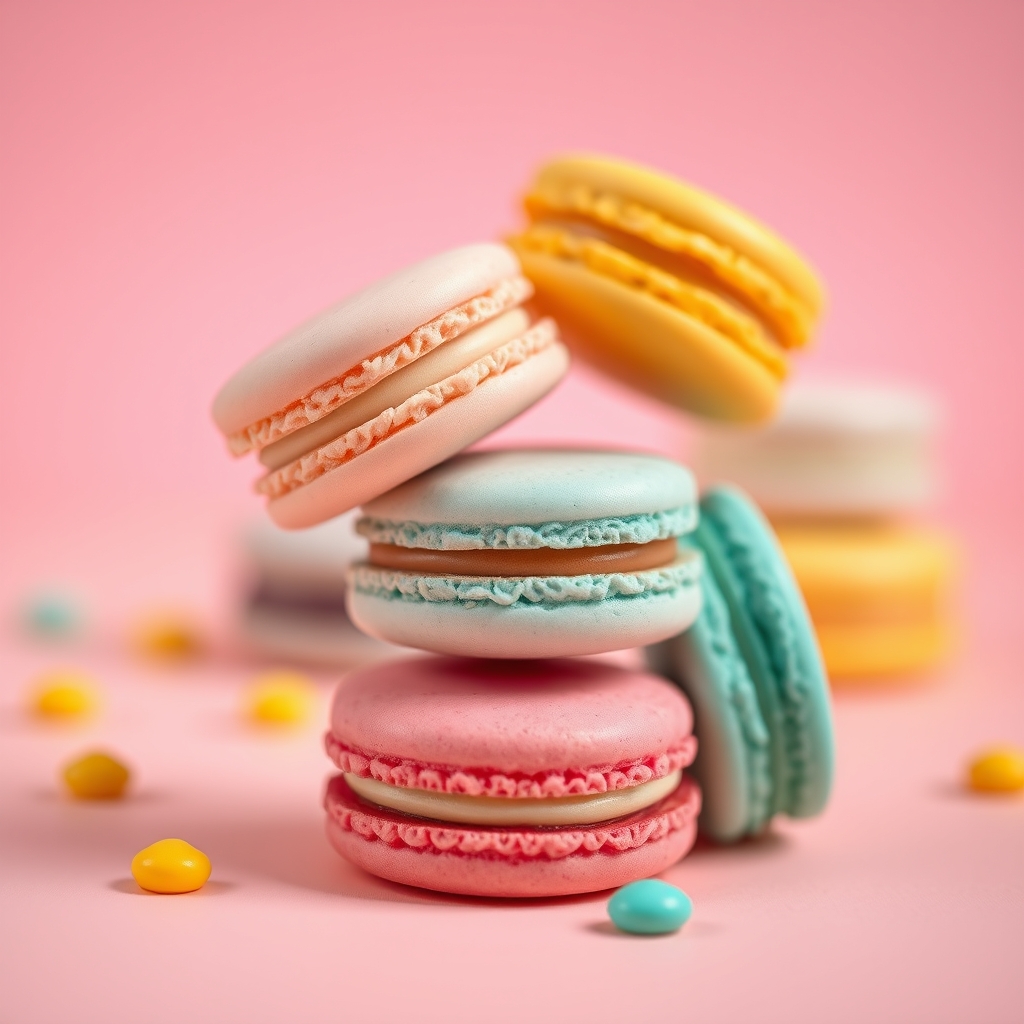
Against the backdrop of pastry history, macarons stand out as a sophisticated treat. These delightful confections consist of two meringue-based cookies that sandwich a layer of filling, whether it be ganache, buttercream, or jam. Each macaron showcases a smooth, crisp outer shell with a soft and chewy interior, creating a delightful contrast that tantalizes your taste buds.
Key Ingredients
With macarons, the ingredients you choose will significantly impact the final outcome. The foundational components include almond flour, powdered sugar, egg whites, and granulated sugar. Almond flour gives macarons their signature nutty flavor and unique texture, while powdered sugar ensures the mixture achieves the desired consistency during mixing. Egg whites, when whipped to the right stage, provide the necessary volume and stability needed for the meringue, resulting in the perfect shell.
This combination of ingredients is not only important for flavor but also for the chemical reactions that occur during baking. Each element plays a role in forming the macaron’s structure: the almond flour adds moisture, powdered sugar contributes sweetness and texture, and the whipped egg whites create the necessary lift to form those iconic feet— the ruffled edges that make macarons visually appealing.
The Science of Macaron Structure
Structure is integral to achieving the right texture and appearance in your macarons. Understanding the interactions between the ingredients is key to mastering the art of macaron-making. When you whip egg whites, you are incorporating air, which forms a stable foam. This foam serves as the base for your shells, creating the lift needed for that characteristic delicate bite. The careful folding of almond flour and powdered sugar into your meringue is also vital, as it ensures even distribution and prevents overmixing, which can lead to flat, undesired results.
Plus, the macaron aging process further plays a role in enhancing their structure and flavor. Once filled, allowing your macarons to rest in the refrigerator for 24 hours can work wonders. This maturation period allows the flavors to meld and the moisture from the filling to penetrate the shell, resulting in a harmonious blend of textures and tastes that elevates your macaron experience.
Preparing for Success
It’s crucial to lay a solid foundation before submerging into the delicate art of macaron-making. Each step, from equipment selection to ingredient preparation, plays a vital role in achieving that perfect texture you’re aspiring for. Proper preparation not only increases your chances of success but also allows you to focus on the creative process without unnecessary distractions. With that in mind, let’s explore some key aspects of preparing for the macaron journey ahead.
Essential Tools and Equipment
Any chef will tell you that having the right tools can make or break your baking experience. For macarons, you’ll need a kitchen scale, fine mesh sieve, rubber spatula, and a piping bag fitted with a round tip to achieve consistent sizing. An oven thermometer is also beneficial, as oven temperatures can vary dramatically from one unit to another, which can greatly affect how your macarons bake.
Additionally, investing in high-quality silicone baking mats or parchment paper will help prevent your macarons from sticking. It’s also recommended to use a food processor to achieve a finely ground almond flour, as this contributes to the smooth texture you desire. By gathering these crucial tools before you start, you can ensure a smoother baking experience.
Choosing the Right Ingredients
Beside having the right tools, the quality of your ingredients plays an equally important role in the final result of your macarons. Use fresh almond flour as it can significantly influence the texture and flavor of your macaron shells. Opt for powdered sugar instead of granulated sugar, as the finer consistency will help create a smoother batter. Also, pay attention to the freshness of your egg whites; aged egg whites work best as they whip up to a better volume and are less prone to collapsing.
Essential to your macaron success is the quality of flavorings and colors you choose. Use pure vanilla extract or almond extract for natural flavors, and consider gel food coloring over liquid for a more intense and vivid hue. The right combination of ingredients will not only affect the taste but can also alter the macaron’s texture, so stick to tried-and-true recipes as you experiment.
Measuring with Precision
Tools like a digital kitchen scale are your best friends when it comes to measuring ingredients accurately. For macarons, being precise is vital. Every gram can alter the texture of your batter, leading to inconsistent results. Make sure to tare your scale for each ingredient, including bowls or containers, to ensure you are measuring only the ingredients themselves.
Considering that macarons are notorious for being finicky, it’s imperative that you take the time to measure each component accurately. This means not just eyeballing ingredients, which can lead to miscalculations. Pay close attention to instructions concerning sieving and folding, as these techniques can further alter the final outcome. The ratio of your dry to wet ingredients should be kept consistent to achieve that perfect chewy macaron texture.
The Macaronage Technique
After you have prepared your meringue and almond flour mixture, it’s time to bring them together through the macaronage technique. This step is vital in achieving the perfect consistency for your macarons. The macaronage process involves folding the ingredients together gently but thoroughly, to create a smooth and glossy batter that will hold its shape. However, the way you perform this technique can significantly affect the outcome of your macarons, making it important to master.
The Importance of Proper Folding
Around this point in your baking journey, you may be wondering why proper folding matters so much. When you fold the meringue into the dry ingredients, you are not just combining them; you are also incorporating air into the mixture. This air is what ultimately gives your macarons their lovely height and texture. If you fold too aggressively, you can deflate the meringue, leading to flat and dense cookies. Conversely, if you don’t fold enough, your mixture will remain lumpy and dry, which can result in cracked shells.
The Right Consistency: Signs to Look For
Before you consider your batter ready for piping, pay close attention to its consistency. A well-mixed macaron batter should flow smoothly off the spatula in a thick ribbon, without leaving any peaks. This sign indicates that your batter is properly combined and has the right amount of air to create that sought-after texture. If it holds stiff peaks, you will need to give it a few more folds; if it’s too runny and pours like water, you’ve overmixed it and should start over.
Also, you should observe the batter as you mix; once it becomes shiny and slightly thick, you are getting closer to the ideal consistency. To test, take a small amount of batter on your spatula and let it drip back into the bowl. If it takes about 10-15 seconds to disappear back into the mixture, you’ve achieved the right consistency for piping your macarons. Trust your instincts and make adjustments as necessary.
Avoiding Common Mistakes
Against the backdrop of this intricate technique, several common mistakes can derail your efforts. One pitfall occurs when you fold the batter too quickly, which may lead to uneven distribution of air. This results in unevenly shaped macarons or shells that lack the characteristic ‘foot’ on the bottom. Additionally, not using a proper mixing bowl – one that is too small or too shallow – can inhibit your folding technique and lead to disaster.
A good practice is to use a wider bowl while mixing and to create a figure-eight motion with your spatula when folding. This ensures that you are thoroughly combining the ingredients while maintaining air within the batter. Furthermore, be cautious of the temperature and humidity in your kitchen, as both can impact the consistency of your batter. Adjust your techniques accordingly to avoid these common pitfalls.
Piping Perfect Macarons
Once again, achieving the perfect macaron shell comes down to technique, and piping is a fundamental part of the process. The way you pipe your batter can significantly impact the overall appearance and texture of your macarons. This is where the right tools and a steady hand come into play, ensuring you create consistently beautiful shells.
Piping Bags and Tips
The choice of piping bag and tips is imperative for precise control. A disposable piping bag works well for ease of use, while a reusable silicone bag is more environmentally friendly. For piping macarons, a round tip with a diameter of around 1/4 inch is typically ideal, allowing you to control the flow of the batter effectively.
- Ensure your piping bag is filled about halfway to make it easier to manage.
- Twist the bag to prevent the batter from spilling out the top.
- Hold the bag at a 90-degree angle to the baking sheet for the best results.
- Inhale deeply to maintain a steady hand and output.
Assume that practice makes perfect as you refine your piping technique and find what feels most comfortable for you.
Techniques for Smooth and Even Shells
Any macaron enthusiast knows that achieving smooth and even shells is imperative for that restaurant-quality finish. To do this, you want to ensure a consistent batter consistency, which often means mixing it just enough until it can form a figure-eight without breaking. Once your batter is ready, let it rest for about 10-30 minutes after piping to form a skin, which will aid in creating that lovely smooth finish.
Shells are highly sensitive to environmental conditions, and factors like humidity can affect your final product. Before piping, ensure your baking trays are clean and dry, as leftover residue can disrupt the surface. Also, lining your trays with parchment paper will help prevent sticking while giving you a flat surface for your shells.
Achieving the Right Size and Shape
Tips for achieving the right size and shape come down to familiarity with your piping technique. Visualize the desired shape and size before you start piping each dollop of batter. A common practice is to use a template underneath your parchment paper that shows the ideal macaron size you want to create, allowing for consistent results across all your macarons.
Due to the tendency of macarons to spread, it’s imperative to control your hand movement while piping. Practice keeping an even pressure as you pipe outward from the center of the desired circle. This method not only helps in managing the size but also guides the batter to naturally fill in the edges and create that perfectly rounded macaron shell.
Baking Macarons
Unlike many other baked goods, macarons require a delicate approach during the baking process to achieve their signature texture and characteristics. A few key elements can make a huge difference in your results, especially when it comes to oven preparation and temperature settings. Proper heat distribution is important; an uneven oven can lead to lopsided shells or insufficient drying, compromising the integrity of your macarons.
Oven Preparation and Temperature Settings
Essential Considerations for Baking
| Factor | Recommendation |
|---|---|
| Oven Type | Use a fan-assisted (convection) oven for even air circulation. |
| Temperature | Preheat your oven to 300°F (150°C) for optimal baking. |
| Oven Thermometer | Utilize an oven thermometer to ensure accurate temperature readings. |
| Baking Sheets | Use sturdy baking sheets to prevent warping during high heat. |
The importance of correctly preheating your oven cannot be overstated. If the temperature isn’t sufficiently high before you place your macarons inside, they may not develop the important “feet,” leading to aesthetically unpleasing and improperly cooked cookies. You should also allow your macarons to bake without opening the oven door unnecessarily, as this can disrupt the heat and affect baking consistency.
The Importance of Resting Time
Against common misconceptions, the process of making macarons does not end with piping the batter; resting time plays a significant role in the success of your macarons. This period allows the top layer of the batter to dry out slightly, forming a crust that is vital for achieving the characteristic smooth, shiny shell. Without this resting phase, your macarons are likely to crack during baking, ruining their appearance and texture.
Another important aspect to consider is that resting time can vary based on your kitchen’s humidity levels. In a more humid environment, you may find it necessary to let your macarons rest for a longer period to prevent moisture from seeping in and ruining the shells. It is generally a good practice to let your macarons sit for about 30-60 minutes before baking, keeping an eye on the surface for that slight sheen indicating readiness.
Recognizing Perfectly Baked Macarons
Preparation is important when it comes to determining if your macarons are perfectly baked. You want to look for those distinctive feet, a smooth surface, and a slight lift when you tap the baking sheet. Baked macarons should easily release from the parchment paper after cooling, which indicates they are done. A properly baked macaron should have a chewy texture inside and a crisp shell outside, creating that delightful contrast that macarons are known for.
With practice, recognizing the subtle cues of perfectly baked macarons will become an intuitive process. Taking time to observe and adjust your baking may significantly improve your results. Be attentive to the color and texture during baking, and don’t hesitate to make slight modifications based on your observations for the best outcome.
Filling and Storing Macarons
Many aspiring bakers find that the filling and storage of macarons can significantly affect their overall quality and taste. Once you’ve spent time mastering the perfect shells, choosing the right filling can elevate your macarons to new heights. The right filling not only complements the flavor of the shells but also contributes to the texture and experience of the macaron itself.
Popular Filling Options
Along with classic buttercream, an array of delectable fillings can transform your macarons. Some popular options include ganache, which can be tailored with various chocolate types and flavors, as well as fruit preserves that add a refreshing twist. You might also explore cream cheese fillings or even flavored whipped creams for lighter textures, ensuring that each bite of your macaron is as delightful as the last.
Consider even incorporating unique taste combinations to surprise your palate. Flavors like pistachio, salted caramel, and even seasonal specialties like pumpkin spice or peppermint can offer not just a burst of flavor, but also make your macarons visually appealing. Be sure to balance the filling’s sweetness with the shells for a harmonious treat.
Assembling Your Macarons
On the day you assemble your macarons, precision is key to achieving a polished final product. Start by carefully matching up the shell pairs, choosing ones that are similar in size and shape for uniformity. Once you have your pairs, use a piping bag to apply your filling evenly on the flat side of one shell. Aim for a small dollop that will spread slightly when you press the other shell on top. This not only enhances the aesthetic but also ensures each macaron is generously filled.
Due to the delicate nature of macarons, take care when pressing the shells together to avoid cracking. A gentle but firm touch will suffice to create that perfect texture where the filling is just right, oozing slightly from the sides without being overly messy. After assembling, a little resting time can help the flavors to meld and develop, leading to an even tastier treat.
Proper Storage Techniques
Filling your macarons with delicious fillings is just one part of the process; proper storage is vital for maintaining their texture and flavor. Macarons are best enjoyed fresh, but if you need to store them, it’s important to keep them in an airtight container to prevent them from drying out. You may also want to separate layers of macarons with parchment paper to avoid any sticking or damage to their delicate shells.
To maximize freshness, store your filled macarons in the refrigerator, where they can last for several days. Alternatively, if you want to keep them longer, consider freezing them. Macarons freeze well, and you can thaw them gently in the refrigerator before serving. This method ensures that your macarons remain perfect for special occasions or simply for savoring at your leisure.
Troubleshooting Common Issues
Not every attempt at making macarons is a success, and that’s perfectly okay! The journey to mastering these delicate treats often includes learning from mistakes. Understanding common problems and their solutions will empower you to create beautiful, delicious macarons every time.
Cracked Shells
With macarons, cracked shells can be one of the most frustrating issues you might encounter. This problem often arises from overmixing your batter or baking at too high a temperature. When the batter is too runny, it can lead to a lack of structure, causing the shells to crack during baking. To avoid this issue, ensure you achieve the right consistency when mixing your meringue and almond flour. Additionally, always bake your macarons at the temperature specified in your recipe, and consider using an oven thermometer to check for accuracy.
Another factor that can contribute to cracked shells is humidity. If you’re in a particularly humid environment, the additional moisture in the air can affect your meringue stability. Using a dehumidifier or choosing to bake on drier days can help. Therefore, the key to combating cracked shells lies in careful mixing, temperature control, and paying attention to your environment.
Hollow Centers
By contrast, hollow centers in your macarons can be a sign of under-mixing or baking at too low a temperature. Under-mixing causes your batter to lack the cohesive structure needed to support the macaron shells as they rise in the oven, resulting in that undesirable hollow space. Strive for a smooth, glossy batter that flows off your spatula in a thick ribbon. Don’t be afraid to incorporate a little extra mixing if your batter seems too thick.
The baking temperature is equally necessary when it comes to avoiding hollow centers. If your oven is set too low, the shells may not rise sufficiently during the initial baking period, leading to cavities in the middle. Aim to maintain a steady temperature according to your recipe, and consider adjusting as needed after some trial and error.
Uneven Feet
Centers of uneven feet on your macarons can give them an unappealing appearance. Improperly piped batter is often to blame, and it’s necessary that you apply consistent pressure while piping to avoid this issue. Practice makes perfect; if your piping technique isn’t uniform, use a template under your parchment paper to guide your shapes.
Another aspect to consider is the baking process itself. If your macarons aren’t sitting properly on the baking sheet or are too crowded, this can prevent them from rising evenly. Ensure you leave adequate space between your piped shells, allowing air to flow evenly while they bake for optimal foot development.
To wrap up
Drawing together the various techniques and tips for mastering macarons, you should focus on the details that contribute to achieving that perfect texture. From the precision of measuring your ingredients to the art of folding the meringue, each step plays a significant role in the final outcome. Make it a priority to practice your piping skills, as uniformity not only enhances the aesthetic but also ensures consistent baking. Don’t overlook the resting period either; allowing your macarons to develop a skin can help achieve that signature crisp exterior combined with a chewy interior.
As you begin on your macaron-making journey, personal experimentation will lead you to discover what works best for you and your kitchen environment. Maintain an open mind toward troubleshooting, refining your technique with each batch. By understanding the science behind the ingredients and processes, you can confidently create macarons that are not only visually appealing but also deliver on texture. Before long, you’ll be able to impress friends and family alike with your delightful creations, making every bake a step closer to perfection.


