Middle Eastern Dessert Influences Create New Candy Categories in International Markets
Most people are now discovering how Middle Eastern desserts are reshaping global candy trends. You may find that traditional treats like baklava and halva are i

This article contains Amazon affiliate links. As an Amazon Associate, CandiesAndSweets earns from qualifying purchases.
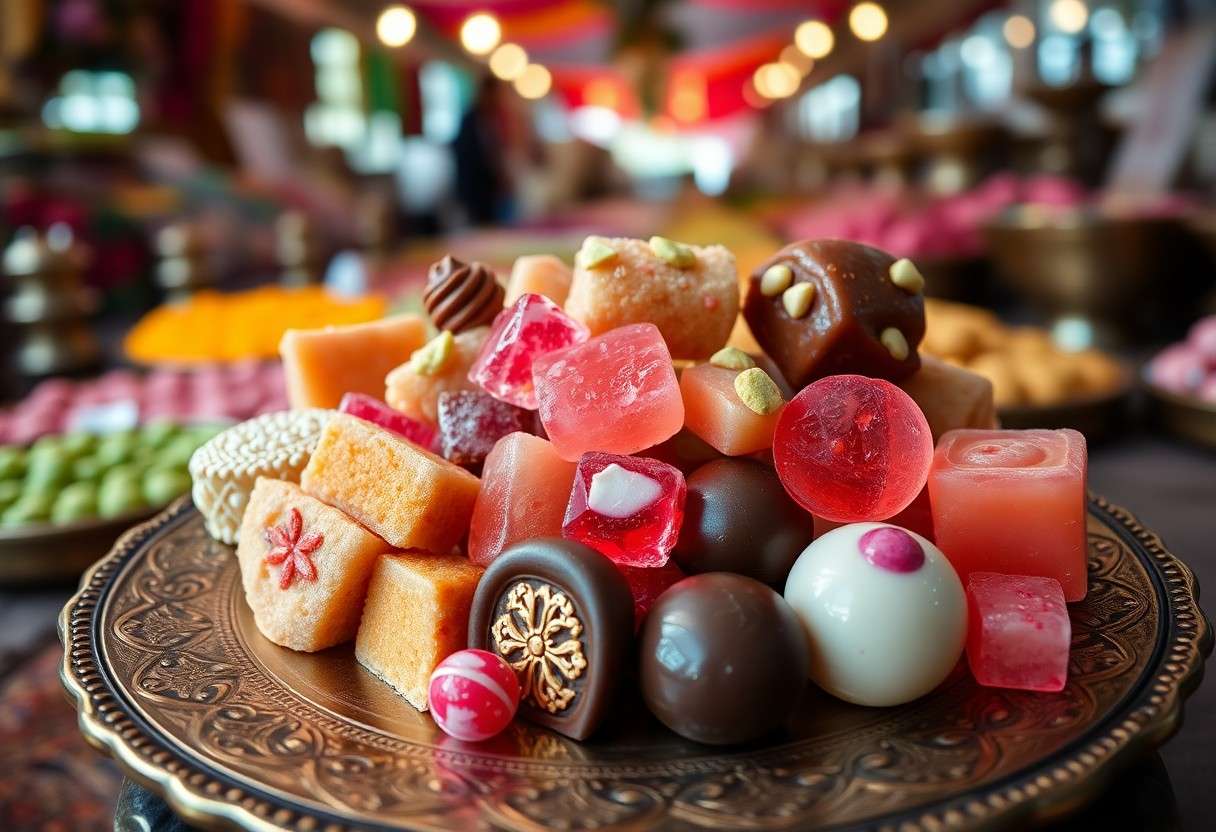
Most people are now discovering how Middle Eastern desserts are reshaping global candy trends. You may find that traditional treats like baklava and halva are inspiring innovative confections worldwide. These influences not only introduce unique flavors but also create entirely new categories of candy that appeal to diverse palates. As these sweets gain popularity, your taste buds can experience a fusion of cultural culinary art that elevates international markets.
Historical Context of Middle Eastern Desserts
Traditional Ingredients and Techniques
Middle Eastern desserts often rely on a unique set of ingredients, with staples like dates, honey, nuts, and spices defining their flavor profiles. For instance, you might come across halva, which features tahini (ground sesame seeds) melded with sugar, juxtaposed with pistachios for texture. Techniques like slow-cooking syrup to achieve the right consistency for baklava or layering phyllo dough require precision and skill that has been passed down through generations. The use of crucial spices such as cardamom and cinnamon not only elevates these treats but also reflects the region’s rich trade history, where such flavors were highly sought after.
Your understanding of these desserts deepens when you see how traditional techniques, like using wood-fired ovens for baking, add distinctive flavors unattainable through modern methods. Many dessert-making processes are ritualistic, often involving family gatherings and celebrations, which reinforces the communal aspect of these culinary practices. As you explore different desserts, you’ll notice that they often blend influences from various cultures that have inhabited or traded within the region, showcasing an evolving culinary heritage.
Cultural Significance in the Region
Cultural significance permeates every layer of Middle Eastern desserts, often serving as integral elements in religious and social celebrations. During Ramadan, for instance, sweets play a vital role in breaking the fast, with desserts like qatayef (stuffed pancakes) becoming a staple on iftar tables. Weddings and holidays often feature extravagant displays of desserts, symbolizing prosperity and generosity. You engage with these sweets not merely as food, but as a means of bonding with family and friends, with each recipe often reflecting personal or familial histories.
Each dessert carries its story, embodying traditions and local ingredients reflective of the community’s identity. For example, the introduction of saffron or rosewater in sweets highlights regional agricultural practices and the importance of local produce. As you appreciate these desserts, you’ll find that they serve as more than just culinary delights; they embody the richness of Middle Eastern culture and its enduring legacy, connecting generations through their timeless appeal.
Emergence of New Candy Categories
Fusion of Flavors and Styles
Your taste buds can begin on a remarkable journey as confectioners blend traditional Middle Eastern flavors with contemporary candy creations. Take, for instance, the fusion of saffron and pistachio in chocolate truffles, where the aromatic qualities of these ingredients reinvent a classic dessert. Similarly, baklava-inspired donuts have surfaced in artisanal bakeries, seamlessly merging the flaky pastry’s essence with a soft, chewy base, catering to both trend enthusiasts and traditionalists. This fusion not only caters to diverse palates but also invites creativity, allowing candy makers to experiment with combinations that were once considered unconventional.
International markets are eagerly embracing these sugar-laden innovations. Noteworthy examples include rose-flavored gummy candies and Turkish delight infused chocolates, which showcase a remarkable metamorphosis of flavors. This eclectic approach not only enhances the sensory experience, it also taps into a growing nostalgia for evocative tastes and childhood memories related to Middle Eastern culture, inviting new audiences to explore unfamiliar yet enticing flavors, enticing your curiosity to try something different.
Market Demand and Consumer Trends
The demand for unique flavor profiles in the candy market has reached heightened levels, largely fueled by Millennials and Gen Z consumers seeking authenticity and novel experiences. According to a recent food market report, 67% of respondents expressed a desire to try new flavors that reflect ethnic and regional influences. This trend plays to the strengths of Middle Eastern confectionery, which is rooted in a rich heritage while also appealing to adventurous consumers.
As shops and online retailers increasingly stock Middle Eastern-inspired candies, your shopping habits reflect this desire for exotic options. Popular options like pistachio crunch bars and date caramel chews not only tantalize your taste buds but also provide a glimpse into a culture’s history. Social media plays an instrumental role in this phenomenon, with hashtags revolving around Middle Eastern sweets garnering millions of views, showcasing how your peers are celebrating and sharing these flavors. This ongoing exchange continues to energize the international candy scene.
In 2022 alone, the market for ethnic confectionery saw a 15% increase, indicating that you’re not alone in your quest for novelty and complexity in candy choices. Flavors like cardamom, tahini, and pomegranate are rapidly gaining traction, finding their way into mainstream products and capturing your attention as you navigate the aisles of both local shops and global markets. As consumer interest evolves, manufacturers are responding by broadening their offerings, indicating a long-term shift towards and investment in these unique candy categories.
Global Reception of Middle Eastern Sweets
Adaptation in Western Markets
Western markets have increasingly embraced Middle Eastern sweets, integrating them into the broader confectionery landscape. With trends shifting towards diverse flavor profiles, consumers are more open to trying exotic ingredients like rosewater, pistachios, and dates. Bakeries and candy stores are capitalizing on this trend, often incorporating Middle Eastern elements into familiar Western treats, resulting in products that appeal to broader palates while still honoring their origins.
Retailers have introduced variations of traditional desserts, such as baklava bites and halva bars, which cater to both adventurous and health-conscious consumers. The use of natural sweeteners and the increasing popularity of vegan options play a significant role in attracting a wider audience. You can find these adaptations not only in specialized Middle Eastern shops but also in upscale grocery stores and mainstream chains, reflecting a substantial acceptance and demand for these flavors.
Case Studies of Success
Several brands have thrived by introducing Middle Eastern desserts into the international market, showcasing significant growth and consumer interest. One notable example is the brand ‘Saffron & Rose,’ which reported a 150% increase in sales after launching a line of Persian ice creams infused with saffron and cardamom, tapping into the growing trend for authentic global flavors. This spike in popularity underscores how well-conceived adaptations of traditional desserts can resonate with consumers.
In another case, ‘Baked by Melissa’ expanded its cupcake offerings to include flavors inspired by Middle Eastern desserts, such as baklava and kanafeh. This innovation led to a 40% uptick in customer engagement and a broader demographics reach. Furthermore, ‘Pistachio Street,’ a startup focusing on pistachio-based treats, achieved a successful crowdfunding campaign, raising $200,000 ahead of schedule, highlighting the appetite for such products within international markets.
- Saffron & Rose: 150% increase in sales after launching Persian ice creams.
- Baked by Melissa: 40% increase in customer engagement from Middle Eastern-inspired cupcakes.
- Pistachio Street: Raised $200,000 in crowdfunding, surpassing their goal.
- Bread Ahead Bakery: Introduced baklava-inspired pastries, leading to a 30% sales increase within six months.
- Shirin Bakery: Expanded regional distribution, growing its customer base by 75% since 2021 with innovative dessert options.
The success of these case studies reflects a growing trend, where established brands and new startups alike are finding creative ways to incorporate Middle Eastern flavors and styles into their offerings. As consumer interest in global cuisine continues to rise, the potential for Middle Eastern desserts to carve out a significant niche in the international candy market is substantial. Embracing cultural heritage while appealing to contemporary tastes allows these businesses to thrive and expand their reach effectively.
Key Players in the Market
Artisanal Producers
Artisanal producers play a significant role in bringing traditional Middle Eastern desserts to a global audience. These small-scale, often family-owned businesses emphasize quality and authenticity in their offerings, using age-old recipes passed down through generations. You might find artisans creating handmade baklava or maamoul, each piece crafted with attention to detail and premium ingredients. This commitment to traditional methods helps preserve the rich culinary heritage of the region while catering to niche markets seeking genuine experiences.
Many artisanal producers also experiment with modern flavors and presentation styles, blending global trends with their cultural roots. In upscale markets, you may discover saffron-infused chocolates or date-based confections adorned with contemporary designs. Such innovations not only attract a diverse customer base but also highlight the versatility of Middle Eastern desserts, showcasing how they can integrate into broader dessert categories.
Large-Scale Manufacturers
Large-scale manufacturers dominate the global candy market, often leveraging economies of scale to produce Middle Eastern-inspired sweets at competitive prices. Brands such as Baklawa International and Al Shifa confections have expanded their reach beyond local markets, distributing their products worldwide to meet the growing demand for exotic flavors. You will find these manufacturers investing heavily in marketing strategies that promote the authenticity of their products while enhancing brand recognition through packaging and promotional campaigns.
These manufacturers often utilize advanced production techniques to maintain consistent quality and flavor while adhering to health and safety standards. They frequently collaborate with local suppliers to source traditional ingredients like pistachios and rose water, ensuring that their offerings remain true to their Middle Eastern roots. By balancing innovation with tradition, large-scale manufacturers are effectively bridging the gap between cultural heritage and modern consumer preferences, ultimately reshaping the candy landscape on a global scale.
Challenges in International Expansion
Regulatory Hurdles
Your approach to international markets must consider various regulatory hurdles that can significantly impact your expansion efforts. Different countries have unique food safety laws, labeling requirements, and import tariffs that can complicate the distribution of Middle Eastern desserts. For instance, while some ingredients may be widely accepted in one country, they might face restrictions or require special certification in another. Ensuring compliance with local regulations can become a time-consuming process that may require legal consultation and adjustment in production methods.
Furthermore, navigating the complexities of halal certification adds another layer of challenge. Many consumers expect Middle Eastern desserts to adhere to halal guidelines, and without proper certification, your products might not gain the trust and acceptance needed for success in predominantly Muslim countries. In this context, you must invest in understanding the regulatory environment and potentially collaborate with local experts who can guide you through these requirements, ensuring that your brand remains compliant while appealing to your target market.
Cultural Sensitivity and Consumer Education
International success hinges on your understanding of cultural differences and the importance of consumer education. The Middle Eastern palate differs significantly from Western taste preferences, and introducing new candy categories requires you to engage consumers with informative marketing strategies. For example, you might need to provide context about the ingredients used in traditional desserts, such as the role of rose water or pistachios, to pique interest and educate potential customers. Your messaging should resonate authentically, allowing consumers to appreciate the heritage behind these sweets.
To successfully foster cultural sensitivity, creating campaigns that respect local customs and preferences is pivotal. This may involve adapting your products or presentation to align with regional tastes, ensuring that your offerings are not only appealing but also perceived as respectful representations of Middle Eastern culture. Engaging customers through captivating storytelling that emphasizes the history and significance of these desserts can provide an emotional connection, fostering loyalty and encouraging them to share their experiences with others.
Future Trends in the Candy Industry
Innovations in Flavor and Presentation
Today’s candy consumers are constantly seeking new taste experiences that excite their palates. Vendors are experimenting with unique flavor combinations inspired by Middle Eastern desserts, such as saffron-infused caramels, rosewater-flavored gummies, and pistachio pralines. You will notice that these intriguing blends not only capture attention through taste but also offer visual appeal, with vibrant colors and artistic presentations that enhance the overall sensory experience. Brands are pushing the envelope by incorporating unexpected ingredients, like tahini and date syrup, creating confections that stand out on shelves.
As competition intensifies, the visual aspect of candy has become as important as the flavor itself. You’ll find products presented in eco-friendly packaging, adorned with artistic illustrations that reflect their cultural origins. The rise of social media has influenced candy marketing, with brands focusing on aesthetics that are Instagram-worthy, satisfying the desire for shareable content. Companies are increasingly using limited-time offerings that rotate seasonally or regionally, tapping into the excitement of novelty to keep consumers engaged and enthusiastic.
Sustainability and Ethical Sourcing
An increasing number of consumers are prioritizing sustainability and ethical sourcing in their purchasing decisions. You might find that more candy brands are adopting transparent sourcing practices, ensuring that ingredients like cocoa and sugar are sourced from suppliers who follow fair trade standards. This shift not only enhances your purchasing confidence but supports the farming communities involved in production. Brands are now utilizing biodegradable packaging solutions, reducing environmental impact, and appealing to eco-conscious buyers.
The focus on sustainability extends to ingredient selection, with a notable rise in organic, non-GMO, and locally sourced materials. According to a 2023 industry report, 42% of consumers are willing to pay more for products that adhere to sustainable practices. This trend indicates a shift in consumer expectations, urging brands to innovate not just in flavor but also in their operational approaches. Building an ethical brand identity is becoming crucial, as companies align their values with those of the growing segment of environmentally and socially conscious consumers.
Moreover, as you explore the interplay between candy and sustainability, you’ll observe a trend of reducing food waste through innovative production methods. For instance, brands are repurposing surplus fruits and nuts into unique candy products, not only minimizing waste but also showcasing creativity. As awareness and concern regarding climate change grow, the candy industry is responding with meaningful changes, adjusting to meet the evolving demands of conscious consumers.
Final Words
So, as you explore the growing influence of Middle Eastern desserts on international candy markets, it’s vital to recognize the unique flavors and textures that these confections bring to the table. This cultural fusion not only broadens your palate but also provides an opportunity for you to discover innovative candy categories that are starting to gain traction globally. By embracing these influences, you become part of a culinary shift that celebrates diversity and creativity in the sweet treat sector.
Additionally, staying informed about market trends can significantly enhance your understanding of this evolving landscape. For a deeper insight into how Middle Eastern desserts are reshaping confectionery offerings worldwide, you can refer to the Middle East and Africa Candy Market Size (2024 to 2029). This resource will equip you with data and analysis that underscore the continued relevance and expansion of these delightful influences in your favorite candies.


