Pros and Cons of Natural Colorants in Confectionery
With the growing trend towards clean-label foods, you may find yourself considering natural colorants for your confectionery creations. While these plant-based

This article contains Amazon affiliate links. As an Amazon Associate, CandiesAndSweets earns from qualifying purchases.
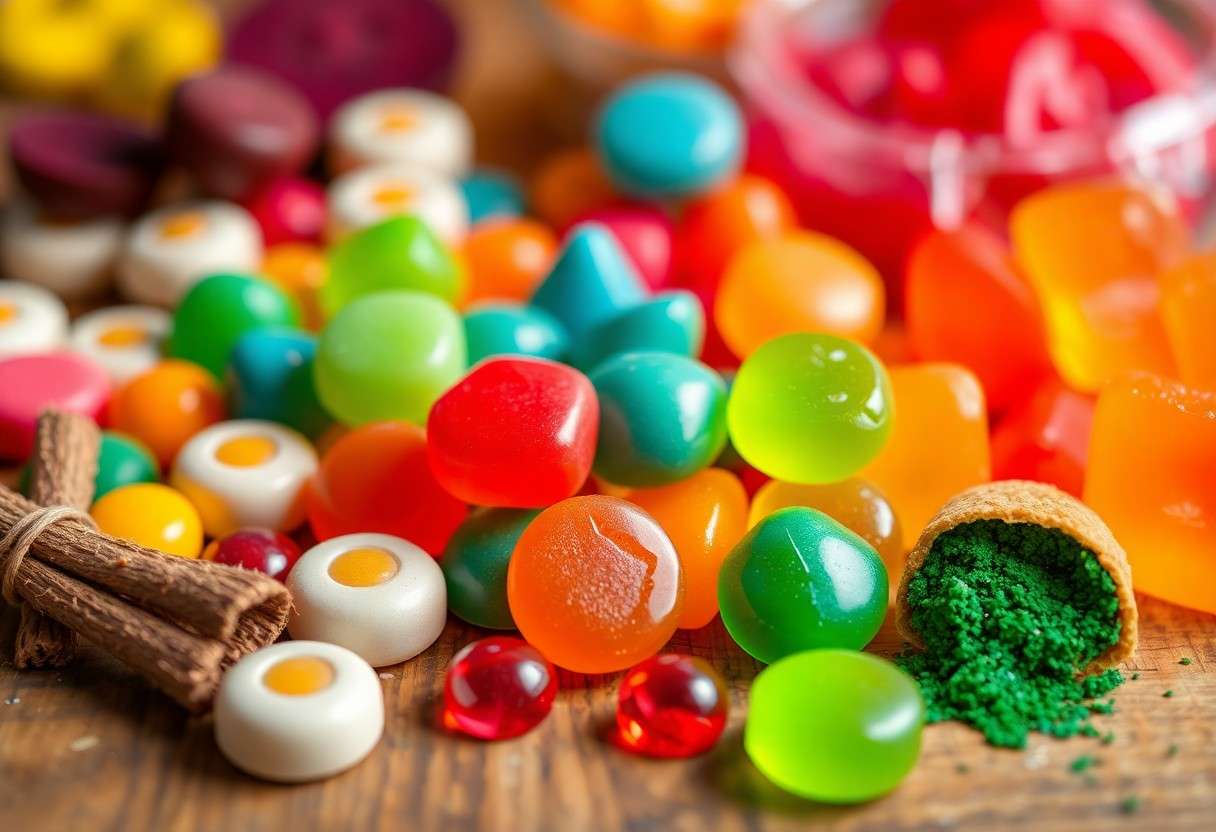
With the growing trend towards clean-label foods, you may find yourself considering natural colorants for your confectionery creations. While these plant-based alternatives can enhance the visual appeal of sweets, they come with both advantages and challenges. In this post, you’ll explore the various benefits and limitations of using natural colorants, empowering you to make informed decisions that align with your values and expectations for quality in your products.
The Allure of Natural Colorants
Aesthetic Appeal: Enhancing Confectionery Visuals
Your customers experience confectionery not only through taste but also through sight. Natural colorants can significantly enhance the aesthetic appeal of your products, creating visually striking treats that capture attention and evoke emotion. For example, beet juice can impart a vibrant red hue, while turmeric offers a warm golden yellow, resulting in visually stunning confections. Bright, engaging colors are effective not only in catching the eye but also in conveying a sense of quality and craftsmanship, leading to increased sales and customer satisfaction.
Consumer Demand: The Shift Toward Clean Labels
Your audience is becoming increasingly health-conscious, often scrutinizing ingredient lists for natural substances. This growing demand for clean labels has prompted confectionery manufacturers to explore alternatives to synthetic dyes. Natural colorants not only align with this trend but also resonate with the desire for transparency in food production. Brands that prioritize natural ingredients often find themselves more positively received, fostering trust and loyalty among consumers.
Health Perspectives: A Double-Edged Sword
Nutritional Benefits vs. Allergic Reactions
Natural colorants offer more than just visual appeal; they often bring nutritional benefits that can enhance your products. For instance, beet juice not only provides a vibrant red hue but is also rich in antioxidants, which can help reduce inflammation and support overall health. Similarly, turmeric, with its strong yellow color, is known for its anti-inflammatory properties and potential health benefits. You may choose natural colorants for their added nutritional profile, which can become a selling point for health-conscious consumers looking for options that align with their dietary choices.
However, the use of natural colorants does come with caveats, particularly concerning allergic reactions in certain individuals. For example, the vibrant pigment extracted from annatto can trigger allergic responses in sensitive individuals, leading to symptoms ranging from mild reactions to severe anaphylaxis. Similarly, the use of cochineal (derived from insects) as a red dye can alienate vegan consumers and those who might have aversions to animal-derived ingredients. As you formulate your products, balancing the nutritional advantages of natural colorants with the potential for adverse reactions becomes a paramount concern.
The Role of Additives and Preservatives
In your quest for truly natural products, the inclusion of additives and preservatives cannot be overlooked. While natural colorants can improve the visual appeal of your confectionery, they may lack the stability and longevity that synthetic alternatives offer. For example, certain fruit and vegetable extracts can fade when exposed to heat or light, which means you might find yourself needing additional preservatives to ensure your products maintain their color and freshness over time. You may want to consider how these preservatives align with consumer preferences for clean labels and minimal ingredients.
As you investigate the possibilities of using natural colorants, it’s important to weigh the necessity of these additives carefully. Options like citric acid or ascorbic acid can serve as natural preservatives that complement your use of colorants while preserving the integrity of the product. Furthermore, embracing alternative preservation techniques, such as vacuum packaging or refrigeration, could allow you to sidestep more contentious additives entirely, creating a product that speaks to the pureness and authenticity consumers increasingly crave.
Environmental Footprint: Green vs. Synthetic
Sustainable Sourcing of Plant-Based Colorants
Sourcing plant-based colorants requires a thoughtful approach to ensure sustainability. You can look for suppliers who prioritize ecological farming practices, such as crop rotation and organic methods, which help preserve soil health and biodiversity. For instance, betanin, extracted from beets, is gaining traction partly because beets are considered a sustainable crop; they grow quickly and require relatively low input of fertilizers and pesticides. Additionally, many growers are shifting towards regenerative agriculture, which can enhance the carbon storage capacity of soil and reduce overall environmental impact.
Moreover, consider the geographical sourcing of these colorants. Local sourcing minimizes transportation emissions and fosters community economies. Collaborating with local farmers expands your supply chain, builds relationships, and guarantees quality while reducing your carbon footprint. By choosing suppliers who adopt sustainable practices, you’re not just enhancing your products; you’re also promoting a greener, more ethical supply chain.
The Impact of Conventional Colorant Production
Conventional synthetic colorants often rely on petroleum derivatives and involve chemical processes that can result in significant environmental degradation. For example, the production of artificial colors such as Red 40 and Yellow 5 requires extensive energy input and is associated with harmful waste byproducts. In fact, a study published in the journal *Environmental Science & Technology* found that the manufacturing process of synthetic colors can emit greenhouse gases equivalent to that produced by thousands of automobiles annually.
Beyond greenhouse gas emissions, the use of synthetic colorants frequently leads to water pollution, as the effluents from colorant production plants can introduce toxins into local water systems. Many of these chemicals are not easily biodegradable, resulting in long-lasting harm to aquatic life and ecosystems. You may consider this when weighing the benefits and drawbacks of utilizing natural colorants in your products, as opting for the greener route not only supports health-conscious consumers but also contributes to a cleaner environment.
Regulatory Landscape: Navigating Compliance
Understanding Food Safety Standards for Colorants
In the confectionery industry, compliance with food safety standards is paramount, especially when it comes to colorants. Regulatory bodies such as the U.S. Food and Drug Administration (FDA) and the European Food Safety Authority (EFSA) have established guidelines that specify which colorants can be used in food products. Natural colorants, for example, must undergo rigorous evaluation to determine their safety and acceptable daily intake levels. As you consider incorporating natural options, familiarize yourself with these regulations to ensure your products meet necessary safety criteria. Not only does adherence to these standards safeguard consumer health, but it also amplifies your brand’s integrity.
Different regions may have distinct regulations regarding specific natural colorants. For instance, while beet juice powder is a widely accepted coloring agent in many jurisdictions, it might face restrictions in others due to potential allergies or adverse reactions. Being aware of such differences through ongoing research and staying current with updates from food safety authorities can help you navigate these waters effectively, positioning your products favorably in the market.
The Challenges of Labeling and Marketing Natural Options
Labeling natural colorants brings its own set of hurdles, as consumers are increasingly discerning about food sourcing and ingredient transparency. The term “natural” itself, while appealing, often lacks a universally accepted definition, leading to confusion. This ambiguity can complicate your marketing efforts when trying to emphasize health benefits associated with natural colorants. Additionally, to convey the true essence of your product, you may need to include detailed descriptions and disclaimers, which might clutter packaging or detract from your branding goals.
In marketing your confectionery products with natural colorants, clarity is important. Regulatory guidelines often require you to precisely list all ingredients, with distinct variations based on specific colorants used, which can complicate your labeling. For example, if you’re utilizing spirulina as a colorant, your label should clearly state this, as consumer knowledge about ingredients can greatly influence purchasing decisions. By providing transparent and informative labeling, you can cultivate trust with your customers while effectively navigating the complex landscape of marketing natural options.
Balancing Quality and Cost Efficiency
The Economics of Sourcing Natural Ingredients
Cost considerations play a pivotal role when deciding to source natural colorants. Generally, natural ingredients tend to be more expensive due to lower yields and higher labor costs associated with harvesting and processing. For instance, obtaining beet juice for red dye requires large quantities of beets, whereas synthetic dyes can be produced in a lab with consistent quality at a fraction of the price. This often leads manufacturers to question whether to invest in the authenticity of natural colorants, particularly when aiming to keep confectionery prices competitive. Moreover, fluctuations in crop production, affected by climate conditions, can introduce market volatility, further complicating cost predictability.
Your choice of suppliers can also influence the economics of sourcing natural ingredients. Partnering with local producers might reduce shipping costs and bolster your brand’s sustainability narrative. Alternatively, sourcing from a global market can introduce variability in cost and availability. Establishing strong relationships with dependable suppliers can mitigate risks and enhance your operational efficiency, balancing quality with financial feasibility.
Comparisons of Quality Outcomes with Natural vs. Synthetic Colorants
The visual appeal of confectionery is paramount; hence, the quality of colorants significantly impacts the final product. Natural colorants offer a broad spectrum of hues and can provide unique, rich shades reminiscent of their sources. However, color stability is often a point of contention. For instance, carotenoids, derived from carrots, can fade under intense light and heat, which poses challenges for products meant for prolonged shelf life. On the other hand, synthetic colorants afford greater consistency and durability, thriving in a wider range of conditions without fading. Many manufacturers find themselves navigating this compromise between showcasing the alluring aesthetic of natural colors and ensuring product longevity and stability.
In terms of consumer perception, the trend is shifting towards favoring transparent labeling and natural ingredients. Studies show that consumers often associate natural dyes with healthier products, which can positively develop brand loyalty. Yet, you may need to weigh the benefits of consumer preference against the operational challenges of using natural colorants, as these can significantly affect production timelines and costs.
| Attribute | Natural Colorants | Synthetic Colorants |
|---|---|---|
| Cost | Higher due to sourcing and processing | Generally lower and more predictable |
| Color Stability | Variable, may fade over time | Consistent, retains color integrity |
| Consumer Perception | Often viewed as healthier, desirable | Can be perceived as artificial, less favorable |
| Environmental Impact | Potentially sustainable if sourced responsibly | Manufactured with a larger carbon footprint |
Investigating the quality outcomes between natural and synthetic colorants reveals compelling perspectives for your production strategy. A case study conducted in 2022 assessed the shelf life of confectionery products using natural colorants, discovering that while initial consumer acceptance was higher, color degradation occurred more rapidly compared to synthetic alternatives. Products containing synthetic colorants fared better during long-term storage phases, retaining both color and overall appeal. Balancing the appealing aesthetics of natural colorants with the reliability of synthetic options may be the key to meeting consumer expectations while maintaining a profitable operation.
To Wrap Up
The pros and cons of using natural colorants in confectionery should be carefully considered as you make decisions for your products. On the positive side, natural colorants can enhance the visual appeal of your confections while providing a clean label that attracts health-conscious consumers. They are often derived from fruits, vegetables, and other plant materials, potentially aligning your offerings with current trends focused on sustainability and wellness. However, you may also encounter challenges such as limited color vibrancy, variability in shade, and sometimes higher costs associated with sourcing and using these ingredients. Such factors can impact your product’s consistency and customer satisfaction.
As you weigh these benefits and drawbacks, it is crucial to evaluate how natural colorants fit into your overall brand strategy. You must assess your target market’s preferences and your commitment to using healthier and more sustainable ingredients. Balancing sensory appeal with ethical considerations, you can confidently decide how to incorporate natural colorants into your confectionery line. By doing so, you not only elevate the aesthetic of your products but also craft a compelling story that resonates with your customers.


