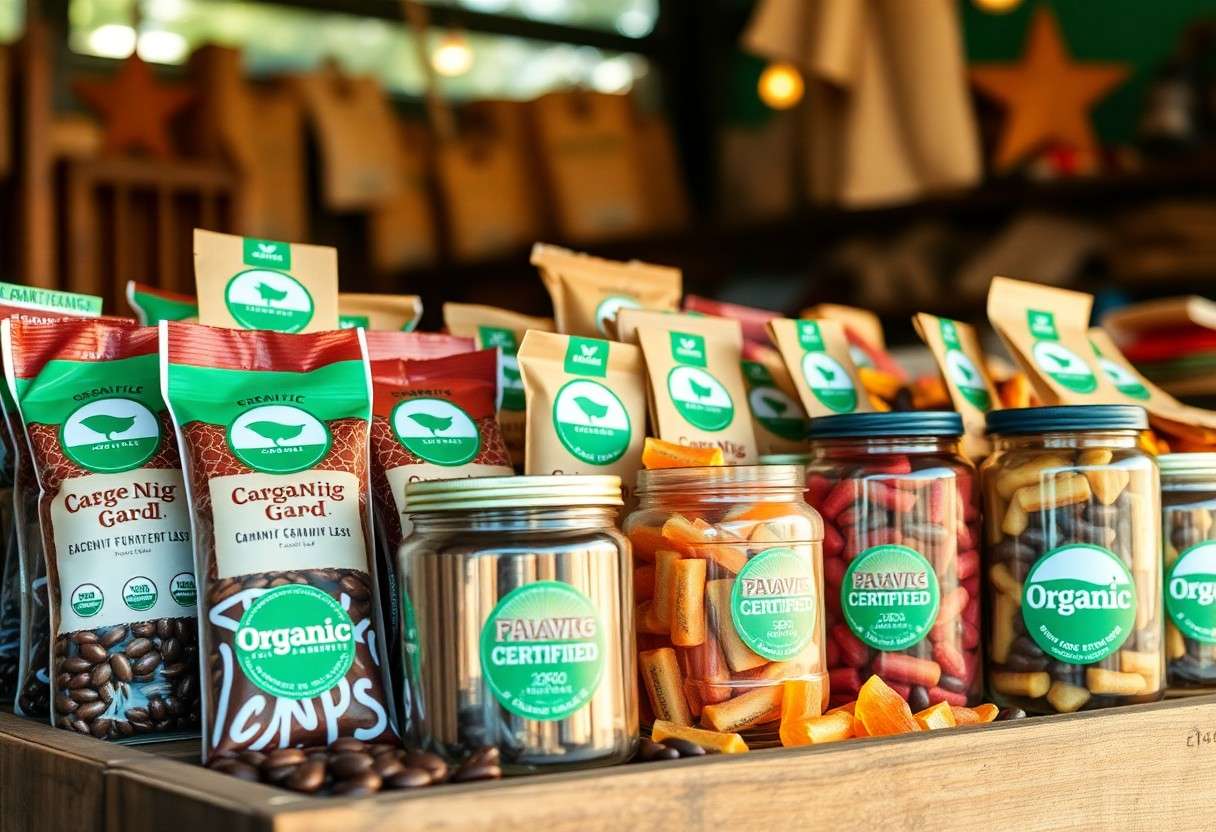
Complete Guide to Nootropic Candy for Mental Focus
This concise guide equips you to choose nootropic candy for mental focus, explaining how ingredients boost attention, warning about potentially dangerous intera

This article contains Amazon affiliate links. As an Amazon Associate, CandiesAndSweets earns from qualifying purchases.

This concise guide equips you to choose nootropic candy for mental focus, explaining how ingredients boost attention, warning about potentially dangerous interactions, and outlining safe dosing and quality checks so you can make informed, effective decisions.
Defining Nootropic Candy for Cognitive Support
This classification clarifies how nootropic candy pairs sweetness with targeted actives to support attention and mental stamina; you should watch for high stimulant concentrations and choose products with clear dosing to gain measurable focus without surprises.
Many formulations mix caffeine, L-theanine, choline precursors, or adaptogens in varying ratios, so you must read labels to spot hidden stimulant loads and allergens; you can favor brands that publish dosing and safety data.
The Science of Edible Brain Boosters
Research shows specific compounds affect neurotransmitter systems: caffeine increases alertness, L-theanine smooths arousal for focused attention, and choline supports memory pathways; you may see short-term improvements in focus depending on dose and timing.
Clinical evidence for many edible nootropics is limited and mixed, so you should treat bold marketing claims cautiously and check for peer-reviewed support; always consider drug interactions if you take prescription medications.
Why Delivery Method Matters for Absorption
Bioavailability varies by form: sublingual or dissolving candies bypass some digestion and produce faster onset than slow-chew options, so you should expect quicker effects and be mindful of a higher overdose risk with rapid absorption.
Formulation factors like fats, pH modifiers, and sweeteners alter release profiles and absorption speed; you can compare ingredient lists and dosing intervals to match a product to your tolerance and schedule.
Practical use means testing a single dose first, avoiding alcohol or additional stimulants, and spacing doses to reduce side effects; watch for dangerous combinations such as MAO inhibitors or high-dose stimulants and consult a clinician when on chronic medication.
Critical Factors for Selecting Quality Supplements
Quality checks should focus on transparent labeling, clear ingredient amounts, and visible batch documentation so you can compare products and avoid hidden stimulants in nootropic candy meant for mental focus. You should favor formulas that list each active and its source to judge supplement reliability.
- Third-party tested certificates and COAs
- Dosage accuracy per serving
- Ingredient purity and high bioavailability
Verify batch reports and certifications before buying so you reduce exposure to contaminants like heavy metals or microbial growth. This helps you pick safer, effective options.
Ingredient Purity and Bioavailability
Check certificates of analysis to confirm ingredient purity and prefer bioavailable forms so the nootropic compounds actually reach your brain rather than passing harmlessly through. You should avoid products with vague proprietary blends that hide amounts or list common fillers that dilute potency.
Dosage Accuracy and Third-Party Testing
Dosage accuracy matters because inconsistent servings can lead you to underperform or risk an overdose; you should choose products with milligram-precise labeling backed by clinical ranges. Verify that independent labs confirm potency and absence of contaminants.
Testing results reveal mislabeling and impurities, and you should inspect COAs for lot-specific data, expiration, and limits of detection. This practice reduces risk and confirms the product matches claims. You might also enjoy our guide on The Connection Between Candy and Emotional Eating.
Evaluating Pros and Cons of Edible Nootropics
You should balance short-term gains in alertness with longer-term risks like dependency and metabolic impact; the table below offers a clear snapshot to guide your choices.
Consider ingredient transparency, dosing control, and possible interactions when comparing products – unlisted stimulants and variable bioavailability are common concerns.
Pros and Cons
| Pros | Cons |
|---|---|
| Improved focus | Sugar spikes / crashes |
| Easy, portable dosing | Overconsumption risk |
| Pleasant flavors increase adherence | Hidden stimulants or additives |
| Discreet, social-friendly form | Short-lived effects |
| Microdosing possible | Variable absorption |
| Fast onset for chewables | Medication interactions |
Advantages of Convenience and Palatability
Taste helps you stick with a regimen because pleasant flavors reduce resistance compared with bitter pills, making consistent dosing more likely; portability also makes on-the-go use simple.
Potential Drawbacks and Sugar Considerations
Sugar in many formulations can create quick energy followed by a post-dose crash, so you should prioritize low-sugar or sugar-free options and verify serving sizes.
Excess intake of candy-form nootropics adds calories and may affect metabolic health over time, so you should set clear daily limits and track total consumption. You might also enjoy our guide on Best Functional Candy for Focus and Clarity.
Interactions with prescription stimulants or MAOIs can be dangerous, so you should consult a healthcare professional before combining products and avoid mixing stimulant sources.
Step-by-Step Protocol for Effective Usage
| Step | Action |
|---|---|
| Baseline titration | Start with a low dose and keep it for 3-5 days while you log effects. |
| Timing | Take 30-60 minutes before peak tasks; avoid dosing near bedtime. |
| Monitoring | Record focus, mood, sleep, and any adverse reactions. |
| Safety limits | Do not exceed recommended daily servings and avoid stacking with other stimulants. |
Follow this protocol by sticking to one variable at a time so you can isolate what works for you; adjust only after consistent logging. You should prioritize sleep, hydration, and scheduled breaks to see true cognitive benefits while minimizing side effects. You might also enjoy our guide on How Candy Became Part of Therapeutic Practices.
Track dose, time, perceived focus, and any physical symptoms in a simple log you review weekly; stop or reduce dose if you experience palpitations, severe anxiety, or disrupted sleep. You should consult a clinician before combining with prescription drugs or if you have cardiovascular or psychiatric history.
Establishing an Initial Baseline Tolerance
Begin with one candy or half the manufacturer’s serving and maintain that level for 3-5 days while you note cognitive gains and side effects. You should increase by the smallest available increment only after the initial period shows no adverse reactions.
Timing Intake for Peak Mental Performance
Plan your dose 30-60 minutes before focused work so active compounds peak during critical tasks; align intake with meals to reduce stomach upset. You should avoid dosing within 4-6 hours of bedtime and avoid combining with extra caffeine to limit jitteriness.
Allow at least one day between increases and schedule high-demand tasks inside the observed peak focus window-often 2-4 hours depending on formulation; you should avoid redosing impulsively and reassess efficacy before any change.
Expert Tips for Maximizing Focus and Clarity
Apply disciplined dosing when you use nootropic candy, keeping single amounts low and spacing intake to limit tolerance. Keep a log of effects on tasks and avoid mixing with other stimulants or medications to reduce dangerous interactions.
- Time doses for focused work blocks and avoid late-evening use to protect sleep.
- Start with the lowest effective amount and increase only slowly.
- Check for drug interactions and consult a clinician if you take prescriptions.
Knowing your baseline sleep and stress helps you use nootropic candy to sharpen mental focus without compromising long-term wellbeing.
Synergistic Stacking with Nutrition and Hydration
Hydrate consistently and pair intake with protein and healthy fats to stabilize absorption; this supports sustained concentration when you rely on nootropic candy. Track blood sugar and electrolyte balance to avoid energy crashes that undermine mental focus.
Best Practices for Long-Term Cognitive Health
Cycle use to prevent tolerance by scheduling regular off-days and varying stimulant content so you retain effectiveness when you need peak mental focus. Consult a clinician before adopting long-term routines if you have medical conditions.
Prioritize sleep, regular exercise, and balanced meals to amplify benefits and minimize dependence; these habits make occasional nootropic candy use safer and more effective.
Monitor side effects and cognitive baselines with simple tests and a daily log; stop use and seek medical attention for palpitations, severe anxiety, or marked cognitive decline since those are dangerous warning signs.
Conclusion
The guide equips you to evaluate nootropic candy for mental focus, covering ingredients, dosing, safety, and realistic expectations so you can make informed choices. You should favor products with transparent labels, clinical backing, and moderate doses, monitor your responses, and consult a healthcare professional for persistent concerns.