Pairing Fruit with Chocolate for Elevated Desserts
Fruit adds a vibrant touch to chocolate, enhancing its rich flavors and creating a delightful contrast that elevates your desserts. By understanding how differe

This article contains Amazon affiliate links. As an Amazon Associate, CandiesAndSweets earns from qualifying purchases.
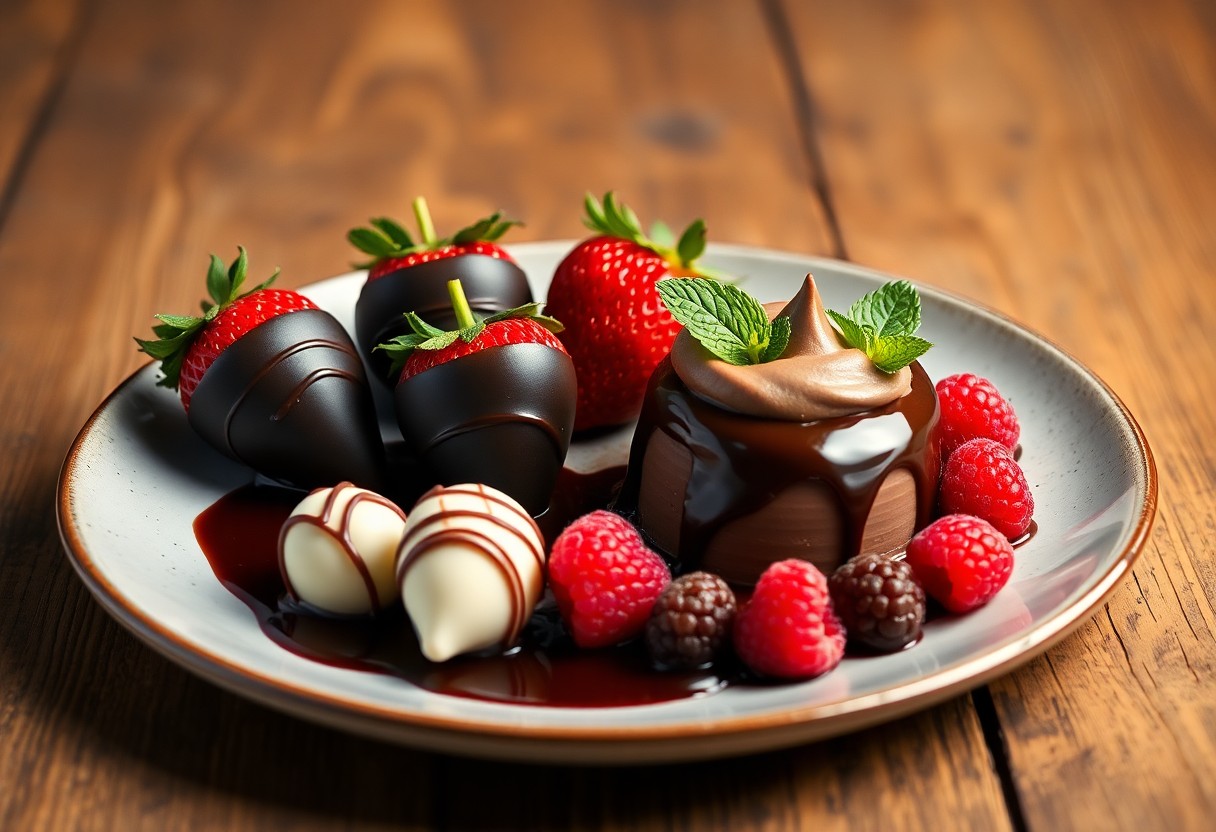
Fruit adds a vibrant touch to chocolate, enhancing its rich flavors and creating a delightful contrast that elevates your desserts. By understanding how different fruits interact with various types of chocolate, you can elevate your dessert creations to new heights. From tangy berries to luscious citrus, the right fruit pairing can transform a sweet treat into an unforgettable experience. In this guide, you’ll discover some perfect pairings and tips on how to incorporate them into your culinary adventures.
The Art of Flavor Chemistry
How Chocolate and Fruit Complement Each Other
Pairing chocolate with fruit is a dance of flavors, where the sweetness of fruit elevates the deep, rich notes of chocolate. Both ingredients have unique profiles; chocolate brings bitterness and complexity, while fruits introduce brightness and freshness. When you choose the right combinations, the interplay amplifies this dynamic richness. For example, raspberries cut through the creaminess of dark chocolate, their tartness offering a refreshing contrast that highlights the chocolate’s depth. Similarly, a slice of orange drizzled with melted chocolate finds a balance between citrus zest and the smooth, luxurious texture of chocolate, creating an indulgent experience.
Knowing how to harmonize these contrasting flavors can elevate your desserts. Chocolate can serve as a blank canvas, allowing you to experiment with various fruits—from the robust flavor of figs that add an earthy touch to the bright, invigorating pop of a passion fruit. The key lies in matching intensity; for instance, the boldness of a59 percent cocoa chocolate pairs beautifully with the delicate sweetness of strawberries, whereas a higher percentage chocolate requires something zestier, like a tangy cherry or lemon zest.
The Role of Acidity, Sweetness, and Texture
The interplay of acidity, sweetness, and texture significantly shapes the overall experience of your dessert. Fruits with bright acidity, like citrus or berries, awaken chocolate’s complex flavors, providing a surprising tension that keeps your palate engaged. This balance can lead to a refreshing sensation that prevents the richness of the chocolate from becoming overwhelming. Sweet fruits, such as bananas or peaches, add a creamy texture when combined, making for an indulgent mouthfeel that complements the smoothness of chocolate.
Exploring the texture can also be a game changer. For instance, the crispiness of apple slices enhances the smoothness of chocolate, while a soft fruit like ripe peach creates a melt-in-your-mouth experience, rich and soothing. Including different textures, such as nuts or crunchy elements, can further amplify your dessert, adding depth and interest that works in tandem with the fruit and chocolate nappe. By carefully balancing acidity, sweetness, and texture, you can craft luxurious desserts that are nuanced and unforgettable.
Seasonal Fruit Pairings that Wow
Spring and Summer Fruit Highlights
As the weather warms and nature bursts into bloom, your dessert options become a playground of vibrant, succulent fruits. Strawberries and raspberries shine during spring and summer, their natural sweetness perfectly complementing dark chocolate’s rich, bittersweet tones. Dipping fresh strawberries into melted chocolate creates an irresistible combination. For an elevated twist, try pairing a light, refreshing white chocolate mousse with tart raspberries for a delightful contrast. You can experiment with adding a hint of mint to enrich the fruity notes, bringing a refreshing touch to your summer gatherings.
Peaches and cherries also steal the spotlight as summer approaches. Grilling peaches enhances their flavor and adds a smoky dimension that pairs beautifully with dark or milk chocolate sauces. For a sumptuous treat, consider creating a cherry chocolate tart — the natural tartness of the cherries against the chocolate creates a balance that will tantalize your taste buds. Incorporating lemon zest into this dish can brighten your dessert even further, completing the summery experience.
Autumn and Winter Fruit Choices
As the leaves change and cooler air settles in, fruits such as apples and pears emerge as perfect companions for chocolate. Their crisp, juicy texture contrasts beautifully with the creaminess of chocolate, making for a delightful texture combination. Slicing apples thinly and coating them in chocolate, then sprinkling sea salt on top, creates an elegantly simple dessert that feels both seasonal and indulgent. Pairing baked pears with dark chocolate drizzles enhances their warm, comforting flavors, making this a perfect treat for chilly nights.
Winter also brings citrus fruits into play, like tangerines and blood oranges. Their bright acidity helps to cut through the richness of chocolate, staying true to that balance of flavors that you’ve come to adore. Consider crafting a citrus-infused hot chocolate topped with a splash of blood orange syrup for a cozy, zesty ambiance during holiday gatherings. As you explore these seasonal options, keep in mind the power of spices; adding a pinch of cinnamon or nutmeg can elevate the entire dessert experience, allowing you to fully embrace the essence of the season.
Techniques to Elevate Your Pairings
Creative Chocolate Applications
Incorporating chocolate into your fruit desserts goes beyond the standard drizzle. Consider using chocolate ganache as a luscious dip for strawberries or banana slices. The versatility of ganache allows you to infuse flavors like orange zest or espresso for an unexpected twist. For a more playful touch, experiment with chocolate mousse. Serve it with fresh raspberries or blackberries, allowing the tartness of the berries to complement the airy richness of the mousse. This not only brings together textures but also layers flavors that enhance the overall dessert experience.
Another innovative approach involves creating chocolate-covered fruit bites. Use dark chocolate for a healthful contrast with fresh, juicy mango or pineapple cubes. By freezing these bites after coating them in chocolate, you’ll create an enjoyable treat that bursts with flavor and offers varying temperatures. When you bite into the cold chocolate coating, the soft fruit inside will provide a delightful surprise, keeping your palate engaged with each bite.
Textural Contrast: Crunchy vs. Creamy
Elevating your chocolate and fruit pairings can be achieved through a careful balance of textures. The dynamic interplay between crunchy elements and creamy components not only enhances mouthfeel but also offers an exciting culinary experience. For example, if you’re working with ripe peaches, consider serving them alongside a creamy chocolate panna cotta. The silky texture of the panna cotta can starkly contrast with a sprinkle of caramelized nuts or chocolate crisps, thereby creating layers of both texture and flavor.
Utilizing crunchy toppings like crushed cookies or toasted nuts lends a satisfying bite to otherwise soft fruits coated in chocolate. Think about layers in a parfait: creamy chocolate yogurt layered with fresh kiwi and topped with granola. This combination not only pleases the taste buds but also visually entices with its vibrant colors and various layers. By consciously selecting components that contrast in texture, you enhance the dessert’s profile, allowing every mouthful to deliver a delightful surprise.
Crafting the Perfect Pairing Experience
Presentation and Plating Tips
Elevating your fruit and chocolate pairings begins with how you present them. This is where creativity merges with practicality—consider using a variety of serving dishes that complement the colors and shapes of your ingredients. For instance, pairing dark chocolate-covered strawberries with a rustic wooden board can create a striking contrast that draws the eye. Feel free to experiment with different heights and layers on your plate; a small stack of chocolate-dipped banana slices alongside fresh raspberries can provide both visual interest and easy access for your guests.
- Use contrasting colors for visual appeal.
- Create height with varying layers.
- Incorporate garnishes like mint or edible flowers for a fresh touch.
- Serve dipping options in small bowls for a fun interaction.
- Consider themed dishes for occasions—like a heart-shaped plate for Valentine’s Day.
Knowing these tips will help ensure that your dessert creations are as delightful to look at as they are to taste, paving the way for a memorable dining experience.
Setting the Mood: Enhancing the Dessert Experience
The ambiance surrounding your dessert can drastically enhance its enjoyment. Start by considering lighting; dimming the lights or introducing candles can create a warm, inviting atmosphere that draws attention to your beautifully plated fruit and chocolate creations. Soft background music that echoes the flavors of your desserts can also transport your guests to a different time and place, allowing them to savor each bite fully. Think about thematic elements as well; for a tropical fruit and chocolate pairing, light decor and breezy music can evoke a sun-soaked getaway, enriching the overall experience.
Ultimately, how you curate an event surrounding your dessert can be just as significant as the taste itself. Engage your guests by sharing the story behind your pairings—a little background on the fruits and chocolates used can add depth to the experience. This connection elevates the act of eating into a celebration not just of flavors but of storytelling and shared enjoyment. Consider offering tastings or even pairing notes, allowing your guests to identify and appreciate the complex flavors they enjoy with each mouthful, turning what could be a simple dessert into an unforgettable culinary journey.
Unique Flavor Combinations to Try
Beyond the Classics: Unexpected Pairings
Explore the limitless possibilities when you step outside the familiar territory of strawberries and bananas. Think about pairing chocolate with fruits like gold kiwi, whose tartness contrasts beautifully with dark chocolate, or lychee, which offers a sweet, floral note that complements the richness of milk chocolate. Another intriguing pairing is chocolate with figs; the natural sweetness and chewy texture of figs enhance the decadent profile of chocolate, making for a sophisticated treat. Don’t shy away from savory fruits either—combining chocolate with avocados can create a surprisingly creamy, luscious dessert that feels indulgent without being overly sweet.
For an adventurous twist, you might consider incorporating spices or herbs into your chocolate-fruit combinations. Adding a hint of fresh basil to a chocolate and peach dish elevates the flavors in a way that’s both fragrant and refreshing. Additionally, the combination of chocolate with citrus fruits, such as blood oranges, not only adds a pop of color to your plate but also introduces tart and sweet notes that excite the palate. Embracing these unexpected pairings can transform your dessert experience into something memorable.
Cultural Influences on Fruit and Chocolate Fusion
Drawing inspiration from global cuisine, different cultures approach the combination of fruit and chocolate in unique ways. For instance, in Mexico, the combination of chocolate with spicy chili and fruit is a traditional pairing, with dishes often featuring mole sauce that marries these flavors harmoniously. The addition of tropical fruits like mango and pineapple infused with chili powder creates bold, exciting dips for dark chocolate, enhancing the flavor profile considerably. Across the Atlantic, in Italian culture, you might encounter chocolate-covered candied orange peel—a classic treat that showcases the elegance of combining chocolate with tangy fruit.
You’ll find that the influence of cultural techniques extends not just to flavor but also to dessert presentation. Brazilian brigadeiros, which blend chocolate with condensed milk often paired with coconut or nuts, demonstrate the joy of combining multiple flavors, while Japanese mochi filled with chocolate and fruit showcases a delicate balance of textures. Understanding these various cultural approaches will not only inspire your own creations but may lead to the discovery of your new favorite combinations.
Summing up
With these considerations in mind, you can elevate your dessert experience by thoughtfully pairing fruit with chocolate. By understanding the flavor profiles of different fruits and the types of chocolate, you can create harmonious combinations that enhance both the fruit and the chocolate. Whether you opt for the classic pairing of strawberries and dark chocolate or experiment with the zesty tones of citrus fruits alongside creamy white chocolate, the possibilities are numerous and exciting. Your choices can lead to visually stunning dishes that delight the palate and leave a lasting impression.
Additionally, don’t shy away from trying unconventional pairings to surprise your guests and create memorable moments. By incorporating textures—such as crispy fruits or smooth ganache—you can add an extra layer of sophistication to your desserts. As you explore the delightful synergy between fruit and chocolate, you’ll discover that these pairings not only tantalize the taste buds but also allow you to express your creativity in the kitchen. Elevate your dessert offerings and enjoy the journey of blending flavors that bring a contemporary twist to traditional treats.


