How to Pair Gourmet Chocolate With Fine Wine
This guide will help you elevate your tasting experience by mastering the art of pairing gourmet chocolate with fine wine. By understanding the flavor profiles

This article contains Amazon affiliate links. As an Amazon Associate, CandiesAndSweets earns from qualifying purchases.
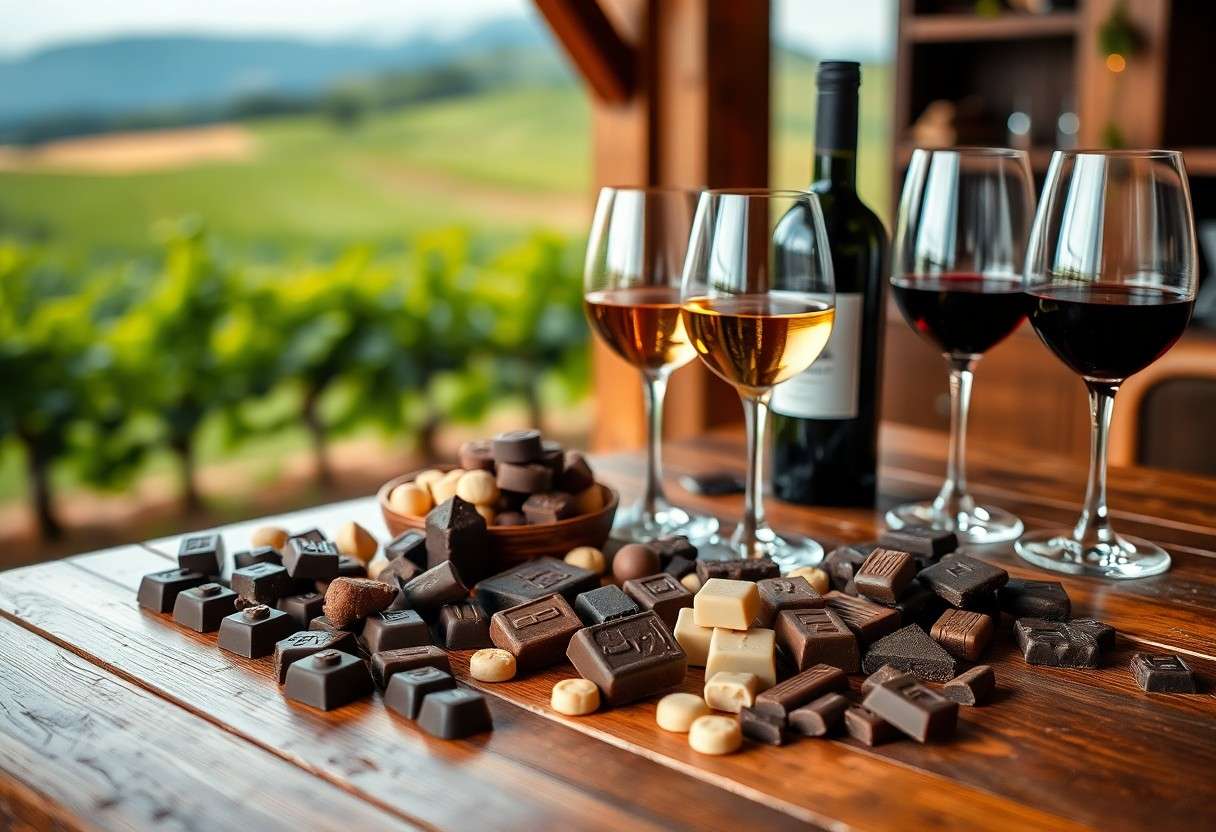
This guide will help you elevate your tasting experience by mastering the art of pairing gourmet chocolate with fine wine. By understanding the flavor profiles and textures of both chocolate and wine, you can create delightful combinations that enhance your palate. You’ll discover how to select the right types of chocolate and wines, ensuring that each bite and sip complements the other beautifully. Prepare to impress your guests or simply indulge in a luxurious evening at home.
Understanding Gourmet Chocolate
Gourmet chocolate stands apart from its regular counterparts due to its superior quality and craftsmanship. Unlike standard chocolates, gourmet varieties utilize higher cocoa content and finer ingredients, which contribute to a more refined taste and texture. The production process is often artisanal, meaning smaller batches are crafted with meticulous attention to detail, ensuring each piece reflects the chocolate maker’s expertise. Factors such as the source of cocoa beans, the process of fermentation, and the conching time significantly influence the final product’s flavor and aroma.
Types of Gourmet Chocolate
Choosing the right type of gourmet chocolate is vital for a successful pairing with wine. The primary types include dark, milk, and white chocolate, each offering unique characteristics. Dark chocolate, with its high cocoa content, often has a rich, intense flavor; milk chocolate brings creaminess and sweetness to the profile, while white chocolate-a confection made primarily from cocoa butter-delivers a smooth and sweet treat. Additionally, within these categories, you will find variations that can include unique infusions such as sea salt, spices, or even fruit flavors, enhancing the overall experience.
- Dark Chocolate: Typically contains 70% or more cocoa solids.
- Milk Chocolate: Contains milk solids that provide a creamier texture and flavor.
- White Chocolate: Made from cocoa butter and sugar, lacking cocoa solids.
- Artisanal Blends: Chocolates infused with spices, fruits, or herbs.
- Single-Origin Chocolates: Sourced from a specific region, showcasing distinctive flavor profiles.
Perceiving the differences in these chocolate types can significantly enhance your tasting experience, especially when paired with the right wine. Consider your personal preferences and the nuances of each chocolate type as you explore the complexities of gourmet chocolate.
| Type of Gourmet Chocolate | Characteristics |
|---|---|
| Dark Chocolate | Rich, intense, often fruity or nutty flavors. |
| Milk Chocolate | Sweeter, creamier, with subtle caramel notes. |
| White Chocolate | Sweet, buttery, often with creamy or vanilla undertones. |
| Artisanal Blends | Unique flavors with added spices, fruits, or herbs. |
| Single-Origin Chocolates | Distinctive taste profiles that reflect their geographic origin. |
Flavor Profiles of Chocolate
The flavor profiles of gourmet chocolate vary widely and are influenced by factors such as cocoa bean origin, production methods, and the presence of additional ingredients. For instance, chocolate originating from Venezuela often has fruity and floral notes, while Ecuadorian chocolate tends to carry earthy, nutty characteristics. Your chocolate selection should take these profiles into account as they can make or break the pairing with wine. Furthermore, a chocolate’s intensity-ranging from bitter to creamy-can complement different wine flavors, enhancing both experiences when executed thoughtfully.
Additionally, tasting chocolate can reveal a spectrum of flavors through your palate. Elements like acidity, sweetness, and bitterness contribute to the overall experience, allowing for a dynamic pairing with fine wines. For instance, the bitterness in high-percentage dark chocolate may harmonize beautifully with a bold Cabernet Sauvignon, while the creaminess of milk chocolate might be better suited to a Riesling’s sweet notes. Understanding these subtle but significant distinctions helps you make informed decisions about pairing gourmet chocolate with fine wine, ensuring a memorable tasting experience.
Exploring the intricate flavor profiles of gourmet chocolate will deepen your appreciation for both the chocolate and the wines you choose. Each variety carries its own story and nuances, adding layers of enjoyment to your pairing journey. When you engage with these flavors mindfully, you unlock a taste experience that transcends mere consumption, inviting you to savor every moment.
Exploring Fine Wine
When navigating the world of fine wine, it’s important to familiarize yourself with the diverse types of wines available. Each type offers unique characteristics that can significantly enhance your gourmet chocolate experience. The primary categories of fine wine include red, white, rosé, sparkling, and dessert wines. Each of these types is crafted from a specific variety of grape and utilizes distinct winemaking techniques, contributing to a myriad of flavors and aromas that can complement chocolate in various ways.
Types of Fine Wine
Red wines are often richer and more robust, crafted primarily from dark-skinned grape varieties. Wine aficionados appreciate them for their tannins and complex flavor profiles, which can range from berry and plum to earthy and spicy notes. White wines, on the other hand, are generally lighter and crisper, generally made from green or yellowish grapes. They can present flavors of citrus, apple, and peach, making them ideal for pairing with certain types of chocolate. Rosé wines occupy a middle ground, offering both red and white characteristics, perfect for chocolate that balances sweetness and richness.
| Type of Wine | Description |
| Red Wine | Full-bodied with robust flavors, excellent for pairing with dark chocolate. |
| White Wine | Lighter and crisper, complements creamy or milk chocolate beautifully. |
| Rosé Wine | A blend that combines elements of both red and white, versatile for various chocolates. |
| Sparkling Wine | Effervescent with a refreshing quality, pairs well with richly flavored chocolates. |
| Dessert Wine | Sweet and rich, perfect for dark or salted chocolates. |
Exploring the flavor profiles of wine plays a pivotal role in mastering pairings with gourmet chocolate. Each variety of wine offers distinct aromatic notes and taste sensations that can either complement or contrast with the flavors of chocolate. For example, a bold Cabernet Sauvignon featuring dark fruit notes and moderate tannins pairs excellently with high-cocoa content dark chocolate. In contrast, a light Sauvignon Blanc, with its zesty acidity and citrus flavors, enhances the creaminess of milk chocolate and white chocolate.
Flavor Profiles of Wine
Your appreciation for wine should also encompass its various flavor profiles, which can be broken down into several key attributes: fruitiness, acidity, tannins, sweetness, and body. When considering a pairing, it’s vital to assess these factors and how they interact with the chocolate’s flavors. A wine with high acidity can cut through the richness of chocolate, creating a balanced and delightful tasting experience.
Take the time to explore and identify specific flavor notes within wines, like the berry notes of a Pinot Noir, or the caramel and vanilla notes found in a barrel-aged Chardonnay. These elements can create an intricate harmony with chocolate, enhancing the overall experience. After making a thorough exploration of flavors, you’ll find that the right wine can elevate the chocolate’s profile and vice versa, leading to an unforgettable tasting adventure.
Key Factors for Pairing
Pertaining to elevating your tasting experience, understanding the key factors for pairing gourmet chocolate with fine wine is important. The characteristics of both the chocolate and the wine must harmonize to create a memorable flavor profile. You should consider factors such as the type of chocolate, the origin of the wine, and the overall palate. Each element brings unique notes and textures that can either complement or clash with one another. Fine chocolate often contains nuances that can significantly enhance certain wines, making the selection process an art form in itself.
- Type of chocolate – dark, milk, or white
- Flavor notes in chocolate and wine
- Texture – smoothness, richness, and creaminess
- Acidity levels in wine
- Body and finish of both chocolate and wine
With these factors in mind, your palate can guide you toward experiencing a delightful synergy. Chocolates that feature high cocoa content often pair well with fuller-bodied wines, as their intensity can stand up to the wine’s robust flavors. Conversely, lighter wines can find common ground with sweeter chocolate variants, particularly those that are milk-based. By identifying the prominent flavor profiles in both your chosen chocolate and wine, you can create pairings that accentuate each characteristic, transforming your tasting journey into an immersive experience.
Complementary Flavors
Taking note of complementary flavors is key in achieving a successful pairing of chocolate and wine. By selecting varieties that match akin flavor profiles, you can accentuate the best features of each. For instance, a dark chocolate infused with berry notes can be beautifully matched with a Pinot Noir, known for its fruity undertones. This pairing creates a layered experience where the complexities of both elements come forth, allowing you to appreciate the richness of the chocolate and the subtleties of the wine. You may also explore unique combinations, like pairing salted caramel chocolate with a high-quality dessert wine, which enhances the sweetness while balancing it with saline flavors.
In particular, examining regional pairings can yield interesting results owing to local terroirs affecting both wine and chocolate. For instance, a rich, earthy chocolate sourced from Madagascar finds a delightful match in a Syrah from the same region. Both share similar mineral qualities, enhancing the depth of flavors while creating a sophisticated tasting experience. You can also experiment with chocolate varieties highlighting exotic spices, which may meld smoothly with spicier wines, such as Zinfandel or Tempranillo, creating a multifaceted pairing.
Ultimately, complementary flavors are about discovering how to create a dialogue between the chocolate and wine. Thou must remain open to experimenting, as personal preferences can lead to unexpected yet delightful relationships that heighten your tasting experience.
Balance of Sweetness and Bitterness
A significant element in pairing chocolate with wine is the balance of sweetness and bitterness found in each. A well-crafted pairing will navigate these opposing attributes to achieve a harmonious tasting profile. Dark chocolate, often higher in cocoa content, brings a bitter component that can be accentuated by the tannins in certain red wines. When you juxtapose a dark chocolate with a bold Cabernet Sauvignon, the resulting taste can be robust yet refined, allowing the velvety smoothness of the wine to counteract the chocolate’s bitterness while enhancing its overall richness.
Conversely, lighter varieties of chocolate, such as milk or white chocolate, showcase sugary sweetness that requires careful wine selection to avoid overwhelming your palate. A sparkling wine, with its effervescence and acidity, can cut through the sweetness and cleanse your palate with each sip, creating a dynamic interplay. Pairing a creamy white chocolate with a Prosecco, for instance, can yield a refreshing and light experience, where both elements harmonize seamlessly. It’s all about calibrating the sweetness without letting it dominate the flavor palette.
Understanding this balance allows you to navigate between chocolate’s sweet and bitter profiles while considering the accompanying wine characteristics. The goal is to achieve a state where neither element overshadows the other, thus enhancing the overall tasting experience. In doing so, you cultivate a nuanced understanding of how sweetness and bitterness can not only coexist but elevate one another in gourmet chocolate and fine wine pairings. Thou will find that experimentation often leads to delightful surprises.
How to Pair Chocolate and Wine
Step-by-Step Pairing Guide
To successfully pair chocolate with wine, start by considering the flavor profiles of both. A structured approach can enhance your tasting experience. First, evaluate the chocolate’s characteristics: dark chocolate usually has a robust flavor, whereas milk chocolate tends to be creamier and sweeter. Next, assess the wine’s attributes – consider its body, sweetness, acidity, and tannin levels. Aligning these aspects helps you find harmony between the two. Here’s a straightforward table to guide you through the selection process.
| Chocolate Type | Recommended Wine Pairing |
| Dark Chocolate (70% cocoa and above) | Cabernet Sauvignon or Port |
| Milk Chocolate | Merlot or Riesling |
| White Chocolate | Sauvignon Blanc or Champagne |
| Bittersweet Chocolate | Shiraz or Zinfandel |
Once you’ve identified the chocolate and wine types, consider their intensity levels. A high-quality dark chocolate often pairs well with a full-bodied red wine that has pronounced tannins, enriching both the chocolate and wine flavor. On the other hand, lighter chocolates may benefit from a fruitier wine, enabling a refreshing balance that doesn’t overwhelm your palate. Your senses will guide you as you taste each combination, and taking notes will help solidify your favorites. This process of trial and error can lead to discovering unique pairings that delight your taste buds.
Tips for Finding the Perfect Match
Your journey to finding the ideal chocolate and wine pairing can be an exploration of flavors and personal preferences. Engage your senses and consider factors such as sweetness and bitterness in chocolate alongside the wine’s acidity and fruity notes. Experimenting with different combinations invites you to add your unique touch. You may even want to enlist friends for a tasting party, allowing for various opinions and insights to come into play. Variety fosters creativity and opens avenues for unexpected discoveries.
- Choose chocolates with different cacao percentages to find complementary flavors.
- Consider serving temperature – chilled wines enhance certain flavor profiles.
- Pair with a neutral palate; bread or water can cleanse your taste buds.
This tailored approach ensures a more dynamic tasting experience, allowing you to adapt according to your preferences and the preferences of your guests.
When exploring these pairings, consider your mood, the occasion, and the overall atmosphere. Pair wines from the same region as the chocolate for a harmonious experience, or, alternatively, choose contrasting flavors for an exciting twist. Educating yourself about tasting notes enhances your ability to appreciate the subtleties involved in each pairing. This will elevate your confidence and pleasure as you indulge in chocolate and wine.
- Be open to new combinations; traditional pairings can often surprise you.
- Take into account food accompaniments, like cheese or fruits, for an additional layer of flavor.
- Trust your palate – the best pairings resonate with your personal tastes.
This creative spirit will transform your exploration into a delightful culinary adventure.
Enhancing the Experience
Presentation and Serving Suggestions
Creating the right ambiance for your chocolate and wine pairing elevates the entire experience. Choose a clean, elegant table setting, utilizing white tableware to let the vibrant colors of both chocolate and wine shine through. Consider using wine glasses that enhance the aroma, such as those crafted specifically for red or white wines, depending on your selection. You might also want to incorporate small, decorative plates to present individual chocolate pieces, as this adds an element of sophistication that encourages your guests to indulge more deeply.
Temperature can significantly impact how flavors are perceived, so consider serving your wine at optimum temperatures, typically 55°F for reds and around 50°F for whites. If you’ve chosen dark chocolate, serving it slightly warmer aids in enhancing its complex flavors, while lighter varieties should remain cool to preserve their delicate notes. Use this to your advantage by allowing your chocolate to sit at room temperature before serving, juxtaposing the refined palette of your chosen wines with the sensory delight of the chocolate.
Incorporate visual elements that highlight the pairing. For example, consider garnishing the plates with herbs or edible flowers that complement the notes in both the chocolate and the wine. When you present your pairings in this manner, you not only promote a feast for the senses but also engage your guests in a memorable experience that invites conversation and further exploration of the flavors at play.
Pairing with Other Elements
The world of flavor is vast, and when you explore pairing chocolate and wine with other elements, you unlock a new realm of tasting possibilities. Fresh fruits such as berries or stone fruits can enhance the sweetness and acidity found in both chocolate and wine, while nuts provide a delightful crunch and generate texture that complements the melty richness of chocolate. Experimenting with cheese, particularly aged varieties or creamy options, can add depth to your pairing, creating a contrasting experience that tantalizes the palate.
Additionally, incorporating spices or even flavored salts can uplift the profile of the entire tasting experience. For instance, a sprinkle of sea salt can intensify dark chocolate’s bitterness while also enhancing the fruity notes in red wine. You can also create a charcuterie board that marries both sweet and savory elements alongside your chocolate and wine selection. This diversity encourages a multi-dimensional exploring journey through flavor, making the event dynamic and engaging.
Leveraging these additional elements allows you to craft a unique tasting narrative that reflects your personal tastes and preferences. The art lies in carefully selecting complementary ingredients that resonate well with your chosen chocolate and wine, enriching the overall experience for both you and your guests. Thoughtfully curated pairings can lead to unexpected delight, making your gathering a memorable highlight.
Common Pairing Mistakes to Avoid
Overpowering Flavors
When opting for chocolate and wine, one of the most common mistakes is not considering the strength of flavors. A bold red wine, such as a Cabernet Sauvignon, may overwhelm a delicate white chocolate, causing the subtleties of the chocolate to vanish. You want to achieve a harmonious balance where each element can shine. As a rule of thumb, pair intense chocolates with robust wines and lighter chocolates with softer, more nuanced wines. For instance, pairing a rich dark chocolate with tannic wines, like a Malbec, can enhance the dark fruit notes, making the tasting experience more satisfying.
Additionally, it’s important to avoid overly sugary wines with high cacao percentage chocolates. A sweet wine can clash with the bitterness of dark chocolate, resulting in an unbalanced palate. Instead, a dry red or a fruity white can complement the complexities of high-quality dark chocolate. When you encounter chocolates with additional flavors, such as chili or sea salt, take those into account as well; opting for a wine that highlights those specific notes is key. A cinnamon-infused chocolate can pair beautifully with a spiced red wine, enhancing its unique characteristics without overshadowing them.
If you find a particular chocolate flavor profile, such as fruity or nutty, it can guide your wine selection further. A chocolate infused with berries can be well-supported by a Merlot, while nutty chocolates find their match with aged ports or sherries. The goal is to create a vino-chocolate duet rather than a clash. Pay close attention to the tasting notes of each-the more cohesive your pairing, the more delightful your experience will be.
Ignoring Texture and Aroma
Texture and aroma play significant roles in how you experience chocolate and wine. Many enthusiasts neglect the importance of these elements, leading to subpar pairings. The mouthfeel of chocolate can range from creamy to crunchy, while wine can vary from silky to tannic. Consider this relationship carefully to enhance your tasting experience. Pairing a rich, velvety chocolate with a bold, astringent red can create a jarring sensation on your palate, while a smooth milk chocolate may beautifully complement a creamy Chardonnay.
In addition, the aroma of both chocolate and wine adds an extra layer of complexity. An aromatic wine, such as a Riesling, can elevate floral notes in a lavender-infused chocolate, creating an immersive taste experience. Meanwhile, a chocolate with surprising texture-like crispy wafer layers or crunch nuts-should be paired with a wine that has a similar depth, adding to the overall mouthfeel. This synergy allows the flavors to mingle, rather than compete, on your palate.
Taking the time to recognize these sensory elements will greatly enhance your enjoyment. For instance, a textured dark chocolate with a solid cacao percentage may require a robust red that can stand up to its rich layers. Pairing it with a lightweight or thin-bodied wine could fall flat, resulting in a less-than-satisfactory tasting outcome. Thus, texture and aroma are crucial considerations that should not be overlooked when crafting your perfect gourmet chocolate and fine wine pairing.
Understanding the nuanced interplay of texture and aroma allows you to make more informed pairing choices. By seeking harmony between chocolate’s tactile qualities and the wine’s olfactory notes, you can create a multi-dimensional tasting experience that elevates your indulgence. Instead of shying away from complex combinations, embrace them; the right balance will lead to a delightful journey for your senses.
Conclusion
Taking this into account, you’ll find that the art of pairing gourmet chocolate with fine wine is both rewarding and enjoyable. Understanding the fundamental principles of flavor profiles will guide you in creating harmonious combinations that elevate your tasting experience. For instance, rich dark chocolate often complements bold, full-bodied red wines, while lighter chocolates can pair beautifully with crisp whites or sparkling wines. As you explore these flavors, allow your palate to lead you in discovering personal favorites.
In addition to considering flavor profiles, the texture and sweetness of both the chocolate and wine play significant roles in successful pairings. You should evaluate the intensity of each element; for example, creamy chocolates harmonize well with smooth, velvety wines. Furthermore, you may wish to experiment with different pairings to understand how contrasting or similar flavors affect the overall tasting notes. This experimentation not only enhances your knowledge but can also be a delightful adventure during gatherings with friends or special occasions.
Your journey into pairing gourmet chocolate with fine wine is an ongoing process that celebrates the nuances of flavor, aroma, and texture. By practicing mindfulness in your selections, you will develop a deeper appreciation for the craftsmanship behind both chocolate and wine. Allow your preferences to guide you, and don’t hesitate to try new combinations. Ultimately, the goal is to enjoy the experience, discover what resonates with your taste, and share that joy with others who appreciate the finer things in life.