Plant-Based Candy Market Growth Drives Innovation in Vegan Confectionery Solutions
Many consumers like you are shifting towards healthier and more ethical choices, driving significant growth in the plant-based candy market. This trend not only

This article contains Amazon affiliate links. As an Amazon Associate, CandiesAndSweets earns from qualifying purchases.
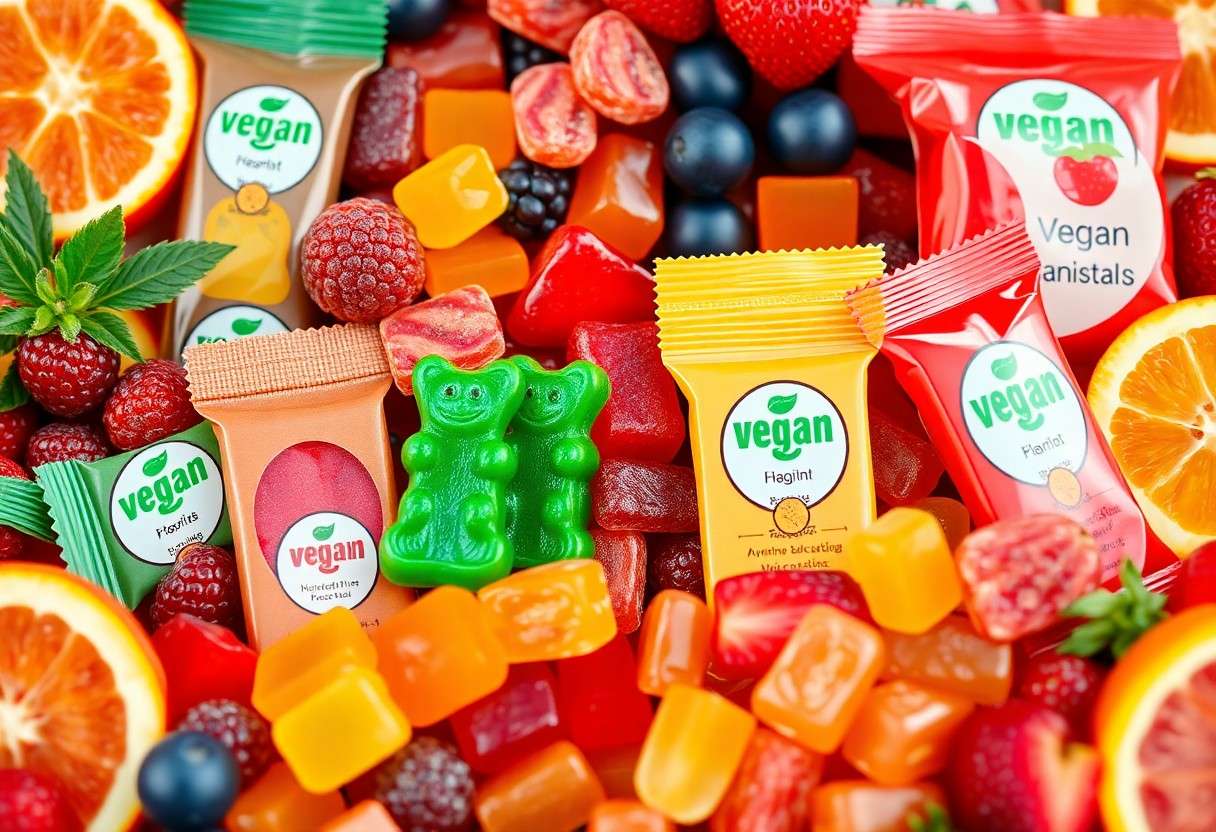
Many consumers like you are shifting towards healthier and more ethical choices, driving significant growth in the plant-based candy market. This trend not only highlights your desire for indulgence without animal-derived ingredients but also propels innovation in vegan confectionery solutions. As brands adapt to meet your needs, the landscape of sweets is evolving, offering a variety of delicious, guilt-free options that align with your values. Explore how this booming market is redefining treats for you and setting new standards in the confectionery industry.
Overview of the Plant-Based Candy Market
The global plant-based candy market has experienced significant growth, driven by a shift towards healthier and more sustainable snacking options. In 2023, the market was valued at approximately $3.5 billion and is projected to grow at a CAGR of 10% through 2030. This trend reflects not just a change in consumer preferences, but also an increase in innovation among manufacturers who are developing a variety of products that cater to this growing segment. From gummies to chocolate bars, the offerings have expanded, providing indulgence without compromising your dietary choices.
Current Market Trends
Many brands are leveraging plant-based ingredients to create confectionery goods that appeal to a wider audience. Innovative use of natural sweeteners like agave syrup, maple syrup, and date sugar is becoming more common, allowing for lower sugar content while maintaining appealing flavors. Additionally, the incorporation of functional ingredients, such as superfoods and adaptogens, into candies is making the category even more attractive. Consumers are not just looking for tasty treats; they’re seeking products that offer health benefits alongside satisfaction.
Consumer Demand for Vegan Options
The demand for vegan candy options has surged, with surveys indicating that over 50% of consumers are opting for plant-based snacks at least occasionally. This shift is influenced by a growing awareness of dietary impacts on personal health and environmental sustainability. Brands are responding by increasing their product lines to include a variety of vegan-friendly options, whether it’s through classic candy shapes or new textures and flavors derived from plants.
This trend extends beyond mere novelty; it’s part of a larger lifestyle change. Many consumers are integrating veganism not just as a diet, but as an ethical stance that favors cruelty-free and environmentally friendly products. As a result, you can expect to see enhanced product visibility in mainstream retail and online platforms, ensuring that access to vegan candy aligns with your lifestyle choices. This evolution reflects the broader movement towards conscientious consumption and the responsibility brands hold in meeting these evolving expectations.
Innovations in Vegan Confectionery
New Ingredients and Formulations
Your exploration of vegan confectionery reveals exciting advancements in ingredients and formulations. Manufacturers are increasingly turning to natural sweeteners like coconut nectar and agave syrup, which not only cater to prevailing health trends but also offer unique flavor profiles. Innovations such as the incorporation of aquafaba, the liquid leftover from cooking chickpeas, provide an egg-free solution that enhances texture in chewy candies and marshmallows. Additionally, plant-based alternatives for gelatin, like agar-agar and pectin, are gaining traction, enabling a broader array of gummy textures without animal byproducts.
Flavor innovation is equally notable, with brands experimenting with superfoods and botanicals to boost nutritional value. Ingredients like beetroot and turmeric not only add color but also enhance health benefits, appealing to consumers who seek functional foods. As you scan the shelf, expect to find chocolates infused with adaptogenic herbs or gummies containing vitamins and minerals derived from whole food sources, thus elevating traditional candy into something that aligns with wellness-oriented lifestyles.
Technology Advancements in Production
Technological advancements are revolutionizing the production process of vegan confections, streamlining manufacturing while ensuring product consistency and quality. Modern equipment allows for precision in ingredient blending and the ability to control temperature and humidity levels, imperative for achieving the ideal texture in plant-based candies. Innovations like 3D printing have made it possible to create intricate shapes and designs that capture consumer interest and differentiate brands in a competitive market.
The development of automated systems for mixing and molding accelerates production speed while reducing waste, a crucial factor in maintaining sustainability initiatives. You’re likely to see companies implementing artificial intelligence for recipe optimization, allowing for real-time adjustments based on ingredient characteristics. Beyond efficiency, these technological strides enhance the overall consumer experience by improving product availability and maintaining the integrity of plant-based ingredients.
Challenges Facing the Plant-Based Candy Industry
Sourcing Sustainable Ingredients
Sustainability remains a pressing challenge for the plant-based candy industry as you navigate the complexities of ingredient sourcing. Many popular plant-based substitutes, such as coconut sugar or agave, often involve practices that can strain local ecosystems if not harvested responsibly. Supply chains can be disrupted by environmental factors, which puts pressure on manufacturers to find alternatives that meet both sustainability criteria and consumer expectations. The increasing demand for organic and non-GMO certified ingredients further complicates the sourcing process, often leading to higher prices and limited availability.
Ethical sourcing is paramount, and you may find that some ingredients require rigorous certification processes that can delay production timelines. Additionally, transparency in ingredient sourcing is becoming increasingly important to consumers, pushing brands to disclose the origins of their components. Your commitment to sustainable practices may enhance brand loyalty but requires ongoing diligence to ensure that your sourcing strategies align with both market demands and environmental stewardship.
Cost Implications for Manufacturers
Cost implications for manufacturers in the plant-based candy industry can be significant. Sourcing sustainable and high-quality plant-based ingredients often incurs higher costs than traditional options. As you explore innovative confectionery solutions, you may notice that small-scale producers or specialty suppliers typically charge premium prices for ethical certifications or unique ingredients. This places a financial burden that can affect pricing strategies and overall profit margins.
Moreover, production processes involving advanced technologies or specialized equipment to accommodate new formulations can lead to increased operational expenses. The challenge intensifies as you balance the need to maintain affordability for consumers while preserving quality and sustainability. Understanding the long-term benefits of investing in sustainable practices can support your brand’s position in a competitive market, yet navigating these costs requires careful financial planning and strategic decision-making.
Competitive Landscape
Key Players in Vegan Confectionery
Your insights into the competitive landscape of vegan confectionery reveal a number of key players leading the charge in innovation and market expansion. Brands like Hu Chocolate, known for its clean ingredients and minimal processing, have captured a significant share of the consumer base looking for healthier alternatives. Another standout is Lily’s Sweets, which focuses on providing sugar-free options without compromising on taste. These companies not only emphasize the use of natural sweeteners and plant-based ingredients but also prioritize sustainable practices in their production processes.
Additionally, established brands such as Mars and Nestlé are making notable strides towards including vegan options within their portfolios, indicating a broadening interest within traditional markets. The emergence of niche brands has also fueled competitiveness, with smaller companies, like No Cow and Unreal, capturing attention with their innovative flavors and unique product offerings tailored to health-conscious consumers.
Market Share Analysis
The plant-based candy market has experienced rapid growth, driven by changing consumer preferences and a growing awareness of health and sustainability. Recent reports indicate that the global vegan confectionery market is projected to reach $4 billion by 2027, growing at a CAGR of over 11% from 2021. This surge is backed by increasing demand for products free from animal-derived ingredients, leading to a noticeable shift in market dynamics. Currently, North America and Europe dominate the market, accounting for nearly 60% of total sales, largely due to higher adoption rates of vegan diets in these regions.
In terms of market segmentation, chocolate-based confections hold the largest share, favored for their versatility and indulgence appeal. Gummies, jellies, and hard candies also contribute significantly, appealing to a diverse range of taste preferences. As more brands enter the landscape, your observation indicates a trend towards innovative flavor combinations and textures, further enhancing market attractiveness.
Overall, the rise in vegan confectionery aligns with broader lifestyle changes, with consumers increasingly seeking plant-based alternatives not only for health benefits but also for ethical and environmental reasons. This dynamic has created fertile ground for market players, contributing to a robust competitive landscape characterized by continuous product innovation and heightened consumer engagement.
Impacts on Traditional Confectionery
Market Disruption
The rise of the plant-based candy market has significantly disrupted traditional confectionery. Major brands are feeling the pressure to adapt, as consumers increasingly opt for products that align with their ethical and health-conscious values. In response, established companies are investing in research and development to create vegan alternatives of their popular candies, recognizing that failing to innovate could result in losing market share. For example, several chocolate giants have introduced dairy-free chocolate bars, catering to the growing demographic of lactose-intolerant consumers and vegans alike.
This shift is not just about adding new products; it’s a complete rethinking of ingredient sourcing and production methods. As brands must ensure that their offerings meet the quality and taste expectations of traditional sweets, they’re forming partnerships with suppliers specializing in plant-based ingredients, which can lead to increased costs and supply chain complexities. This transition ultimately pressures traditional confectionery businesses to innovate or risk becoming obsolete in a rapidly evolving market.
Trends in Traditional Candy Reformulation
Many traditional candy manufacturers are reformulating their recipes to embrace healthier and more sustainable practices. This trend often means substituting high-fructose corn syrup with natural sweeteners like agave nectar or monk fruit, aiming to appeal to health-conscious consumers. Additionally, the movement toward minimizing artificial flavors and colors is compelling brands to explore plant-based alternatives, enhancing both the nutritional profile and the appeal of their products.
As you observe the market, note the increasing prevalence of confectionery that highlights clean labels and transparency about ingredient sourcing. For instance, notorious candy brands are now incorporating superfoods like chia seeds or spirulina into their confections, promoting not just taste but also added health benefits. These reformulated candies aim to bridge the gap between indulgence and wellness, directly addressing the modern consumer’s desire for healthier treat options without sacrificing taste.
Future Outlook
Predictions for Market Growth
Market analysts anticipate that the plant-based candy sector will grow at an accelerated pace, with projections estimating a compound annual growth rate (CAGR) of approximately 14% over the next five years. With rising consumer awareness about health and environmental impacts, the demand for vegan alternatives continues to surge. You can expect significant investment in research and development as companies strive to create innovative formulations that cater to diverse dietary needs, including sugar-free and low-calorie options. This shift is reflected in the increasing market entries by established confectionery brands aligning their portfolios with plant-based offerings.
As your palate continues to evolve, the market is likely to see expansion into global flavors and textures that align with the diverse preferences of consumers. In addition to traditional sweets, you can anticipate a growing influx of gourmet and artisanal plant-based candies that appeal to luxury consumers looking for high-quality, ethically sourced ingredients. The intersection of health, indulgence, and sustainability creates a unique space for growth, driving both category innovation and heightened consumer interest.
Potential for New Product Categories
Emerging trends indicate the rise of new product categories within the plant-based candy market, such as functional candies fortified with vitamins and minerals or those incorporating adaptogens and superfoods. These innovations aim to provide not only delight but also additional health benefits, appealing to health-conscious consumers. Brands are exploring combinations of tastes and textures that enhance the eating experience while delivering functional advantages.
As the sector matures, opportunities for products that merge taste and health will likely proliferate. You might see plant-based candies infused with protein, targeted for active lifestyles, or indulgent treats that are entirely sugar-free. The embrace of sustainable sourcing and eco-friendly packaging will also pave the way for premium lines that resonate with environmentally aware shoppers, creating pathways for brands to leverage unique selling points while enhancing consumer loyalty.
Conclusion
Taking this into account, you can see that the plant-based candy market is experiencing significant growth, leading to exciting innovations in vegan confectionery solutions. As consumer demands shift towards healthier and more sustainable options, your focus on incorporating these products into your offerings can cater to a growing audience. This landscape not only enhances your product range but also positions your brand as a leader in ethical and health-conscious options.
This evolution in vegan candy illustrates the increasing importance of adapting to market trends. By embracing these innovations, you can ensure your products resonate with contemporary values around sustainability and wellness. For further insights on this emerging market, explore The Growth of Plant-Based and Vegan Confectionery. This information can support your strategic decisions as you expand your vegan confectionery offerings.


