How Plant Based Chocolate Delivers Indulgence Without Dairy
Many people discover plant-based chocolate gives you rich, creamy taste without milk; dairy-free formulas lower allergy and intolerance risks while cocoa, nut a

This article contains Amazon affiliate links. As an Amazon Associate, CandiesAndSweets earns from qualifying purchases.
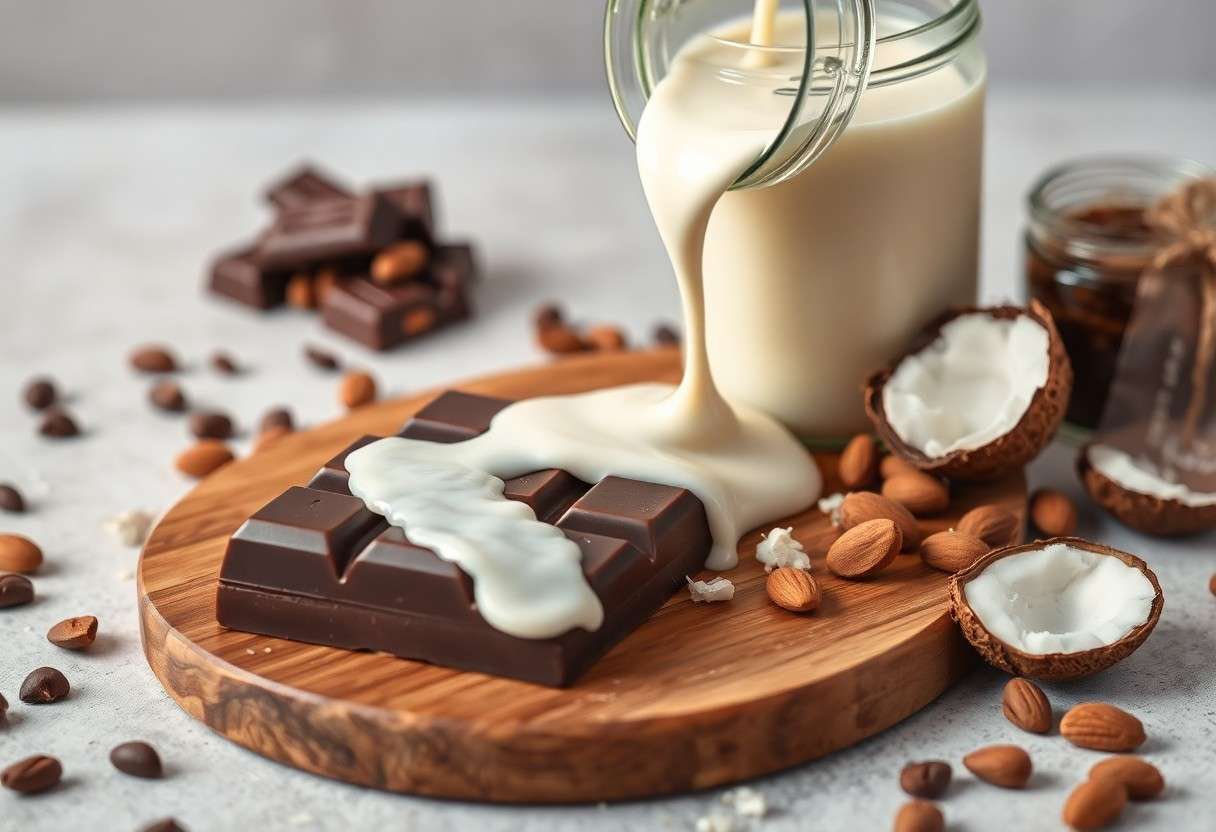
Many people discover plant-based chocolate gives you rich, creamy taste without milk; dairy-free formulas lower allergy and intolerance risks while cocoa, nut and oat bases deliver indulgent texture and antioxidants.
The Chemistry of Creaminess: Replicating Dairy Textures
Recreating milk’s velvet feel relies on the interplay of fat globules, protein networks and dissolved sugars; you mimic this by selecting plant fats with similar melting points and controlling particle size to reproduce that familiar coat on the palate.
Texture emerges from how dispersed fats and hydrated solids interact, so as you mill and temper crystals you can build creaminess at lower fat levels, while avoiding overheating or too much shear that will harm flavor and mouthfeel.
The Rise of Oat, Coconut, and Cashew Bases
Oat bases deliver silkiness through soluble fibers and starches that mimic milk body; you gain a creamy, neutral backdrop thanks to beta-glucans that bind water and lend stable thickness without heavy oils.
Coconut supplies immediate richness via solid fats that melt on the tongue, and you can blend cashew for extra silkiness, but be aware of high saturated fat in coconut and that cashew is a tree nut allergen when formulating products.
Emulsification Techniques for a Smooth Mouthfeel
Emulsifiers such as lecithin, mono- and diglycerides, and plant gums help you stabilize oil-in-water systems, preventing separation and producing a consistent, creamy sensation across temperature ranges.
High-shear processing and homogenization reduce droplet size so you perceive creaminess at lower fat; you must monitor conditions because excessive shear accelerates oxidation and can introduce off-notes.
Try matching emulsifier type and dose with careful temperature control during mixing so you avoid phase inversion and achieve a reliably smooth mouthfeel that consumers expect from dairy analogues.
Flavor Profiling and the Art of Balancing Cacao
Tasting single-origin and blended beans, you map acidity, bitterness, and floral or fruity notes to guide roast and blend choices so the chocolate stays lively without sharpness.
Blending lighter and darker roast profiles, you use plant fats and fine conching to build mouthfeel while preventing any one note from overpowering delicate cacao nuances.
Neutralizing Plant-Base Aftertastes
Masking unwanted plant aftertastes, you apply tiny amounts of citrus zest, a pinch of salt, or toasted nut powders to round astringency and reduce beany off-notes while preserving cocoa character.
Natural Sweeteners and Botanical Notes
Balancing sweetness and complexity, you prefer maple, date, or coconut sugar for depth; these sweeteners add caramel and fruity layers that harmonize with cacao and soften vegetal tangs.
Consider infusing vanilla beans, orange peel, or mild floral botanicals at low levels so you add aroma and perceived sweetness; start very small and adjust, using 0.2-0.5% by weight for potent extracts to avoid masking core cacao character.
Technical Innovations in Dairy-Free Production
Manufacturers equip you with advanced dosing systems, plant-based emulsifiers, and precise temperature control so you can mimic dairy textures while avoiding cross-contact with dairy. Process analytics and real-time monitoring ensure precise crystallization control, delivering consistent texture and shelf stability without sacrificing flavor.
Precision Tempering for the Ideal Snap
You rely on controlled tempering curves to form the desired cocoa butter polymorph and achieve a consistent snap. Tight control prevents fat bloom and surface defects, while careful heat management preserves delicate plant-derived fats and aroma compounds.
Micro-milling and Extended Conching Processes
Micro-milling reduces particle size below perceived grittiness thresholds so you get a silky mouthfeel without dairy. Extended conching refines acidity and off-notes, marrying texture and flavor into a clean, pronounced chocolate profile.
Conching targets particle sizes typically in the 15-25 micron range while you balance time and temperature; excessive heat can cause oxidation and flavor loss, so you monitor shear and oxygen exposure to protect texture and aroma.
The Nutritional Profile of Plant-Based Indulgence
You get more fiber, unsaturated fats, and plant-derived micronutrients in many plant-based chocolates, with higher antioxidant content and lower dairy-saturated fat, but you should watch for added sugars that can offset benefits.
Cocoa concentration and the choice of plant milks determine macronutrient balance, so you may enjoy less saturated fat than in milk chocolate, though some coconut-based recipes carry higher saturated fats.
Antioxidant Density and Bioavailability
Flavanols in cacao remain the main antioxidant source in plant-based chocolate, and you benefit when producers avoid heavy alkalization because minimal processing preserves antioxidant bioavailability.
Processing choices and fat pairings influence absorption, so you should favor bars that pair cacao with unsaturated plant fats to support better flavanol uptake and overall antioxidant effect.
Digestive Benefits of Lactose-Free Formulations
Lactose-free formulations spare you the digestive symptoms tied to lactose intolerance, offering reduced bloating and discomfort while maintaining indulgent texture through plant emulsifiers.
Gut health often improves when you replace dairy with plant alternatives, but you must monitor ingredients because sugar alcohols, certain thickeners, or nut allergens can still provoke symptoms in sensitive people.
Environmental and Ethical Implications
You reduce pressure on animal agriculture by choosing plant-based chocolate, cutting sources of methane and high dairy-related emissions while lowering water and land demands compared with dairy alternatives.
Plant-based choices also shift ethical burdens in supply chains, letting you favor brands that prioritize animal welfare and fair labor practices without supporting intensive dairy farming.
Comparing the Carbon Footprint of Dairy vs. Plants
Comparing lifecycle assessments, you typically see plant-based chocolate generating fewer greenhouse gas emissions per kilogram and consuming
Carbon Footprint Comparison
| Dairy | Plant-based |
|---|---|
| Higher CO2e/kg with methane emissions | Lower CO2e/kg and no methane |
| Greater land and water use | Reduced land and water footprint |
| Higher deforestation risk in some supply chains | Can support agroforestry and shade-grown systems |
Promoting Biodiversity through Sustainable Cacao Sourcing
Sourcing from shade-grown and agroforestry cacao lets you support farming that protects native habitats and preserves wildlife corridors instead of monoculture clearing.
Protecting biodiversity also means you can prioritize producers with traceable practices and certifications, ensuring your indulgence contributes to healthier ecosystems and community resilience.
Consumer Trends and the Future of Confectionery
Buying plant-based chocolate signals choices you make about flavor and ethics, as the market rewards innovation in texture and sourcing while hidden sugars and ingredient swaps pose consumer risks you should watch.
The Growth of the Premium Vegan Segment
Premium brands tempt you with single-origin beans and bean-to-bar stories that deliver luxury textures, prompting higher willingness to pay for provenance and traceability.
Mainstream Shifts Toward Ethical Indulgence
Retailers place plant-based ranges in core aisles so you encounter ethical options during routine shopping, and enhanced shelf visibility drives trial into habitual buying.
Taste trials confirm you often prefer plant-based formulations for their creamy mouthfeel and complex cocoa notes, even as labels must flag allergen cross-contact concerns.
Supply chain transparency lets you connect purchases to certifications and farmer premiums, giving you direct influence over ethical sourcing while cocoa price volatility remains a notable commercial risk.
Final Words
As a reminder you can enjoy the creamy, complex flavors of chocolate without dairy because plant-based fats, like cocoa butter and nut creams, recreate mouthfeel and richness while plant emulsifiers and sugar balance texture and snap. You benefit from allergen-free options, clearer ingredient sourcing, and often lower environmental impact, while artisanal techniques preserve cocoa intensity so your experience remains decadent and satisfying.


