Precision Fermentation Creates Novel Ingredients for Next-Generation Candy Formulations
There's a revolution happening in the candy industry, driven by precision fermentation, which allows you to create innovative ingredients that enhance flavor, t

This article contains Amazon affiliate links. As an Amazon Associate, CandiesAndSweets earns from qualifying purchases.
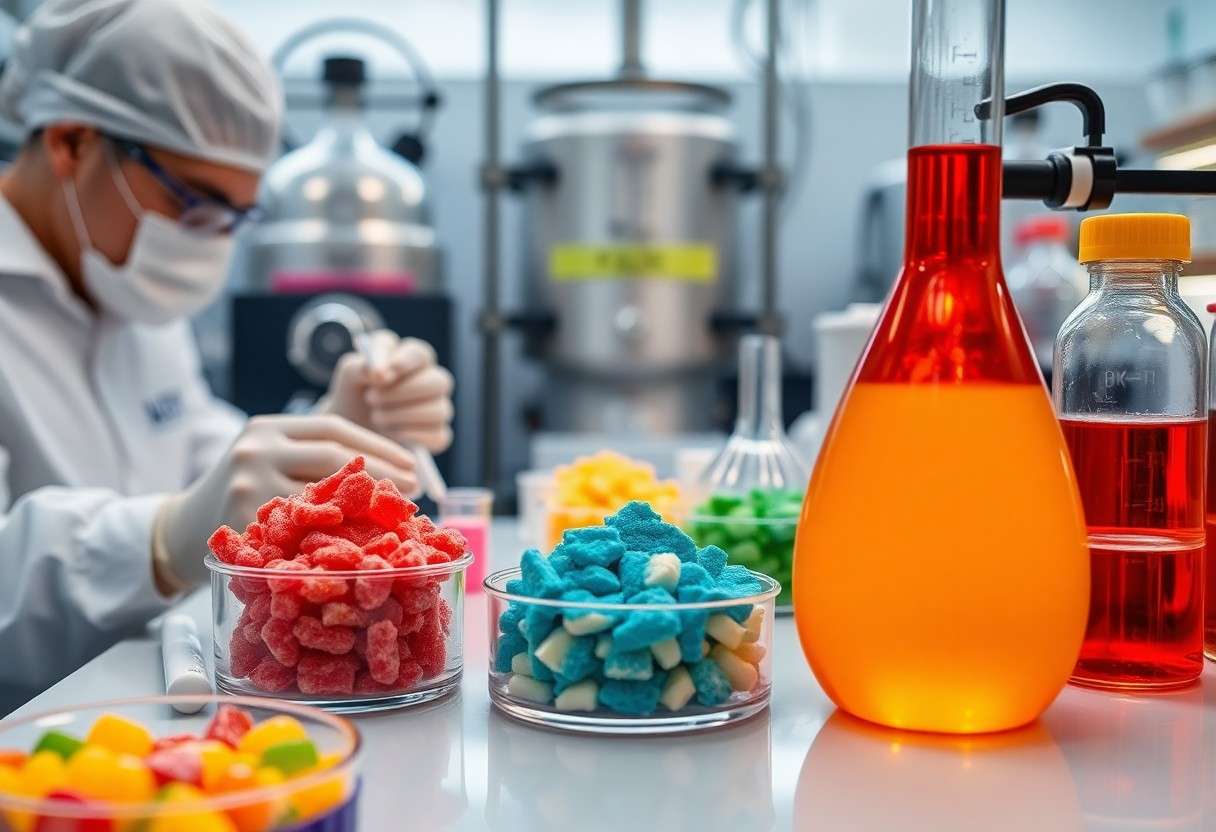
There’s a revolution happening in the candy industry, driven by precision fermentation, which allows you to create innovative ingredients that enhance flavor, texture, and sustainability. By harnessing advanced microbial processes, you can develop unique, high-quality components tailored to meet evolving consumer preferences. This transformative approach not only opens doors to healthier alternatives but also provides a pathway for reducing environmental impact in candy production. As you explore these possibilities, you’ll be positioned at the forefront of a sweet evolution in food technology.
The Science Behind Precision Fermentation
Definition and Overview
Precision fermentation refers to the use of specific microorganisms, such as bacteria or yeast, engineered to produce targeted compounds through fermentation. By manipulating the genetic makeup of these organisms, you can create ingredients with distinct flavor profiles, textures, or functionalities not readily available in traditional food sources. This approach enables the production of ingredients at a scale and efficiency that conventional methods often cannot match, providing a sustainable alternative to traditional sourcing.
Through precision fermentation, it’s possible to produce high-value compounds like proteins, sweeteners, and flavors, catering to the evolving preferences for plant-based and animal-free alternatives. Processes using genetically engineered strains allow for precise control over production conditions, ensuring consistent quality and potency of the results. This technique embodies a remarkable synergy between food technology and biotechnology, transforming how you think about sourcing ingredients for next-generation candy formulations.
Key Technologies in Precision Fermentation
Several pivotal technologies drive the success of precision fermentation. Synthetic biology, for instance, enables the design of organisms tailored to generate specific molecules. CRISPR gene editing has revolutionized the modification of microbial genomes, allowing you to enhance desired traits like yield and efficiency. Advanced bioreactor systems optimize the fermentation environment, ensuring microbes can thrive and produce compounds in large quantities.
Other technologies, such as metabolic engineering and systems biology, complement these advancements by streamlining metabolic pathways to enhance production rates. By employing these methods, you can convert simple substrates into complex compounds, opening up a myriad of possibilities for innovative candy formulations. With the integration of machine learning algorithms, you can also analyze data and refine fermentation processes, driving efficiency and consistency even further.
As you examine deeper into precision fermentation, you’ll find that ongoing research and development continue to unveil new capabilities within this field. From optimizing fermentation conditions to discovering novel microbial strains, each advancement amplifies your ability to create unique and appealing ingredients that can redefine confectionery experiences.
Advantages of Precision Fermentation in Candy Production
Enhanced Flavor Profiles
Utilizing precision fermentation allows you to create complex flavor profiles that traditional methods struggle to achieve. By manipulating specific microorganisms and fermentation conditions, you can produce unique flavor compounds that enhance the overall sensory experience of your candy products. For instance, certain yeast strains can be harnessed to create fruity esters or savory notes, giving your confections a depth and richness that captivates consumers.
Notably, precision fermentation can also tailor flavors to meet specific consumer preferences, such as the increasing demand for natural ingredients. With the ability to generate flavors without artificial additives, you can market your candies as both innovative and cleaner-label, appealing to the health-conscious segment of the market.
Improved Nutritional Value
Precision fermentation not only enhances flavors but also boosts the nutritional profile of your candies. By incorporating bioactive compounds, such as vitamins or plant-based proteins, you can transform treats from mere indulgences into functional snacks. Through careful selection of fermentation mediums, you might find opportunities to infuse your products with probiotics, contributing to gut health and overall wellness.
This process can also facilitate the reduction of sugar content without sacrificing taste, as fermentation can produce sweetness through natural means. By using precision fermentation, you can create lower-calorie candies that appeal to a broader audience, including those managing specific dietary needs.
Incorporating ingredients like plant-based proteins and vitamins derived from fermentation not only elevates the nutritional profile of your offerings but also aligns with consumer trends favoring health and wellness. The resulting candies can help differentiate your brand in a competitive market while meeting the growing demand for healthier snack options.
Novel Ingredients Derived from Precision Fermentation
Flavor Enhancers
Flavor enhancers derived from precision fermentation provide a pathway to creating unique and vibrant taste experiences in candy formulations. Utilizing engineered microorganisms, you can produce specific flavor compounds, such as isobutyrate or ethyl butyrate, that replicate the taste profiles of natural fruits or other desired flavors. This method not only reduces reliance on traditional flavoring sources but also ensures consistent quality and availability, enhancing your ability to innovate in flavor combinations.
The versatility of these flavor enhancers is exemplified by companies experimenting with novel blends that include notes of umami or even savory profiles, traditionally absent in candies. For instance, incorporating fermented compounds can offer depth to your formulas, appealing to adventurous consumers who seek new taste adventures in their sweet treats.
Texturing Agents
Texturing agents that result from precision fermentation can transform the mouthfeel and overall sensory experience of your candies. By harnessing specific microbial processes, you can create agents like protein-based gels or polysaccharides that provide distinct textures, whether you’re aiming for chewiness in gummies or creaminess in chocolates. Such ingredients allow for the crafting of products that aren’t just delightful to taste but also engaging to enjoy, elevating the candy experience.
The advantages of using precision fermentation for texturing agents include the ability to tweak textures on a molecular level. For example, fermentative processes can yield plant-derived proteins that offer elasticity similar to traditional gelatin, making your vegan candy options not only feasible but also appealing to a broader audience. Such innovations enable you to meet the growing demand for alternative ingredients without compromising on quality or mouthfeel.
Environmental Impact and Sustainability
Reduced Carbon Footprint
The shift to precision fermentation significantly lowers the carbon footprint associated with candy production. Utilizing microorganisms to synthesize key ingredients reduces reliance on traditional agriculture, which often involves high emissions from land use, fertilizers, and transportation. For instance, by replacing sugar or fat sources with microbial fermentation, companies can achieve ingredient manufacturing that emits up to 90% less CO2 compared to conventional methods. This reduction not only helps in addressing climate change but provides a compelling narrative for eco-conscious consumers who prefer sustainable products.
Resource Efficiency
Precision fermentation optimizes the use of resources through highly efficient production processes. By using a fraction of the water, land, and energy typically required for agricultural methods, microbe-based ingredient production allows for greater scalability without placing undue strain on the environment. Research indicates that fermentation can yield ingredients at a rate ten times that of traditional farming, dramatically increasing output while minimizing input. This efficiency is crucial for meeting the growing global demand for candy and other food products without exacerbating resource scarcity.
Additionally, your focus on resource efficiency extends beyond just water and land usage. The closed-loop systems employed in fermentation processes often lead to minimized waste, with by-products recycled into the production cycle. This not only conserves resources but also enhances overall productivity. As a result, adopting precision fermentation techniques positions your candy formulations as not only innovative but also a responsible choice in a market increasingly concerned with sustainability and environmental impact.
Market Trends and Consumer Demand
Shifts in Consumer Preferences
Your consumers are increasingly seeking products that not only satisfy their sweet cravings but also align with their health and ethical values. A significant portion of the market now prioritizes clean labels, transparency, and sustainability in food production. According to recent surveys, over 70% of consumers are willing to pay a premium for snacks that feature natural ingredients and innovative processing methods. This means that your candy formulations need to resonate with these values to attract a loyal customer base.
Health-conscious choices have surged, influencing ingredient selection. Items rich in plant-based components, lower in sugar, and high in functional benefits are now at the forefront. The demand for candies with added nutritional benefits or enhanced flavors without traditional additives prompts you to explore options like precision fermentation for novel ingredients that meet these criteria. This shift not only fosters consumer interest but also drives your formulation strategies.
Growth of the Novel Ingredient Market
The novel ingredient market is expanding rapidly, forecasted to grow at a CAGR of 15% through the next five years. Factors like consumer awareness regarding health and environmental issues play a significant role in this growth. As a result, the demand for ingredients derived from precision fermentation is growing, allowing companies to innovate and differentiate their candy offerings. Examples include plant-based sweeteners, sustainable flavor enhancers, and proteins that appeal to both vegan and health-focused demographics.
Your potential to tap into this novel ingredient market goes beyond immediate profits; it taps into broader lifestyle trends. Brands leveraging precision fermentation can position themselves as pioneers in the confectionery industry. This not only enhances their market presence but also meets the increasing consumer demand for sustainable and health-oriented products. With an ever-evolving landscape, staying ahead of these trends will be vital for long-term success.
Regulatory Considerations
Safety Assessments
Before introducing any novel ingredients derived from precision fermentation into the market, comprehensive safety assessments are mandatory. These evaluations typically involve toxicological studies to assess potential health risks associated with consumption. Regulatory bodies like the FDA and EFSA require these studies to determine the ingredient’s safety profile, which includes understanding how the ingredient interacts with human physiology, potential allergens, and any long-term effects that may arise from consumption. You will find that involving experts in food science and toxicology can streamline the assessment process, ensuring compliance with local and international regulations.
The Generally Recognized As Safe (GRAS) status may also apply to some fermented ingredients, expediting their path to market. If your ingredient is deemed GRAS, it simplifies the regulatory hurdles, saving time and resources. However, being proactive in gathering comprehensive safety data and documentation is imperative, as regulatory scrutiny is increasing around the safety of innovative food ingredients.
Labeling and Transparency
Labeling requirements for products containing precision fermentation ingredients can vary significantly depending on regional regulations. Transparency in labeling helps you meet consumer demand for information while adhering to legal obligations. If you are developing candy products with these novel ingredients, clarity on sourcing and production methods in your ingredient list can enhance brand trust. For example, providing information about the fermentation process and the specific microorganisms involved can reassure consumers about the integrity and safety of your product.
Documents from organizations like the FDA emphasize that clear, accurate labeling is imperative, as consumers increasingly demand more information about food ingredients and their origins. By providing detailed descriptions, you can foster a connection with your audience who prioritize transparency. Certain regions also mandate specific claims on labels; knowing these can influence your marketing strategies, ensuring your products align with consumer preferences while remaining compliant with regulatory standards.
Your label should not only comply with regulations but also resonate with consumer values. Highlighting aspects like sustainability, the absence of artificial additives, or the use of non-GMO sources can differentiate your product in a competitive market. Emphasizing these points encourages consumer engagement, tapping into the growing trend of conscientious consumption.
Final Words
Presently, you are witnessing a transformative shift in the candy industry driven by precision fermentation. This innovative technology enables the creation of novel ingredients that enhance flavor profiles, improve texture, and even provide health benefits without compromising on taste. As consumer demand for unique and cleaner ingredients increases, your ability to leverage these advancements will be vital for developing next-generation candy formulations that resonate with modern palates.
By embracing precision fermentation, you position your products at the forefront of food innovation. The integration of ingredients produced through this method not only sets your candy apart but also addresses sustainability concerns that are becoming more significant to consumers. For insights on the financial backing and potential of this field, consider exploring the Novel Foods Group Reveals $500M Precision … initiative, which highlights the growing investment and commitment to these groundbreaking food technologies. Your proactive approach can ensure that you remain competitive in an evolving marketplace.