Renewable Energy Powers Sustainable Confectionery Production Facilities
It's vital for you to understand how renewable energy is transforming the confectionery industry. By adopting solar, wind, and other sustainable sources, your p

This article contains Amazon affiliate links. As an Amazon Associate, CandiesAndSweets earns from qualifying purchases.
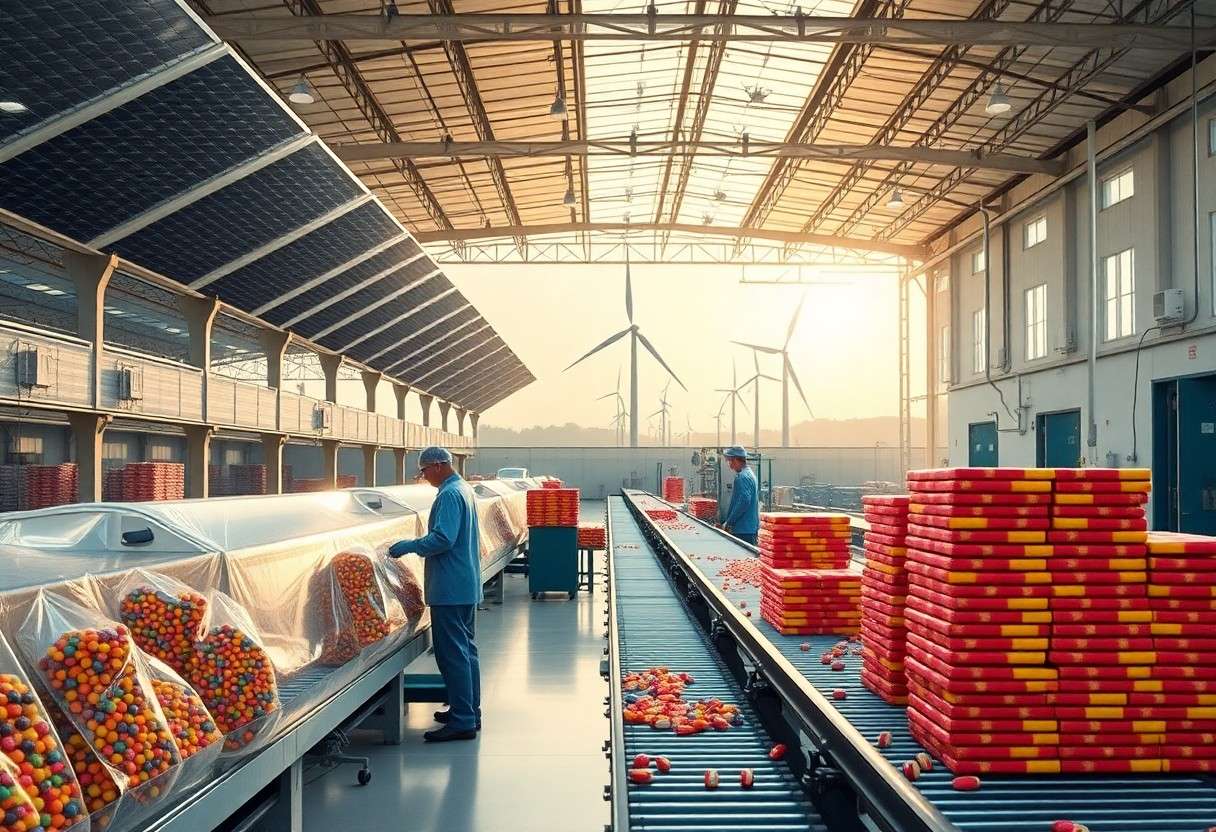
It’s vital for you to understand how renewable energy is transforming the confectionery industry. By adopting solar, wind, and other sustainable sources, your production facilities can significantly reduce carbon emissions and operational costs. This shift not only enhances your brand’s eco-friendly image but also meets the growing consumer demand for sustainable practices. Exploring innovative technologies and energy solutions will empower you to lead in a market increasingly focused on environmental responsibility.
Importance of Renewable Energy in Industry
Environmental Benefits
You play a significant role in reducing greenhouse gas emissions by opting for renewable energy sources in your production facilities. For instance, transitioning to solar or wind energy can lead to a substantial decrease in your carbon footprint. Studies show that businesses using renewable energy can lower their emissions by up to 40% compared to traditional fossil fuel sources. This transformation contributes to cleaner air and a healthier planet, aligning your operations with global sustainability goals.
Your commitment to using renewable energy can enhance biodiversity and reduce environmental degradation. The shift away from fossil fuels minimizes habitat destruction often caused by resource extraction. By investing in renewable technologies, you actively support ecosystems and encourage sustainable practices within the entire supply chain, fostering a more resilient environment for future generations.
Economic Advantages
Utilizing renewable energy can lead to significant cost savings for your operation. The decreasing costs of technologies like solar panels and wind turbines make them increasingly accessible, with some businesses reporting a 70% drop in installation costs over the past decade. Long-term savings often outpace initial investments, with many facilities seeing a return on investment in just a few years due to lower energy bills and reduced susceptibility to fluctuating fossil fuel prices.
In addition to immediate financial benefits, leveraging renewable energy can enhance your brand’s value and marketability. Consumers increasingly prefer products from environmentally responsible companies, potentially boosting your sales and market share. Certification in renewable energy usage can also open new funding avenues, as many investors and financial institutions prioritize sustainability-focused initiatives. Aligning your business model with renewable energy not only strengthens your competitive edge but also improves your reputation among stakeholders.
Overview of Sustainable Confectionery Production
Definition and Principles
Sustainable confectionery production focuses on creating sweet treats while minimizing environmental impacts and promoting social responsibility. You engage in practices that aim to preserve biodiversity, reduce waste, and lower carbon footprints. The principles emphasize sourcing raw materials ethically, utilizing renewable resources, and supporting local economies, ensuring that your production processes contribute positively to the environment and society.
By adopting a circular economy approach, you prioritize the efficient use of resources, recycling materials, and reducing energy consumption. This methodology not only enhances your brand’s sustainability credentials but also appeals to increasingly eco-conscious consumers seeking transparency in sourcing and manufacturing practices.
Examples of Sustainable Practices
Incorporating sustainable practices into confectionery production can take many forms. You might notice brands sourcing organic cocoa from Fair Trade cooperatives, ensuring that farmers receive fair compensation. Other companies optimize their energy use by installing solar panels and utilizing energy-efficient machinery, significantly reducing overall emissions and operational costs.
Innovative waste reduction strategies also play a key role. Some producers repurpose by-products, such as using spent sugar beet pulp for animal feed or converting unused chocolate into biscotti. These practices not only minimize waste but enhance product offerings, making your production line more diverse and profitable. Embracing these examples can position your brand at the forefront of sustainability in the confectionery industry.
Types of Renewable Energy Sources
| Type of Renewable Energy | Description |
|---|---|
| Solar Energy | Harnessing sunlight through photovoltaic cells or solar thermal systems. |
| Wind Energy | Utilizing wind turbines to convert kinetic energy from wind into electricity. |
| Biomass Energy | Generating energy from organic materials, including plant and animal waste. |
| Geothermal Energy | Using heat from the Earth’s core for heating and electricity generation. |
| Hydropower | Generating power from moving or falling water, typically through dams. |
Any energy source listed can significantly reduce the carbon footprint of confectionery production facilities.
Solar Energy
Solar energy is a prominent choice for sustainable confectionery production, allowing factories to integrate renewable energy into their operations efficiently. By installing solar panels on rooftops or nearby land, manufacturers can generate enough electricity to power machinery, lighting, and ventilation systems. For instance, a confectionery facility using a 500 KW solar system could offset nearly 60% of its annual energy consumption, translating into substantial cost savings over time.
Moreover, innovative solar technologies, such as concentrated solar power (CSP), can provide as much as 24 hours of electricity storage. This means factory operations can run uninterrupted during nighttime or cloudy periods, ensuring production flow consistency. Investing in solar energy not only supports corporate social responsibility goals but also attracts eco-conscious consumers.
Wind Energy
Wind energy has emerged as a viable option for confectionery production, especially in areas with consistent wind patterns. By installing wind turbines, facilities can tap into a clean energy source that provides substantial electricity to power their operations. The scalability of wind projects makes them adaptable to various facility sizes, from small plants using a single turbine to larger factories employing multiple units. A typical medium-sized turbine can produce enough electricity to power approximately 500 homes annually, indicating the impressive potential for industrial use.
Furthermore, wind energy complements other renewable sources, creating a reliable energy mix. This diversity in energy procurement enhances sustainability efforts while also stabilizing energy costs for production. You’ll achieve greater energy independence and often benefit from government incentives for utilizing wind resources.
The advancements in turbine technology also contribute to efficiency and sustainability, with modern designs reducing noise and increasing energy capture, making wind energy an attractive option for your confectionery production facility.
Biomass Energy
Biomass energy leverages organic waste from confectionery processes, converting it into a renewable energy source. This method is particularly advantageous as it not only provides power but also minimizes waste. By using byproducts such as sugarcane bagasse, cocoa shells, or even discarded packaging, you can generate electricity and heat through combustion or anaerobic digestion. Such practices can yield about 20% of the facility’s energy, directly contributing to its sustainability goals.
Moreover, implementing biomass systems can enhance a factory’s waste management strategy, transforming potential landfill contributions into valuable energy. Regulatory compliance and eco-labeling become more favorable as your facility adopts biomass energy systems, demonstrating a commitment to environmental sustainability.
These technologies continue to evolve, making biomass energy more efficient and accessible for manufacturers aiming for a greener footprint.
Case Studies in Sustainable Confectionery Facilities
Several confectionery companies have successfully integrated renewable energy and sustainable practices into their production facilities, showcasing innovative approaches and significant outcomes. These case studies highlight not only the potential of renewable resources but also how they can redefine industry standards.
- Chocolate Manufacturer A: Implemented a solar panel system that powers 70% of its operations, reducing carbon emissions by 200 tons annually.
- Gummy Candy Company B: Transitioned to wind energy, resulting in a 50% decrease in energy costs and supplying electricity for two production lines.
- Artisan Confectioner C: Utilized biogas from organic waste, achieving a 30% energy self-sufficiency rate while lowering waste output by 40%.
- Chocolate Bar Producer D: Installed geothermal energy systems which cut heating costs by 60% and improved overall energy efficiency by 25%.
Successful Implementations
Implementing renewable energy solutions in your confectionery facility can lead to impressive results. For instance, Chocolate Manufacturer A’s use of solar energy significantly cut down their reliance on grid power, allowing for substantial savings that were reinvested into local community programs. By operating sustainably, they attracted customers who prioritize eco-friendly products, enhancing brand loyalty.
Similarly, Gummy Candy Company B’s transition to wind energy not only reduced operational costs by 50% but also allowed them to market their products as made with “100% renewable electricity.” You might find that such marketing strategies can resonate well with environmentally-conscious consumers, driving sales and improving overall market competitiveness.
Lessons Learned
Engaging in renewable energy projects often uncovers challenges and unexpected benefits along the way. Companies frequently report the necessity of thorough initial assessments and community involvement to ensure smooth transitions and greater acceptance. Proper training for your staff can also drastically improve implementation effectiveness, as knowledgeable teams maximize the benefits of new technologies.
Feedback from these case studies illustrates the importance of adaptability. For instance, while Chocolate Manufacturer A capitalized on solar energy, they adjusted production schedules to optimize energy usage throughout the day. Gummy Candy Company B faced initial resistance from leadership but demonstrated through pilot programs that renewable energy investments would yield long-term savings and sustainability benefits. This adaptability not only ensures operational efficiency but also cultivates a culture of innovation and environmental stewardship within your facility.
Challenges and Barriers to Adoption
Technical and Financial Obstacles
Transitioning to renewable energy sources in confectionery production often involves significant upfront costs. You may face initial investment hurdles when installing solar panels or wind turbines, which can deter smaller facilities from making the switch. The integrating innovative technologies often requires specialized equipment and expertise, potentially leading to further expenditures. Financial models may not currently account for long-term savings from renewable energy, adding to the reluctance to invest in such initiatives.
Moreover, the unpredictability of renewable energy production can complicate operational plans. You could encounter challenges with energy storage and backup systems, especially when relying on solar or wind. Without robust strategies to address fluctuations in energy availability, maintaining consistent production schedules while maximizing efficiency becomes harder.
Regulatory and Market Limitations
Regulatory frameworks can significantly impede your plans to adopt renewable energy in confectionery production. In many regions, outdated regulations may favor fossil fuel sources or offer limited incentives for renewable investments. For example, incentives such as tax credits or grants may not be accessible to all facilities, leading to an uneven playing field where larger competitors benefit disproportionately from available subsidies.
Market limitations also play a role, as competition for renewable energy can be fierce. You might find that renewable energy credits or green energy tariffs vary significantly based on geographic location, making it difficult to secure favorable pricing. Additionally, some markets may lack infrastructure for integrating renewable solutions, restricting your options for sourcing and utilizing clean energy effectively.
In some cases, you could experience a disconnect between consumer demand for sustainably produced goods and the market’s ability to support those demands. While many consumers express a preference for products from environmentally responsible manufacturers, there may be insufficient market mechanisms to reward those adopting renewable practices. This gap can discourage companies from making the necessary investments to shift towards sustainable energy sources, perpetuating the reliance on traditional energy systems.
Future Trends in Renewable Energy for Confectionery
Innovations on the Horizon
Advancements in renewable energy technologies are on track to significantly improve the sustainability of confectionery production facilities. You can expect to see an increase in the adoption of solar panels integrated into building designs, which can generate substantial amounts of energy while enhancing aesthetic appeal. Innovations such as energy storage solutions, which allow facilities to harness solar power for use during peak demand hours or at night, will also play a pivotal role in maintaining efficient operations. The potential for biogas production from organic waste generated during candy manufacturing can create an energy loop, where your facility not only reduces waste but also generates renewable energy from it.
Additionally, breakthroughs in smart energy management systems are transforming how confectionery plants operate. These systems can analyze energy consumption patterns in real-time, enabling you to pinpoint inefficiencies and minimize wastage. The exploration of hydrogen fuel cells as a clean energy source is also gaining traction. With industry leaders investing in research and development, these innovations promise a more renewable-powered future for confectionery production, aligning with global sustainability goals.
The Role of Consumer Demand
Shifting consumer preferences towards sustainable and eco-friendly products are propelling the confectionery sector to adopt renewable energy practices. You might notice that brands emphasizing their commitment to environmental responsibility are witnessing a surge in sales, as consumers increasingly seek transparency about sourcing and production methods. Retailers are responding by prioritizing partnerships with manufacturers that utilize renewable energy, thereby pushing the entire industry towards greener practices.
The demand for organic and sustainably produced confectionery is not just a niche market; studies reveal that over 70% of consumers in key demographics are willing to pay a premium for products that align with their values. This growing consumer consciousness is driving confectionery brands to not only invest in renewable energy but also to market these initiatives effectively. By leveraging sustainability as a key selling point, you can capture the loyalty of a socially aware customer base eager for eco-friendly options.
To wrap up
Following this, you can see how integrating renewable energy sources into confectionery production facilities not only enhances sustainability but also aligns with growing consumer demand for environmentally conscious products. By investing in renewable energy, your manufacturing operations can reduce carbon footprints and potentially lower long-term energy costs. Staying informed about industry leaders, such as Mars, which has made significant strides by committing billions to renewable energy initiatives, can serve as a model for your own sustainability efforts. Learn more about this initiative here.


