Russian Confectionery Techniques Influence Texture Innovation in International Products
It's fascinating how Russian confectionery techniques have reshaped texture in global sweets, offering you a deeper understanding of this culinary evolution. By

This article contains Amazon affiliate links. As an Amazon Associate, CandiesAndSweets earns from qualifying purchases.
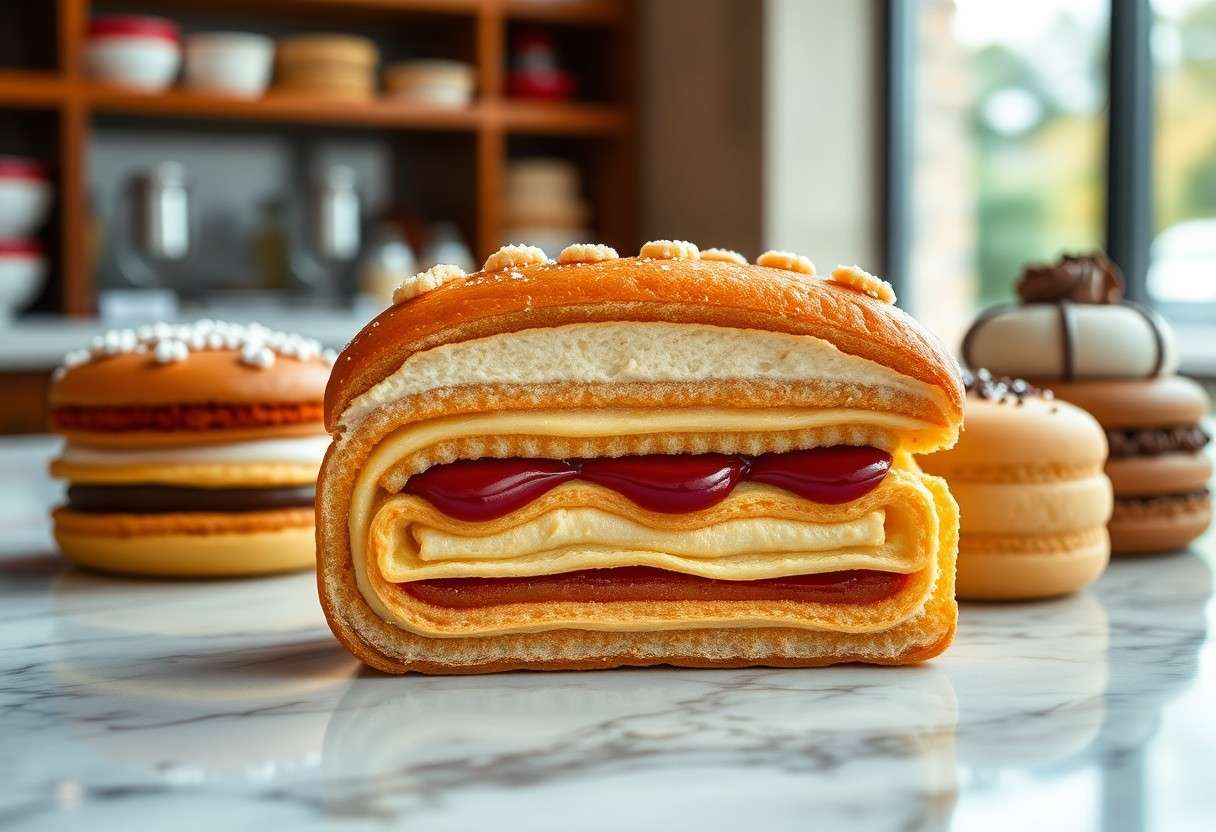
It’s fascinating how Russian confectionery techniques have reshaped texture in global sweets, offering you a deeper understanding of this culinary evolution. By blending traditional methods with modern practices, these techniques encourage creativity and innovation in texture, thereby enhancing your enjoyment of confections. This post explores how Russian approaches—from puffy marshmallows to delectable pralines—serve as inspiration for international manufacturers, ultimately transforming your confectionery experience.
Historical Context of Russian Confectionery Techniques
Traditional Methods and Ingredients
Throughout history, Russian confectionery has been characterized by its reliance on local ingredients and age-old techniques that highlight the richness of the region’s natural resources. You would find traditional sweets made from honey, nuts, dried fruits, and fermented dairy products, which were often used to craft elaborate pastries and creams. Techniques like boiling, whipping, and layering were commonly employed, with specific methods for preparing unique items such as pastila and prjaniki, which still evoke nostalgia across generations.
Your palate can explore the intricacies of these traditional recipes, where the balance of sweetness and texture plays a pivotal role. For instance, the use of gelatin derived from fish and agar-agar as thickening agents reflects a resourceful adaptation to local conditions. These ingredients also impart a distinctive chewiness and elasticity, leading to a diversity of textures not commonly found in Western confections.
Evolution of Techniques Over Time
The Russian confectionery landscape has undergone significant transformations, especially in the post-Soviet era, as globalization introduced new ingredients and techniques. Incorporating foreign culinary influences, you would notice a fusion of traditional flavors with modern elements, such as the integration of exotic spices and the adaption of European baking techniques. This blending resulted in innovative confections that maintain a sense of cultural heritage while appealing to contemporary tastes.
In the late 20th century, advancements in technology and the availability of new equipment allowed for greater precision in texture creation. Techniques such as tempering chocolate and professional whipping machines revolutionized how many traditional confections were produced. Classic pastries have been reimagined, integrating processes like flash freezing and vacuum packing that help preserve freshness and enhance overall texture. This ongoing evolution demonstrates an intriguing interplay between tradition and innovation, emphasizing the adaptability of Russian confectionery techniques in an ever-changing culinary landscape.
Key Texture Innovations in Russian Sweets
The Role of Temperature and Humidity
Temperature and humidity significantly affect the texture of Russian sweets. For instance, during the production of traditional meringues, maintaining a stable room temperature is key to achieving the desired crisp exterior while ensuring a soft, chewy interior. Differing humidity levels can lead to variations in sugar crystallization, impacting the final product’s texture. You’ll find that confectioners test different temperature ranges to determine the sweet spot that preserves moisture without sacrificing that classic crunch.
Similarly, the gelatinization process in treats like marshmallows relies heavily on humidity. Excess humidity can cause them to become sticky and lose that signature elasticity. Confectioners meticulously monitor environmental conditions to adjust their recipes, ensuring optimal texture and taste in every batch. This knowledge allows you to appreciate the fine balance required in creating these confections, shaping not just flavor but also the overall eating experience.
| Condition | Effect on Texture |
|---|---|
| High Temperature | Softens structure, may lead to melting |
| Low Temperature | Enhances firmness and crispness |
| High Humidity | Causes stickiness and dullness in flavor |
| Low Humidity | Preserves texture and prolongs shelf life |
Incorporation of Air and Foam
Incorporating air and foam is a foundational technique in Russian confectionery, particularly evident in products like soufflés and whipped icing. The aeration process not only adds volume but also contributes a light, airy texture that contrasts richly with denser components. When you whip egg whites for meringues, you introduce air that, upon baking, expands and sets the structure, creating that quintcrucial melt-in-your-mouth sensation. Sophisticated methods of folding and emulsifying are applied to ensure that air is evenly distributed throughout the mixture, enhancing both texture and taste in the final confection.
As you probe deeper into these techniques, consider how different equipment—from industrial mixers to handheld whisks—affects the aeration’s efficiency. The speed and duration of mixing can significantly influence the final texture, with over-aeration leading to a fragile structure and under-aeration resulting in heaviness. Innovations in this area have inspired international confectioners to adapt similar techniques, recognizing the balance between air incorporation and other ingredients as pivotal to achieving a desirable texture in their products.
Influence on International Confectionery
Global Adoption of Russian Techniques
Your exploration of Russian confectionery techniques reveals a broader trend of integration within international markets. You’ll find that many global brands have started incorporating these techniques to enhance texture and flavor profiles. For example, the use of traditional Russian methods such as lamination in pastry has created flaky textures in products across Europe and North America. This has led to a fusion of cultural techniques resulting in innovative products that appeal to diverse palates.
Several confectioners have begun experimenting with ingredients that are hallmark features of Russian sweets, such as condensed milk and nuts. These ingredients not only add unique flavors but also improve mouthfeel, enhancing consumer sensory experience. The rise of artisanal and premium confectionery products has paved the way for adopting these time-honored techniques, as consumers seek authenticity and quality in their treats.
Case Studies of Successful Products
Case studies illustrate the effective application of Russian confectionery techniques in successful international products. Companies that have embraced these innovations often see a significant uptick in market share, aligning with trends towards gourmet and unique culinary experiences. Products that showcase the successful integration of these techniques often lead to new market entries and revived consumer interest in traditional flavors.
- Konditor & Cook (UK) – Adoption of Kasha (buckwheat) flour in cakes resulted in a 25% increase in sales for gluten-free products.
- Ferrero (Italy) – The addition of laminated layers inspired by Russian Napoleon cake boosted seasonal product sales by 30% during the holidays.
- Häagen-Dazs (US) – Introduction of a condensed milk-based ice cream flavor influenced by Russian sweets led to a 15% increase in ice cream sales in 2022.
- Dobrynia (Russia, with international distribution) – Expansion of traditional sweets using modern techniques achieved a 50% sales growth in Western markets.
These case studies highlight not just the successful adaptation of techniques but also the tangible impact on sales and brand reputation. By leveraging the unique textures and flavors characteristic of Russian confectionery, these companies have carved out distinct competitive advantages, ultimately fostering greater consumer loyalty and driving market innovation.
Technological Advancements in Texture Creation
Modern Equipment and Methods
Your understanding of texture in confectionery is enhanced by the advancements in equipment that streamline texture creation. Innovations such as vacuum processors and advanced emulsifiers enable precise control over air incorporation and fat distribution. For example, the use of microfluidizers allows for the homogenization of ingredients at a molecular level, resulting in remarkably smooth and creamy textures in products like creams and mousses. Furthermore, technology such as robotic depositors ensures consistent application, aligning with the varying texture profiles desired in different confections.
Another significant development is the incorporation of high-accuracy temperature controls during production, which is vital for textures like those found in Russian pastila and marmalade. This precision helps maintain the integrity of sensitive ingredients, preventing unwanted crystallization and texture alterations. Equipments that integrate real-time monitoring tools further assist in achieving desired textural qualities, enabling confectioners to make adjustments on-the-fly for optimal outcomes.
Impact on Production Efficiency
Advancements in technology have a pronounced impact on production efficiency in the confectionery industry. Automated systems significantly reduce labor costs while increasing precision and speed in production lines. For instance, the application of extruders enables rapid production of extruded confections, reducing the time needed to achieve the ideal texture through traditional methods. As a result, you can achieve higher output rates without sacrificing quality, allowing for the mass production of innovative texture profiles that appeal to diverse markets.
This increase in efficiency allows for more agile responses to market demands. With shorter production cycles and improved consistency, your ability to introduce seasonal or limited-edition products enhances your competitive edge. Companies can quickly pivot to capture trends in texture while maintaining profitability, making technological investment a key factor in business growth.
Sensory Perception and Consumer Preferences
The Importance of Texture in Confectionery
Texture plays a pivotal role in the overall sensory experience of confectionery products. You may find that the mouthfeel of a sweet—whether it’s creamy, chewy, crispy, or airy—can significantly impact your enjoyment and preference. For instance, the contrast between a velvety chocolate ganache and a crisp sugar shell creates a multisensory experience that heightens flavor perception and satisfaction. This interplay between texture and taste is not merely anecdotal; studies reveal that 70% of consumers associate positive experiences with specific textures, making it a vital consideration in product development.
Your choices in confectionery are often driven by texture-related preferences, indicating its central role in decision-making. For example, younger consumers tend to favor products with playful, unexpected textures, while older demographics often prefer traditional, familiar mouthfeels. Crafting a product that resonates with your texture expectations can elevate the brand’s appeal and foster loyalty, showcasing why confectioners pay meticulous attention to texture innovation.
Market Trends and Consumer Feedback
Current market trends reflect a growing consumer appetite for unique and innovative textures in confectionery. You may notice a surge in demand for products that blend different textures in unexpected ways, fueling the rise of hybrid sweets such as crunchy chocolate bars or soft caramel centers encased in crispy shells. Feedback from focus groups and consumer surveys indicates that approximately 65% of sweet enthusiasts seek out texture as a defining feature in their product choices, often correlating it with perceived quality and creativity.
Brands are increasingly leveraging your feedback to innovate and enhance product lines. Collaborations between chefs and food scientists are resulting in texture-focused confections that surprise and delight. For example, the introduction of gummy candies with a dual-layer texture has seen impressive sales growth, appealing to both adventurous eaters and traditional candy lovers. You can expect these trends to continue shaping the industry, bridging cultural techniques with modern consumer demands.
The feedback loop between consumers and confectionery brands is now more dynamic than ever, with many companies utilizing social media and direct surveys to refine their texture offerings. Emerging tools like sensory analysis panels allow brands to create products that resonate with your texture preferences while keeping a pulse on market shifts. As you engage with this evolving landscape, products that emphasize unique textures and consumer-driven innovations will likely stand out, further altering the confectionery paradigm.
Future Directions in Confectionery Texture
Innovations on the Horizon
Emerging research in materials science suggests a shift towards plant-based texturizers that mimic traditional ingredients found in Russian sweets. For instance, advancements in hydrocolloids derived from seaweed open avenues for creating chewy textures commonly found in classic Russian fruit pastes, such as pastila. These innovations offer not only a sustainable alternative but also the potential for unique flavor pairings that capitalize on regional ingredients, fostering a new wave of artisanal confections that appeal to health-conscious consumers.
3D printing technologies are also gaining traction in the confectionery industry, enabling a level of precision in shaping and layering textures previously unattainable. You might envision intricate designs that combine airiness and density, reminiscent of the delicate yet substantial bite of karef fabric used in some Russian confections. Utilizing these tools, confectioners can experiment more boldly with structural integrity and mouthfeel, offering multifaceted experiences in each bite.
Potential Applications and Collaborations
Collaboration between food scientists and artisans can lead to the development of hybrid treats that showcase texture and flavor. For instance, partnering with local agricultural producers can yield unique ingredients that reflect cultural heritage while enhancing confectionery textures. Integrations such as these not only valorize the craftsmanship of traditional techniques but also expand market reach, creating products that appeal to diverse consumer bases worldwide.
By bridging the gap between traditional Russian methods and modern culinary practices, you can explore opportunities for creating products tailored to emerging dietary trends, such as gluten-free and vegan options. Innovations in texture can also enhance sensory appeal, inviting consumers to experience familiar flavors in novel formats. This approach not only fosters creativity but also drives market differentiation, allowing your confectionery products to truly stand out in a competitive landscape.
Summing up
On the whole, you can see how Russian confectionery techniques have significantly influenced texture innovations in international products. These unique methods, with their emphasis on intricate textures and layers, have allowed you to explore a broader range of sensory experiences in confectionery. By incorporating these techniques into your own cooking and product development, you can elevate the overall quality and distinction of your offerings.
Furthermore, as you explore deeper into the world of Russian confectionery, consider the insights provided in the report on the Generic Promotion of Cocoa and Chocolate in the Russian market. This resource offers valuable information that can enhance your understanding of how these techniques can be adapted and applied globally, ensuring you stay ahead in the competitive confectionery landscape.


