Scandinavian Confectionery Design Emphasizes Minimalist Packaging and Natural Ingredients
Over the years, Scandinavian confectionery design has emerged as a beacon of innovation, focusing on minimalist packaging and the use of natural ingredients. Yo

This article contains Amazon affiliate links. As an Amazon Associate, CandiesAndSweets earns from qualifying purchases.
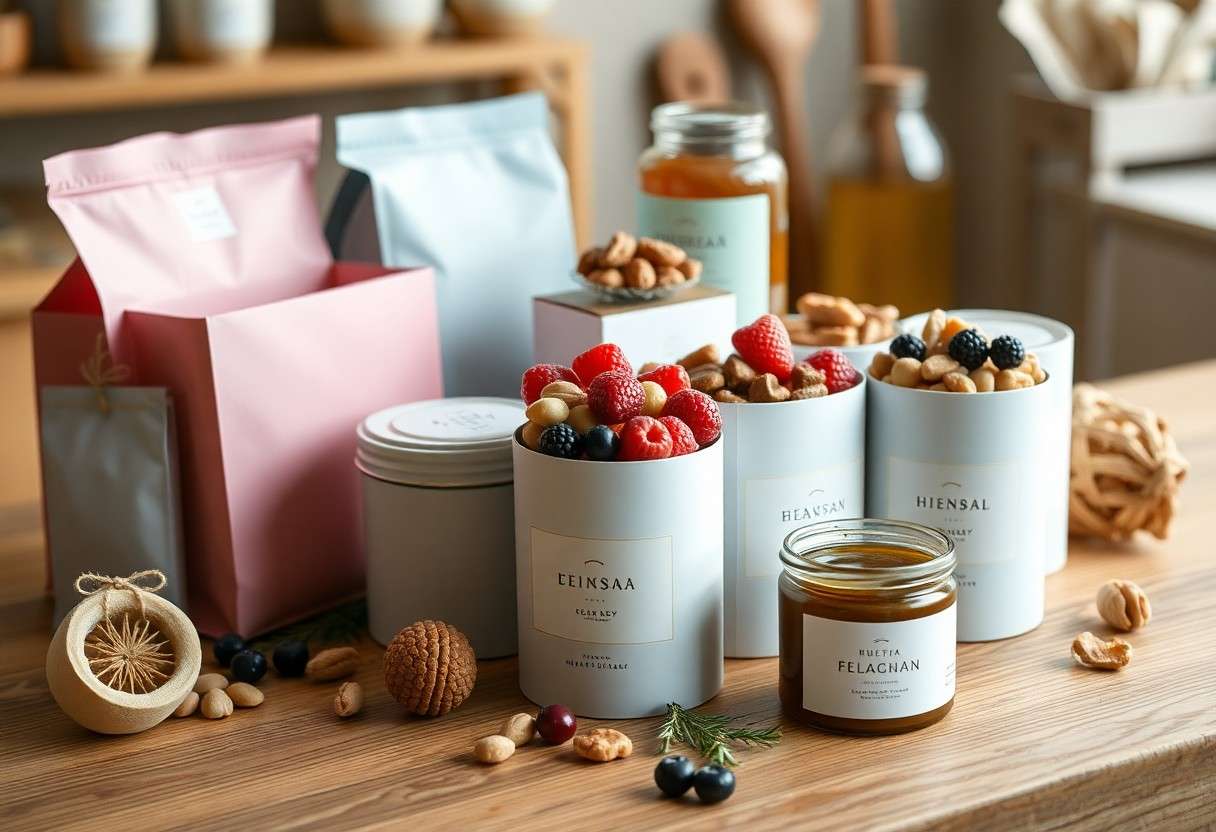
Over the years, Scandinavian confectionery design has emerged as a beacon of innovation, focusing on minimalist packaging and the use of natural ingredients. You’ll discover that this approach not only enhances the visual appeal of sweets but also aligns with a growing demand for sustainability and health-conscious choices. By prioritizing simplicity and quality, Scandinavian brands invite you to savor a more authentic taste experience, while their aesthetic choices reflect a commitment to both function and beauty in design.
The Philosophy of Minimalism in Scandinavian Design
Principles of Minimalist Aesthetics
Minimalist aesthetics in Scandinavian design focus on functionality and simplicity, stripping away excess while emphasizing clean lines and natural forms. Your attention is drawn to the materials, often wood, glass, or metal, which are chosen for their quality and tactile appeal. The color palette typically features soft, neutral tones that blend seamlessly with nature, creating an inviting, cohesive look. This approach not only highlights the beauty of the product itself but also ensures that the packaging serves as a harmonious backdrop rather than a distraction.
Every design element is intentional, with a less-is-more philosophy guiding decisions on form and branding. For instance, iconic brands such as Marimekko and Iittala exemplify how minimalist packaging can evoke a sense of purity while simultaneously conveying a strong identity. The absence of superfluous ornamentation allows the craftsmanship and the natural ingredients within the confectionery to shine, encouraging consumers to appreciate the work that went into creating each item.
Impact on Consumer Perception
The minimalist approach enhances consumer perception by establishing a sense of trust and authenticity. When you see packaging that embraces simplicity, it often speaks to a brand’s commitment to quality and transparency. Brands that utilize minimalist packaging convey a message that they prioritize the imperative aspects of their products, aligning with modern consumer values that favor sustainability and ethical sourcing. This idea is reinforced by studies indicating that consumers are increasingly attracted to designs that champion clarity and purpose in a market saturated with visual noise.
Minimalism in packaging has demonstrated a tangible effect on buying decisions. Research shows that products with clean, straightforward designs can lead to a preference for those brands over competitors that rely on elaborate graphics. You may find yourself drawn to items that reflect a calm and organized aesthetic, leading to choices that feel more thoughtful and meaningful. This shift is particularly relevant in the context of health-conscious confectionery, where the emphasis on natural ingredients contributes to a perception of wholesomeness and care in production.
Natural Ingredients as a Core Element
Natural ingredients are central to Scandinavian confectionery, reflecting a commitment to health and quality. Many brands emphasize the use of locally sourced fruits, nuts, and grains that enhance flavor while preserving nutritional integrity. For example, consider companies that incorporate wild berries from the Nordic regions, which not only provide a unique taste but are also rich in antioxidants. The focus on natural components allows you to indulge in sweets without guilt, knowing they are made from wholesome alternatives to artificial additives and preservatives.
Health Benefits of Natural Components
Consuming confectioneries crafted with natural ingredients can significantly impact your overall well-being. Ingredients such as honey, whole grains, and fruit extracts offer vitamins and minerals that traditional sweets might lack. Recent studies have shown that products made with honey can actively improve gut health, stimulating beneficial bacteria while also providing energy. By choosing sweets with these natural elements, you’re not only satisfying your sweet tooth but also supporting your health.
Sourcing and Sustainability Practices
Sourcing practices play a pivotal role in the integrity of Scandinavian confectionery. Many brands prioritize partnerships with local farmers to ensure that ingredients are fresh and sustainably harvested. This collaboration not only promotes local economies but also reduces the carbon footprint associated with transportation. By understanding the origin of your confectionery, you enhance your connection to the product, fostering a sense of community and responsibility.
Ethical sourcing extends to agricultural methods, where organic practices are favored to avoid synthetic pesticides and fertilizers. Brands often highlight certifications that ensure transparency in sustainability efforts, allowing you to make informed choices. Sustainable practices provide benefits that go beyond mere taste; they contribute to environmental conservation, supporting biodiversity and protecting ecosystems that are integral to the natural landscapes of Scandinavia.
The Role of Packaging in Confectionery
Packaging in confectionery serves not only to protect the product but also to communicate brand identity and values. This dual function has led to a thoughtful approach in Scandinavian design, where minimalism is employed to convey purity and authenticity. You will often find that the aesthetic of the packaging reflects the natural ingredients featured within. Clean lines, muted colors, and simple typography align with consumer preferences for transparency and honesty in food production, fostering trust and intention in your purchasing decisions.
Innovative Materials and Techniques
Recent advancements in materials science have introduced sustainable options that often surpass traditional plastics in both function and visual appeal. You’re likely to encounter compostable films made from plant-based sources or biodegradable coatings that maintain freshness without environmental detriment. Techniques such as flexographic printing on these materials ensure that even eco-conscious packaging can showcase vibrant designs and vital product information without sacrificing sustainability.
Enhancing Shelf Appeal while Reducing Waste
Striking the right balance between visual allure and environmental responsibility requires innovative strategies. Scandinavian brands often utilize intelligent design that allows for efficient stackability, which maximizes retail space and minimizes material use. Unconventional shapes or multifunctional packaging, such as boxes that double as serving containers, can attract attention and facilitate reuse, appealing to a consumer base that values both aesthetics and sustainability.
Emphasizing the interplay between visual appeal and waste reduction, brands are increasingly opting for packaging solutions that require less material while maintaining structural integrity. These designs not only catch the eye on store shelves but also resonate with your desire to support environmentally responsible practices. By choosing materials that are both lightweight and recyclable, brands effectively reduce their carbon footprint and contribute to a more sustainable future, all while ensuring that their confectionery remains visually compelling.
Case Studies of Iconic Scandinavian Confectionery Brands
- Brand 1: Marabou – Known for its distinctive chocolate bars, Marabou emphasizes simple, elegant packaging with delightful flavor combinations. The brand achieved a 5% increase in market share in 2022, showcasing the efficacy of their minimalist design approach. The use of natural ingredients resonates with health-conscious consumers, leading to a 30% growth in their premium product line.
- Brand 2: Fazer – Renowned for its deep-rooted history and transparency in sourcing, Fazer’s storytelling through packaging highlights local ingredients and traditional Finnish recipes. The brand recorded a 15% increase in consumer engagement after rebranding their packaging to better reflect their artisanal craftsmanship.
Brand 1: Design and Ingredient Highlights
Marabou employs a minimalist aesthetic that focuses on simplicity, allowing the products’ rich flavors to take center stage. Each chocolate bar features a clean, approachable design, which appeals to both younger and older demographics. Utilizing sustainably sourced cocoa, Marabou has successfully aligned its brand with the growing demand for ethical consumption, improving customer loyalty and brand image.
The ingredients champion transparency, favoring natural additions like vanilla and coconut oil over artificial substitutes. This strategy not only enhances the quality but also positions Marabou as a more healthful option compared to competitors. The results show a significant rise in sales, with a 25% increase in their organic line, proving that conscious choices resonate with today’s eco-aware consumers.
Brand 2: Storytelling through Packaging
Fazer’s packaging transformation has redefined its narrative, engaging consumers on a personal level. By incorporating elements of Finnish culture and history into their designs, the brand creates a connection that goes beyond the product itself. This approach has effectively communicated their commitment to local sourcing and craftsmanship, which resonates with a clientele eager to support brands that value authenticity.
The redesign showcases striking visuals that tell a story about each confection. With icons and illustrations reflecting local heritage and flavor origins, consumers feel drawn not just to the taste but also the experience behind the packaging. This strategy has not only elevated brand perception but has resulted in a tangible increase in in-store visibility and consumer attraction, underscoring the power of narrative in marketing. The response has been overwhelming, with a notable 20% uptick in sales across their product line within six months of the redesign. The engaging storytelling reinforces your choice in selecting Fazer as more than just a snack but a piece of cultural heritage.
Consumer Trends and Preferences
Demand for Transparency and Authenticity
Your purchasing decisions are increasingly influenced by a desire for transparency in the products you consume. In a recent survey, 73% of consumers expressed that they prefer brands that openly share information about their sourcing and production processes. Brands in the Scandinavian confectionery market have responded by highlighting their natural ingredients and ethical sourcing on their packaging. For you, this means being able to feel confident that each bite is not only delicious but also aligns with your values regarding health and sustainability.
As you navigate the aisles, a clear narrative around authenticity resonates. Products that emphasize artisanal craftsmanship, local ingredients, and traditional methods capture your attention. This shift toward authenticity is reshaping the way brands present themselves and directly impacts your trust and loyalty. When you see a brand that takes pride in its heritage and practices, it cultivates a deeper connection—making those treats feel more like a shared experience than a simple purchase.
The Influence of Eco-Conscious Choices
Eco-friendly practices are no longer a niche market; they’re becoming mainstream among consumers such as yourself. Over the past few years, data shows that brands that incorporate sustainable packaging and responsible sourcing can significantly increase their customer base. You’re more likely to support those who prioritize environmental responsibility, leading manufacturers to innovate continuously in sustainable materials for packaging—like biodegradable wrappers or reusable containers.
Your purchasing power influences this eco-conscious trend, pressuring companies to not only offer delightful confections but also ensure the processes behind them respect the planet. This focus on sustainability aligns with your growing awareness of environmental issues, making it vital for brands to find the balance between appealing aesthetics and eco-friendly solutions. A well-designed package that reflects this commitment can draw you in, transforming your snack choices into a reflection of your values.
The shift toward eco-conscious choices is evident as consumers actively opt for brands that minimize their carbon footprint. A significant portion of the market is now leaning towards biodegradable and recyclable packaging options in confectionery, aligning with your expectations for responsible production. This eco-awareness not only cultivates brand loyalty but also incentivizes businesses to innovate in packaging materials and minimalistic designs that communicate sustainability directly on the shelf. As this trend continues, you’ll undoubtedly play a pivotal role in shaping the future of confectionery design and consumption.
Challenges and Opportunities in the Market
Balancing Cost and Quality
In the Scandinavian confectionery market, striking the right balance between cost and quality presents a significant challenge. As you source natural ingredients to meet consumer demand for authenticity, production costs can escalate. This makes it necessary to develop relationships with local suppliers who can provide high-quality ingredients at a reasonable price, ensuring that your products remain competitive. Many brands have succeeded by streamlining production processes and adopting innovative techniques, like reduced energy consumption or waste reduction, which can also cut costs without compromising quality.
While cost efficiency is vital, sacrificing quality can lead to customer alienation. Premium positioning relies on your ability to maintain exceptional standards in flavor and texture. Emphasizing local sourcing not only aligns with sustainability trends but can also command higher prices. Brands that successfully navigate this balance often find that their commitment to quality translates into stronger customer loyalty and brand reputation.
Adapting to Globalization Trends
Globalization introduces both opportunities and challenges for Scandinavian confectionery brands as you navigate expanding markets. The appetite for natural, clean-label products is rising across the globe, allowing you to leverage your focus on minimalist packaging and high-quality ingredients. However, adapting to diverse consumer preferences can be complex. For example, flavors that are beloved in Scandinavian markets may not resonate the same way in Asia or North America, requiring a careful consideration of local tastes and customs.
Additionally, understanding global distribution channels becomes necessary. Your strategy may need to shift from regional markets to international retailers and online platforms, where competition intensifies. This evolution calls for investment in marketing to promote brand differentiation and increase brand visibility across borders. As you tap into global trends, innovations such as plant-based options can position your brand favorably against competitors, enabling you to explore new revenue streams and customer segments.
Conclusion
With these considerations, you can appreciate how Scandinavian confectionery design embodies the principles of minimalist packaging and a focus on natural ingredients. This approach not only promotes sustainability but also aligns with the growing consumer demand for transparency in food products. As you explore various options in the market, you’ll likely find that these design elements enhance your overall experience, appealing to both your aesthetic preferences and health-conscious choices.
Your journey into Scandinavian confectionery can be further enriched by examining the distinct packaging styles that highlight these values. These designs often incorporate eco-friendly materials and simple aesthetics that resonate with modern consumers. To investigate deeper into the essence of this design philosophy, check out this Scandinavian Packaging Design resource, where you can find inspiration and insights that reflect the art of minimalist presentation and the use of natural ingredients in confectionery products.


