The Science Behind Achieving the Perfect Chocolate Snap
The Pursuit of the Perfect Snap Understanding Tempering Techniques Achieving that satisfying snap in chocolate starts with the delicate process of tempering. Yo

This article contains Amazon affiliate links. As an Amazon Associate, CandiesAndSweets earns from qualifying purchases.
The Pursuit of the Perfect Snap
Understanding Tempering Techniques
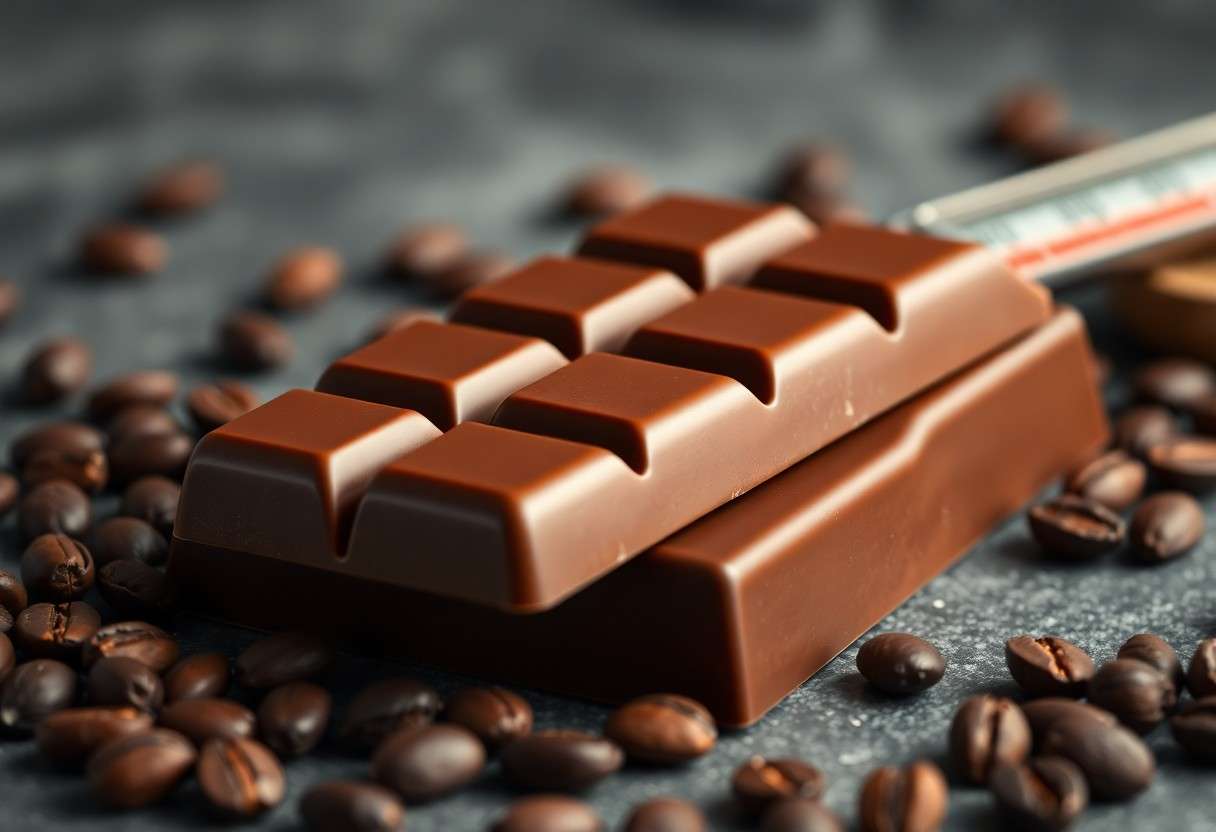
Achieving that satisfying snap in chocolate starts with the delicate process of tempering. You heat the chocolate to around 120°F (49°C) to melt all the cocoa butter crystals, then cool it down to about 82°F (28°C), before re-heating it to approximately 88°F-90°F (31°C-32°C) for dark chocolate. This method not only results in a glossy finish but also ensures the chocolate contains stable crystals that provide that desired firmness. Skipping any of these steps can lead to a chocolate that appears dull and lacks that satisfying sound when broken. Have you ever noticed how some chocolate bars break easily while others shatter? That’s the result of meticulous tempering techniques that lead to optimal crystal structures.
Influence of Ingredients on Snap
Your choice of ingredients greatly impacts the snap of chocolate. High-quality cocoa beans yield a more robust flavor and a firmer structure, while the sugar content affects the overall harmony in the mouth. For instance, if you use a chocolate blend with higher cocoa content, expect a more intense snap due to a higher percentage of cocoa butter’s solid crystals interacting during cooling. Adding stabilizers or emulsifiers can also change the texture. For example, lecithin is commonly used in chocolate production to lower viscosity but can sometimes result in a less pronounced snap if overly relied upon. Achieving that perfect crack is as much about balancing flavors and additives as it is about the scientific process behind tempering.
The Role of Chocolate Composition
The Importance of Cocoa Content
Cocoa content plays a vital role in determining not only the flavor profile of chocolate but also its structural integrity and snap quality. Opting for higher cocoa content—like 70% or more—can yield a firmer texture in your finished product due to the increased concentration of cocoa solids and cocoa butter. This firmness contributes directly to that desired chocolate snap, as the solid cocoa mass provides structural support when the chocolate cools. In contrast, lower cocoa content often results in a softer, more pliable chocolate, which may not deliver the appealing snap that many bakers strive for. The examination of premium chocolate brands often reveals that those with higher cocoa content boast a more pronounced snap, showcasing this important element in their composition.
The Impact of Sugar and Fat Ratios
Your chosen sugar and fat ratios can significantly influence the textural experience of your chocolate. A classic balance in high-quality chocolate typically maintains a ratio where cocoa solids, cocoa butter, and sugar harmonize to create a pleasing mouthfeel; however, variations can lead to different outcomes. For example, increasing sugar can create a softer, more melty chocolate that might lose that characteristic snap. Meanwhile, an optimal level of cocoa butter ensures that your chocolate retains structural firmness while still having a luxurious mouthfeel. Industry experts recommend maintaining a thoughtful blend, with sugar making up no more than 30-40% of the total recipe, to achieve the best results.
Adjusting the ratios of sugar and fat doesn’t merely affect sweetness or creaminess; it also alters the chocolate’s ability to crystallize properly. If the fat content is too high relative to sugar, the snaps might diminish, causing the finished chocolate to break in less than desirable ways. This delicate balance is key—as you master the ratios for your desired chocolate creations, you’ll find the perfect snap is achievable and often replicable, enhancing both quality and consistency in your baking or candy-making endeavors.
Tempering Techniques Unveiled
The Science of Crystal Formation
Your understanding of crystal formation is vital when tempering chocolate. Cocoa butter doesn’t crystallize into just one form but instead can take on multiple crystal structures, only one of which provides that coveted snap and sheen. The stable crystal form, referred to as Beta crystals, melts at a higher temperature, giving chocolate its desirable properties. When you heat and cool the chocolate correctly, you encourage the growth of these stable crystals, ultimately resulting in a glossy finish and a satisfying texture.
Methods for Achieving Ideal Temperatures
To achieve ideal temperatures during tempering, several methods are widely employed. The most popular techniques include the seeding method, where you introduce tempered chocolate to untempered chocolate, and the tabling method, where chocolate is poured onto a marble surface to cool. Each technique serves to evenly lower the temperature of the chocolate while stirring, which contributes to the manipulation of crystal formation. Factors such as the chocolate type and the target temperature will dictate the best method to use.
Utilizing precise temperature control tools, like infrared thermometers, helps ensure accuracy. For dark chocolate, you’ll want to heat it to about 45°C (113°F) and then cool it down to around 31°C (88°F) for proper tempering, while milk and white chocolates require slightly different temperatures. The art of tempering is as much about intuition as it is about knowledge, making experimentation a valuable aspect of perfecting your technique.
| Tempering Method | Description |
|---|---|
| Seeding Method | Introduce tempered chocolate into melted chocolate to bring down its temperature and initiate crystal formation. |
| Tabling Method | Pour melted chocolate onto a cool marble surface, spreading it out to lower the temperature before returning it to the bowl. |
| Microwave Technique | Use short bursts of heat in a microwave, stirring often to prevent overheating while lowering the chocolate temperature. |
Getting the temperature right is a balancing act, and variations of just a degree or two can drastically affect your results. In fact, different chocolate brands and types can have slight variances in their ideal working temperatures due to differences in their cocoa content and cocoa butter ratios. You should always take the time to familiarize yourself with the specific chocolate you are working with and adjust your methods accordingly. Your confidence will grow as you see how these techniques directly correlate with the quality of your finished chocolate.
| Temperature Guidelines | Chocolate Type |
|---|---|
| 45°C (113°F) | Dark Chocolate |
| 40°C (104°F) | Milk Chocolate |
| 38°C (100°F) | White Chocolate |
Environmental Factors in Chocolate Making
Your chocolate journey doesn’t end with composition and tempering techniques; environmental conditions play a significant role in achieving that perfect chocolate snap. Factors like humidity, temperature, and even how you store your chocolate can influence the final texture and snap of your favorite treat. A few key considerations stand out when discussing these environmental influences:
- Humidity levels impact the moisture content in chocolate.
- Temperature fluctuations can affect crystallization.
- Proper storage can prevent bloom and maintain texture.
This highlights the delicate balance required not just in the crafting process, but also in the surroundings where your chocolate is kept. Your understanding of these factors can lead to a consistently satisfying chocolate experience.
The Influence of Humidity and Temperature
Humidity levels in your environment can significantly affect the final texture of your chocolate. High humidity can introduce excess moisture, leading to ‘sugar bloom,’ which causes a white, powdery residue on the surface of the chocolate. Ideally, chocolate should be stored in an environment with humidity levels below 50% to avoid this problem. On the flip side, very low humidity can lead to chocolate drying out, impacting its snap and mouthfeel. Similarly, temperature plays an equally important role. Ideal tempering occurs when your chocolate is between 88°F and 90°F for dark chocolate, ensuring that the cocoa butter crystals form properly and yield that coveted snap you desire.
Temperature and Humidity Effects on Chocolate
| Humidity Level | Impact on Chocolate |
|---|---|
| Above 50% | Increases risk of sugar bloom and affects texture. |
| Below 50% | Prevents moisture retention but can lead to dryness. |
The Role of Storage Conditions
Your chocolate’s snap can also be significantly impacted by how you choose to store it. Storing chocolate in a refrigerator or a freezer can lead to temperature fluctuations that induce unwanted crystallization, while also increasing the likelihood of condensation forming on the surface. Instead, keep your chocolate in a cool, dark place away from strong odors, as chocolate can easily absorb scents from its surroundings. Ideally, use airtight containers to prevent moisture exposure, which ensures that your chocolate retains its quality and texture for as long as possible.
Additionally, consider the shelf life of the chocolate you’re storing. Dark chocolate can last up to two years when properly stored, while milk and white chocolates typically have a shorter shelf life due to the dairy content. Knowing how to manage these storage intricacies not only protects your investment but also ensures that you can enjoy the perfect chocolate snap every time you indulge.
Troubleshooting Snap Deficiencies
Identifying Common Mistakes
Chocolate tempering can easily go awry, leading to disappointing results such as a lack of snap. One common mistake is overheating the chocolate, which can lead to the cocoa butter separating from the cocoa solids. This not only affects the snap but can also alter flavor. You might also encounter issues if you skip the cooling phase or don’t constantly stir the chocolate during tempering. Inconsistent temperatures and improper use of a thermometer can leave your chocolate untempered, resulting in a dull appearance and a weak crack.
Another frequent error lies in the choice and handling of your chocolate. If you use low-quality chocolate with a high sugar content, the chance of achieving a satisfying snap decreases. Additionally, not using a marble slab or proper dipping tools can introduce air bubbles, negatively impacting the surface smoothness and ultimately, the snap. Recognizing these pitfalls is important to perfecting your chocolate-making technique.
Solutions for a Flawed Finish
Addressing snap deficiencies hinges on revisiting your tempering technique and ensuring you’re practicing proper temperature control. Begin by carefully monitoring the chocolate with a calibrated thermometer, aiming for specific temperatures: around 88°F to 90°F for dark chocolate, 86°F to 88°F for milk chocolate, and 82°F to 84°F for white chocolate. If your chocolate has already been poured into molds and failed to snap, try re-melting it and repeating the tempering process. This may revive the cocoa butter crystals needed for that signature finish.
If you notice issues after setting, consider chilling your molded pieces briefly in the refrigerator before removing them from the molds. This can help solidify the snap. Additionally, smoothing out inconsistencies on your chocolate’s surface through a quick heat with a blowtorch can eliminate those unsightly imperfections by melting slightly and allowing the chocolate to reform and re-temper.
It’s beneficial to revisit your chocolate’s cocoa butter content after diagnosing snap issues. If you find yourself consistently struggling with a specific brand of chocolate, switching to a higher cocoa content or a brand known for superior liquidity during tempering may yield better results. Experimentation with various chocolates can be the key to finding your ideal flavor and texture that allows for that perfect snap.
The Cultural and Sensory Dimensions of Chocolate Snap
How Texture Affects Taste Perception
The interplay between texture and taste in chocolate is more profound than you might realize. A perfect snap not only engages your auditory senses but also primes your palate for the flavors to come. Studies by food scientists reveal that a satisfying texture can enhance flavor perception, making the experience of eating chocolate exponentially richer. For instance, when you take that first bite and hear the delightful crack, it sets the expectation for a rich, creamy melt that follows. The interplay of smooth and crunchy elements in your chocolate can create a multi-layered tasting experience, engaging your sensory receptors in ways that a uniform texture simply cannot.
The Psychological Impact of a Perfect Snap
Conclusion
To wrap up, achieving the perfect chocolate snap is both an art and a science that involves understanding the roles of cocoa butter, tempering processes, and the temperatures you need to maintain. By carefully controlling the crystallization of cocoa butter, you ensure that it solidifies in a stable structure, providing you with that satisfying snap when you break or bite into it. You’ll find that employing techniques such as using a thermometer and allowing for proper cooling can significantly enhance the quality of your chocolate experience.
As you experiment with various methods for tempering chocolate, you will become more proficient in identifying the right techniques that work best for your needs. Pay close attention to the different stages of melting and cooling, as well as the types of chocolate you are working with, whether it’s dark, milk, or white. With practice, you’ll develop an intuitive understanding of how to achieve that coveted snap, turning your chocolate creations into masterpieces that not only look appealing but also deliver a delightful texture and flavor profile.


