Why Small Batch Caramels Taste Better Than Mass Produced
Caramels you make in small batches deliver fresher, deeper flavor, tighter texture, and reduced risk of hot-sugar burns, so you enjoy more nuanced butter and to

This article contains Amazon affiliate links. As an Amazon Associate, CandiesAndSweets earns from qualifying purchases.
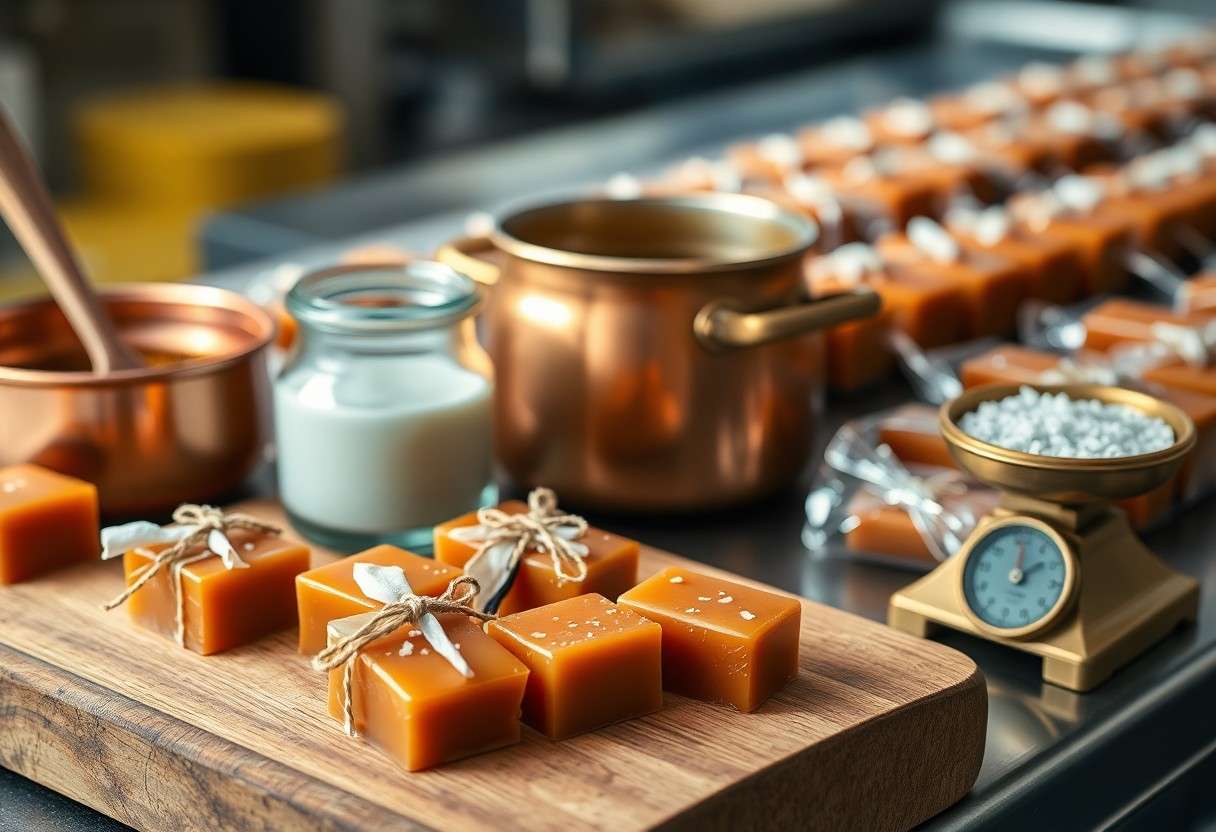
Caramels you make in small batches deliver fresher, deeper flavor, tighter texture, and reduced risk of hot-sugar burns, so you enjoy more nuanced butter and toffee notes than mass-produced confections.
The Chemistry of Caramelization: Precision vs. Volume
Heat in small batches is easier to monitor, so you can pull caramel at the exact shade and avoid burnt bitterness, resulting in cleaner, deeper notes that carry butter and vanilla more clearly.
Batch size changes reaction dynamics so you can fine-tune timing and agitation to favor desirable pathways, giving you richer, layered flavors that mass production often mutes.
Precision vs Volume – Key Differences
| Factor | How this helps you |
|---|---|
| Heat control | You can stop at ideal color for balanced sweetness |
| Stirring | You maintain uniform texture and prevent hotspots |
| Cook time | You decide when Maillard steps deepen flavor |
Mastering the Maillard Reaction in Small Vessels
You encourage the Maillard reaction by keeping sugars and proteins in close contact and adjusting heat slowly, which produces nutty, toasted notes without tipping into acrid, burnt flavors.
Temperature Control and Complex Flavor Development
Precise temperature control lets you hold intermediate stages where flavor precursors form, so you create complex, layered notes instead of flat, one-dimensional sweetness.
Smaller batches let you change heat quickly and test stops, reducing burn risk while extracting deeper caramelized molasses and toffee tones.
Temperature Tactics
| Target Range | Flavor outcome for you |
|---|---|
| 110-120°C | Golden sweetness and creamy texture |
| 120-135°C | Toffee and nutty Maillard notes |
| >140°C | Risk of bitter, burnt compounds – stop earlier |
Ingredient Superiority in Small-Batch Cooking
Quality ingredients let you taste nuance that mass runs smooth over: fresh butter and cream carry more milk solids and subtle sweetness, giving caramels a richer, silkier mouthfeel you notice immediately.
Hands-on preparation lets you control heat and caramelization so you avoid burnt bitterness and preserve delicate notes, producing a consistency that mass production rarely matches.
Farm-Fresh Dairy versus Industrial Substitutes
Milk from small dairies gives you higher butterfat and fresher lactose profiles, so your caramels set with a creamy chew instead of a waxy or gummy texture.
Industrial blends often include stabilizers and hydrogenated fats that extend shelf life but mute flavor; when you use those, surface shine may improve while the pure caramel depth diminishes.
The Role of Pure Extracts and Natural Aromatics
Extracts like pure vanilla or citrus oils give you clear, bright aromatics that survive cooking and cut through heavy sweetness, creating layered rather than flat caramel notes. You might also enjoy our guide on How to Make Dessert Empanadas: Sweet Flaky Pastry.
Artificial flavorings can smell potent out of the bottle, but you will notice they often collapse under heat and leave an off aftertaste; choose real extracts for sustained, clean flavor.
Selecting whole vanilla beans or cold-pressed citrus oils lets you control intensity, and when you infuse at lower temperatures you preserve volatile aromatics that give your caramels a fresh, bakery-like finish you can point to proudly.
The Artisanal Process: Hand-Crafted Consistency
Small-batch work lets you spot and correct tiny variations in caramel color, cook time, and texture, so each piece matches the intended profile. You adjust heat and timing by feel, producing a more consistent chew and a deeper, layered flavor that mass production often flattens.
Handcrafted attention means you respond to humidity, butter quality, and sugar behavior in real time, keeping batches uniform across shifts. You rely on sensory checks rather than preset machines, which results in predictable texture and brighter taste every time.
Manual Stirring and Its Impact on Texture
Stirring by hand gives you immediate feedback on viscosity, allowing you to prevent graininess before it starts; you alter speed and angle to break forming crystals. That hands-on control creates a silky, tender chew that automated paddles rarely reproduce.
Real-Time Monitoring of the “Soft Ball” Stage
Temperature tracking lets you reach the soft ball point with precision so caramels set correctly without becoming hard or undercooked; you test drops in cold water and watch for the right pliability instead of trusting timers alone.
Monitoring a test drop and feeling the sugar’s resistance keeps you safe from scalding hot sugar, since you can stop heating the moment the stage is reached; you always use a thermometer and a cold-water test to confirm doneness and avoid costly overcooks.
Eliminating Industrial Additives and Fillers
Small-batch caramels skip industrial additives and fillers, so you taste pure butter, cream, and browned sugar instead of chemical textures. That uncluttered profile lets delicate caramelized notes and natural vanilla shine.
Artisans monitor temperature and cook time rather than relying on stabilizers. You experience real mouthfeel variations and richer texture that factories mask with additives.
The Absence of High-Fructose Corn Syrup
Without high-fructose corn syrup (HFCS), you avoid the syrupy, lingering sweetness that can overwhelm dairy and toasted-sugar nuances. Many tasters prefer the cleaner, more balanced sweetness when recipes use cane sugar and butter instead.
Why Clean Labels Result in Cleaner Flavors
Clean labels mean fewer hidden chemicals, so you can discern texture and subtle caramel notes more easily when you taste a piece. Small-batch lists that include real butter, cream, and vanilla translate directly to flavor clarity.
Tasting small-batch caramels reveals how the absence of preservatives and artificial emulsifiers preserves aroma and finish, giving you a fresher, more complex bite where natural ingredients lead the palate.
Freshness and the Lifecycle of Confections
Freshness defines how you perceive caramel: immediate days-after cooking deliver peak aroma and supple texture that time erodes. Small batches shorten the gap between kettle and mouth, so you experience bright butter and cream notes before they fade.
You notice that storage time amplifies sugar crystallization and flavor flattening, making mass-produced pieces taste muted; choosing small runs keeps those volatile flavors intact for your enjoyment.
Rapid Turnaround from Kettle to Consumer
Speed matters because you receive caramels within hours or a few days, preserving delicate esters and lactones that carry the signature aroma you expect. Quick flow from cookpot to wrapper means you taste the original caramel profile. You might also enjoy our guide on Crème Caramel – The French Take on Flan.
Artisans package and ship in tight windows, so you benefit from minimal hold times and fewer temperature swings that otherwise dull flavor; this direct path protects the fresh sensory peak you seek.
How Mass Distribution Compromises Volatile Aromas
Industrial supply chains expose confections to extended time, oxygen, and heat cycles that strip away the molecules responsible for bright aroma, so you often get a flattened, dulled caramel. The longer transit demands stabilizers and heavy packaging that mask nuance.
Airfreight and warehousing introduce vibration and humidity changes that accelerate aroma loss and textural decline, meaning you encounter less butteriness and more generic sweetness when you open mass-distributed boxes. You might also enjoy our guide on How to Make Dessert Egg Rolls: Sweet Crispy Wrappers.
Packaging choices and prolonged shelving lead to chemical changes-oxidation of fats and evaporation of volatile esters-that remove the citrusy, toffee, and cream notes you value; when you pick small-batch caramels, those volatile compounds are preserved, giving you fuller aroma and truer flavor.
To wrap up
Upon reflecting, you notice that small-batch caramels use superior butter and cream and are cooked with precise timing, producing deeper flavor and silkier texture. You experience nuanced salt balance, handcrafted caramelization and fewer preservatives, so freshness and mouthfeel stand out. You can tell the maker adjusted sugar stages and cooling to yield consistent chew rather than industrial uniformity, and your palate rewards that careful attention.


