Smart Packaging Technology Monitors Candy Freshness and Storage Conditions
Packaging plays a vital role in ensuring that your favorite candies maintain their freshness and are stored under optimal conditions. With advances in smart pac

This article contains Amazon affiliate links. As an Amazon Associate, CandiesAndSweets earns from qualifying purchases.
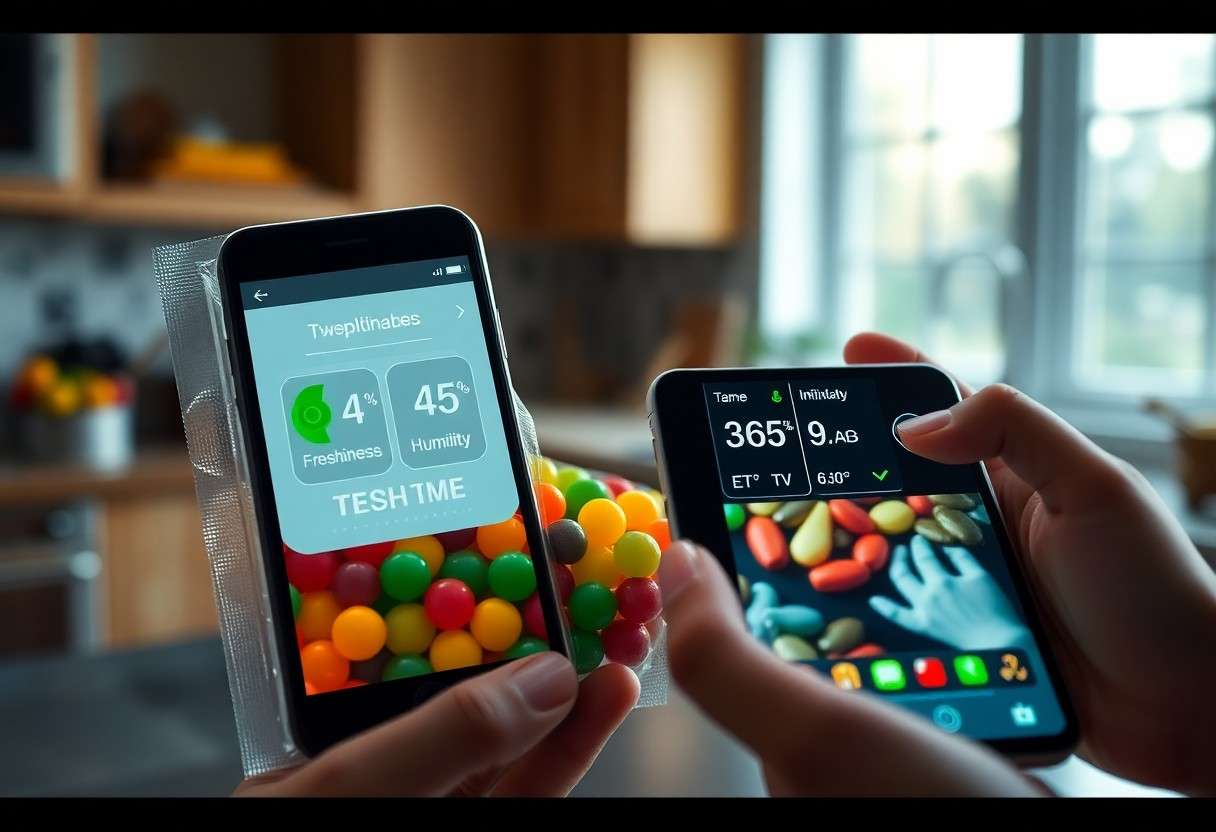
Packaging plays a vital role in ensuring that your favorite candies maintain their freshness and are stored under optimal conditions. With advances in smart packaging technology, you can now benefit from innovative solutions that monitor environmental factors such as temperature and humidity, providing real-time data about your treats. This technology not only enhances the longevity of candy but also increases food safety, allowing you to enjoy your sweets at their best for longer periods. Learn how these advancements can transform your candy experience and keep your treats deliciously fresh.
Overview of Smart Packaging Technology
Definition and Purpose
Smart packaging technology refers to advanced packaging solutions that can interact with their environment, providing real-time monitoring of product conditions. This technology helps ensure that food items, such as candy, remain fresh and safe by utilizing sensors and indicators that relay information about temperature, humidity, and other relevant factors. Thus, you gain confidence that your favorite treats are preserved under optimal conditions from production to consumption.
The primary purpose of smart packaging is to enhance product quality and safety through active monitoring and intelligent reporting systems. This means that if your candy has been exposed to unfavorable conditions, you’ll be alerted before consumption, ensuring you enjoy the best taste and freshness without any health risks. By integrating this technology into your favorite candy packaging, manufacturers can also reduce waste and improve inventory management.
Types of Smart Packaging
Smart packaging falls into two major categories: active and intelligent packaging. Active packaging can interact with the food product itself to enhance its shelf life and quality. For example, oxygen scavengers are used to absorb excess oxygen within packaging to prevent spoilage, while antimicrobial agents can be employed to extend freshness. In contrast, intelligent packaging serves to inform the consumer about the status of the product without directly altering its properties. Examples include indicator labels that change color when the product reaches unsafe temperatures.
Additionally, some packaging incorporates technologies like QR codes and NFC chips, which provide detailed information about the candy’s freshness, ingredients, and storage conditions. This not only improves transparency but also allows you to access detailed product histories just by scanning with your smartphone. Understanding these types can help you make informed decisions when choosing your candy products.
| Type of Smart Packaging | Description |
|---|---|
| Active Packaging | Interacts with product to enhance freshness, like oxygen scavengers. |
| Intelligent Packaging | Informs about product status through indicators or sensors. |
| QR Code Integrated | Allows access to product details and history via smartphone scanning. |
| NFC Technology | Provides real-time data about freshness and storage conditions. |
| Temperature Indicators | Changes color to show if the product has been exposed to heat. |
Understanding the variety in smart packaging types allows manufacturers and consumers alike to better navigate the landscape of food preservation. For instance, candy companies increasingly turn to active and intelligent solutions to maintain optimal conditions that directly impact flavor, texture, and overall enjoyment. Effective use of these technologies bolsters consumer trust in brands that prioritize quality and safety.
- Active packaging enhances product quality by interacting with the contents.
- Intelligent packaging informs users with real-time data and alerts.
- Technologies like QR codes offer extended information access.
- Temperature and freshness indicators provide immediate visual cues.
- Manufacturers benefit from reduced waste and improved inventory practices.
After implementing smart packaging, your candies will maintain their delightful flavor profiles and enticing textures for longer.
Monitoring Candy Freshness
Sensors and Indicators
Sensors integrated into smart packaging provide real-time data about the environmental conditions surrounding your candies, including temperature, humidity, and exposure to light. For instance, time-temperature indicators change color based on temperature fluctuations, alerting you to potential spoilage. Some packages even utilize RFID technology, allowing you to scan and receive detailed freshness data on your device, ensuring you never consume stale or degraded products.
Impact on Product Quality
Smart packaging significantly enhances your awareness of product quality over time, leading to an informed consumption experience. Insights gathered from real-time monitoring allow you to make decisions about candy consumption based on verified freshness rather than guesswork. For example, candies susceptible to moisture can degrade quickly, but with humidity indicators, you can avoid opening a package that has been compromised during transport or storage.
The impact on product quality doesn’t just stop at informing you; it fosters a stronger relationship between consumers and brands. Manufacturers gain valuable feedback from monitoring data, enabling them to optimize formulations, packaging designs, and extended shelf life. As a result, you receive a product that not only stays fresher longer but also meets higher standards of quality assurance.
Storage Conditions and Their Importance
Storage conditions significantly impact the quality and lifespan of candy. Factors such as temperature and humidity determine not only the texture and flavor but also the overall freshness of your treats. For chocolates, a moderate temperature and dry environment minimize the risk of blooming, where cocoa butter rises to the surface, resulting in an unattractive whitish coating. Gummies and hard candies fare better in cool, dry places to maintain their firmness and prevent stickiness. Understanding these conditions allows you to create an optimal storage environment that prolongs the enjoyment of your sweets.
Temperature and Humidity Control
| Temperature | For most candies, storing them between 60°F and 70°F (15°C to 21°C) is ideal to avoid melting or sticking. |
| Humidity | Humidity levels below 60% help maintain texture and prevent moisture-related spoilage. |
Inconsistent temperature and high humidity can lead to spoilage and quality degradation. For example, chocolates stored in a warm, humid environment may melt and lose their smooth texture, while gummies can become sticky or harden if exposed to moisture. Monitoring storage conditions with smart packaging that includes sensors allows you to keep track of both temperature and humidity, ensuring your candy remains in perfect condition.
Effects on Shelf Life
Storage conditions directly correlate with the shelf life of different candy types. Candies stored in the right environment can last for months or even years, while improper conditions may shorten their longevity significantly. For instance, hard candies can typically last up to a year in optimal conditions, whereas chocolate may only maintain its quality for six to nine months if not stored correctly. By using smart packaging that tracks these elements, you reduce waste and ensure your candies retain their intended flavors and textures.
The impact of storage conditions on shelf life extends beyond mere days or weeks. A study showed that candies like gummies stored in airtight containers in cool, dry places retained over 90% of their original softness and flavor after six months, compared to those exposed to variable temperatures and humidity which saw a drastic reduction in quality. Thus, utilizing technology to monitor and regulate storage can significantly enhance your overall candy experience.
Case Studies
Numerous companies have adopted smart packaging technology to enhance candy freshness and monitor storage conditions. These case studies reveal how integrating technology into packaging not only preserves product quality but also provides valuable data for improving supply chain efficiency. For instance, a renowned candy manufacturer implemented smart sensors within their packaging, resulting in a 20% reduction in product spoilage over six months. Similarly, another brand focused on chocolate candies noted that deploying humidity sensors led to improved customer satisfaction scores by 15%, reflecting better product freshness upon delivery.
- Company A achieved a 25% increase in shelf life by utilizing oxygen scavenger technology.
- Company B implemented temperature-sensitive labels, resulting in a 30% drop in returns due to compromised product quality.
- Company C’s integration of QR codes allowing consumers to track freshness led to a 40% rise in online engagement.
- Company D recorded a 10% increase in sales after adopting smart packaging, as customers preferred the assurance of freshness provided by real-time updates.
Successful Implementations
Specific implementations showcase how smart packaging can transform your approach to product quality. For instance, a European gummy bear producer connected real-time monitoring systems to their inventory, adjusting humidity levels based on direct feedback from smart sensors. This tech-driven method not only extended freshness by 15% but also streamlined inventory turnover, leading to a noticeable reduction in waste.
A North American chocolate manufacturer partnered with a tech firm to develop packaging that changes color based on temperature fluctuations. By receiving alerts about suboptimal conditions in their distribution channels, this company managed to avoid costly losses associated with damaged products and ultimately increased profit margins by 10% in the first year.
Lessons Learned
Several key lessons have emerged from the implementation of smart packaging technology in the candy industry. First, integrating real-time monitoring with user-friendly interfaces can improve overall efficiency and decision-making. Understanding customer feedback has also proven vital; many companies found that sharing freshness data fostered trust among consumers and encouraged brand loyalty.
Focusing on data analytics is equally vital, as it allows you to predict trends and adjust supply chain strategies proactively. The insights facilitate better inventory management and less waste, ultimately enhancing profitability. By grasping these lessons, you can effectively leverage smart packaging technology to not only meet customer expectations but also drive your business growth.
Consumer Advantages
Enhanced Experience
Smart packaging transforms your interaction with candy by providing real-time information about freshness and quality. Imagine reaching for a candy bar and instantly knowing whether it has been stored under optimal conditions. Sensors embedded in the packaging track temperature and humidity levels, allowing you to make informed choices. This technology not only empowers you to select the freshest products but also elevates the enjoyment of indulgence, knowing you are consuming the best possible treat.
The interactive nature of smart packaging enhances your overall experience further. Some packages even feature QR codes that lead to detailed information about the ingredients, sourcing, and best-by dates. Engaging with this enriched content allows you to develop a deeper connection with your favorite candies, making the moment of enjoyment even more meaningful.
Trust in Product Quality
Establishing trust in product quality becomes significantly easier with smart packaging technology. As a consumer, knowing that you are purchasing candy monitored for freshness takes away the uncertainty often associated with packaged goods. Many companies integrate this technology to ensure that consumers receive only the best quality products, contributing to a stronger brand loyalty and satisfaction.
With smart packaging, you can now make purchasing decisions based on verifiable data rather than guesswork. For instance, a study showed that 72% of consumers feel more confident in buying perishables when they have access to real-time freshness metrics. This transparency creates a reliable relationship between you and the brand, fostering a commitment to delivering high-quality products consistently.
Future Trends in Smart Packaging
Innovations on the Horizon
As technology continues to evolve, you’ll find exciting innovations emerging in smart packaging. Advanced sensors are becoming more compact and affordable, enabling real-time monitoring of conditions such as temperature and humidity. For instance, nanotechnology is paving the way for sensors that can be embedded directly into packaging materials, providing you with continuous updates on candy freshness without the need for external devices. These developments not only enhance your experience as a consumer but also help manufacturers make informed decisions about product distribution and shelf life.
The integration of Internet of Things (IoT) capabilities into smart packaging represents another frontier. Smart labels linked to cloud systems can provide detailed analytics on the journey of your candy from production to purchase. Imagine receiving alerts on your smartphone about the freshness of a candy pack before you even open it. This level of transparency can significantly elevate your purchasing confidence and satisfaction.
Challenges and Opportunities
While the future of smart packaging offers promising advancements, challenges remain that could impact its widespread adoption. One significant hurdle is the cost associated with developing and implementing these sophisticated technologies. Many small to medium-sized manufacturers may hesitate to invest in these systems without clear, immediate benefits to their bottom line. Regulatory standards pose another challenge, as strict guidelines must be followed to ensure the safety and effectiveness of these packaging innovations.
Addressing these challenges could unlock numerous opportunities for both manufacturers and consumers. As awareness grows around the benefits of smart packaging, you may see increased collaboration between tech companies and food producers, leading to cost-effective solutions. With growing demand for sustainability, integrating eco-friendly materials in smart packaging also presents a unique opportunity. By leveraging public interest in health and safety, smart packaging can promote not just product integrity but also environmentally conscious practices, enhancing overall market appeal.
Final Words
So, as you explore the innovative world of smart packaging technology, you’ll find that it plays a significant role in monitoring candy freshness and storage conditions. This technology not only extends the shelf life of your favorite treats but also ensures that you enjoy them at their optimal quality. By utilizing advanced sensors, these packages can provide real-time data about temperature, humidity, and other factors that affect freshness. This means you can have peace of mind knowing that your candy has been stored properly throughout its lifespan.
Furthermore, integrating this technology into your shopping and consumption habits can enhance your overall snacking experience. You can stay informed about the freshness status of your candies and make better purchasing decisions. For a deeper insight into how these advancements are shaping the food packaging industry, you can explore Recent technological advances in food packaging: sensors …. Embracing smart packaging not only benefits you but also supports sustainable practices in the food supply chain.