Taffy Tales From the Boardwalk
Over the years, you may have strolled along various boardwalks, delighting in the sweet scent of taffy wafting through the air. This iconic treat, with its chew

This article contains Amazon affiliate links. As an Amazon Associate, CandiesAndSweets earns from qualifying purchases.
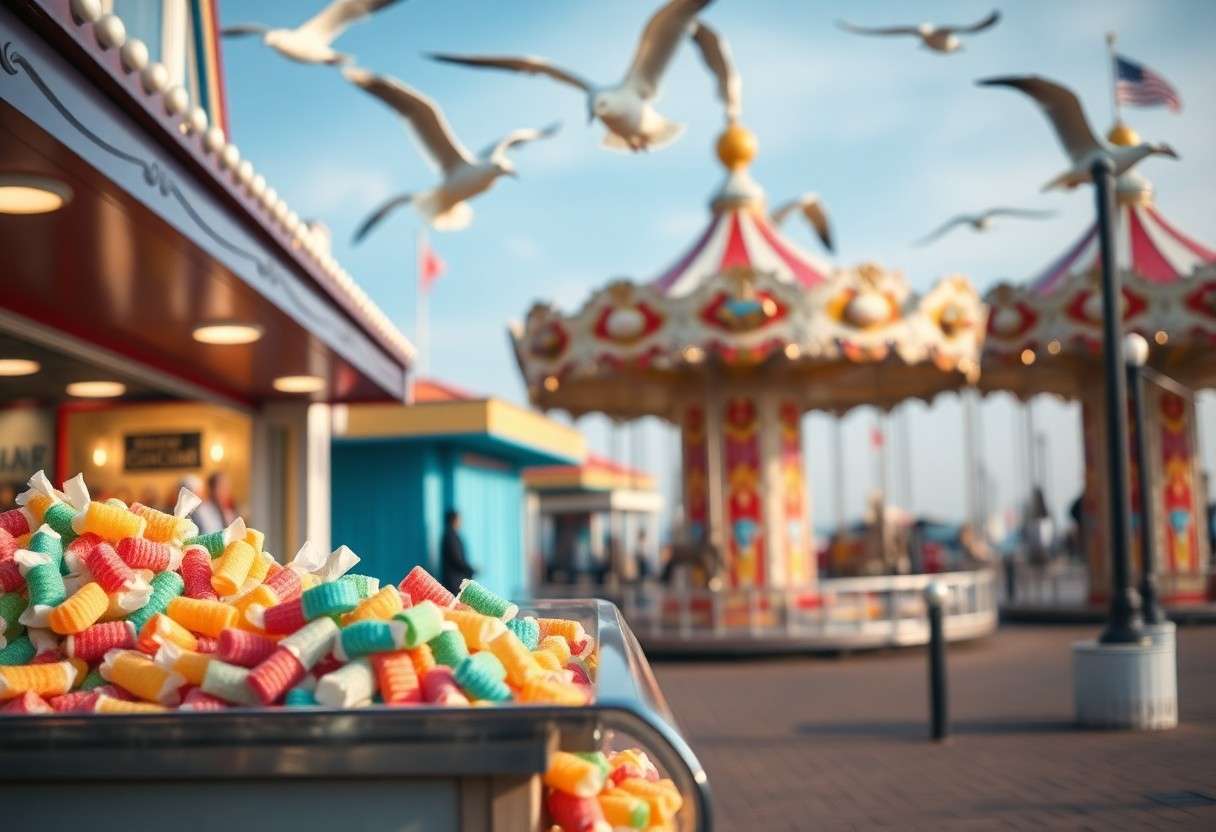
Over the years, you may have strolled along various boardwalks, delighting in the sweet scent of taffy wafting through the air. This iconic treat, with its chewy texture and endless flavor options, holds a special place in the hearts of many. In this blog post, you will discover the history, manufacturing process, and the delightful variations of taffy found at boardwalks across the country. Prepare to indulge your taste buds as you uncover the delicious tales that make taffy a favorite seaside snack.
Sweet Origins: The History of Taffy
Confectionary Beginnings
The history of taffy is as rich and colorful as the candy itself. Originating in the early 19th century, this delightful confection traces its roots back to the coastal towns of the United States. While the exact origins are somewhat murky, it is believed that taffy emerged as an adaptation of a much older treat known as “pull candy.” This earlier version used a simple combination of sugar, water, and flavoring, which was cooked before being pulled by hand, giving it a unique chewy texture. Images of charming seaside towns come to mind, where families would gather to indulge in this sweet delight after a long day at the beach.
Evolution of Recipe and Techniques
Your experience with taffy today would be quite different from what was created in those initial years. Over the decades, innovations in cooking methods and ingredient selection have transformed taffy into the flavorful, stretchy treat you love. In the late 1800s, the introduction of commercial cooking stoves enabled more precise temperature control, allowing confectioners to refine their recipes. The addition of flavors like saltwater, chocolate, and fruit extracts added layers of taste, making taffy a sought-after delicacy in seaside resorts around the world.
As technology advanced, the art of taffy-making saw further refinements. The use of machinery allowed for mass production, enabling local shops to create large batches that maintained quality and consistency. You might find it fascinating that during World War II, sugar rationing led to unique adaptations, as ingredient substitutions created entirely new flavors and variations of taffy. Today, taffy is celebrated for its vibrant flavors and textures, making it a quintvital boardwalk experience that continues to evolve while honoring its delightful history.
The Art of Taffy Making: Techniques and Tools
Traditional vs. Modern Methods
You may find yourself drawn to the nostalgic charm of traditional taffy making, where the technique often resembles a performance as much as a process. Using a large copper kettle over an open flame, sugar, corn syrup, and flavorings are combined to form a thick, bubbling mixture. Hand-stretching the taffy and incorporating air gives it that delightful chewiness. This method may take longer and requires skill, but the time-honored practice creates a genuine connection to the history of candy-making. The rhythmic pulling and folding can feel almost meditative, allowing you to produce a sweet treat that evokes warm memories of boardwalk visits and seaside fun.
Modern methods, on the other hand, utilize advanced equipment such as electric taffy pullers and industrial mixers, significantly speeding up the process and allowing for greater consistency. With digital thermometers ensuring precise temperature control, you’re likely to achieve a reliable texture each time. While some purists may favor the artisanal touch of traditional methods, many modern taffy makers are achieving equally delightful results with the help of technology. Both approaches have their merits, but exploring each can deepen your appreciation for this beloved confection.
Essential Equipment for Crafting Taffy
To create taffy at home, you’ll need a few key tools that are integral to the process. Start with a heavy-bottomed pot designed to withstand high heat as you’ll be cooking sugar mixtures that can exceed 250°F. Additionally, a candy thermometer is vital to measure the temperature accurately; taffy must reach the soft-ball stage for the ideal consistency. A wooden spoon or heat-resistant spatula helps with stirring, while a sturdy countertop or marble slab is perfect for cooling and stretching your candy. Lastly, if you opt for the traditional pulling method, a pair of clean, greased hands will do the trick or an electric taffy puller if you prefer a more modern approach.
In addition to these basics, silicone mats can be a real game-changer. They prevent sticking and make cleanup much easier. With the right environment and tools—like a rolling pin for shaping, and of course, your desired flavorings and colorings—you’ll be ready to experiment with your favorite combinations. Don’t shy away from investing in quality equipment; the results will reflect in the taste, texture, and experience of your final product. With careful preparation and a dash of creativity, your taffy-making endeavors are bound to impress, whether for personal enjoyment or for sharing with friends and family.
Chewy Economic Force: Taffy as a Boardwalk Staple
Local Economies and Vendor Success Stories
Your stroll down the boardwalk undoubtedly highlights the vibrant atmosphere created by the sweet aroma of taffy wafting through the air. Taffy stands have become more than just a source of sugary treats; they are economic powerhouses for local communities. Small business owners who master the art of taffy making often experience thriving sales, contributing significantly to the local market. For instance, a renowned taffy shop in Atlantic City reports annual sales exceeding $300,000, showcasing how an unassuming candy can drive success and attract tourists. You’ll find that vendors often incorporate unique flavors and creative marketing strategies—like personalized packaging or seasonal specialties—to attract both locals and visitors, turning a simple piece of taffy into a memorable souvenir.
Many vendors have leveraged social media to share their taffy stories, details about the making process, and customer testimonials, which has, in turn, increased foot traffic and boosted revenue. A small taffy stand that once operated solely on word of mouth has seen a substantial rise in business after joining Instagram and promoting engaging content, leading them to expand from one location to three—all within a couple of years. This success not only perpetuates the allure of freshly made taffy but also strengthens bonds within the community.
Seasonality and Consumer Trends
The allure of taffy is undeniably tied to the seasons, with summer being the peak period for sales. During the warmer months, families flock to boardwalks seeking sweet delights as a cool treat while enjoying sunny days. Shops often capitalize on this trend, introducing bright flavors that evoke summer vibes like watermelon or piña colada to entice customers. In fact, statistics show that sales can triple in July and August compared to colder months, highlighting the significant correlation between seasonal demand and consumer behavior.
As you investigate deeper into the taffy market, insights reveal an interesting shift in consumer preferences toward artisanal and natural products. Many taffy vendors find themselves sourcing organic ingredients and avoiding artificial additives to meet a growing demand for healthier treats. As people become more health-conscious, the introduction of vegan and gluten-free options within the taffy lineup has opened doors to new customers. Keeping an eye on these trends not only helps vendors enhance their offerings but also ensures that you, the consumer, have a wider range of delicious choices to savor.
Flavor Innovations: The Bold World of Taffy Flavors
Classic vs. Contemporary Flavor Profiles
Classic flavors like vanilla, chocolate, and strawberry never go out of style, and these timeless combinations evoke a sense of nostalgia for many. You might find yourself indulging in a piece of saltwater taffy reminiscent of lazy summer days by the beach. However, the landscape of taffy has expanded to include contemporary concoctions that push the boundaries of traditional flavor profiles. Think of vibrant choices like bacon maple, lavender lemonade, or tropical mango chili. These bold flavors cater to adventurous eaters looking to explore the unexpected side of taffy while still honoring its chewy roots.
Many artisan taffy makers now experiment with gourmet ingredients, infusing flavors inspired by popular desserts, beverages, and even savory dishes. You can experience taffy that tastes like your favorite coffee drink or a slice of key lime pie! By blending these intriguing flavor combinations, confectioners are not just showcasing their creativity, but also encouraging you to step out of your comfort zone and embrace the fusion of classic and modern tastes.
The Role of Seasonal and Limited-Edition Offerings
Limited-edition flavors and seasonal offerings play a significant role in the taffy landscape, creating excitement and anticipation among fans of the sweet treat. You can often find pumpkin spice taffy in the fall or peppermint bark during the winter holidays, which align perfectly with the flavors of the season. These unique creations not only attract curiosity but also serve as a marketing strategy, enticing buyers with the fear of missing out on a fleeting experience. When you see these special varieties on the shelf, you feel compelled to try them before they disappear until next year.
Seasonal flavors often leverage local ingredients and themes to resonate more deeply with customers. For instance, coastal towns might celebrate summer with a refreshing watermelon taffy, while autumn festivals could showcase an apple pie flavor. This connection to the time of year or local culture enhances the overall joy of enjoying taffy. These limited offerings not only keep the product line exciting but also foster a sense of community and local pride within the boardwalk’s vibrant marketplace.
Customer Experience: Tales from the Taffy Stand
Memorable Customer Interactions
The magic of the taffy stand lies not just in the flavors but in the stories woven between customers and their sweet treats. Every day yields interactions that reinforce the joy of the boardwalk experience. Picture a young child’s eyes lighting up as they watch the taffy being pulled and stretched, entranced by the rhythm of sugar and air. Then there’s the memorable moment when a dad, responding to his child’s delight, engages the taffy maker in conversation about the science of candy making. The name of the game is connection; your stand becomes a safe haven where shared smiles and laughter create lasting memories, not just for the children but for parents too.
Furthermore, repeat customers hold a nostalgic affection for their favorite taffy flavors, often returning to relive past experiences. A particularly well-remembered incident involved a couple who came back annually to commemorate their first date at the boardwalk. They had fond memories of a shared taffy pull and requested the same flavor combination year after year. These interactions reflect the emotional investment visitors have in their taffy experiences, weaving your stand into the fabric of their vacations, and transforming simple sales into cherished traditions.
The Impact of Visual Merchandising on Sales
Visual merchandising can turn an ordinary taffy stand into an eye-catching destination. Consider the colors and arrangement of your displays; they’ve been shown to influence consumer behavior significantly. For instance, bright colors can evoke feelings of excitement and joy, while organized displays help customers make choices easily. Innovative approaches could include using tiered stands to showcase new flavors, or even a rotating flavor of the week display that creates a sense of urgency. Promotions around visually appealing limited editions can draw customers in like bees to honey and enhance their overall experience. In fact, research suggests that strong visual merchandising can increase sales by as much as 25%.
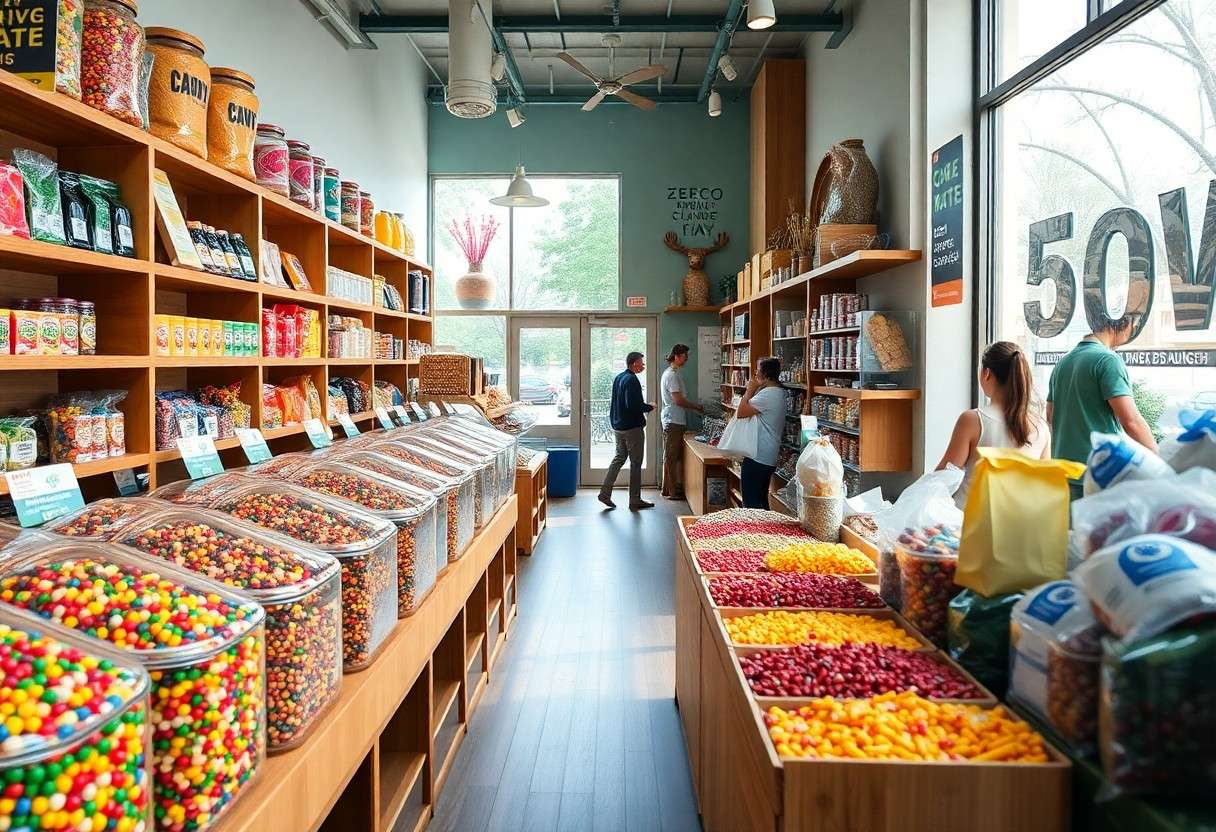
Your role is to leverage these principles: bright signage highlighting unique flavors, colorful bins filled with fresh taffy, and engaging props that reflect the beach atmosphere all create a welcoming ambiance that encourages customers to spend more time—and money—at your stand. The more inviting your taffy display, the more likely passersby will feel compelled to step inside, increasing foot traffic and fostering impulse purchases driven by an enthusiasm for the sweet experience you offer.
Final Words
The insights gained from exploring “Taffy Tales From the Boardwalk” can significantly enrich your understanding of the seaside experience. You discover how taffy-making is not just a delicious treat, but a symbol of family traditions and shared memories that span generations. This delightful confection captures the essence of summer days spent at the beach, evoking a sense of nostalgia and connection to the vibrant local culture.
Your journey through the stories behind taffy also highlights the importance of supporting local businesses and artisans. As you indulge in this sweet treat, you engage with a community that thrives on creativity and craftsmanship. So, the next time you find yourself at a boardwalk, savoring a piece of taffy, you’ll appreciate not just the flavors, but the rich tapestry of tales intertwined with each chewy morsel.